
Choose Your Products
Showing 1–12 of 22 results
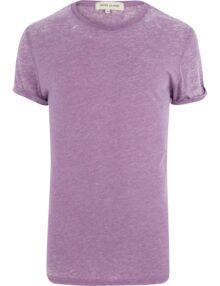
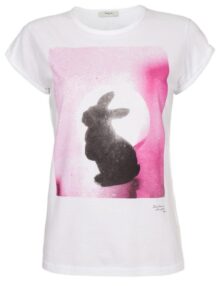

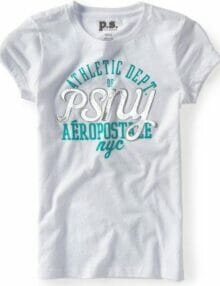
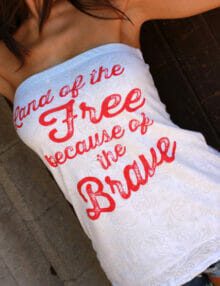
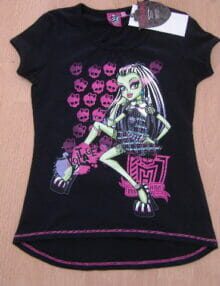
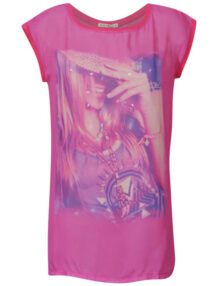
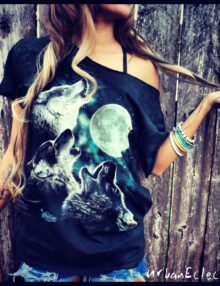
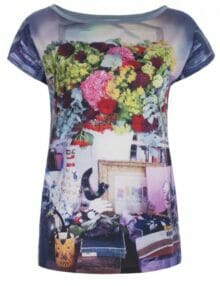
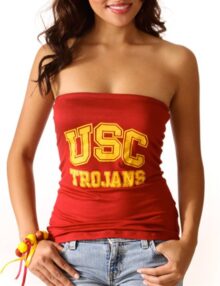
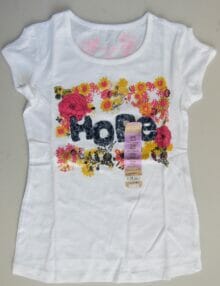
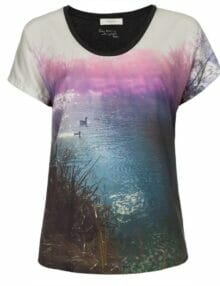
Girls T-Shirt
Wholesale Girls’ T-Shirt Manufacturer in Bangladesh
A girls’ T-shirt may be a basic garment, but the details determine whether customers will wear it again. The fabric should feel comfortable. The neckline should retain its shape. The print should look clean, and the fit must suit the intended age group.
Minmax Textile manufactures girls’ T-shirts for fashion brands, retailers, wholesalers, importers, and private-label buyers. We support custom development for everyday collections, fashion ranges, promotional programs, school activities, and seasonal campaigns.
Buyers can submit a technical pack, measurement chart, artwork, reference garment, sketch, or product image. Our team reviews the fabric, construction, sizing, decoration, branding, and packaging requirements before bulk production.
Girls’ T-Shirts for Different Collections
A successful collection usually includes more than one T-shirt shape. Fit, sleeve length, neckline, color, and decoration can create a different look even when the same fabric is used.
Styles may include:
- Classic crew-neck T-shirts
- Round-neck T-shirts
- V-neck T-shirts
- Scoop-neck T-shirts
- Oversized T-shirts
- Relaxed-fit T-shirts
- Slim-fit T-shirts
- Cropped T-shirts
- Longline T-shirts
- Raglan-sleeve T-shirts
- Short-sleeve T-shirts
- Long-sleeve T-shirts
- Sleeveless T-shirts
- Pocket T-shirts
- Graphic T-shirts
- Sports and active T-shirts
- School and event T-shirts
- Promotional T-shirts
A classic crew-neck design can form the foundation of an everyday range. Oversized and cropped styles may suit fashion-led collections for teenagers. Raglan sleeves or lightweight performance fabrics can be considered for active products.
The best choice depends on the customer, season, destination market, and intended selling price.
Designing T-Shirts for Girls and Teenagers
Girls’ and teenage T-shirts should not be treated as smaller versions of adult garments. Body proportions, styling preferences, garment length, and fit expectations can change between age groups.
A younger customer may need a comfortable regular fit that allows easy movement. Teenage collections may include relaxed, fitted, oversized, cropped, or streetwear-inspired shapes.
Before development, buyers should confirm:
- Target age group
- Intended fit
- Garment length
- Shoulder shape
- Sleeve length
- Neck opening
- Required coverage
- Size range
- Destination market
A clear customer profile helps us interpret the design correctly. It also reduces unnecessary sample changes.
Fabric Options for Girls’ T-Shirts
Fabric affects comfort, appearance, durability, printing, and production cost. The correct choice depends on how and where the T-shirt will be worn.
Common material options may include:
- 100% cotton jersey
- Combed cotton
- Cotton-spandex jersey
- Cotton-polyester blends
- Organic cotton
- Recycled fiber blends
- Viscose blends
- Modal blends
- Slub jersey
- Rib-knit fabric
- Interlock
- Polyester performance fabric
Cotton jersey is widely used for casual T-shirts because it offers a familiar feel and a versatile surface for decoration. Adding elastane may create controlled stretch for fitted designs. Cotton-polyester blends can be considered when buyers require a different balance of softness, stability, and performance.
Lightweight fabric may suit summer or layering collections. A heavier jersey can create a more structured appearance for premium basics and oversized styles.
Buyers should specify the required composition, fabric weight, stretch, finish, and hand feel. If an exact specification is unavailable, a reference garment can help communicate the desired result.
Understanding Fabric Weight and Garment Feel
Two T-shirts made from cotton can feel completely different. Fabric weight, yarn quality, knitting structure, finishing, and garment wash all influence the final product.
A lightweight T-shirt may feel cool and easy to layer. However, buyers should review opacity, drape, and shape retention. Medium-weight jersey is suitable for many everyday styles. Heavier fabric may provide a more substantial feel but may not suit every climate or price point.
The intended fit must also be considered. A fluid fabric may work well for a relaxed silhouette. A structured oversized T-shirt may require a fabric that holds its shape.
Instead of selecting fabric by price alone, buyers should consider the complete product experience.
Neckline and Construction Details
The neckline is one of the first areas customers notice. It is also a common point of wear.
A well-developed neckline should lie flat, stretch sufficiently during dressing, and recover after use. Neck-rib width, rib composition, attachment method, and opening measurement must work together.
Construction details may include:
- Ribbed neck binding
- Self-fabric binding
- Reinforced shoulder seams
- Neck tape
- Twin-needle stitching
- Cover stitching
- Side-seam construction
- Tubular construction where suitable
- Curved or straight hems
- Side slits
- Rolled cuffs
- Raw-edge effects
The correct construction depends on the design and fabric. A fitted stretch T-shirt may require a different seam and neckline solution from a heavy oversized style.
These details should be checked during sampling rather than left until bulk production.
Custom Prints, Embroidery, and Decoration
Artwork can turn a basic T-shirt into a recognizable product. The decoration method should match the design, fabric, quantity, and required finish.
Customization options may include:
- Screen printing
- Digital printing
- Heat-transfer printing
- Sublimation for suitable fabrics
- Puff printing
- Foil effects
- Glitter effects
- Flock printing
- Embroidery
- Appliqué
- Patches
- All-over patterns
- Contrast panels
- Decorative stitching
- Custom wash effects
A simple one-color logo and a detailed photographic image require different printing methods. Very small text, fine lines, gradients, and multiple colors should be reviewed for production suitability.
Please provide the artwork in a clear file format. Include the required dimensions, placement, and color references. Pantone references or approved color standards can help reduce misunderstandings.
Print placement should be confirmed against each garment size. Artwork that looks balanced on a small T-shirt may need adjustment for larger sizes.
Developing a Color Range
Color planning affects both the appearance and commercial value of a collection.
Core colors such as black, white, navy, grey, and neutral shades can support regular sales. Seasonal colors can add variety. Bright tones, pastels, and coordinated graphics may appeal to different customer groups.
Buyers may develop:
- Single-color styles
- Contrast neck and sleeve designs
- Color-block T-shirts
- Coordinated seasonal colors
- Graphic color stories
- Mixed-color multipacks
- Matching family or group T-shirts
Color should be reviewed on the selected fabric. The same shade may look different on cotton, polyester, and blended materials.
When several products belong to one collection, shared colors can make the range easier to merchandise.
Private-Label Girls’ T-Shirts
Minmax Textile supports private-label production for buyers that want to sell girls’ T-shirts under their own brand.
Depending on the order, branding options may include:
- Woven brand labels
- Printed neck labels
- Heat-transfer labels
- Care labels
- Size labels
- Hangtags
- Barcode stickers
- Price tickets
- Branded polybags
- Paper packaging
- Multipack presentation
- Buyer-specified carton markings
A printed neck label can create a smooth finish in casual T-shirts. A woven label may suit brands that prefer a traditional presentation. The right choice depends on the product, budget, and customer experience.
Label content and placement should be approved before production. Buyers are responsible for supplying any legally required information for their destination market.
T-Shirt Sizing and Fit Development
A T-shirt must provide the intended shape throughout the size range. Simply adding the same amount to every measurement may not produce a balanced fit.
Important measurements can include:
- Chest width
- Body length
- Shoulder width
- Sleeve length
- Sleeve opening
- Neck width
- Front neck drop
- Back neck drop
- Bottom opening
- Armhole depth
Cropped, oversized, fitted, and regular T-shirts require different proportions. Fabric stretch and shrinkage must also be considered.
Buyers should provide their measurement chart and grading rules whenever possible. If the garment targets teenagers, specify whether sizing is based on age, height, body measurements, or a brand-specific system.
The approved sample and confirmed measurement chart should become the main references for bulk production.
Comfort and Age-Appropriate Details
Girls’ clothing should be comfortable during school, travel, play, and everyday movement.
Seams should feel smooth. The neck opening should allow easy dressing. Labels and decoration should not create unnecessary irritation. Any trims or attachments must be suitable for the intended age group.
Designs may need review for:
- Secure attachment of decorative parts
- Drawcord or strap placement
- Rough print surfaces
- Sharp or uncomfortable trims
- Neck-opening accessibility
- Age-appropriate garment length
- Applicable product-safety requirements
Testing and compliance requirements vary between markets. Buyers should provide their standards, restricted-substance requirements, and testing protocols before production.
Planning a Commercial T-Shirt Range
A focused range is often more effective than a large collection of unrelated designs.
Buyers can begin with a few reliable shapes and create variation through color, artwork, and fit. For example, a teenage casualwear range may combine:
- A regular-fit logo T-shirt
- An oversized graphic T-shirt
- A cropped fashion T-shirt
- A long-sleeve layering style
- A coordinated two- or three-piece multipack
Core products can support repeat sales. Fashion-led designs can create seasonal interest.
It is also useful to decide how the garments will be sold. Individual pieces, multipacks, gift sets, school programs, and promotional orders require different packaging and assortment planning.
Quality Checks for Bulk T-Shirt Orders
Quality control should cover the material, measurements, construction, decoration, labeling, and packing.
Inspection points may include:
- Fabric appearance and shade
- Garment measurements
- Neck shape and recovery
- Stitch quality
- Seam condition
- Sleeve and hem alignment
- Print position and appearance
- Embroidery condition
- Artwork size
- Loose threads
- Stains or marks
- Label content and placement
- Size assortment
- Folding and packaging
- Carton quantity
Testing requirements depend on the fabric, decoration, destination, and buyer’s quality standard. Any required colorfastness, dimensional, physical, or chemical tests should be discussed during product development.
Clear standards help both the buyer and manufacturer evaluate the finished order consistently.
Information Required for a Quotation
The price of a girls’ T-shirt depends on more than the garment style. Fabric, weight, construction, artwork, order quantity, and packaging can significantly affect the cost.
For a useful quotation, please send:
- T-shirt style
- Target age group
- Intended fit
- Order quantity
- Size range
- Fabric composition
- Fabric weight
- Required colors
- Artwork or logo
- Decoration method, if known
- Measurement chart
- Label requirements
- Packaging instructions
- Delivery destination
- Expected completion period
You can also provide a physical sample or clear reference images.
If some information is not ready, send the available details first. We can identify the points that need confirmation before final pricing.
From Design to Bulk Production
1. Product Brief
Share the T-shirt design, size range, quantity, fabric preference, artwork, and destination.
2. Technical Review
The fabric, construction, measurements, decoration, branding, and packaging are reviewed.
3. Sample Development
A sample may be prepared to evaluate the fit, fabric, neckline, artwork, and artistry.
4. Buyer Comments and Approval
Required corrections are reviewed. Production details are finalized after approval.
5. Bulk Manufacturing
The order is produced according to the confirmed specifications and commercial terms.
6. Inspection and Packing
Finished T-shirts are checked and packed according to the buyer’s instructions.
Production timing depends on the design, fabric availability, sample approval, printing method, order volume, and packaging requirements.
Who Can Order Custom Girls’ T-Shirts?
Our manufacturing service may be suitable for:
- Girlswear brands
- Teenage fashion labels
- Clothing startups
- Online retailers
- Department stores
- Schoolwear suppliers
- Sports and activity groups
- Event organizers
- Promotional product companies
- Importers
- Wholesalers
- Distributors
Each buyer has different commercial priorities. Some need dependable everyday basics. Others focus on bold graphics, premium materials, coordinated collections, or special retail packaging.
Sharing your market, customer profile, quality level, and target price helps us understand the product you want to develop.
Frequently Asked Questions
Can I manufacture girls’ T-shirts under my own brand?
Yes. Private-label options may include custom brand labels, printed neck labels, care labels, size labels, hangtags, barcode stickers, and buyer-specified packaging.
Can you manufacture T-shirts from my design?
You can send a technical pack, sketch, measurement chart, artwork, reference image, or physical sample. The product details will be reviewed before sampling and pricing.
What girls’ T-shirt styles can be developed?
Styles may include regular-fit, slim-fit, oversized, cropped, longline, raglan-sleeve, sleeveless, long-sleeve, graphic, active, and promotional T-shirts.
Can I choose my own fabric and colors?
Fabric composition, weight, color, stretch, and finish can be selected according to the design, required quality, order volume, and sourcing availability.
What printing methods are available?
Possible methods may include screen printing, digital printing, heat transfer, sublimation on suitable fabric, embroidery, appliqué, and special print effects. The appropriate method depends on the artwork and material.
Can you produce T-shirts for teenage girls?
Yes. Buyers should provide the intended age group, fit direction, size chart, and style references so the garment can be developed for the target customer.
Is a sample available before bulk production?
Sample development can be discussed after the specifications are reviewed. A sample helps the buyer evaluate the fabric, fit, construction, color, artwork, and overall appearance.
What is the minimum order quantity?
The required quantity depends on the fabric, design, color count, printing method, size breakdown, and packaging. Send your planned quantity for order-specific information.
How long does production take?
The schedule depends on material sourcing, sample approval, decoration method, order volume, and packaging. We can provide an estimated timeline after reviewing the complete inquiry.
Can you supply international wholesale buyers?
Minmax Textile presents its products to wholesale and international apparel buyers. Shipping arrangements and delivery terms can be discussed according to the order and destination.
Request a Quote for Custom Girls’ T-Shirts
Looking for a girls’ T-shirt manufacturer in Bangladesh?
Send Minmax Textile your design, quantity, size range, fabric requirements, artwork, packaging details, and delivery destination. Our team will review the information and advise you about the next stage.
Email: info@minmaxst.com
Phone/WhatsApp: +880 1813-282105