
Choose Your Products
Showing all 9 results
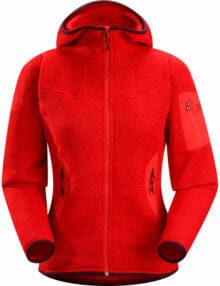
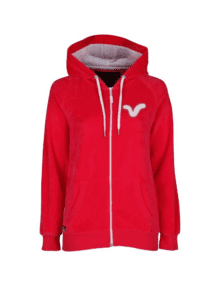
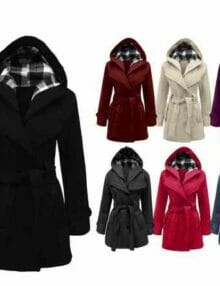
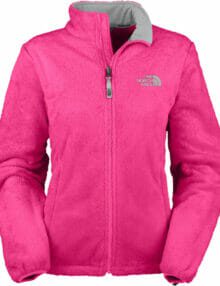
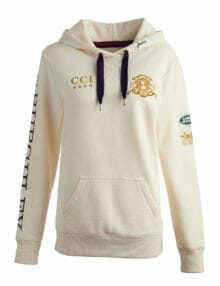
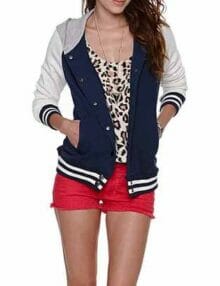
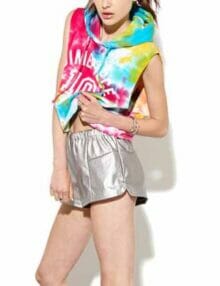
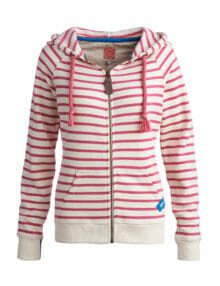
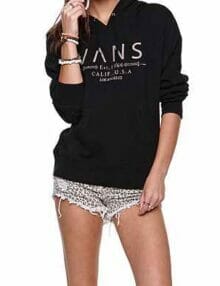
Women's Sweatshirt Exporter
Custom Women’s Sweatshirt Manufacturer for Private-Label Orders
MinMax Textile accepts B2B inquiries for custom and private-label women’s sweatshirts from its base in Dhaka, Bangladesh. This category is intended for fashion brands, retailers, wholesalers, merchandise businesses, and organizations sourcing garments in volume. Use the products below as design directions for crewneck sweatshirts, hoodies, fleece jackets and pullovers. Final fabric, fit, construction, branding, packaging, and commercial terms must be reviewed against your tech pack, design, or reference garment.
Send your design, fabric requirements, sizes, colorways, branding method, destination and estimated quantity for a project-specific quotation.
Develop Women’s Sweatshirts Around Your Brand Specification
A sweatshirt order should begin with a clear product brief rather than a catalog image alone. Fabric weight, inner surface, fit, sleeve construction, neck rib, cuffs, waistband and decoration all influence the finished garment.
The products above provide references for possible silhouettes. They should not be treated as single-item retail stock or proof that every fabric, color and size is immediately available.
For a broader view of available clothing categories, visit the women’s apparel manufacturing page.
Select the Correct Sweatshirt Style
Different products require different patterns, components and production planning.
- Crewneck sweatshirt: A pullover without a hood, normally finished with a rib neckband, cuffs and waistband.
- Pullover hoodie: A hooded sweatshirt that may include a kangaroo pocket and drawcord.
- Zip-front hoodie: A hooded garment with a full or partial front zip. Zip selection, front alignment and hood construction require clear specifications.
- Cropped sweatshirt: A shorter fashion silhouette requiring an approved body length and proportion.
- Oversized sweatshirt: A deliberately loose style requiring defined shoulder, chest, sleeve and body measurements.
- Raglan sweatshirt: A garment with sleeves extending towards the neckline rather than using a conventional armhole.
- Fleece jacket: Usually a zip-front outer layer, often with a stand-collar and pockets. It should be identified separately from a standard sweatshirt.
- Pullover: A broad term that should be supported by drawings showing the neckline, opening, fabric and intended construction.
Review catalog directions for the fitted fleece jacket, ladies’ hoodie, and women’s sweatshirt hoodie.
Knitted yarn sweaters and cardigans belong in the separate women’s sweater category.
Key Specifications for a Women’s Sweatshirt
| Specification | Buyer Decision | Typical Use | Effect on the Finished Garment |
|---|---|---|---|
| Product Type | Crewneck, hoodie, zip hoodie, cropped style, or fleece jacket | Fashion, streetwear, uniforms, or merchandise | Determines pattern pieces, construction, and required components. |
| Fabric Surface | Loop-back French terry or brushed fleece | Transitional or colder-season products | Changes the garment’s inner texture, warmth, comfort, and bulk. |
| Fabric Specification | Fibre content, fabric weight, stretch, finish, and colour | Brand-specific collections and end-use requirements | Influences hand feel, durability, stability, care requirements, and production cost. |
| Fit | Fitted, regular, relaxed, oversized, or cropped | Fashion collections, athleisure, and promotional apparel | Controls garment ease, proportions, silhouette, and fabric consumption. |
| Sleeve Construction | Set-in, raglan, or drop shoulder | Classic, athletic, or streetwear styles | Affects fit, mobility, appearance, and sewing complexity. |
| Neck or Hood | Crewneck rib, hood shape, hood lining, or drawcord style | Sweatshirts and hoodies | Influences comfort, style, functionality, and garment construction. |
| Rib Components | Neckband, cuffs, and waistband | Most sweatshirt styles | Determines stretch recovery, garment shape retention, and wearing comfort. |
| Openings & Pockets | Full zip, half zip, kangaroo pocket, or side pockets | Hoodies and fleece jackets | Adds functional features, components, and assembly requirements. |
| Decoration | Screen printing, embroidery, appliqué, patches, or other branding methods | Private-label, corporate, and promotional apparel | Affects fabric compatibility, production process, setup, and overall cost. |
| Labels & Packaging | Main label, care label, size label, hangtag, folding, and packing format | Retail, wholesale, and distribution | Controls brand presentation, retail readiness, and shipment preparation. |
Choose Fabric by Construction, Not Name Alone
“Cotton sweatshirt,” “fleece,” or “premium fabric” is not a complete material specification.
Provide the required:
- Fibre composition
- Fabric construction
- Target weight or weight range
- Brushed or unbrushed inner surface
- Stretch and recovery
- Colour reference
- Shrinkage expectations
- Hand feel
- Care requirements
- Performance or testing requirements
French terry normally retains visible loops on the inside. Brushed sweatshirt fleece has a raised inner surface. Neither term confirms fiber content or weight, so include those details separately.
Rib should also be specified rather than left as a generic trim. Confirm the fiber blend, appearance, stretch, recovery, and color match required for the neckline, cuffs, and waistband.
Define the Women’s Fit and Size Range
Provide a base-size measurement chart with the intended garment fit.
Important measurement points may include:
- Half chest
- Shoulder width
- Body length
- Sleeve length
- Bicep
- Cuff opening
- Bottom opening
- Neck width and drop
- Hood height and width
- Pocket dimensions and position
For an oversized sweatshirt, specify the required ease and shoulder position. Simply enlarging a regular sweatshirt may create unintended neck openings, sleeve lengths, or body balance issues.
For a cropped style, approve the body length, waistband depth, and finished-garment measurements.
Specify Construction and Components
The tech pack should identify:
- Set-in, raglan, or drop-shoulder sleeve
- Neck rib width and finished opening
- Cuff and waistband dimensions
- Hood panel shape and lining
- Drawcord, eyelet and stopper requirements
- Zip type, length and color
- Pocket construction and placement
- Seam and topstitch appearance
- Reinforcement points
- Main label, care label and size-label position
A useful reference garment can support development, but measurements and written construction instructions should still be documented.
Private-Label Branding and Decoration
Include the artwork and branding plan in the first inquiry.
Methods such as printing and embroidery can be discussed, subject to the fabric, artwork, placement and order requirements. Other requested techniques should be reviewed before they are included in the quotation.
Send:
- Artwork in a suitable production format
- Finished dimensions
- Colour references
- Exact placement
- Required hand feel or appearance
- Main label and care-label artwork
- Hangtag and packaging details
A dense embroidery design can affect drape and comfort. Large prints may require testing for stretch, adhesion, and appearance aftercare. Confirm the intended result during sample development.
Product Development and Sample Approval
A typical custom project may move from design review to fabric discussion, pattern or sample development and buyer approval. The exact stages, charges and schedule should be confirmed for the order.
Review the sample for:
- Overall silhouette and proportions
- Chest, shoulder and sleeve fit
- Neck opening or hood shape
- Rib stretch and recovery
- Pocket position
- Zip alignment
- Fabric weight and inner surface
- Shrinkage expectations
- Decoration size and placement
- Labels and finishing
- Measurements against the specification
Record every approved correction in the final tech pack or sample comments.
Quality Requirements to Discuss Before Production
The quality plan may need to address:
- Measurement tolerances
- Dimensional change after care
- Fabric skew or garment twisting
- Pilling and surface appearance
- Shade consistency
- Colourfastness
- Seam appearance and strength
- Rib recovery
- Zip operation and front alignment
- Print or embroidery appearance
- Label position
- Finishing, folding and carton marking
Do not assume a test method or acceptance level. State the required standard, laboratory, report format and responsible party in the purchase specification.
A common sourcing mistake is approving the body fabric without evaluating the rib and decoration. Different shrinkage or recovery between the body and rib can distort the neckline, cuffs or waistband.
MOQ, Cost and Lead-Time Factors
MOQ, unit cost, sample charges and timing must be confirmed for the individual sweatshirt project.
Factors include:
- Fabric composition and weight
- Custom knitting, dyeing or finishing
- Number of styles and colorways
- Quantity per style and colour
- Size range
- Rib and trim development
- Zips, drawcords, eyelets and pockets
- Printing or embroidery
- Labels and packaging
- Testing or inspection requirements
- Sample revisions
- Material availability
- Production schedule
Provide the quantity by style, color, and size. Also clarify whether the requested date means sample approval, production completion, shipment, or arrival.
Suitable B2B Buyers
This category may be relevant to:
- Fashion and streetwear labels
- Athleisure and lifestyle brands
- Retailers and boutiques
- Wholesalers and importers
- Corporate merchandise buyers
- Staff-uniform programs
- Sports and community organizations
- Promotional-apparel agencies
The service is intended for commercial garment projects rather than personal single-item purchases.
Read more about the business on the About page and Company Profile.
Plan International Orders Carefully
International buyers should confirm:
- Destination country
- Required shipment date
- Preferred freight arrangement
- Incoterm
- Export and import documentation
- Carton dimensions and marks
- Labelling requirements
- Customs-clearance responsibility
- Duties and taxes
- Destination delivery responsibility
A production-completion date is different from a final arrival date. Freight availability, transit, customs procedures, and local delivery can affect the schedule.
What to Include in Your Quote Request
Send:
- Design, tech pack or reference garment
- Product type and intended use
- Fabric composition and construction
- Target weight
- Brushed or unbrushed inner surface
- Base-size measurements and grade rules
- Required size range and quantity breakdown
- Colourways and colour references
- Sleeve, neck, hood, pocket and zip details
- Rib specifications
- Artwork and branding requirements
- Labels, hangtags and packaging
- Testing or compliance requirements
- Destination country
- Target completion or arrival date
- Estimated quantity by style and color
Frequently Asked Questions
What is the difference between a sweatshirt and a hoodie?
A sweatshirt is generally a knitted pullover with long sleeves and ribbing at the hem and cuffs. A hoodie adds a hood and may include drawcords or a kangaroo pocket. A zip hoodie also requires a front zip and additional alignment specifications. Clearly identify the intended product in your tech pack.
Is French terry the same as brushed sweatshirt fleece?
No. French terry normally has an unbrushed looped surface on the inside. Sweatshirt fleece is typically brushed or napped to create a raised inner surface. Both constructions can vary in composition, weight, and finish, so those requirements must also be specified.
Can a sweatshirt be developed from a reference image?
A reference image can communicate the general direction, but it rarely provides enough information for accurate pricing or production. Add measurements, fabric requirements, construction details, colors, artwork, trims, quantities, and packaging. A physical sample or complete tech pack can reduce interpretation.
Can MinMax discuss custom labels, printing, and embroidery?
Include the required method, artwork, dimensions, placement, and colors in your inquiry. The team can review the requested branding against the garment, fabric, and order details. Suitability, setup requirements, and commercial terms should be confirmed before sample approval.
How should an oversized sweatshirt be specified?
Provide actual finished measurements rather than requesting only an “oversized fit.” Define the shoulder position, chest width, body length, sleeve length, cuff opening and bottom opening. Include a reference sample or fit image when possible.
Are samples available before bulk production?
Sampling can be discussed as part of product development. Confirm the sample type, cost, timing, revision allowance and courier responsibility before proceeding. The approved sample and updated specification should become the reference for the production order.
What is the MOQ for women’s sweatshirts?
The exact MOQ must be confirmed for the design. Fabric development, color quantity, rib, trims, branding, packaging, and size breakdown can affect the practical minimum. Send the planned quantity by style and color for a project-specific response.
What determines the unit price?
Important factors include fabric composition and weight, garment complexity, quantity, colorways, ribbing and trims, zips, pockets, decoration, labels, packaging, testing, and delivery terms. A product photograph alone is not enough for a reliable quotation.
Which quality tests should a buyer request?
Testing depends on the fabric, decoration, care method, intended use, destination, and buyer policy. Possible areas include dimensional change, colorfastness, pilling, appearance after laundering, and component performance. State the required test method and acceptance criteria in the purchase specification.
Request a Women’s Sweatshirt Manufacturing Quote
Send your design or reference, fabric construction and weight, measurements, sizes, colorways, sleeve and hood details, rib specification, branding, packaging, destination, target date, and estimated quantity through the MinMax Textile contact page.
The team can review the information and discuss feasibility, sampling, and next steps for commercialization.