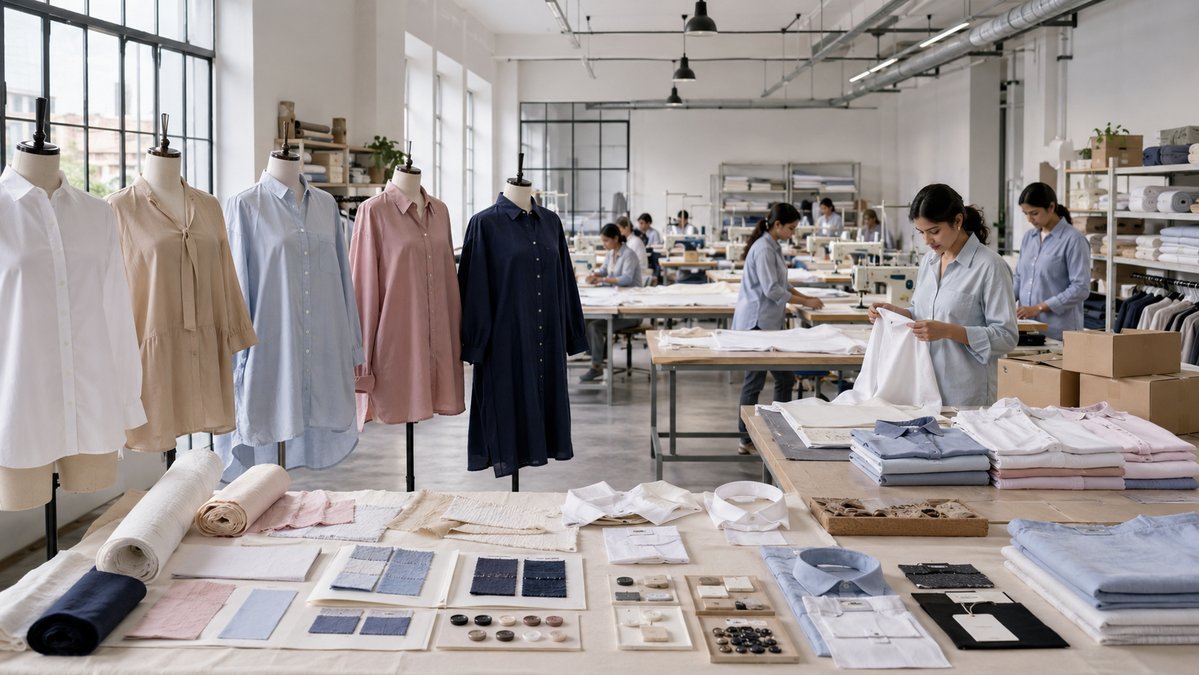
Women’s shirt manufacturers produce formal, casual, and custom blouses for brands, retailers, and wholesalers, often offering private label and OEM services. Buyers should evaluate fabric quality, stitching, sizing accuracy, MOQs, sample turnaround, and shipping capability before selecting a manufacturing partner.
Why Choosing the Right Shirt Manufacturer Shapes Your Brand
A women’s shirt is one of the most versatile pieces in retail. It works for office wear, casual outings, and everything in between, which is exactly why demand for well-made shirts stays consistent across seasons and markets.
That consistency creates opportunity, but it also raises the stakes when choosing a manufacturing partner. A shirt with poor stitching, inaccurate sizing, or fabric that shrinks after the first wash can quickly damage a brand’s reputation, especially for private-label businesses building customer trust from scratch.
This guide covers what women’s shirt manufacturers actually do, the fabrics and styles worth knowing about, how private-label and OEM programs work, and what to check before placing a bulk order.
What Women’s Shirt Manufacturers Produce
A women’s shirt manufacturer typically handles design development, fabric sourcing, cutting, sewing, finishing, and packaging. Depending on the factory, services may include:
- Pattern making and grading
- Fabric sourcing and testing
- Cutting and sewing
- Buttonholes, collars, cuffs, and trim work
- Embroidery and printing
- Labeling and packaging
- Quality inspection and bulk shipping
Some manufacturers specialize in formal and office wear, while others focus on casual, resort, or fashion-forward styles. A few, including manufacturers like Minmax Textile, work across multiple categories and offer both private-label and fully custom OEM production, which gives buyers flexibility as their product lines grow.
Private Label vs. OEM Shirt Manufacturing
| Manufacturing Type | What It Means | Best Suited For |
|---|---|---|
| Private Label | Buyer selects from existing shirt styles and adds custom branding, labels, and packaging | New brands or retailers wanting faster turnaround and lower MOQs |
| OEM (Original Design) | Manufacturer produces shirts based on the buyer’s own tech pack, patterns, and specs | Established brands wanting full design control |
| Cut-and-Make (CMT) | Buyer supplies fabric and patterns; factory handles cutting and sewing only | Brands with existing fabric sourcing relationships |
Popular Women’s Shirt Styles
A reliable women’s shirt manufacturer should offer a range of styles to match different retail categories and customer needs.
Common style categories:
- Formal shirts – structured collars, fitted or semi-fitted cuts, often used for corporate and office wear
- Casual shirts – relaxed fits, lighter fabrics, and simpler construction for everyday wear
- Blouses – softer draping, often made from viscose or silk-blend fabrics, popular for both work and evening wear
- Oversized shirts – a growing trend across the USA, UK, and Australia, favored for comfort and layering
- Office shirts – tailored fits with wrinkle-resistant fabric finishes, popular in corporate markets
- Modest designs – longer lengths, higher necklines, and looser cuts, which see strong demand in the UAE, Saudi Arabia, and Qatar
Retailers targeting multiple regions often stock a mix of fitted and relaxed styles to serve different customer preferences within the same collection. A brand selling into both the UK and the UAE, for instance, might carry the same base shirt pattern in a fitted cut for one market and a longer, looser cut for the other, using the same fabric and production line to keep costs efficient.
Fit preferences also shift with season and use case. Office-focused customers in Germany, Canada, and the Netherlands tend to favor tailored shirts with structured collars, while casual and resort markets in Australia and South Africa often lean toward relaxed fits in lighter fabrics.
Common Fabrics Used in Women’s Shirts
Fabric selection affects comfort, durability, price point, and how a shirt performs in different climates. A good women’s cotton shirt manufacturer or supplier should be able to clearly explain the fabric composition.
- Cotton – breathable and durable, a common choice for both formal and casual shirts
- Linen – lightweight and breathable, well suited to warmer climates like the UAE, Qatar, Saudi Arabia, and parts of Australia
- Viscose – soft with good drape, frequently used for blouses
- Polyester blends – wrinkle-resistant and low-maintenance, popular for office and travel-friendly shirts
- Silk blends – used for premium or eveningwear shirt lines
- Sustainable materials – organic cotton, recycled polyester, and other eco-conscious fabrics are seeing rising demand among buyers in the USA, UK, Germany, and the Netherlands
Fabric Questions Worth Asking Before Bulk Production
- What is the exact fiber content and GSM (fabric weight)?
- Is the fabric pre-shrunk or treated for colorfastness?
- Does the fabric meet safety or compliance standards required in your market?
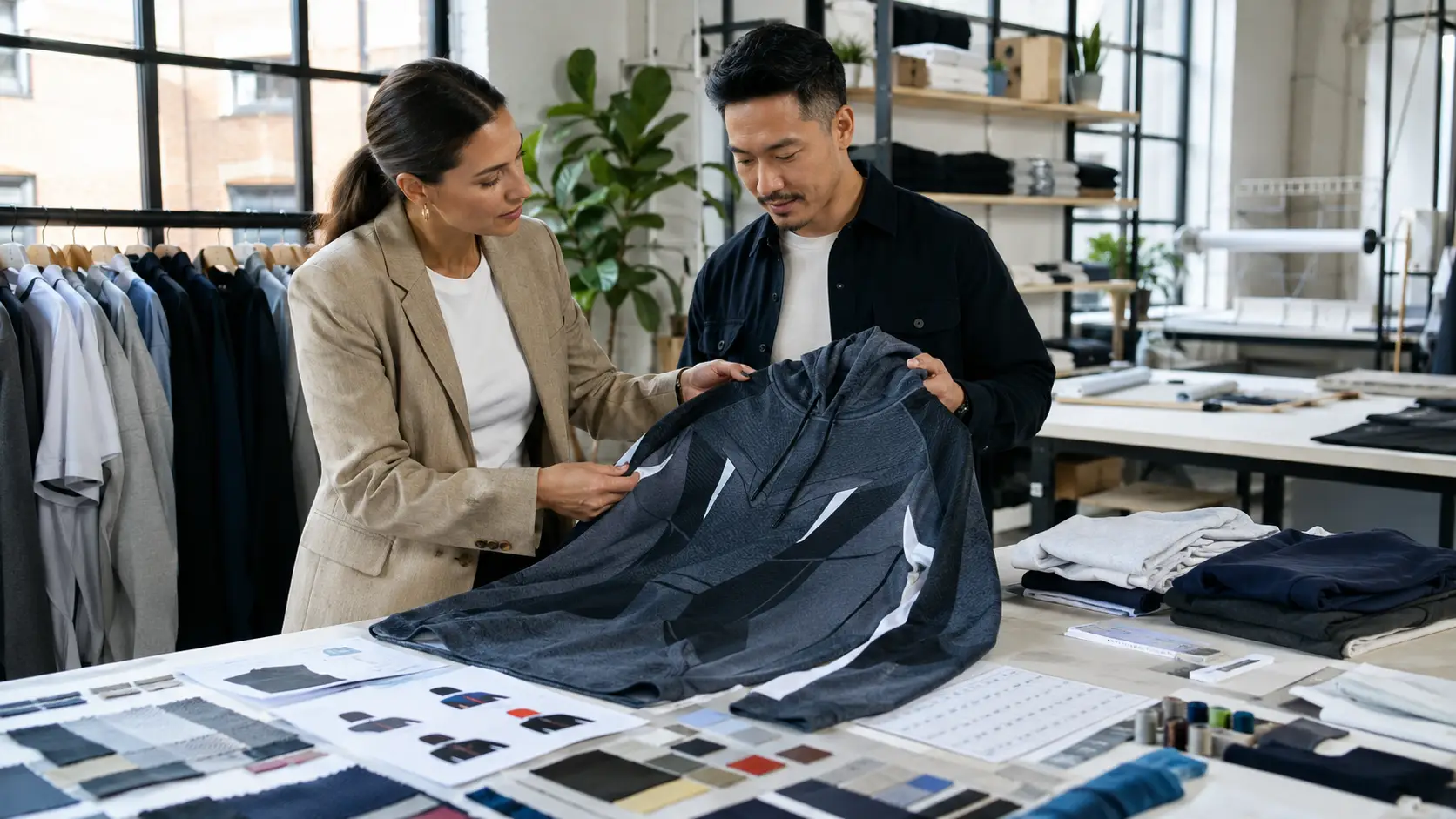
- Can a fabric swatch or lab dip be provided before bulk dyeing?
Custom Colors, Prints, Embroidery, and Branding
Custom clothing manufacturers typically offer several ways to personalize a shirt beyond the base design.
- Colors: Pantone matching or dyeing to a submitted fabric swatch
- Prints: Screen printing, digital printing, or all-over prints depending on fabric type
- Embroidery: Logos, monograms, or decorative stitching on collars, cuffs, or pockets
- Buttons and trims: Custom button styles, contrast stitching, or branded buttons
- Labels: Woven labels, printed neck labels, size labels, and care labels
- Sizing: Grading to US, UK, EU, or Australian size standards, or a buyer’s specific size chart
- Packaging: Polybags, tissue wrap, branded boxes, and hang tags to match retail presentation
Sizing deserves extra attention for international buyers. A size 10 in the UK does not match a size 10 in the US, so sharing a detailed size chart early in the process helps avoid costly grading errors.
Fabric Quality, Stitching, and Fit
Before approving a bulk order, it’s worth reviewing a sample closely against a short quality checklist:
- Seam strength – seams should lie flat without puckering or loose threads
- Stitch consistency – even stitch length across collars, cuffs, and hems
- Buttonhole finishing – clean, secure buttonholes without fraying
- Fabric weight – matches the agreed GSM and doesn’t feel thin or see-through unless intended
- Shrinkage testing – fabric should hold its shape and size after washing
- Consistent measurements – bust, waist, sleeve length, and shirt length should match the spec sheet across the full size run.
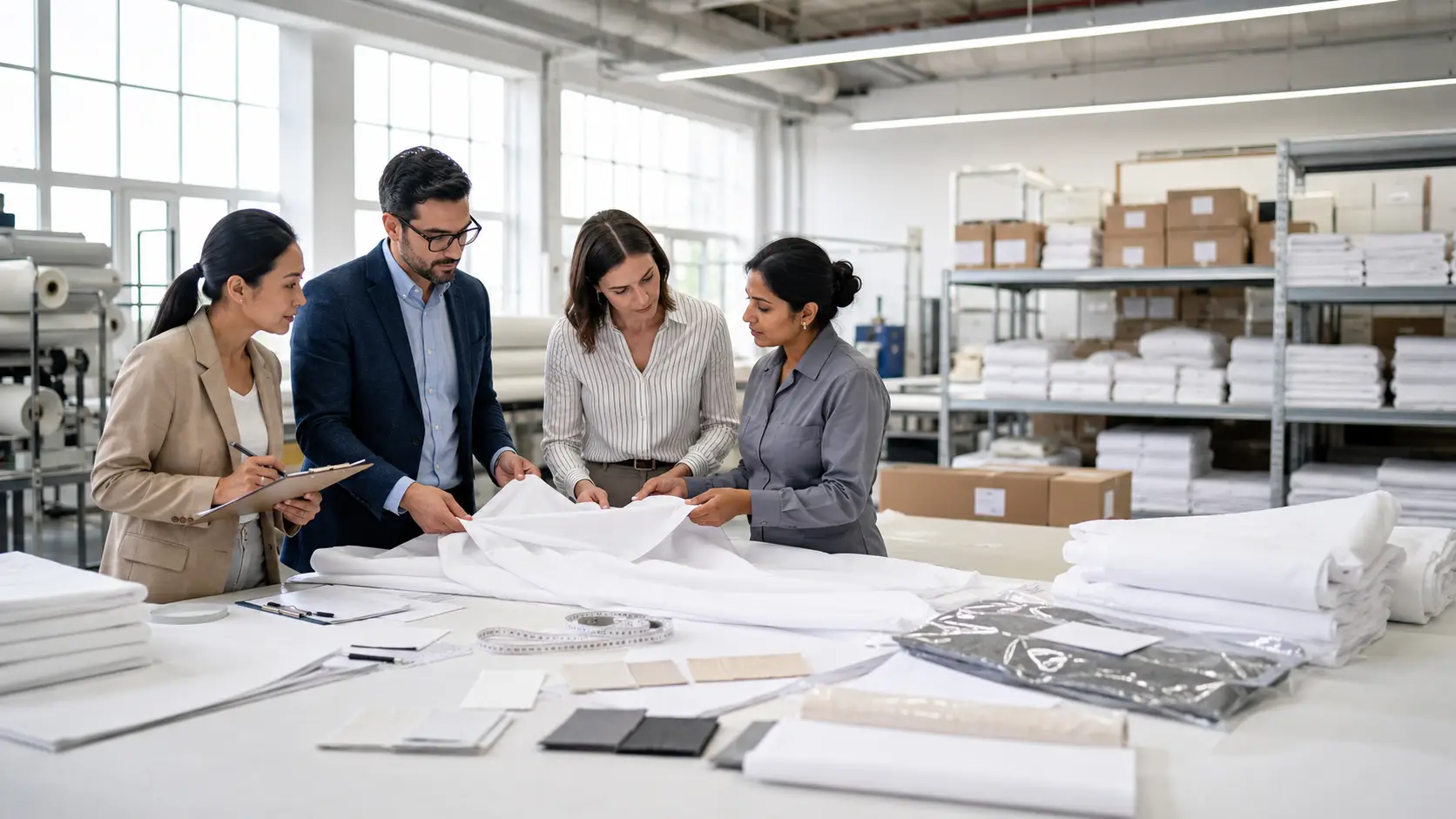
A dependable wholesale women’s shirt supplier should welcome detailed quality questions and be able to share inspection reports on request.
Minimum Order Quantities, Samples, and Pricing
MOQs and pricing vary based on manufacturing type, fabric complexity, and order customization.
General industry ranges (these vary by factory):
- Private label MOQ: often 50 to 300 pieces per style/color
- OEM/custom MOQ: often 300 to 1,000+ pieces per style
- Sample lead time: typically 7 to 14 days
- Bulk production lead time: typically 30 to 45 days, depending on fabric availability and order size
Steps to Request an Accurate Quotation
- Share the shirt style, fabric preference, and order quantity range
- Provide a size chart or reference sample
- Confirm labeling, printing, or embroidery requirements
- Ask for a full cost breakdown, including fabric, trims, labor, and packaging
- Request sample and bulk production lead times as separate figures
Comparing quotes on total landed cost, not just per-unit price, gives a clearer picture of which supplier actually offers the better value.
Quality Control and Responsible Manufacturing
Reputable manufacturers build quality checks into multiple stages of production rather than relying on a single final inspection.
- Fabric inspection before cutting begins
- In-line inspection during sewing to catch issues early
- Pre-shipment inspection covering measurements, stitching, and packaging
- AQL-based random sampling to confirm the batch meets agreed quality standards
Responsible sourcing has become a greater factor for buyers in the USA, the UK, Australia, Germany, and the Netherlands, where customers increasingly expect transparency regarding labor practices, fair wages, and environmental impact. It’s reasonable to ask a manufacturer directly about certifications, factory audits, and waste management practices before signing a contract.
How to Choose a Reliable Wholesale Women’s Shirt Supplier
Checklist for evaluating potential suppliers:
- Do they have proven experience with women’s shirts specifically, not just general apparel?
- Can they share references or samples of past private label work?
- Are their MOQs and pricing structures clearly explained?
- Is their sample process organized, and does it have realistic turnaround times?
- Can they scale production to match your growth plans?
- Do they communicate clearly and respond to technical questions with detail?
- Do they have export experience shipping to your specific country?
Practical Tips Before Placing a Bulk Order
- Request a physical sample rather than relying only on photos or fabric descriptions.
- Check the fabric’s weight and hand feel in person, since GSM alone doesn’t always convey how a fabric drapes or breathes.
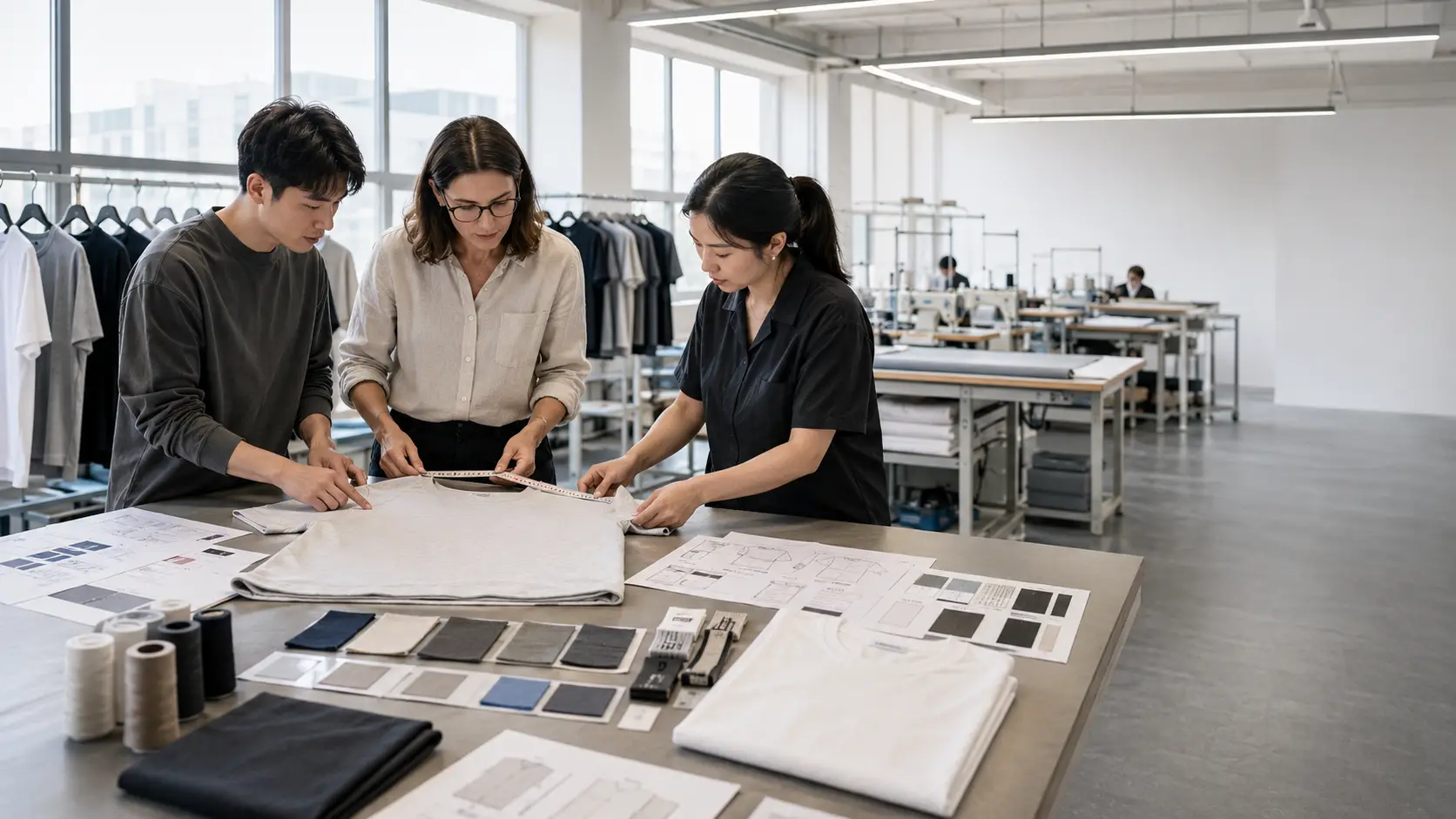
- Confirm measurements against your size chart with an actual measuring tape, not visual estimation.
- Review stitching and finishing closely, particularly around collars, cuffs, and buttonholes, since these areas show quality issues first.
- Compare quotations carefully, checking whether sampling, trims, and shipping costs are included or billed separately.
- Check production capacity to confirm the factory can handle your order volume without pushing back your delivery date.
- Confirm packaging and delivery terms in writing, including Incoterms, so responsibilities are clear on both sides.
International Shipping and Sourcing Considerations
Shipping timelines, seasonal demand, and import requirements differ by region, so it’s worth planning production around your target market’s buying calendar.
- USA and Canada: Retailers often plan office and formal shirt orders 4 to 6 months ahead of fall and spring buying seasons to account for production and ocean freight lead times.
- UK, Germany, and the Netherlands: Steady year-round demand for office shirts, with EU import labeling and compliance requirements worth confirming with a customs broker.
- Australia: Buying seasons run opposite to the Northern Hemisphere, with lighter linen and cotton shirts in higher demand ahead of the Australian spring and summer.
- UAE, Saudi Arabia, and Qatar: Strong demand for modest, breathable shirt styles, along with growing interest in tailored office wear for the corporate sector.
- South Africa: A mix of climates supports demand for both lightweight cotton shirts and heavier fabrics for cooler inland and winter months.
Sea freight remains the most cost-effective option for large bulk orders, while air freight suits smaller or time-sensitive shipments. Many wholesale buyers combine both, using air freight for initial launch stock and sea freight for reorders.
Frequently Asked Questions
What is a typical MOQ for private label women’s shirts? Private label MOQs commonly range from 50 to 300 pieces per style and color, though this varies by manufacturer and fabric type.
How long does bulk shirt production usually take? Bulk production generally takes 30 to 45 days after sample approval, depending on fabric availability and order size.
Can manufacturers match my brand’s specific size chart? Yes, most experienced manufacturers can grade patterns to a buyer’s specific measurements, including US, UK, EU, or Australian sizing standards.
What fabric works best for office and formal shirts? Cotton and polyester blends are common choices for formal shirts because they hold shape well and often include wrinkle-resistant finishes.
Is it possible to see a sample before committing to a bulk order? Yes, most reliable suppliers offer sample production, typically within 7 to 14 days, so buyers can check fit, fabric, and finishing before placing a full order.
Start Building Your Women’s Shirt Collection
Sourcing from the right women’s shirt manufacturer comes down to clear specifications, transparent communication, and a supplier who understands the sizing and quality expectations of your target market. Whether you’re a fashion brand developing a new collection, a retailer expanding into private label, or an importer sourcing bulk formal and casual shirts, taking the time to review samples and compare quotations pays off with fewer reorders and higher customer satisfaction.
Manufacturers like Minmax Textile support brands and wholesale buyers with both private label and OEM women’s shirt production, from fabric sourcing through custom branding and packaging. If you’re ready to move forward, reach out with a clear size chart, style reference, and target quantity, and request a sample to evaluate fit and fabric before committing to your first bulk order.