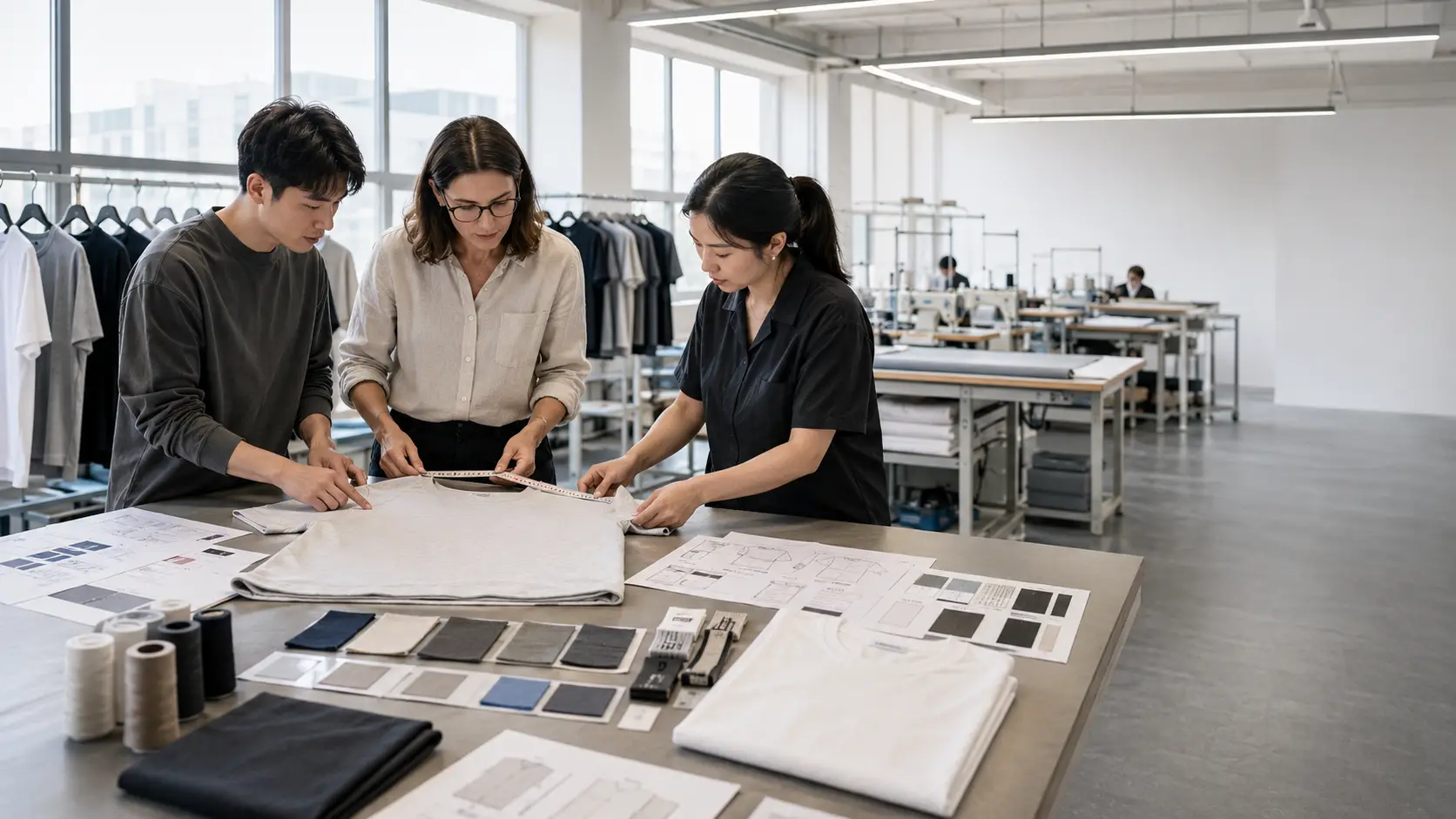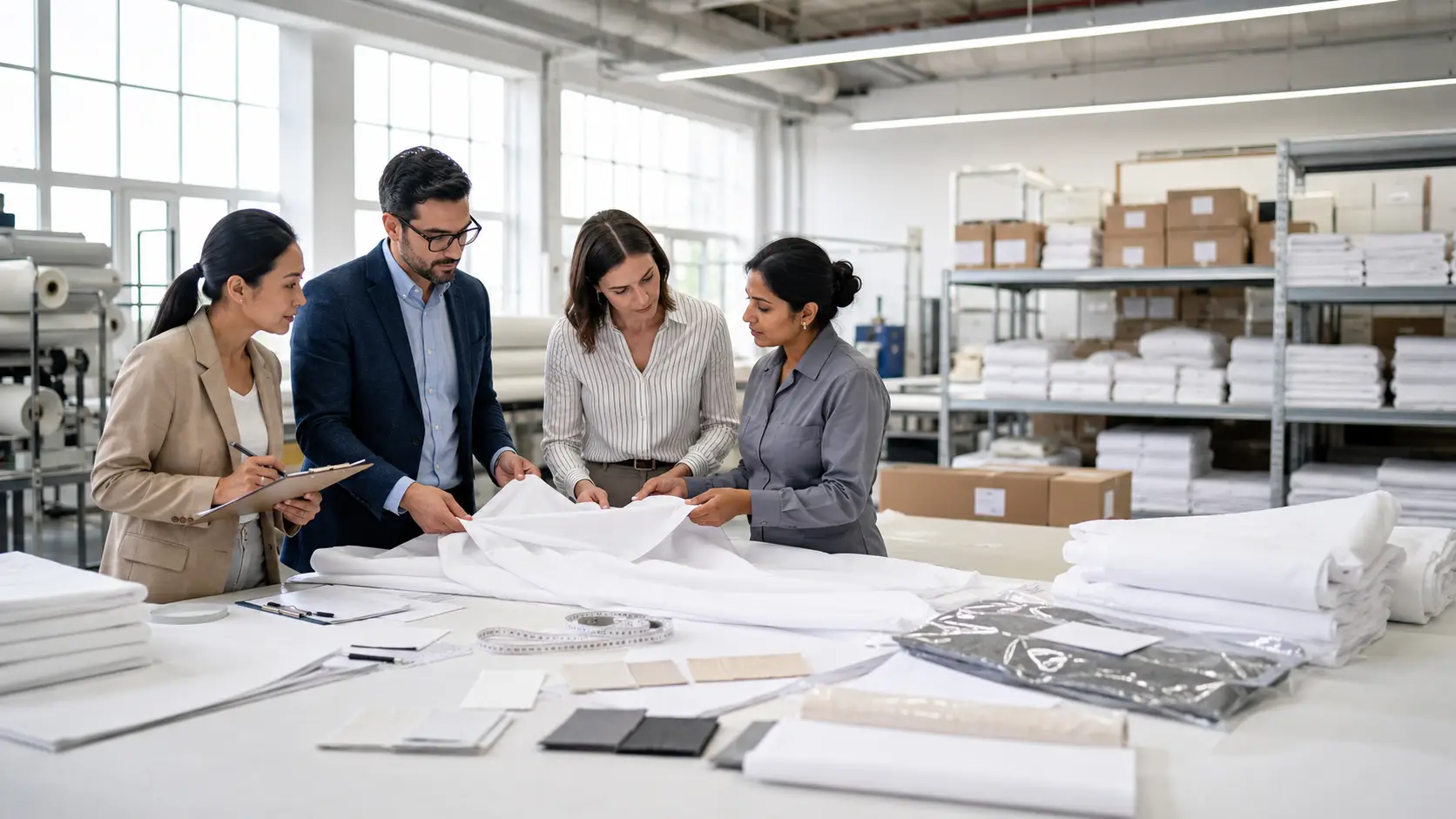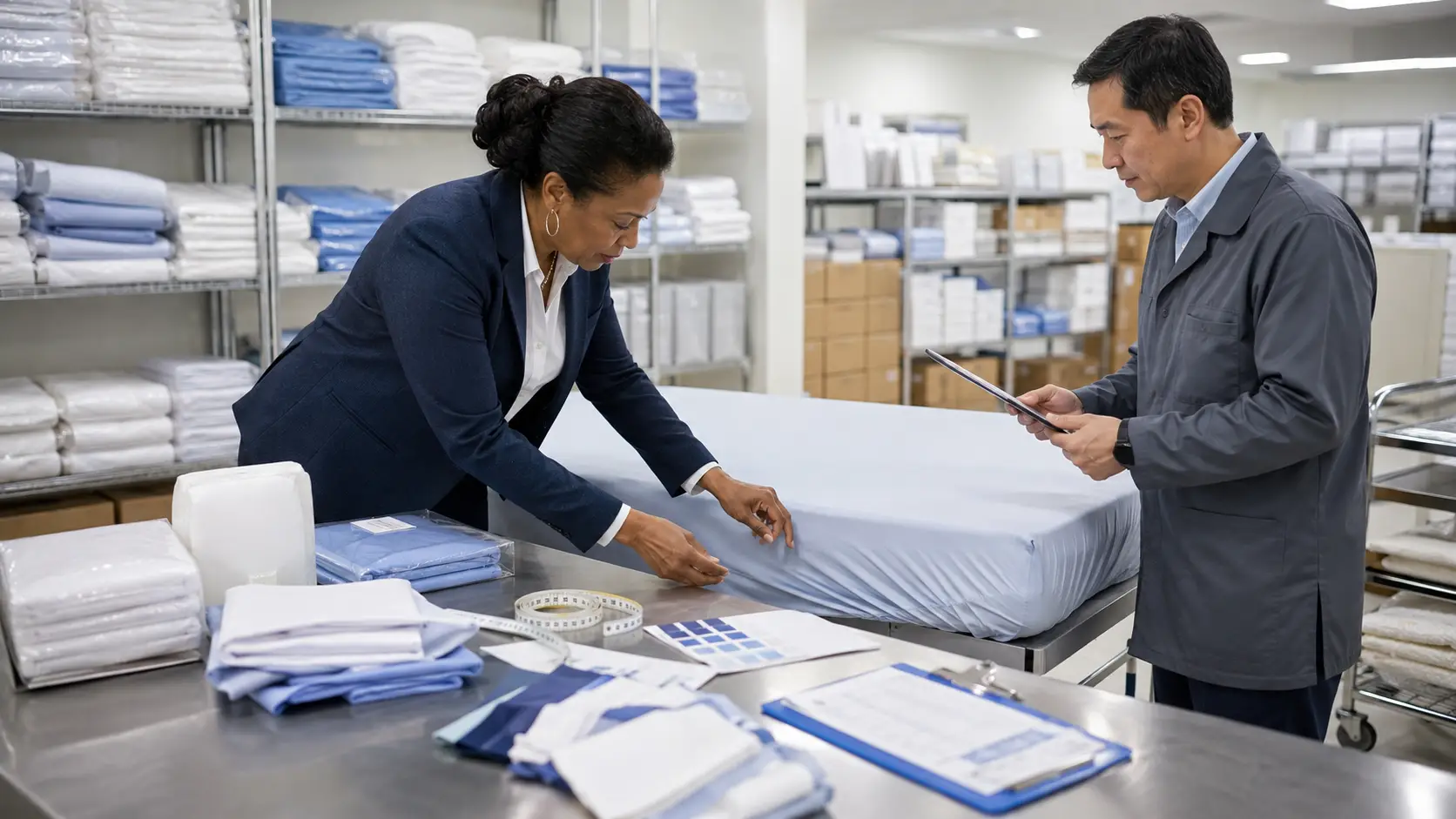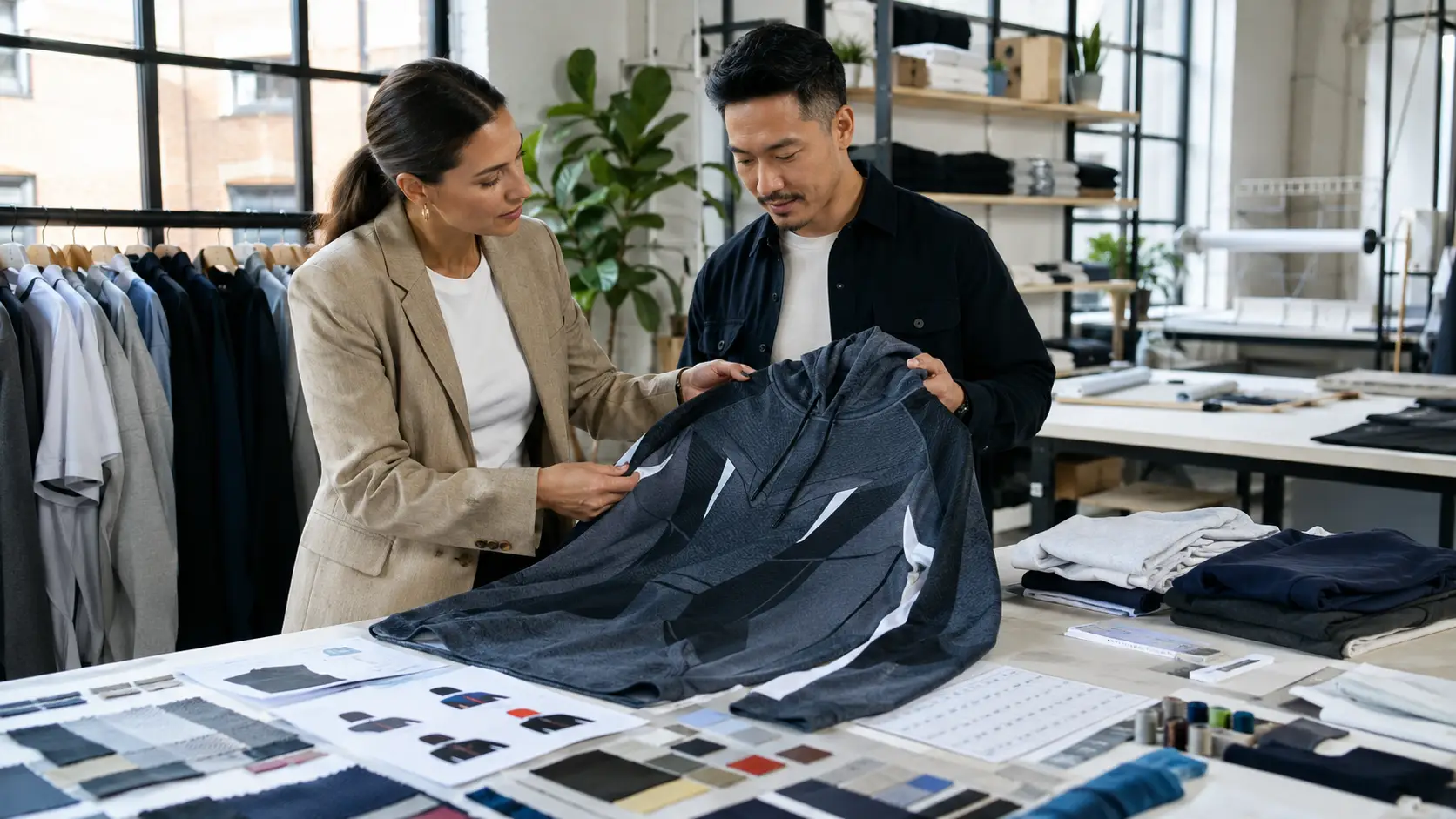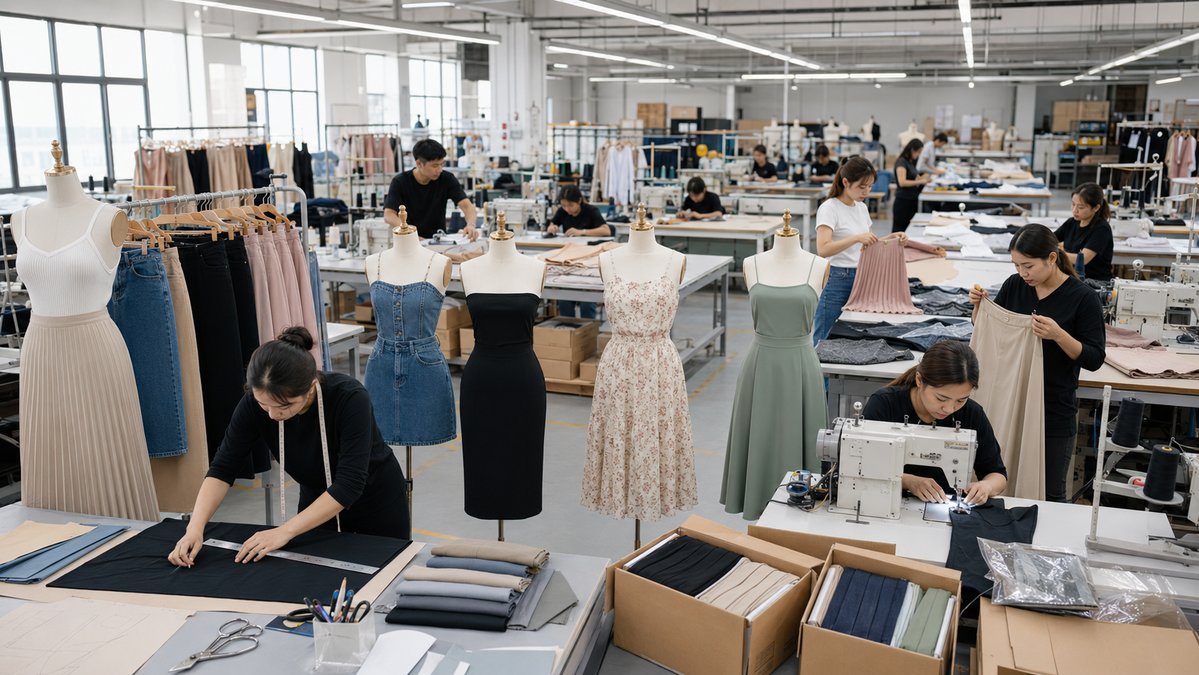
Women’s skirt manufacturers design, cut, sew, and finish skirts for retailers, boutiques, and fashion labels, offering custom, private label, and OEM production. Buyers should evaluate fabric quality, minimum order quantities, sample turnaround, certifications, and communication before choosing a partner for wholesale or bulk orders.
Why Choosing the Right Skirt Manufacturer Matters
A skirt seems simple on paper: a waistband, a hem, maybe a zipper. But anyone who has actually tried to bring a skirt collection to market knows better.
The difference between a skirt that sells out and one that sits on a rack often comes down to who made it. Stitching quality, fabric drape, sizing consistency, and finishing details all trace back to the manufacturing partner behind the label.
Whether you’re a boutique owner in Toronto, a startup label in Dubai, or an established retailer in Sydney, finding the right women’s skirt manufacturer is one of the most important decisions you’ll make. This guide breaks down how manufacturing works, what to look for, and how to source with confidence no matter where your business is based.
What Do Women’s Skirt Manufacturers Actually Do?
A women’s skirt manufacturer handles the full production process, or parts of it, depending on what a brand needs. This typically includes:
- Pattern making and grading across size ranges
- Fabric sourcing and material testing
- Cutting, sewing, and finishing
- Quality control and inspection
- Labeling, tagging, and packaging
- Bulk shipping and export documentation
Some manufacturers only produce from a brand’s own designs and patterns. Others offer design support, sample development, and even trend forecasting. Knowing which type of partner you need is the first step in sourcing correctly.
Full-Package (OEM) vs. Cut-and-Sew Production
There are generally two production models buyers encounter:
OEM Skirt Manufacturer (Full Package): The manufacturer handles everything from sourcing fabric to final packaging, often based on the brand’s design brief or reference samples. This is common for brands that don’t have an in-house technical design team.
Cut-and-Sew (CMT) Production: The brand supplies fabric, trims, and patterns, and the manufacturer only cuts, sews, and finishes the garments. This gives brands more control but requires more upfront work.
Most growing brands start with OEM production, then move toward more customized CMT arrangements as their design capabilities mature.
Popular Skirt Styles Manufacturers Produce
A good manufacturer should be comfortable producing a wide range of silhouettes, since most brands eventually expand beyond a single style. Common categories include:
- Pleated skirt manufacturer work — school uniforms, tennis skirts, tiered fashion pieces
- Maxi skirt manufacturer production — flowing, floor-length designs in woven or knit fabrics
- Mini skirt manufacturer capabilities — fitted or A-line styles for fast fashion and streetwear
- Denim skirt manufacturer expertise — requires specialized washing, distressing, and heavy-duty stitching
- Pencil skirt manufacturer precision — structured, fitted garments that demand accurate grading
- Women’s hip skirt manufacturer options — skirts designed with fuller hip room, a growing request from brands focused on inclusive sizing
If a manufacturer only lists one or two styles on their site, it’s worth asking directly whether they can accommodate your specific design before committing to a sample order.
Fabrics Commonly Used in Skirt Manufacturing
Fabric choice affects everything from cost to how the skirt hangs on the body. Manufacturers typically work with:
- Cotton and cotton blends — breathable, affordable, good for casual and everyday styles
- Polyester and polyester blends — durable, wrinkle-resistant, widely used in fast fashion
- Denim — heavier weight, needs specialized machinery for topstitching and washing
- Linen — popular for warm-climate markets, requires careful pressing and finishing
- Satin and silk-blend fabrics — used for occasion wear and eveningwear skirts
- Ponte and jersey knits — stretch fabrics for pencil skirts and body-conscious styles
- Tweed and wool blends — structured fabrics for tailored, seasonal collections
A manufacturer with in-house fabric testing (shrinkage, colorfastness, pilling resistance) can help prevent costly returns later. It’s a fair question to ask during your first conversation.
Customization, Private Labeling, and OEM Options
Most retailers today aren’t just buying finished skirts off a shelf. They want something that feels like their own brand.
Custom Skirt Manufacturer Services
Custom manufacturing means the factory builds the skirt to your exact specifications: your fabric choice, your measurements, your design details. This is ideal for brands with a clear vision and a technical pack ready to go.
Private Label Skirts
With private-label skirts, the manufacturer may offer existing designs or templates that you can brand as your own by adding your labels, tags, and packaging. This route is faster and often has lower MOQs than fully custom development.
OEM Skirt Manufacturer Production
As mentioned earlier, OEM production covers the full process from concept to finished garment, based on your specifications or reference images. This works well for brands scaling quickly without a large internal production team.
A capable women’s fashion manufacturer should be able to walk you through all three options and recommend the right one based on your budget, timeline, and design readiness.
Minimum Order Quantities (MOQs): What to Expect
MOQs vary widely depending on the manufacturer, the fabric, and the complexity of the design. As a general guide:
| Production Type | Typical MOQ Range | Best For |
|---|---|---|
| Private label (existing styles) | 50–300 pieces per style/color | Small boutiques, new brands testing the market |
| Custom design, single fabric | 300–1,000 pieces per style | Growing brands with proven demand |
| Full OEM, multiple SKUs | 1,000+ pieces per style | Established retailers, chain stores |
| Sample-only orders | 1–10 pieces | Concept testing before bulk commitment |
These numbers are general industry ranges rather than fixed rules. Some manufacturers, including smaller specialized workshops, offer lower MOQs to accommodate startup brands, while large-scale factories may require higher volumes to keep pricing competitive.
Always confirm MOQs separately for each style, color, and size range, since these can differ.
Pricing: What Affects the Cost of Bulk Women’s Skirts
Buyers sourcing bulk women’s skirts should expect pricing to depend on:
- Fabric type and quality
- Design complexity (pleats, linings, embellishments)
- Order quantity
- Country of manufacture and labor costs
- Packaging requirements
- Shipping method (sea freight vs. air freight)
A low unit price isn’t always a good deal if it comes with poor stitching or inconsistent sizing. Experienced buyers usually request a landed cost estimate, meaning the full price including shipping, duties, and any import taxes, before comparing quotes across manufacturers.
Quality Control: What Good Manufacturers Do Differently
Quality control isn’t a single step. It happens throughout production:
- Pre-production sample approval — confirming fit, fabric, and construction before bulk cutting begins
- In-line inspection — checking stitching and measurements during production, not just at the end
- Final random inspection (FRI) — sampling finished goods before shipment, often following AQL (Acceptable Quality Limit) standards
- Measurement audits — verifying garments match the approved size chart across the full run
Ask potential manufacturers what inspection standards they follow and whether they allow third-party inspections. A manufacturer that welcomes outside QC checks is usually confident in their own process.
Packaging and Shipping Considerations
Packaging requirements differ by market. A skirt shipped to a boutique in Cape Town has different labeling needs than one going to a department store in Berlin. Common considerations include:
- Country-specific labeling laws — fiber content, care instructions, and country of origin labels are legally required in many markets, including the EU and North America
- Folded vs. hanger-ready packaging — hanger-ready garments cost more to ship but reduce wrinkling and repackaging labor
- Poly bags and barcoding — retail-ready packaging with UPC or EAN barcodes speeds up receiving for larger retailers
- Consolidated shipping — combining multiple styles into one shipment to reduce freight costs
If you’re importing into the UAE, Saudi Arabia, or Qatar, it’s worth confirming that your manufacturer is familiar with GCC customs documentation, since incomplete paperwork is one of the most common causes of shipment delays.
How to Choose the Right Women’s Skirt Manufacturer
Here’s a practical checklist for evaluating potential partners:
- Ask for references or verifiable past work. A manufacturer with real production history should be able to share examples or connect you with past clients.
- Check their communication speed and clarity. Slow or vague responses during sourcing usually predict slow or vague responses during production.
- Review their sample process. A manufacturer should offer a clear timeline and cost for pre-production samples.
- Confirm certifications where relevant. Depending on your market, certifications like OEKO-TEX or ISO can matter for compliance and buyer trust.
- Look at their online presence. A well-maintained Google Business Profile, consistent reviews, and listings on trade directories are good signs of an established, transparent business.
- Understand their capacity. A factory that’s honest about lead times and current capacity is more reliable than one that promises unrealistic turnaround.
Manufacturers like Minmax Textile work with brands across different markets on custom and private-label skirt production and are a useful example of the kind of transparent, communication-first partner worth looking for during sourcing.
Local Sourcing Insights by Region
Sourcing considerations shift slightly depending on where your business operates:
- USA and Canada: Buyers often balance overseas manufacturing for cost efficiency with interest in nearshoring for faster turnaround and reduced shipping delays.
- UK and Germany (EU-adjacent markets): Labeling compliance, fiber content disclosure, and sustainable sourcing credentials are increasingly influencing purchasing decisions.
- Australia: Longer shipping lead times from overseas factories make it important to plan inventory well ahead of seasonal changes.
- UAE, Saudi Arabia, and Qatar: Modest fashion styles, including longer skirts and higher-hip-room designs, are in steady demand alongside standard Western silhouettes.
- Netherlands: Buyers frequently prioritize manufacturers with clear sustainability practices and traceable supply chains.
- South Africa: Import duties and currency fluctuation make transparent, all-in pricing especially valuable when comparing manufacturer quotes.
None of these considerations replace due diligence. They’re simply patterns worth factoring into your sourcing timeline and communication with potential manufacturing partners.
The Role of a Custom Clothing Manufacturer Beyond Skirts
Many buyers sourcing skirts are also building out broader collections. A custom clothing manufacturer or women’s apparel supplier that can produce coordinating tops, dresses, or outerwear alongside skirts can simplify sourcing considerably, reducing the number of vendor relationships a brand needs to manage.
If you’re planning to scale beyond a single product category, it’s worth asking potential manufacturers about their broader production capabilities early in the conversation.
Frequently Asked Questions
What is the typical MOQ for a wholesale skirt supplier? MOQs commonly range from 50 to 300 pieces per style for private label orders, though fully custom designs may require higher minimums depending on the factory.
How long does it take to get a skirt sample made? Sample development typically takes two to four weeks, depending on fabric availability and design complexity.
Can a manufacturer produce skirts in different sizes and fits, including hip-focused designs? Yes. Many manufacturers offer grading services to create size ranges, including designs with additional hip room, based on your target market’s sizing needs.
Do I need a background in fashion design to work with an OEM manufacturer? Not necessarily. OEM manufacturers can often work from reference images or general design ideas, though having a technical pack speeds up the process and improves accuracy.
What certifications should I look for in a skirt manufacturer? Look for certifications relevant to your market, such as OEKO-TEX for fabric safety or ISO for quality management, especially if you’re selling into regulated retail environments.
Finding a Manufacturing Partner You Can Trust
Sourcing a women’s skirt manufacturer isn’t just about finding the lowest price. It’s about finding a partner who communicates clearly, delivers consistent quality, and understands the specific needs of your market, whether that’s pleated styles for a school uniform line, denim skirts for a streetwear label, or modest, hip-friendly designs for a growing regional market.
Take the time to request samples, ask direct questions about MOQs and lead times, and check reviews or references before committing to a bulk order. The right manufacturing partner will save you time, protect your margins, and help your designs actually reach the market looking the way you intended.
If you’re ready to start the conversation, reach out to a manufacturer with a track record of custom and private-label skirt production, like Minmax Textile, and request a sample quote to see how they handle communication and turnaround time before placing a larger order.