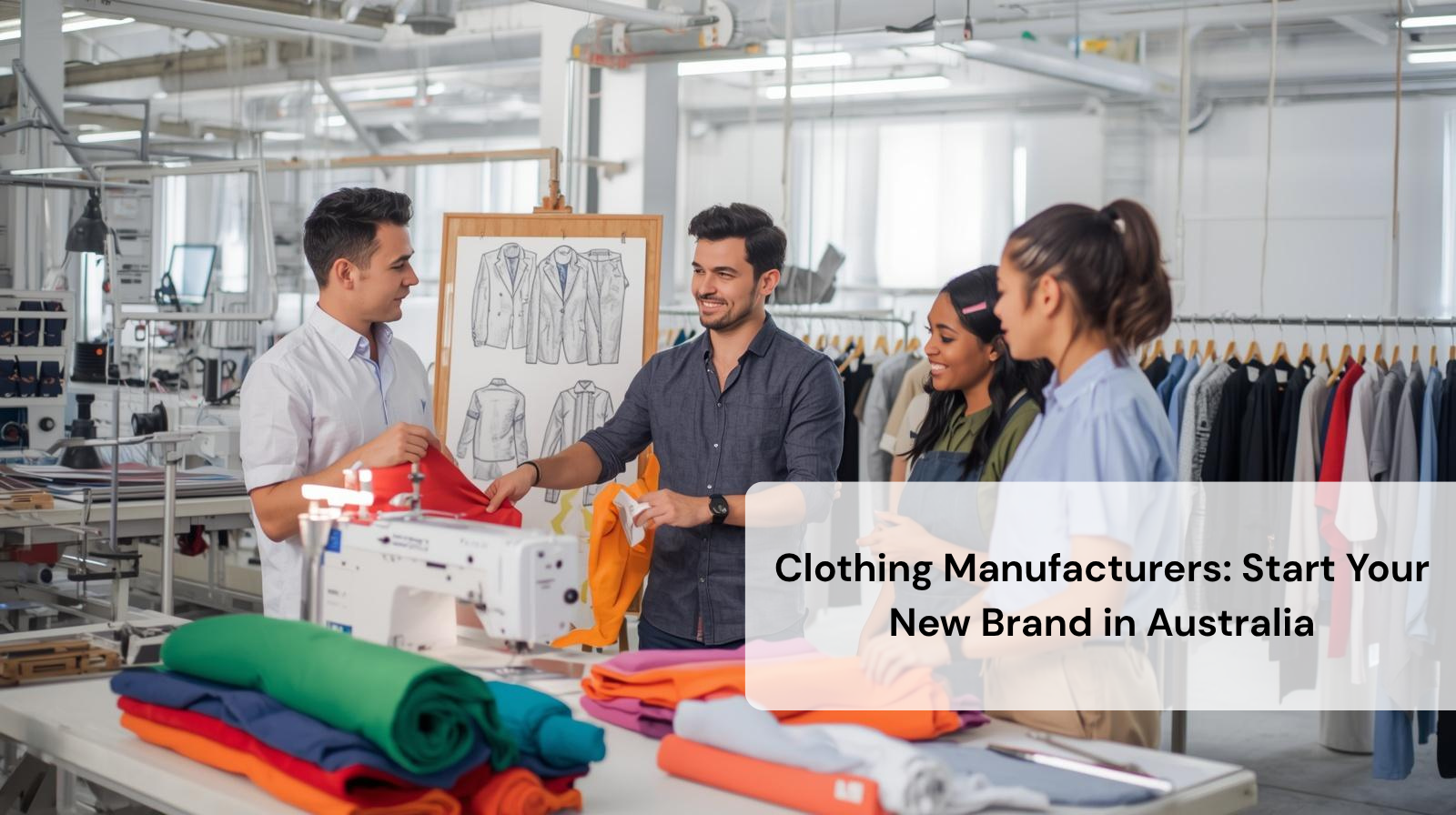
Starting a clothing brand in the clothing manufacturing industry in Australia is an exciting opportunity. The Australian fashion market is diverse, quality-focused, and open to fresh ideas. From streetwear and activewear to sustainable fashion, uniforms, kidswear, and premium casual clothing, new brands have many ways to enter the market and build a loyal customer base.
However, having a great design idea is only the beginning. To turn your concept into a successful clothing brand, you need the right planning, the right production process, and most importantly, the right clothing manufacturer. A reliable manufacturing partner can help you move from sketches and fabric ideas to professionally finished garments that are ready for sale.
At Minmaxst Textile, we understand how important this stage is for startups, boutique fashion labels, and growing apparel businesses. Whether you are launching your first collection or expanding an existing brand, choosing the right clothing manufacturer can make a major difference in your product quality, pricing, delivery time, and long-term success.
This guide explains how to start a new clothing brand in Australia, what to look for Clothing Manufacturers in Australia, and how Minmaxst Textile can support your fashion business from idea to production.
Why Australia Is a Strong Market for New Clothing Brands
Australia has a modern and active fashion industry. Consumers are style-conscious, practical, and increasingly interested in quality, comfort, ethical production, and sustainability. This creates strong opportunities for new clothing brands that understand their audience and offer something valuable.
Australian customers often look for clothing that suits their lifestyle. This includes breathable everyday wear, stylish resort clothing, activewear, workwear, swimwear, streetwear, and sustainable basics. The country’s climate, outdoor culture, and urban fashion scene all influence what people buy.
Another advantage is the growth of online shopping. New fashion brands no longer need a physical store to begin selling. With a professional website, strong branding, social media marketing, and reliable product quality, small clothing brands can reach customers across Australia and even internationally.
However, the market is also competitive. Many brands are trying to attract the same customers. This means your clothing must be well-designed, properly made, and clearly positioned. A professional manufacturer helps you create products that match your brand promise.
The Role of Clothing Manufacturers in Brand Success
Clothing manufacturers are more than production suppliers. They are key partners in your brand journey. A good manufacturer helps bring your designs to life while maintaining quality, consistency, and efficiency.
For new brands, manufacturing can feel complicated. You may need help with fabric selection, pattern development, sample making, sizing, stitching, printing, embroidery, labeling, packaging, and bulk production. Each step affects the final product.
If the manufacturer is inexperienced or unreliable, your brand may face problems such as poor stitching, wrong measurements, low-quality fabric, delayed delivery, inconsistent sizing, or unexpected costs. These issues can damage your reputation before your brand has the chance to grow.
On the other hand, the right clothing manufacturer helps you build confidence. They understand your design requirements, communicate clearly, follow your specifications, and produce garments that meet your expected quality standard.
That is why choosing a manufacturer should be one of the first serious decisions when starting a clothing brand in Australia.
Step 1: Define Your Clothing Brand Clearly
Before contacting a clothing manufacturer, you need to define your brand. Clear branding helps you make better decisions about design, fabric, pricing, and production.
Start by asking yourself what type of clothing you want to sell. Are you launching activewear, streetwear, luxury basics, women’s fashion, men’s apparel, children’s clothing, uniforms, modest fashion, or eco-friendly garments? Each category requires different fabrics, construction methods, and quality standards.
Next, identify your target customer. Are they young adults, professionals, athletes, parents, students, corporate teams, or fashion-conscious shoppers? Understanding your audience helps you create clothing that fits their lifestyle and budget.
You should also decide your brand position. Do you want to be affordable, premium, sustainable, minimalist, bold, trend-focused, or performance-based? Your manufacturer needs to understand this positioning to recommend suitable materials and production methods.
A clear brand direction saves time and reduces mistakes during sampling and manufacturing.
Step 2: Research Your Market in Australia
Market research is essential before production. Many new clothing brands fail because they create products without understanding what customers actually want.
Look at your competitors in Australia. Study their product styles, pricing, fabric choices, branding, website layout, customer reviews, and social media presence. This does not mean copying them. Instead, it helps you identify gaps and opportunities.
For example, you may notice that customers want better-quality basics, more inclusive sizing, sustainable fabrics, Australian-inspired designs, or more comfortable workwear. These insights can help you create a stronger product range.
You should also consider seasonal demand. Australia’s seasons are different from those of the Northern Hemisphere, so production planning matters. Summer collections, swimwear, resort wear, and lightweight fabrics may perform strongly during warmer months, while hoodies, jackets, knitwear, and layering pieces may suit cooler periods.
Good market research helps you launch with products that are more likely to sell.
Step 3: Create Strong Product Designs
Once your brand direction is clear, you can begin developing your clothing designs. Your designs do not need to be overly complicated, especially for your first collection. In many cases, a small, focused collection is better than launching too many products at once.
A new brand may start with five to ten strong pieces. This could include T-shirts, hoodies, joggers, leggings, dresses, shirts, shorts, or uniforms, depending on the niche.
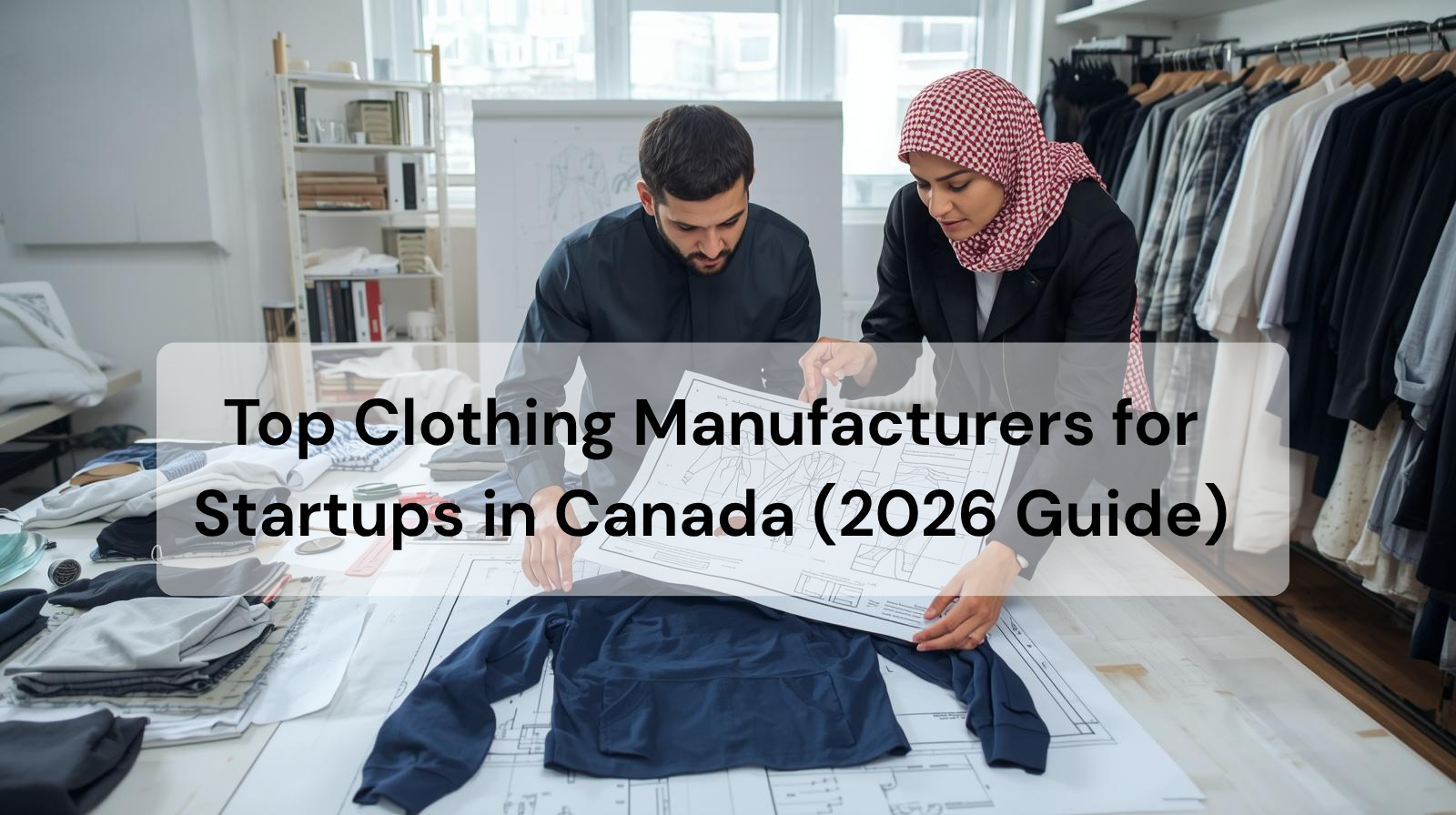
Your designs should include key details such as garment type, fit, fabric preferences, colors, trims, prints, embroidery, labels, and packaging ideas. If possible, prepare sketches, reference images, or a technical pack.
A technical pack, often called a tech pack, is a document that explains exactly how a garment should be made. It usually includes measurements, fabric details, stitching instructions, artwork placement, color codes, label details, and size-grading information.
Having a proper tech pack helps your clothing manufacturer clearly understand your expectations. It also reduces confusion during sampling and bulk production.
Step 4: Choose the Right Fabric
Fabric selection is one of the most important parts of clothing manufacturing. The same design can look and feel completely different depending on the fabric used.
For example, a T-shirt made from low-quality cotton may shrink, lose shape, or feel uncomfortable. A hoodie made from the wrong fleece may be too heavy, too thin, or unsuitable for the Australian climate. Activewear requires stretch, recovery, breathability, and durability.
When selecting fabric, consider comfort, durability, weight, texture, stretch, colorfastness, washing performance, and price. You should also think about your brand values. If sustainability is important to you, you may want to explore organic cotton, recycled polyester, bamboo blends, or other eco-conscious fabric options.
At Minmaxst Textile, we help brands select suitable fabrics for their product category, target market, and budget. The goal is to balance quality, performance, and cost so your garments meet customer expectations.
Step 5: Develop Samples Before Bulk Production
Sampling is a critical step for every clothing brand. A sample allows you to check the garment before committing to full production.
During sampling, you can review the fit, measurements, stitching, fabric, color, print quality, trims, and overall appearance. This is your opportunity to make changes and improve the product.
Many new brands are tempted to skip sampling to save money, but this is risky. Bulk production without an approved sample can lead to costly mistakes. If something is wrong, you may end up with hundreds or thousands of garments that cannot be sold.
A professional clothing manufacturer will guide you through the sampling process and help you refine your design. Sometimes one sample is enough, but in many cases, two or three rounds may be needed to perfect the product.
Once the final sample is approved, it becomes the standard for bulk production.
Step 6: Understand Minimum Order Quantity
Minimum order quantity, also known as MOQ, is the smallest number of pieces a manufacturer is willing to produce for a particular order. MOQ can vary depending on the garment type, fabric, color, design complexity, printing and embroidery, and factory capacity.
For startups, MOQ is an important factor. Ordering too many pieces can create financial pressure, especially if you are still testing the market. Ordering too few pieces may increase the cost per garment.
Before starting production, ask your manufacturer clearly about the MOQ. You should also ask whether the MOQ applies per design, per color, or per size.
A reliable manufacturer will explain your options and help you choose a practical production quantity. For a new Australian clothing brand, it is often better to start with a manageable order, test customer response, and then reorder based on demand.
Step 7: Calculate Your Pricing Properly
Pricing is one of the biggest challenges for new clothing brands. You need to set prices that attract customers while also covering your costs and leaving enough profit.
Your total product cost may include design, sampling, fabric, trims, manufacturing, printing, embroidery, labels, packaging, shipping, customs, marketing, website fees, photography, and business overheads.
Once you know your full cost, you can calculate wholesale and retail pricing. Many fashion brands use a markup model, but your pricing should also take into account your target market and competitors’ prices.
Do not compete solely on price. Australian customers often appreciate quality, comfort, ethical values, and good branding. If your garments are well-made and your brand story is strong, you can position your products with confidence.
A good clothing manufacturer can help you understand production costs clearly so you can price your products more accurately.
Step 8: Focus on Quality Control
Quality control is essential in clothing manufacturing. Even small defects can affect customer satisfaction and brand reputation.
Quality control should include checking fabric quality, measurements, stitching, seams, buttons, zippers, prints, embroidery, labels, packaging, and final finishing. Garments should match the approved sample and size specifications.
For Australian brands, quality is especially important because customers have many options. If your first customers receive poorly made products, they may not buy again or recommend your brand.
Working with an experienced manufacturer reduces this risk. At Minmaxst Textile, we focus on consistent production standards so brands can deliver reliable quality to their customers.
Step 9: Build a Strong Brand Identity
Manufacturing creates the product, but branding creates the emotional connection. Your brand identity helps customers remember you and understand why they should buy from you.
Your brand identity includes your name, logo, colors, tone of voice, packaging, website, photography, social media content, and overall message. It should feel consistent across every customer touchpoint.
For example, if your clothing brand is focused on sustainability, your packaging, product descriptions, and marketing should reflect that. If your brand is premium, your fabric, photography, and customer experience should feel refined. If your brand is streetwear, your visuals and messaging should feel bold and culturally relevant.
Your clothing labels, hang tags, care labels, and packaging are also part of your brand identity. They make your garments feel professional and retail-ready.
Step 10: Plan Your Launch Strategy
A successful launch requires planning. You should not wait until your products arrive to start marketing. Begin building your audience early.
Create social media profiles for your brand and share behind-the-scenes content, design inspiration, fabric selection, sample previews, and your brand story. Build an email list before launch, so interested customers can be notified when products become available.
Professional product photography is also important. Customers want to see how garments fit, how the fabric looks, and how the clothing can be styled. Use clear images, lifestyle photos, and detailed product shots.
Your website should be easy to navigate and mobile-friendly. Product pages should include size charts, fabric details, care instructions, shipping information, and return policies.
A strong launch strategy can help you generate early sales and build momentum.
Local vs Overseas Clothing Manufacturers
One common question for Australian clothing startups is whether to choose a local manufacturer or an overseas manufacturer. Both options have advantages.
Local Australian manufacturing may offer easier communication, faster sampling, and the ability to promote locally made products. However, production costs can be higher, and some categories may have limited capacity.
Overseas manufacturing can offer competitive pricing, broader fabric options, and larger production capacity. This can be useful for brands that want to scale. However, it is important to work with a trusted overseas manufacturer that understands quality control, communication, export requirements, and timelines.
For many Australian brands, working with an experienced international clothing manufacturer is a practical option. The key is choosing a partner who communicates clearly, provides samples, adheres to specifications, and maintains quality standards.
Minmaxst Textile supports brands that want reliable garment production with professional service, flexible solutions, and quality-focused manufacturing.
What to Look for in a Clothing Manufacturer
Choosing the right clothing manufacturer is one of the most important decisions you will make. Before placing an order, look for a manufacturer that has experience in your product category.
A good manufacturer should be able to explain the production process clearly. They should ask questions about your design, fabric, sizing, quantity, branding, and deadline. This shows they care about understanding your project properly.
You should also check whether they offer sample development, fabric sourcing, custom labels, printing, embroidery, packaging, and quality control. These services can make the process easier, especially for new brands.
Communication is another major factor. Your manufacturer should respond professionally, provide clear information, and update you during the process. Poor communication can lead to mistakes and delays.
Finally, make sure the manufacturer can support your growth. You may start with a small collection, but as your brand grows, you will need a partner who can handle repeat orders and larger production runs.
Common Mistakes New Clothing Brands Should Avoid
Many new clothing brands make similar mistakes when starting. One common mistake is launching too many products at once. A large collection can increase costs and make inventory harder to manage. It is often better to start small and focus on your best designs.
Another mistake is choosing the cheapest manufacturer without checking the quality. Low production costs may seem attractive, but poor-quality garments can damage your brand and lead to returns.
Some startups also ignore the importance of fit. Even if the design looks good, customers will not be satisfied if the sizing is inconsistent or uncomfortable.
Skipping samples is another serious mistake. Always approve samples before bulk production.
Poor planning can also cause delays. Fabric sourcing, sampling, production, shipping, and customs can all take time. Start early and give yourself enough room before your planned launch date.
By avoiding these mistakes, you can build your brand on a stronger foundation.
Sustainability and Ethical Manufacturing
Sustainability is becoming increasingly important in the Australian fashion industry. Many customers now want to know where their clothes come from, what materials are used, and whether the production process is responsible.
A new clothing brand can build trust by making thoughtful choices. This may include using better-quality fabrics, reducing waste, producing in realistic quantities, choosing recyclable packaging, and working with responsible manufacturers.
Sustainability does not always mean doing everything perfectly from day one. For many startups, it means making better decisions step by step. You can begin with durable garments, clear care instructions, and responsible production planning.
Ethical manufacturing also matters. Brands should aim to work with manufacturers that value fair processes, safe working conditions, and professional standards.
Minmaxst Textile understands the growing demand for responsible clothing production and supports brands looking for quality and long-term value.
Why Work With Minmaxst Textile?
Minmaxst Textile is a professional clothing manufacturing partner for brands that want quality, reliability, and clear communication. We support startups, fashion entrepreneurs, boutique labels, and growing apparel companies that want to create custom garments for the Australian market.
Our services can support various stages of your clothing brand journey, including fabric sourcing, sample development, custom garment manufacturing, private-label production, printing, embroidery, labeling, packaging, and bulk production.
We understand that every brand is different. Some clients come with complete tech packs, while others need guidance to develop their ideas. Our goal is to make the manufacturing process easier, clearer, and more efficient.
For new Australian clothing brands, Minmaxst Textile can help transform your ideas into high-quality garments that are ready for market. Whether you are creating casualwear, activewear, streetwear, uniforms, or fashion apparel, we can work with you to develop products that match your brand vision.
How to Start Your Clothing Brand With Minmaxst Textile
Starting with Minmaxst Textile is simple. First, prepare your design idea, reference images, sketches, tech pack, or product details. If you do not have a complete tech pack, you can still contact us with your concept.
Next, share your preferred fabric, color, size range, quantity, logo placement, label requirements, and packaging ideas. Our team can review your requirements and guide you through the next steps.
After that, we can move into sampling. Once the sample is approved, bulk production can begin. During production, we focus on quality, consistency, and meeting agreed specifications.
This structured process helps reduce confusion and gives your brand a professional production experience.
Final Thoughts
Starting a new clothing brand in Australia is a powerful opportunity, but success requires more than creativity. You need clear planning, strong product development, quality materials, reliable manufacturing, and a brand identity that connects with your target customers.
The right clothing manufacturer can help you avoid costly mistakes and create garments that represent your brand professionally. From concept and sampling to full production and packaging, every step matters.
If you are ready to launch your clothing brand in Australia, Minmaxst Textile is here to support your journey. With professional garment manufacturing services, quality-focused production, and experience working with custom apparel, we can help turn your fashion ideas into market-ready clothing.
Your brand starts with an idea. With the right manufacturing partner, that idea can become a successful clothing business.