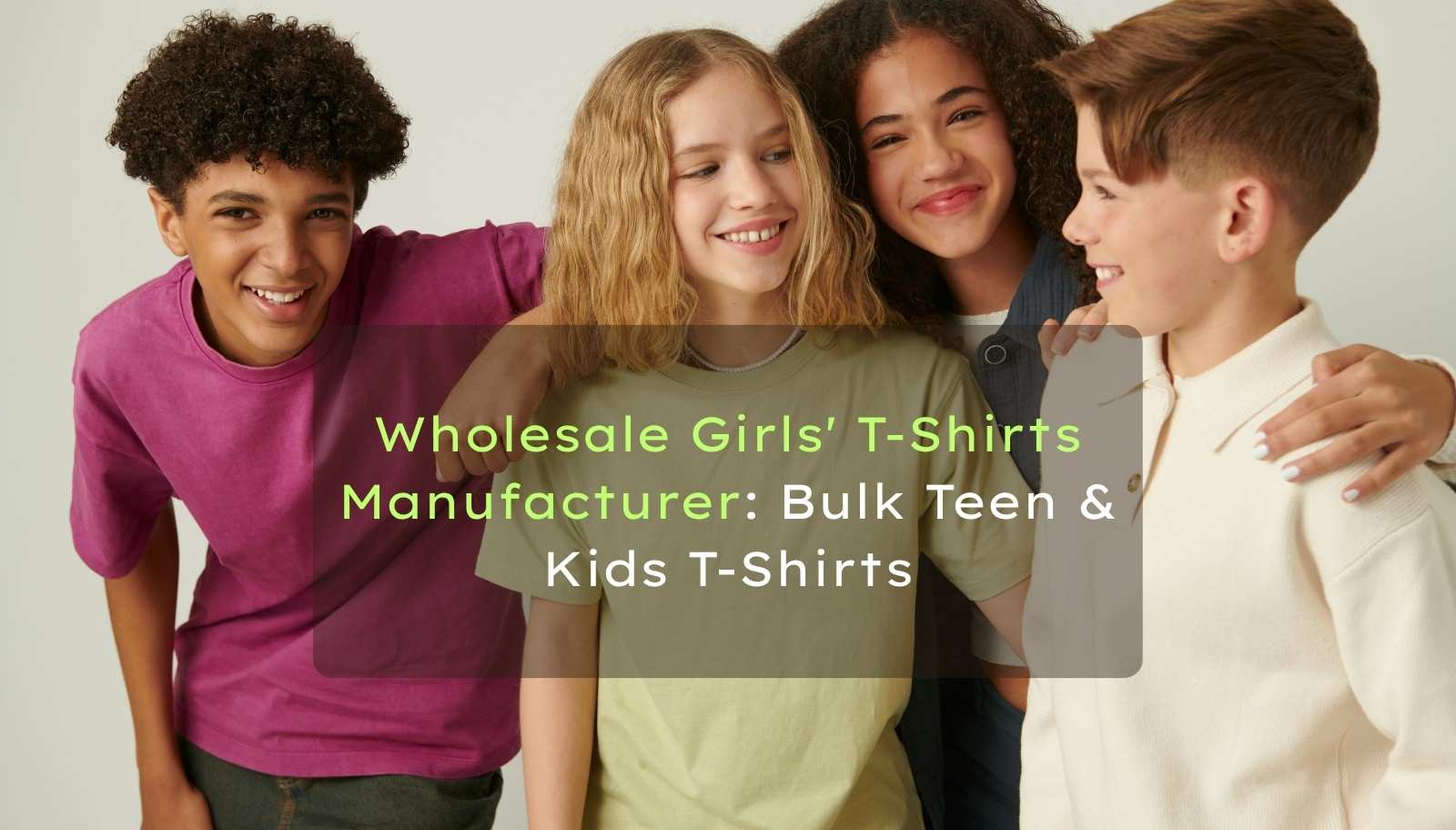
Finding a reliable wholesale girls’ t-shirts manufacturer means balancing price, quality, compliance, and minimum order quantities. The US children’s apparel market exceeds $41 billion annually, and demand for both blank basics and trendy custom designs continues to grow. This guide covers everything from fabric selection and CPSIA safety requirements to vetting suppliers like Minmax Textile and comparing domestic versus overseas production, helping boutiques, online sellers, and promotional product companies make informed sourcing decisions in 2026.
The United States children’s wear market is massive, currently valued at approximately $41.82 billion in 2025 and projected to reach $45.04 billion by 2032. If you are a boutique owner in Austin, Texas, an online reseller based in Manchester, UK, or a screen printer serving clients across Toronto, Canada, you understand that sourcing the right wholesale girls’ t-shirts is the foundation of your business. Whether you need a hundred blank tees for a local summer camp fundraiser or several thousand custom-printed shirts for a nationwide retail launch, navigating the wholesale landscape can feel overwhelming.
I have spent years working with apparel businesses of all sizes, and I can tell you firsthand that the difference between a profitable season and a warehouse full of dead stock often comes down to one decision: choosing the right manufacturing partner. This guide will walk you through everything from understanding market trends and fabric weights to navigating US safety regulations and comparing suppliers like Minmax Textile. Let’s get you stocked with the perfect tees.
Understanding the Girls’ T-Shirt Market: Size, Fit, and Fabric
Before you place a single order, you need to understand what you are actually buying. This goes far beyond simply picking “small, medium, large” off a spec sheet.
US Youth Sizing: It’s More Complicated Than You Think
One of the most common mistakes I see new wholesalers make is ordering the wrong size run. Unlike adult shirts, where a “medium” is fairly standardized, girls’ sizing (especially in the tween and teen market) varies widely between brands and manufacturers. You cannot simply assume a Youth Small equals a Women’s Small.
Generally, girls’ t-shirt sizing in the USA follows this rough guideline:
- Youth XS (4-5): Height 40-45 inches, Chest 22-24 inches
- Youth S (6-7): Height 45-51 inches, Chest 24-26 inches
- Youth M (8-10): Height 51-54 inches, Chest 27-29 inches
- Youth L (12-14): Height 54-57 inches, Chest 29-31 inches
- Youth XL (16): Height 57-60 inches, Chest 31-33 inches
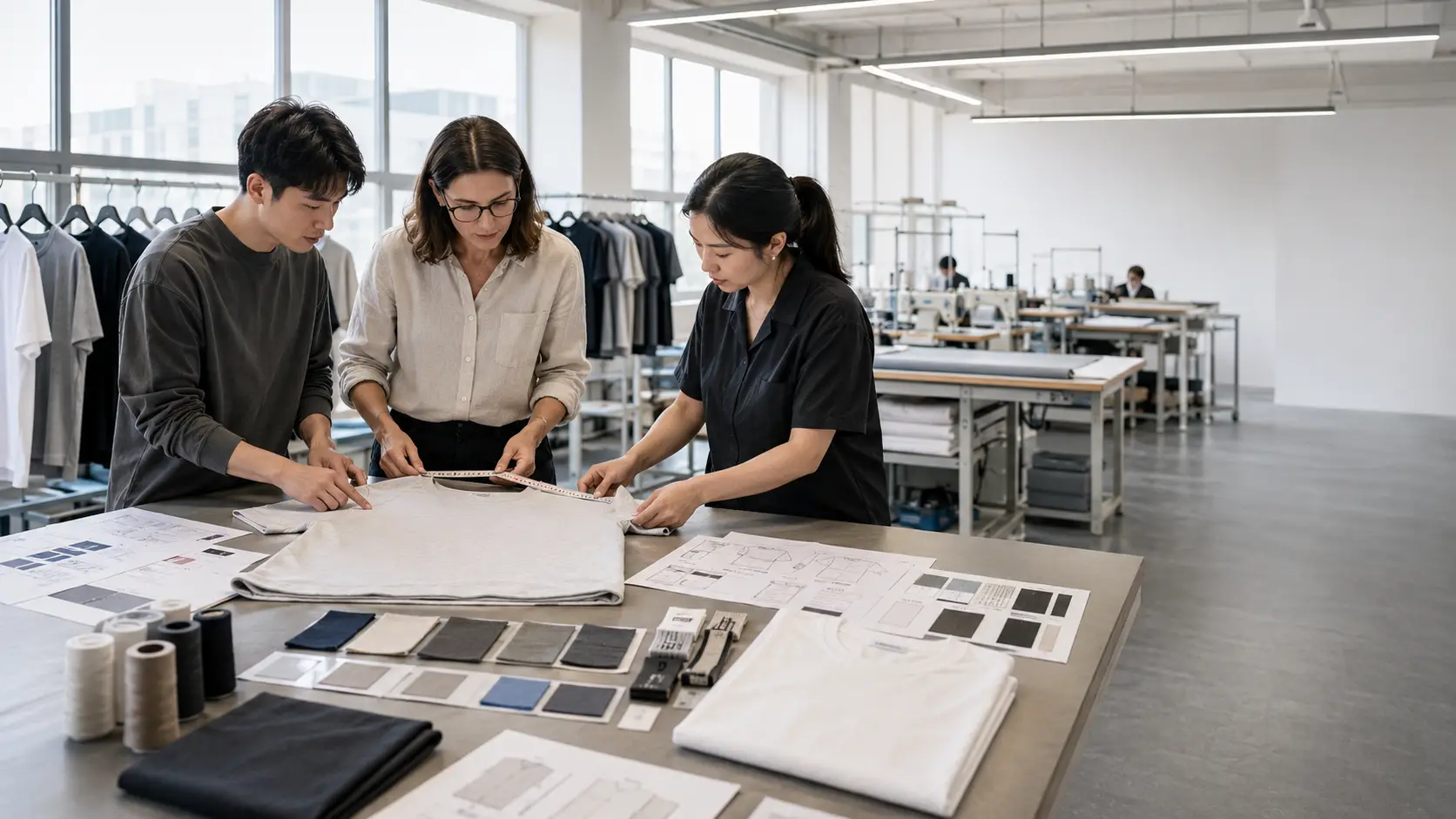
Always request a detailed size chart from your manufacturer before finalizing a bulk order. A reputable wholesale girls’ t-shirts manufacturer will provide exact measurements for chest width, body length, and sleeve length. If you are selling online, include this chart on your product page. It will drastically reduce your return rate. I once had a client in Seattle who lost nearly $2,000 in return shipping fees because they assumed a “Youth Large” from an overseas supplier matched a “US 12” from their previous domestic vendor. The shirts ran two sizes small, and the negative reviews were brutal.
Fabric Fundamentals: Cotton, Polyester, and Everything In Between
The fabric you choose directly impacts comfort, print quality, and price point. Here is the breakdown for wholesale girls’ t-shirts in 2026:
- 100% Cotton (Combed and Ring-Spun): This is the gold standard for softness and breathability. It is ideal for sensitive skin, which is a huge selling point for parents buying kids’ clothing. However, 100% cotton is prone to shrinkage (expect 3-5% after the first wash) and wrinkles. Ring-spun cotton offers a smoother, stronger surface, making it excellent for screen printing detailed designs. Most high-quality blank girls’ tees from manufacturers like Minmax Textile are made from ring-spun cotton.
- Cotton-Polyester Blends (CVC): A blend like 60% Cotton / 40% Polyester is incredibly popular for wholesale orders. You get the softness of cotton with the durability and wrinkle resistance of polyester. These blends hold shape better after washing and are less expensive than 100% organic cotton. They are the workhorse of the promotional product industry and school spirit wear across cities like Chicago, Illinois, and Dallas, Texas.
- Tri-Blends (Cotton/Poly/Rayon): These are the super-soft, vintage-feel shirts you see in trendy boutiques. They drape beautifully and feel broken-in from day one. They are a bit more expensive but command a higher retail price. Teens in Los Angeles, California, and New York City love this fit.
- Performance/Moisture-Wicking: If you are supplying to sports teams, dance studios, or summer camps in hot climates like Phoenix, Arizona, or Miami, Florida, you need polyester performance fabrics. These shirts wick sweat away from the body and dry incredibly fast.
- Organic Cotton: The demand for sustainable kids’ clothing is not a fad; it is a permanent shift in consumer behavior. Sourcing wholesale organic cotton girls’ t-shirts can set your brand apart. Look for GOTS (Global Organic Textile Standard) certification if you want to legally claim “organic” in your marketing. This is a strong trust signal for eco-conscious moms in Portland, Oregon, and Boulder, Colorado.
Sourcing Strategies: Where to Find a Reliable Wholesale Girls’ T-Shirts Manufacturer
Finding a supplier “near you in the USA” or one that ships seamlessly to Canada and the UK is a matter of knowing where to look and what questions to ask.
Domestic vs. Overseas Manufacturing: A Cost-Benefit Analysis
You will face this decision early on. Do you buy American-made blanks or import from Asia?
Made in USA Manufacturers:
- Pros: Faster shipping (no port delays), easier communication (same time zone), higher perceived quality, compliance with Berry Amendment (important for government contracts), and support for local economies like those in North Carolina or California. You can find US-based cut-and-sew studios in hubs such as the Los Angeles Fashion District or New York’s Garment District.
- Cons: Higher cost per unit. A basic blank t-shirt manufactured in the USA will cost significantly more wholesale than one imported from Bangladesh or Vietnam.
Overseas Manufacturers (e.g., Minmax Textile in Bangladesh):
- Pros: Significant cost savings. Bulk pricing can drop to $2.30 per shirt for orders of 1,000 units or more. Companies like Minmax Textile specialize in supplying the USA, UK, Canada, and Europe and offer a wide range of fabrics, including premium Pima cotton. They have over 10 years of experience and manufacturing bases in Bangladesh, Vietnam, and China.
- Cons: Longer lead times (often 6-12 weeks by sea freight), complex customs clearance, and the need for rigorous quality control. You must ensure they are compliant with US CPSIA standards (more on that below).
How to Vet a Supplier (Even from Thousands of Miles Away)
When searching for a “wholesale girls’ t-shirts manufacturer near me,” you might find local distributors who stock imported blanks. That is a valid option. But if you go directly to the factory, follow this checklist:
- Check Business Registration: For US suppliers, verify their registration via your state’s Secretary of State website.
- Ask for References: A reputable manufacturer will gladly connect you with current clients.
- Order Samples (Non-Negotiable): Never buy 500 shirts without holding one in your hand first. Pay for a sample pack. Wash it. Wear it. See how it holds up. Minmax Textile and similar suppliers offer samples at cost.
- Verify Compliance: Ask for their CPSIA certification documents. If they cannot produce them, walk away.
Design Trends: What Girls and Teens Actually Want to Wear in 2026
You can buy the highest-quality blank shirt in the world, but if the design is off-trend, it will gather dust. Fast-moving trends on TikTok and Instagram drive the wholesale girls’ t-shirt market.
Top Trends for 2026
- Y2K and Nostalgic Graphics: It is not just about logos. It is about specific cultural moments. Vintage band tees, retro movie posters (think Clueless or The Exorcist nods), and old-school video game references are huge right now. For younger kids, think cute, colorful retro animals.
- Country and Western Aesthetic: This trend exploded in 2025 and shows no signs of slowing down. Distressed prints, cowboy boot graphics, and western-inspired typography resonate strongly across the US, particularly in Southern states like Tennessee and Georgia.
- Waffle Knit and Textured Fabrics: For fall and winter 2026, the silhouette is shifting toward slightly heavier, textured fabrics. Waffle knit long-sleeve tees are a great alternative to standard jersey for the back-to-school season.
- Statement and Humor Tees: Teens want shirts that start conversations. Sarcastic phrases, witty observations about social media, or funny animal memes printed on a soft, relaxed-fit tee are evergreen sellers.
The Legal Side: Navigating CPSIA and US Import Regulations
This is the section most new wholesalers skip, and it is the one that can get you fined or have your shipment seized by US Customs. If you are selling products intended for children 12 years old and younger, you must comply with the Consumer Product Safety Improvement Act (CPSIA).
Key CPSIA Requirements for 2026
- Tracking Labels: Every garment must have a permanent, legible label that includes the manufacturer’s name, production date (month/year), and a batch or lot code. This allows for effective recalls if a safety issue is discovered.
- Third-Party Testing: Garments must be tested for lead content and phthalates by a CPSC-accredited laboratory. You must have a Children’s Product Certificate (CPC) on file.
- Flammability: Fabric must meet flammability standards under 16 CFR Part 1610.
If you are sourcing from an overseas manufacturer like Minmax Textile, you need to confirm in writing that they provide compliant goods and that you receive the necessary test reports. As the importer of record, you are legally responsible for compliance, not the factory.
Pricing and MOQ: Making the Numbers Work
Understanding the cost structure helps you negotiate better deals.
Bulk Wholesale Pricing Tiers (Approximate 2026):
- Basic Cotton Tee (100-500 units): $5.00 – $9.00 per shirt
- Basic Cotton Tee (1,000-5,000 units): $2.80 – $5.00 per shirt
- Premium Ring-Spun/Tri-Blend (500+ units): $6.00 – $12.00 per shirt
- Performance/Activewear (500+ units): $4.50 – $8.00 per shirt
Minimum Order Quantities (MOQ):
Many US-based distributors now offer “low MOQ” or “no minimum” options, but the per-unit price is much higher. If you are buying 50 pieces, expect to pay near-retail prices. The real wholesale price breaks happen at 500+ units. Manufacturers like Minmax Textile typically offer tiered pricing for 100+, 300+, and 500+ units, with significant discounts at higher volumes.
Wholesale for the UK, Canada, France, and Germany
While this guide focuses heavily on US compliance, the search for a “wholesale girls’ t-shirts manufacturer” is global. The marketplaces servicing the UK, Canada, France, and Germany are robust.
- UK & Europe: Platforms like CREOATE connect retailers with independent brands across the UK and Europe. When shipping to Europe, be aware of VAT (Value Added Tax) implications and the need for OEKO-TEX Standard 100 certification (for harmful substances), which retailers in Germany and France often require.
- Canada: Many Canadian retailers source from the same US distributors. However, be mindful of duties under the USMCA (United States-Mexico-Canada Agreement). Ordering from a manufacturer that ships DDP (Delivered Duty Paid) simplifies the process significantly.
- Minmax Textile Coverage: One advantage of working with a larger international supplier like Minmax Textile is that they are already set up to ship and comply with regulations in the USA, UK, Canada, and Europe, taking the headache out of international logistics.
Building Your Brand with Customization
Once you have found a reliable wholesale girls’ t-shirt manufacturer, the next step is to add your unique touch. Customization is where the profit margin really lives.
Printing and Embroidery Options
- Screen Printing: Best for bulk orders of the same design. Cost-effective but requires separate screens for each color.
- Direct to Garment (DTG): Best for small runs, sample packs, or designs with many colors (like photographs). No setup fees, but the per-unit cost is higher.
- Embroidery: Adds a premium, durable finish. Perfect for school logos or boutique branding in towns like Greenwich, Connecticut, or Beverly Hills, California.
Many wholesale manufacturers now offer “cut and sew” services, where you can specify a completely custom shape or add a unique woven label. This is the ultimate way to separate your girls’ clothing line from the mass-market competition on Amazon.
Frequently Asked Questions (FAQ)
Q: What is the cheapest way to buy girls’ t-shirts wholesale?
A: Ordering in high volume (1,000+ units) from an overseas manufacturer like those in Bangladesh or Vietnam yields the lowest per-unit cost. However, factor in shipping, duties, and storage fees to calculate your true “landed cost.”
Q: Do I need a business license to buy wholesale girls’ t-shirts?
A: Yes, most reputable wholesale girls’ t-shirt manufacturers in the USA and abroad will require you to provide a valid Tax ID (EIN) or Resale Certificate to prove you are a business buying for resale purposes.
Q: What does CPSIA-compliant mean for a t-shirt?
A: It means a third-party lab has tested the t-shirt to ensure it contains safe levels of lead and phthalates, meets flammability standards, and has a permanent tracking label with manufacturer details, production date, and batch number.
Q: What fabric is best for girls with sensitive skin?
A: 100% GOTS-certified organic cotton or 100% combed ring-spun cotton. These fabrics are soft, breathable, and free from harsh chemical finishes that can irritate.
Q: How long does it take to receive a wholesale order from overseas?
A: Production typically takes 3-4 weeks. Sea freight to the USA or UK can take an additional 4-8 weeks, depending on port congestion. Plan for a total lead time of at least 10-12 weeks for international orders.
Conclusion
Sourcing wholesale girls’ t-shirts in 2026 is a multi-faceted process that requires more than just a quick Google search. It requires an understanding of the US children’s wear market (a $41 billion industry), the nuances of youth sizing, the legal landscape of CPSIA compliance, and the aesthetic demands of Gen Z and Gen Alpha consumers.
Whether you are a small shop owner searching for a “wholesale girls’ t-shirts manufacturer near me in the USA” or a large e-commerce brand looking to partner with an established factory like Minmax Textile for international production, the key is due diligence. Order samples, verify certifications, and compare total landed costs.
The perfect wholesale partnership is out there. By applying the strategies and insights from this guide, you can stock your shelves with high-quality, on-trend tees that fly off the racks and keep your customers coming back season after season.