A professional long-sleeve pajamas supplier specializes in bulk manufacturing of sleepwear, offering services such as private labeling, custom sizing, and material sourcing. For brands in the USA and Europe, the best supplier combines competitive pricing with strict compliance with safety regulations and offers fabrics such as organic cotton or bamboo to meet current market trends.
Introduction: The Search for the Perfect Pajama Partner
We have all been there. You are scrolling through social media and see a boutique owner from Austin, Texas, launching a line of cloud-soft sleepwear that sells out in hours. Or perhaps you hear a fashion podcast featuring a brand from Manchester, UK, that built a six-figure business by solving the problem of “scratchy seams” in children’s nightwear.
That could be you. But between the dream and the first shipment of cozy pajamas lies one critical decision: finding the right long-sleeve pajamas supplier.
I remember chatting with a client in California who spent three months ordering samples from Alibaba, only to find the fabrics were nothing like the descriptions. It was frustrating. She almost gave up. But once she learned what to look for—from safety certifications to minimum order quantities—the whole process clicked.
Whether you are a small business owner in Canada, a growing brand in Germany, or a boutique chain in France, this guide will walk you through exactly how to find, vet, and partner with a supplier who will make your sleepwear dreams come true.
The Growing Market for Quality Sleepwear
Right now, we are living in the golden age of “homebody” fashion. The lines between public wear and home wear are blurrier than ever. According to recent industry analysis, the global pajamas market was valued at approximately USD 20 billion in 2024 and is expected to reach nearly USD 29.09 billion by 2031, growing at a steady rate of over 5% annually.
In the United States specifically, retailers are seeing a massive demand not just for comfort, but for style. Shoppers are treating pajamas like an extension of their daytime wardrobe. In Germany and France, the focus tends to shift toward sustainable, high-quality natural fibers. North America currently holds the largest share of this market, contributing around 40% of global revenue. This means there is a huge, profitable opportunity for entrepreneurs who can supply a product that is comfortable, stylish, and reliable.
Why “Long Sleeve” Pajamas Are a Best-Seller
Before we dig into the supplier selection process, let us talk about the product itself. Why focus specifically on long sleeves?
For retailers in places like New York, London, Toronto, or Paris, the weather dictates seasonal trends. Long-sleeve pajamas are the ultimate transitional item. They offer the breathability of short sleeves during an unpredictable spring while providing the necessary warmth for those freezing winter nights.
Furthermore, consumers view long-sleeve pajama sets as a “value” purchase. They feel substantial. Whether it is the classic button-down shirt paired with pants or a trendy long-sleeve pullover, this category consistently ranks highest in customer satisfaction for loungewear.
What to Look for in a “Long Sleeve Pajamas Supplier”
Not all manufacturers are created equal. When you type “long sleeve pajamas supplier” into a search engine, you are going to get thousands of results. To save you time and money, I have broken down the essential qualities you must screen for.
1. Minimum Order Quantity (MOQ)
This is usually the first question a new brand asks. MOQs vary wildly. If you are a boutique owner in Chicago just starting, you likely do not want to order 5,000 units of a single design. Look for suppliers that offer low MOQs, sometimes as low as 100 pieces per style, so that you can test the market without cash flow risk.
2. Fabric Quality and Material Innovation
The “hand feel” of a garment is what sells sleepwear. You can have the best marketing in the world, but if the pajamas feel itchy or cheap, you will end up with returns.
Today’s shoppers are savvy. They want to know what they are putting next to their skin. For the USA and European markets, cotton remains king. Specifically, long staple cotton and organic cotton are highly sought after for their durability and softness. Additionally, bamboo viscose has become a staple for luxury loungewear brands due to its moisture-wicking and hypoallergenic properties.
3. Compliance and Safety Certifications
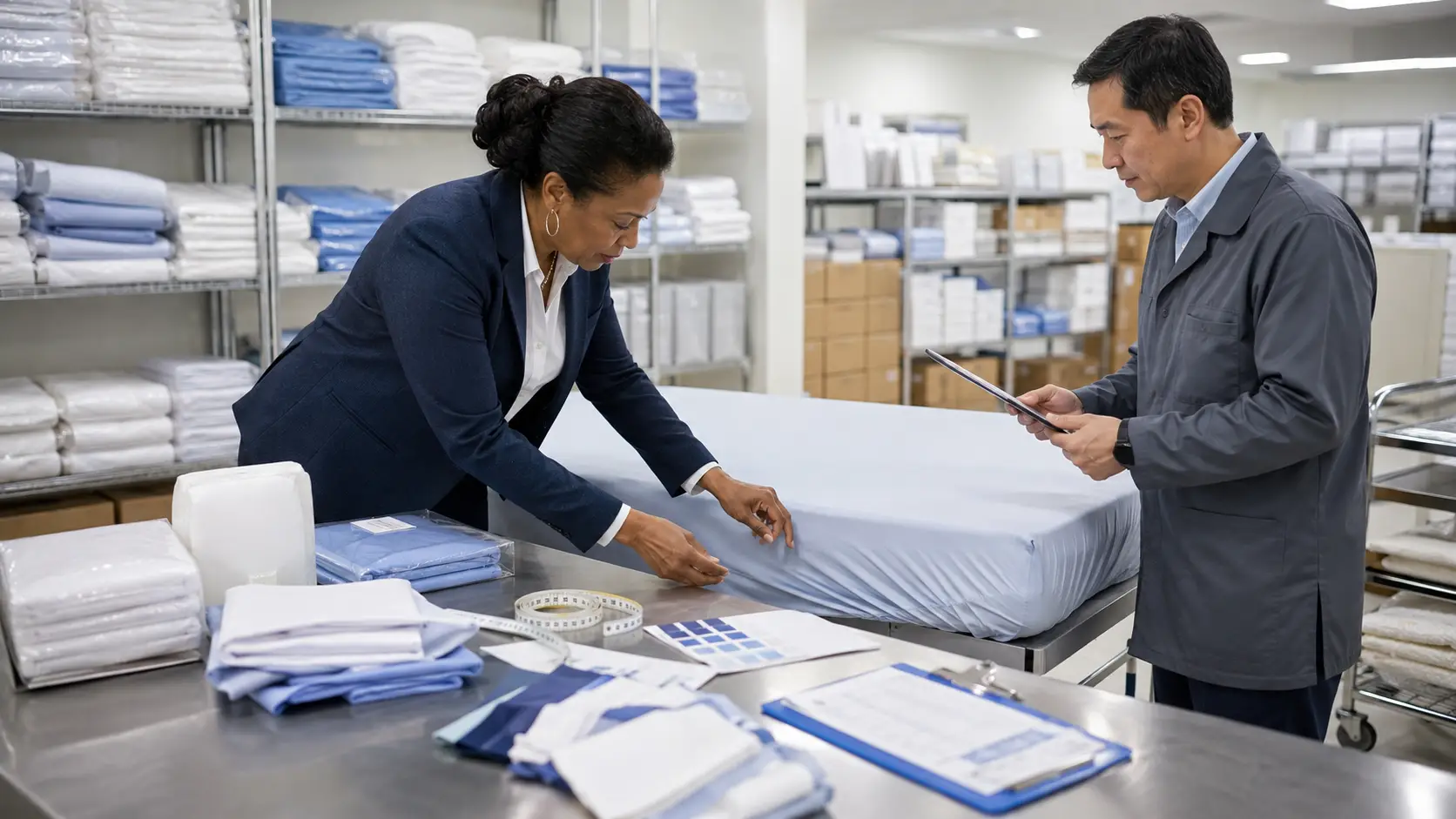
This is where many new importers stumble. If you plan to sell kids’ pajamas in the United States, you must comply with the Consumer Product Safety Commission (CPSC) regulations. Specifically, children’s sleepwear must be flame-resistant or fit snugly to meet the 16 CFR Parts 1615 and 1616 standards.
Similarly, if you are shipping to Europe, you need to ensure your supplier is aware of OEKO-TEX and REACH regulations. Ask your potential manufacturing partner if they have experience shipping to your target country. If they look confused when you mention “CPSIA,” walk away.
4. Customization vs. Wholesale Buying
Are you looking for a private label supplier? Or do you need ready-made stock for your store shelves?
- Private Label (OEM/ODM): You provide the designs, logos, and specs. This usually requires higher MOQs but yields a unique brand.
- Wholesale (Ready-Made): You pick from the manufacturer’s existing catalog. This is faster and cheaper, but your product will look like everyone else’s.
Minmax Textile specializes in bridging this gap, offering flexibility for brands that want high-quality custom long-sleeve pajamas without the massive MOQs of legacy factories. With over a decade of experience manufacturing for global brands, Minmax Textile understands the balance between craftsmanship and commercial viability.
Local Sourcing vs. International Sourcing: USA, UK, Canada, France, Germany
One of the biggest decisions you face is whether to source domestically or internationally. There is no right answer, but there are distinct trade-offs.
Sourcing in the USA and Canada
Sourcing “Made in USA” or “Made in Canada” items offers a significant marketing advantage. Consumers are often willing to pay a premium for domestic production. You also have shorter shipping times and easier communication.
If you want to shop locally, do not miss the LA Fashion District. Spanning over 100 blocks in Los Angeles, it is the epicenter of West Coast wholesale clothing, housing hundreds of suppliers. Similarly, New York’s garment district and showrooms in Atlanta and Dallas are excellent places to find competitive long-sleeve pajama suppliers who understand local sizing and print trends. For personalized direct purchasing, check out platforms like FashionGo or attend local trade shows.
Sourcing in the UK and Europe
If your target audience is in London, Paris, or Berlin, you might look to suppliers in Turkey, Portugal, or the UK. However, production costs in Western Europe are significantly higher than in Asia. Many successful European brands opt for Asian suppliers (such as those based in Bangladesh or China) that have dedicated compliance teams for European regulations.
Sourcing from Asia (Bangladesh, China, Vietnam)
This is the engine of the global textile industry. Regions like Bangladesh are home to expert textile hubs. Minmax Textile, for example, operates manufacturing bases in Bangladesh, Vietnam, and China, enabling it to leverage the cost efficiency of these regions while maintaining the quality standards required by Western buyers. The key to success here is vetting. You need to ensure they have experience with your specific fabric types, such as interlock cotton or brushed fleece.
Step-by-Step Guide to Ordering Your First Pajama Collection
You have a shortlist of suppliers. Now what? Here is a simple roadmap to go from “Maybe” to “Paid Invoice.”
Step 1: Pre-Production Sampling
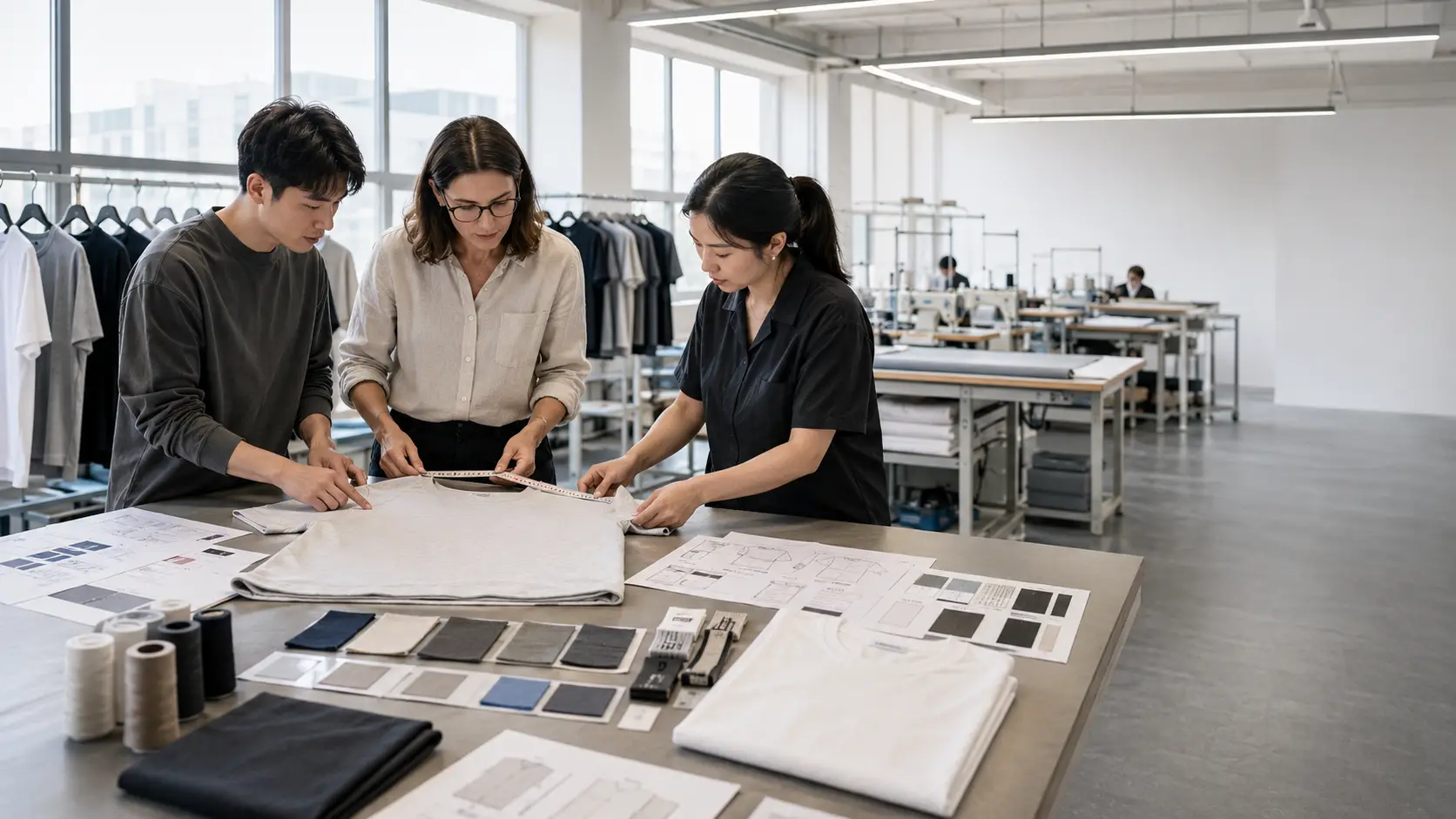
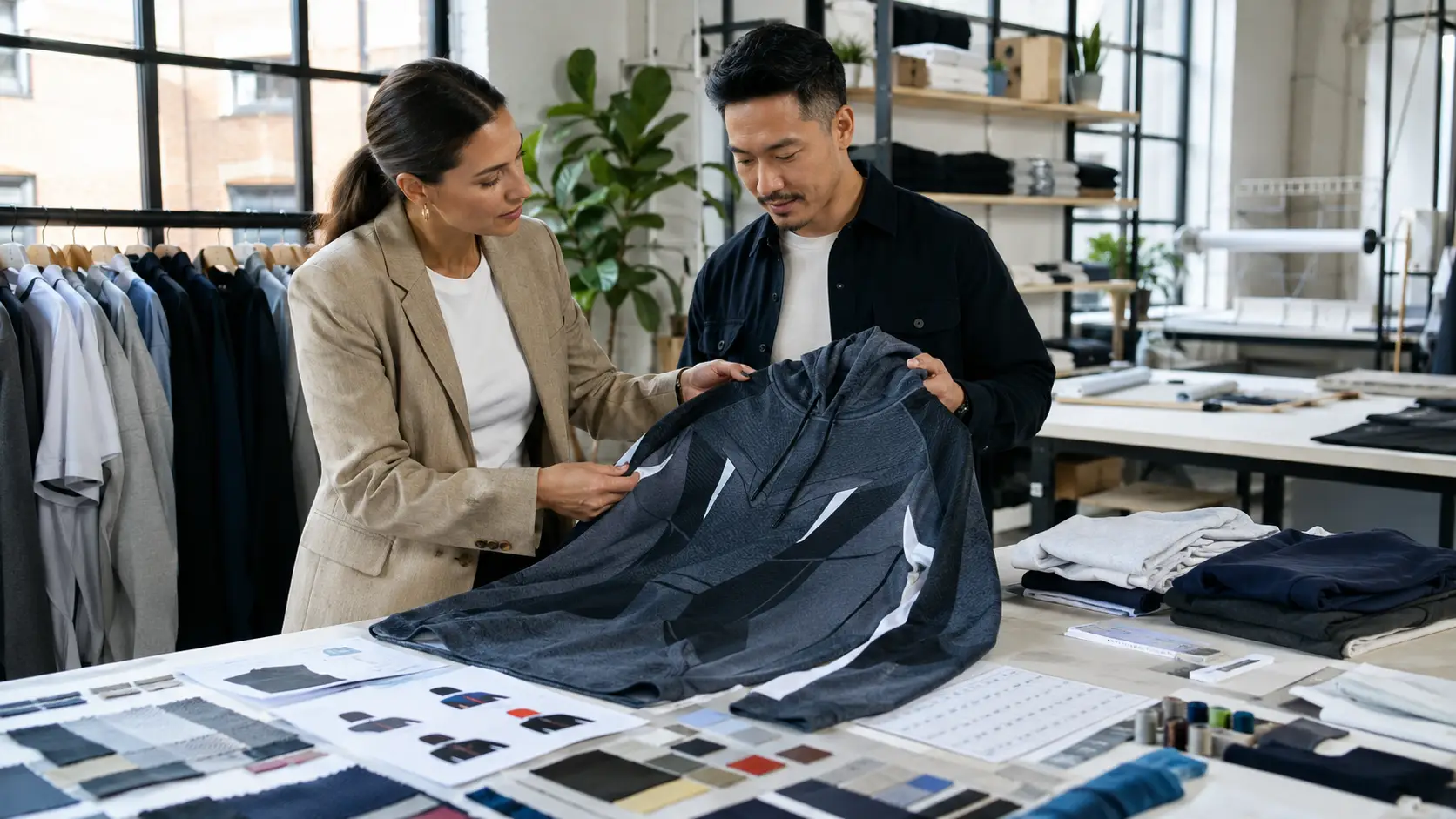
Do not skip this. Pay for the pre-production sample. This is money well spent. When the sample arrives, do not just look at it. Wash it. Put it in your dryer. Check if the cuffs curl, if the buttons stay secure, and if the fabric pills. A good long-sleeve pajama supplier will be happy to make adjustments based on your feedback.
Step 2: Size Specification (Grading)
Sizing standards in Asia are often different from those in the US or Europe. Provide your supplier with a “spec sheet”—a detailed table of measurements (chest width, body length, sleeve length). Do not just say “Large.” Specify “Chest width: 22 inches.”
Step 3: Production Timeline
Ask about the lead time. For long-sleeve pajamas, the typical production time is 45 to 60 days after approval of the bulk fabric. Factor in another 20 to 40 days for sea freight to Los Angeles, Hamburg, or Southampton.
Step 4: Payment Terms
Standard terms in this industry are often 30 percent deposit to start production and 70 percent before shipping or against the Bill of Lading. Be wary of any supplier asking for 100 percent upfront with no track record.
Trends Driving the Sleepwear Industry in 2025
To rank well in Google and, more importantly, to sell well on your website, you need to be ahead of the curve.
Sustainability is Non-Negotiable
Over 8 in 10 consumers in the USA say cotton apparel is the most comfortable, and a massive majority believe organic cotton is safer for the environment. If you are marketing to Gen Z in Canada or eco-conscious buyers in France, you need to highlight your supplier’s credentials. Bamboo fabrics and Tencel Modal are also surging in popularity as consumers look for cooling, breathable options for better sleep.
The Rise of “Eco-Luxury”
It is no longer enough just to be organic. The buyer in 2025 wants to know the entire supply chain. Suppliers that offer transparent traceability from the farm to the factory will thrive. Clothing that is dyed with natural botanicals or made from renewable wood sources is quickly moving from niche to mainstream.
Common Mistakes When Choosing a Pajama Factory
Let me save you some pain by sharing the three most frequent errors I see entrepreneurs make.
- Falling for the lowest price.
- It is tempting to go with the factory offering the lowest price per unit on Alibaba. But often, that price is achieved by substituting cheap polyester for cotton or skipping quality control steps. The result is a product that falls apart at the seams. Look for value, not just price.
- Ignoring “Inland Freight” costs.
- You find a great supplier in Bangladesh with a great FOB price. Great! But can they handle logistics? You need to ask about the cost to move the goods from the factory to the port. Sometimes “hidden” inland charges eat up your margin.
- Poor Communication standards.
- If the supplier takes three days to respond to your initial inquiry, imagine how hard it will be to get a response when your container is stuck at customs. Look for a partner that is responsive and transparent.
FAQ Section: Your Top Questions Answered
Q: How do I find a reliable long-sleeve pajama supplier in the USA?
A: Start by visiting the major wholesale districts like the LA Fashion District in California or the apparel marts in New York and Dallas. For online searches, use platforms that vet their sellers, or look for US-based distributors on ThomasNet. If you cannot find the right style locally, international suppliers like Minmax Textile offer US-friendly logistics and compliance.
Q: What fabrics are best for long-sleeve pajamas for the UK and Canadian markets?
A: For cooler climates like the UK and Canada, brushed cotton flannel is a winter favorite due to its insulation. However, for year-round sales, a mid-weight 100 percent cotton jersey or a bamboo-spandex blend is best because it adapts to temperature changes and offers breathability for warmer summer nights.
Q: Is bamboo sleepwear safe for children regarding USA flammability laws?
A: Yes, bamboo viscose is allowed, but it is tricky. Because bamboo fabrics are naturally soft and drapey, they often fail the strict flammability test for loose-fitting children’s pajamas. A reputable supplier will either add a flame-retardant treatment (less common) or fit the garment snugly to meet CPSC guidelines for “snug-fitting” sleepwear.
Q: How much does it cost to start a private-label pajama line?
A: Start-up costs vary. You will need to budget for sampling fees ($200–$500), lab testing for compliance ($300–$1,000), and the production MOQ ($3,000-$10,000, depending on the supplier). Starting with a limited color palette and focusing on long-sleeve basics can reduce initial costs.
Conclusion: Build Your Brand with the Right Partner
The sleepwear market is booming. Whether you are a boutique owner in Texas, an online retailer in London, or a budding brand in Berlin, the opportunity to build a loyal customer base around comfort and style is huge.
Remember, the product is everything. You do not need to be the biggest brand on day one. You need to be the best partner to your customers. That starts with finding the right long-sleeve pajama supplier. Take your time, order samples, verify the certifications, and build a relationship based on trust.
If you are looking for a partner that combines Asia’s manufacturing muscle with the quality standards required for the USA and Europe, consider Minmax Textile. With global manufacturing bases and a focus on quality control, they are built to help your brand scale.
Ready to Create Your Best-Selling Line of Sleepwear?
Contact Minmax Textile today to request your fabric samples and discuss your custom design needs. Let us bring your vision to life, one cozy pajama at a time.