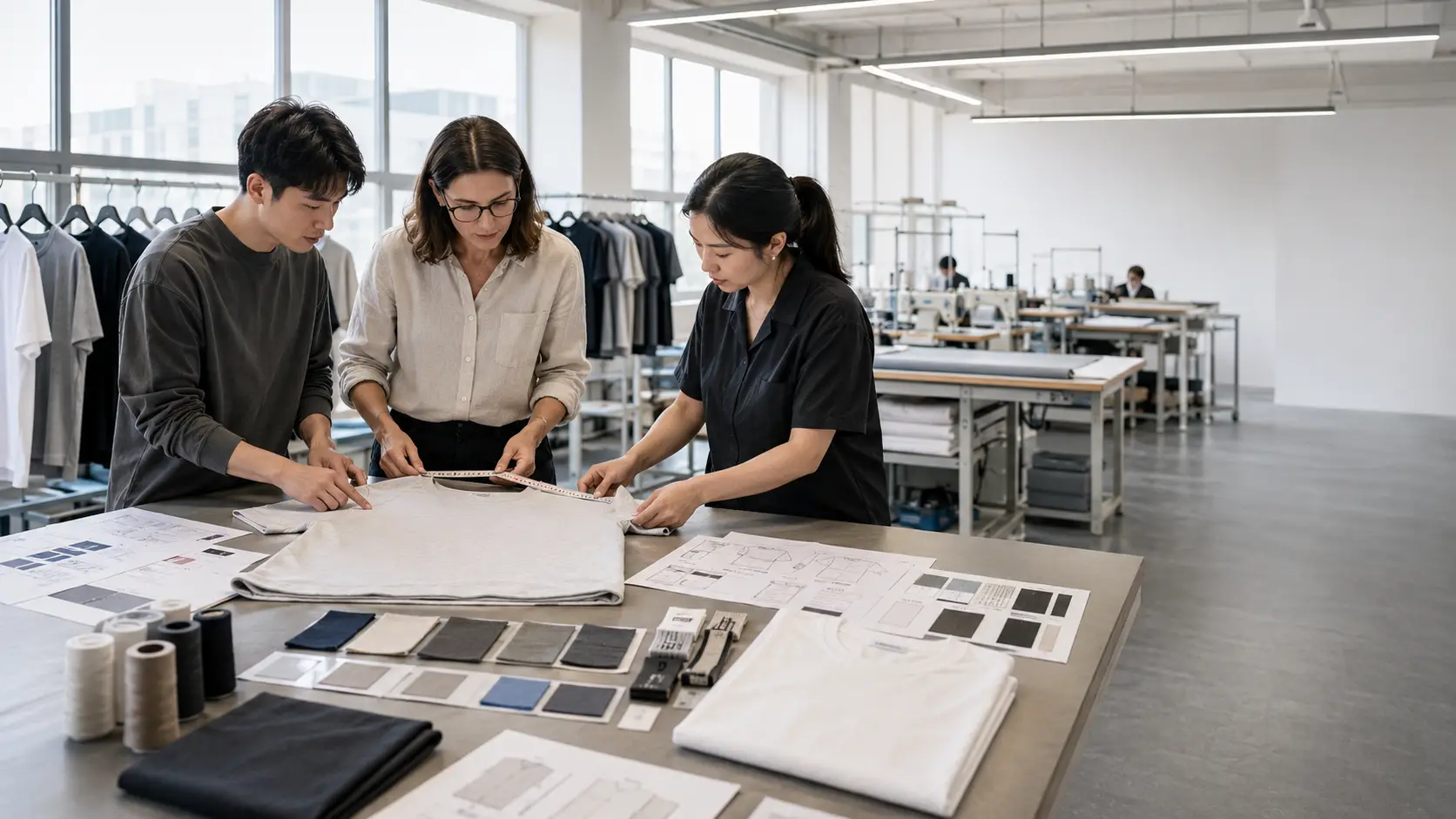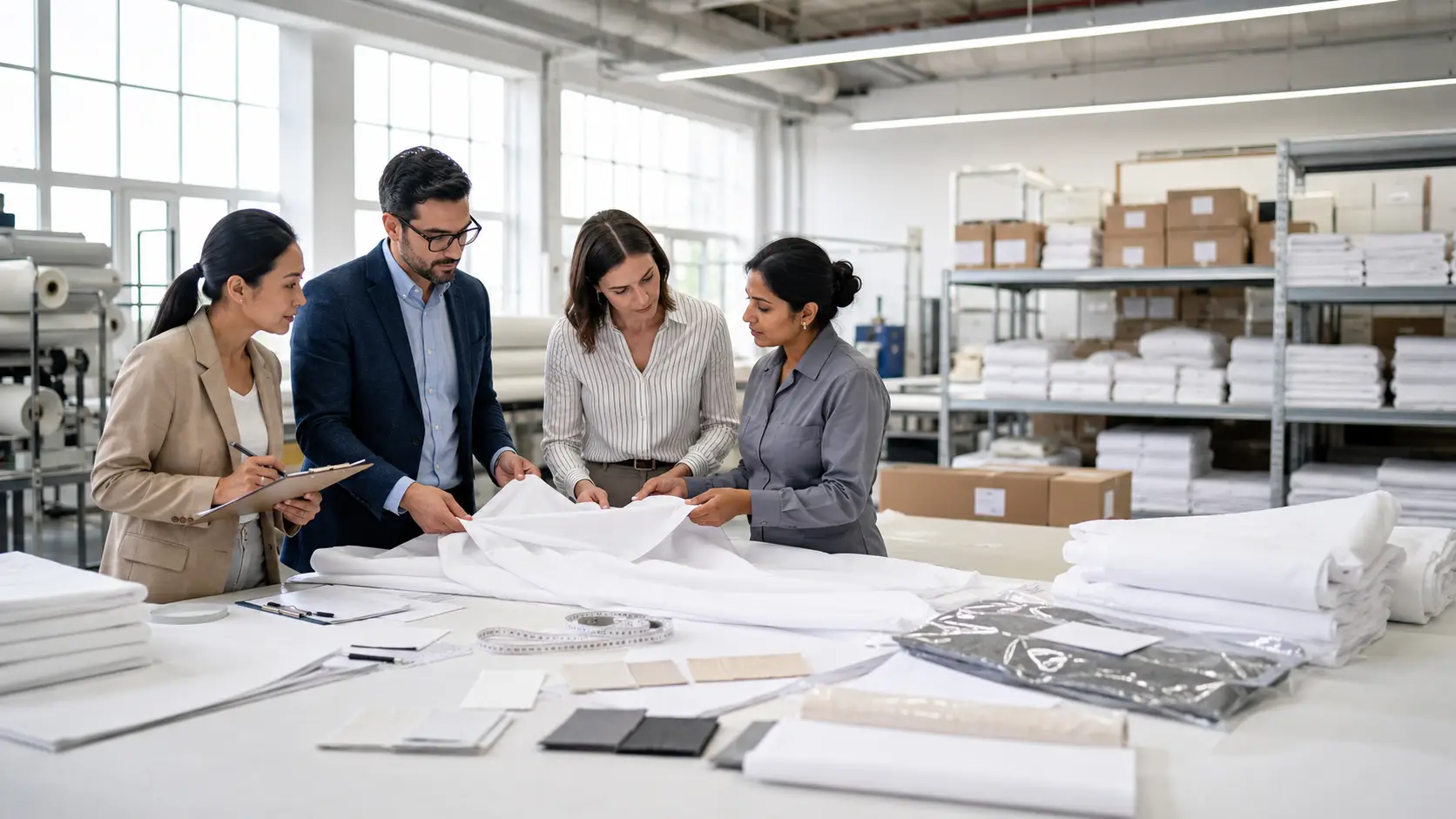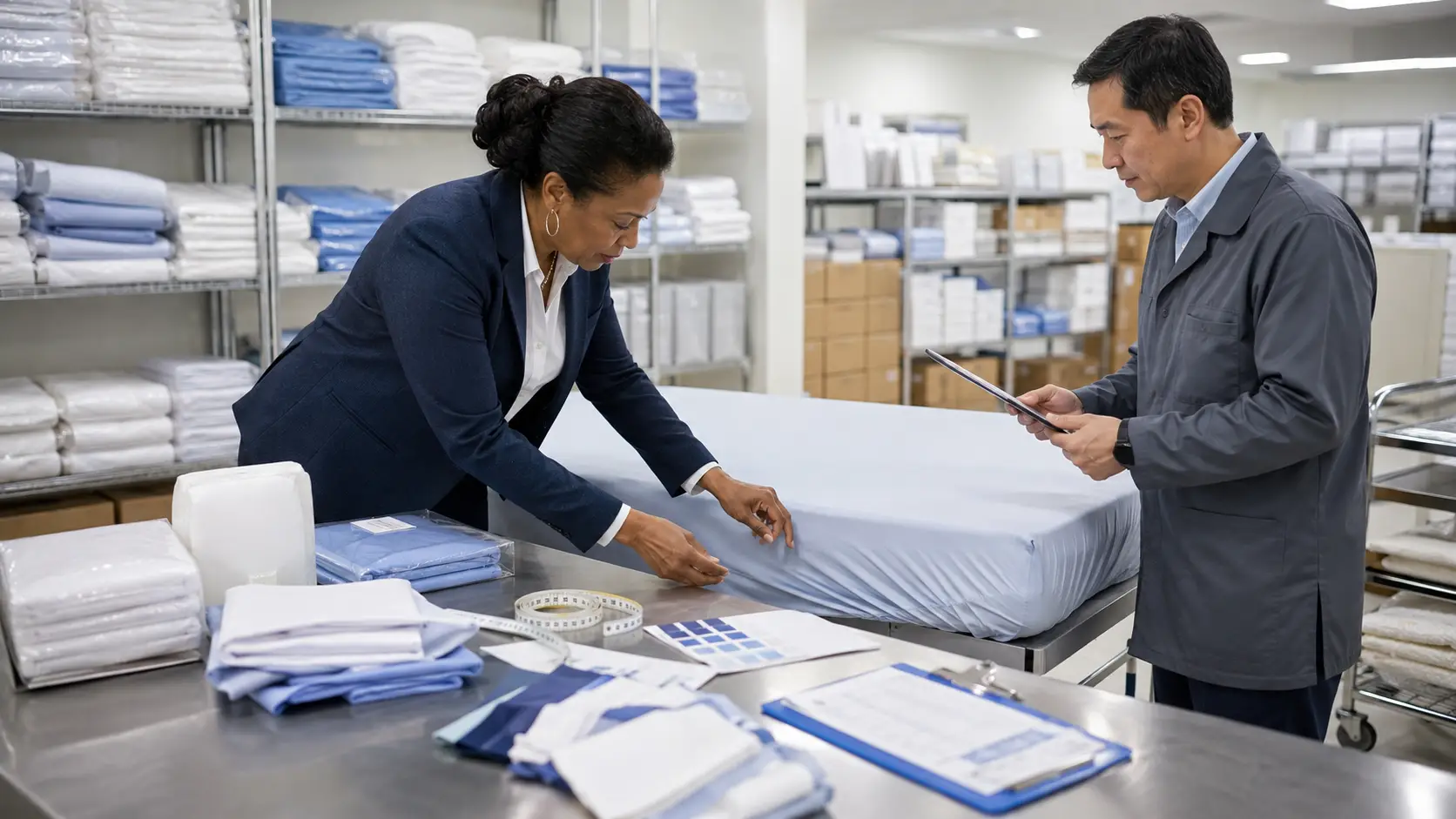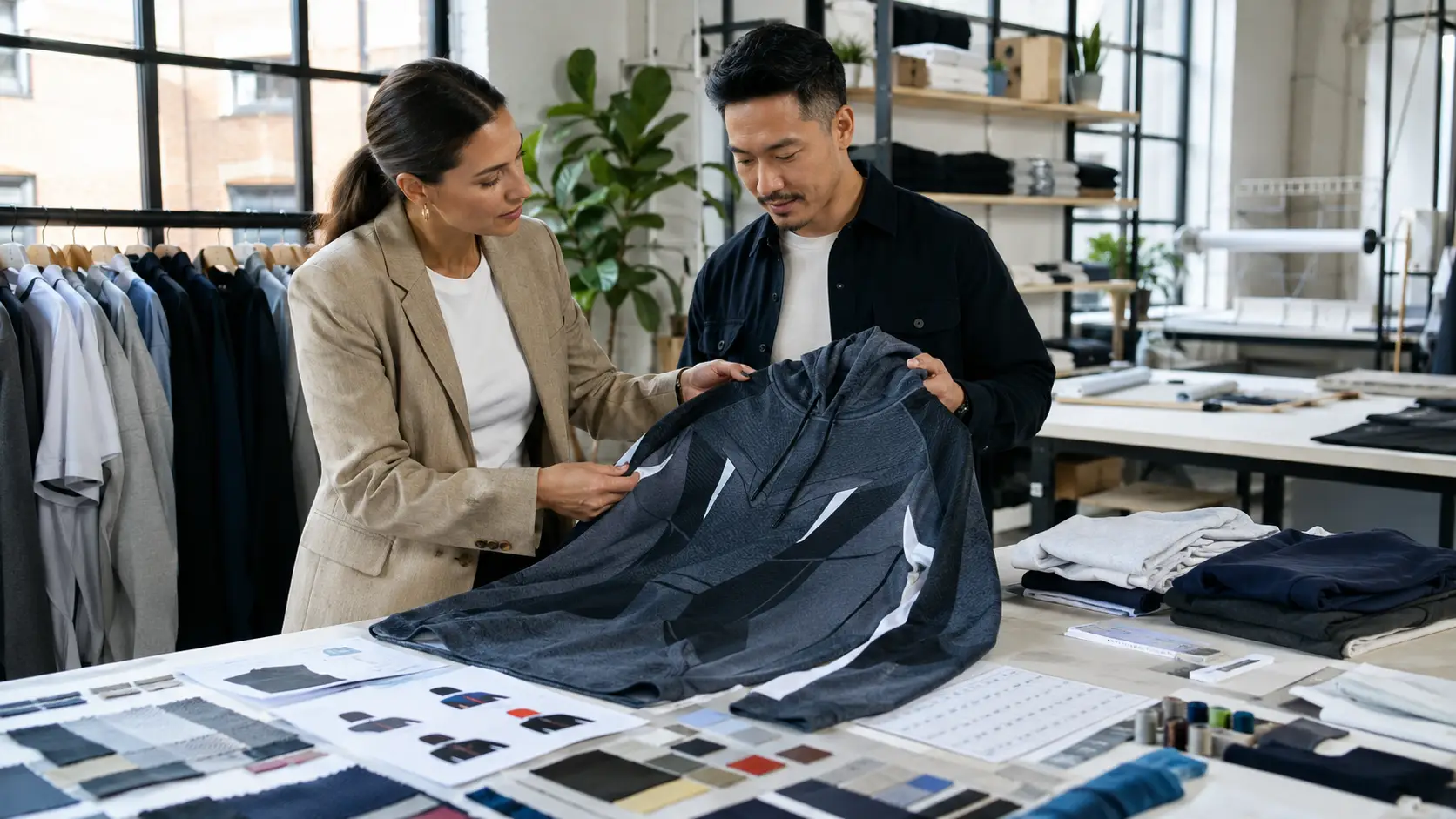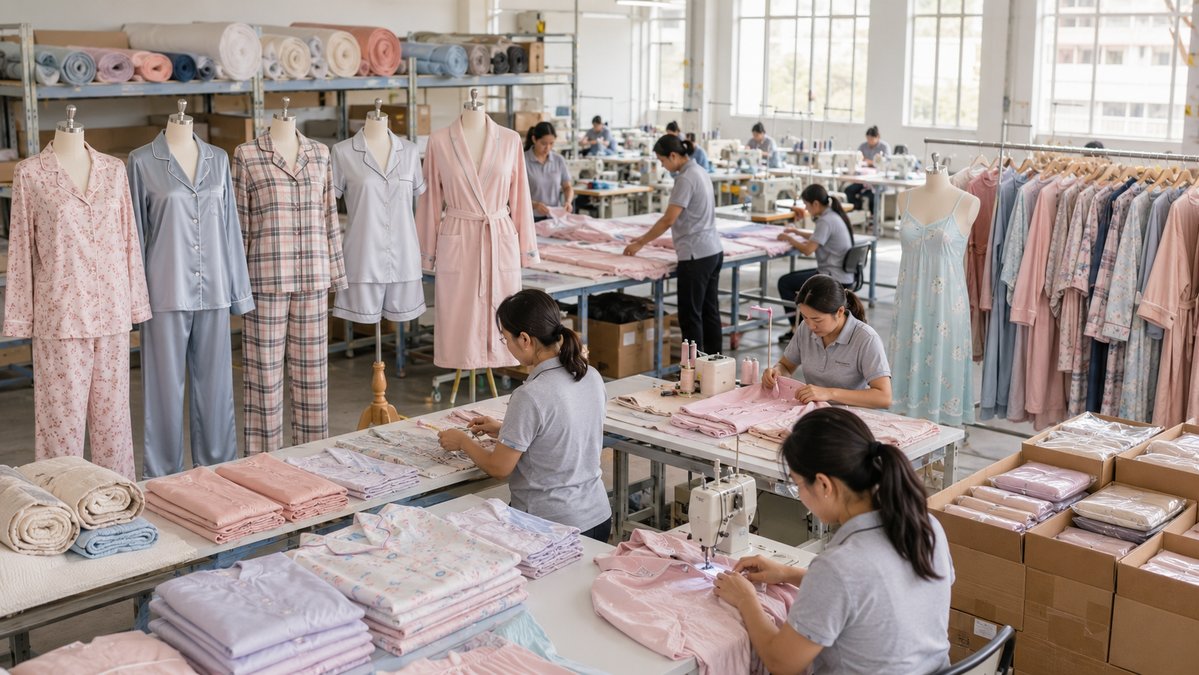
Women’s pajama manufacturers produce sleepwear ranging from cotton sets to satin and flannel styles, offering custom, private label, and OEM production for retailers and fashion brands. Buyers should compare fabric options, MOQs, sample quality, and certifications before selecting a wholesale or bulk manufacturing partner.
Why Sourcing the Right Pajama Manufacturer Matters
Pajamas look easy to make—soft fabric, a simple top and bottom, maybe a drawstring waist. But sleepwear is one of the most detail-sensitive categories in apparel.
Customers wear pajamas against their skin for hours at a time. That means fabric feel, seam comfort, and wash durability matter more than they do for a jacket or a pair of jeans. A slightly stiff seam or a fabric that pills after three washes can turn a repeat customer into a one-time buyer.
Whether you’re launching a loungewear line in London, restocking a boutique in Toronto, or building a private label collection for a growing retail chain in the Gulf, the manufacturer behind your pajamas shapes how your brand is remembered. This guide walks through how sleepwear manufacturing actually works, what questions to ask, and how to source with confidence in any market.
What Do Women’s Pajama Manufacturers Actually Do?
A women’s pajama manufacturer handles some or all of the following, depending on the scope of the partnership:
- Fabric sourcing and testing (softness, shrinkage, colorfastness)
- Pattern making and size grading
- Cutting, sewing, and finishing
- Trim and closure selection (buttons, drawstrings, elastic)
- Quality control and garment inspection
- Labeling, folding, packaging, and bulk shipping
Some factories specialize exclusively in sleepwear and loungewear, which usually means greater fabric expertise and more consistent fit across styles. Others produce pajamas as one category among many. Neither approach is inherently better, but it’s worth asking a manufacturer directly how much of their production volume is dedicated specifically to sleepwear.
OEM vs. Cut-and-Sew Pajama Production
Buyers generally choose between two production models:
OEM Pajama Manufacturer (Full Package): The factory manages the entire process, from fabric sourcing to finished, packaged pajamas, based on your design brief or reference samples. This is the most common route for brands without an in-house technical design team.
Cut-and-Sew (CMT): The brand supplies fabric and patterns, and the factory only cuts, sews, and finishes. This gives more control over material sourcing but requires more upfront coordination.
Most new sleepwear brands start with OEM production and shift toward CMT once they’ve established fabric preferences and stable sales volume.
Pajama Styles Manufacturers Commonly Produce
A reliable women’s sleepwear manufacturer should be comfortable across a range of silhouettes, since most sleepwear brands eventually sell more than one style. Common categories include:
- Pajama set manufacturer work — matching top-and-bottom sets, the most widely purchased sleepwear format
- Satin pajama manufacturer capabilities — smooth, lightweight sets often positioned as premium or gift items
- Flannel pajama manufacturer expertise — brushed cotton fabric for colder climates and seasonal collections
- Cotton pajama manufacturer production — breathable, everyday styles suited to warm and humid climates alike
- Nightgowns and chemises
- Robes and matching loungewear pieces
If a manufacturer’s portfolio only shows one fabric type, ask directly whether they can source and test alternatives. Fabric flexibility is often a better indicator of capability than the size of their catalog.
Fabrics Used in Pajama Manufacturing
Fabric choice affects comfort, cost, and how well a garment performs across seasons. Common options include:
- 100% cotton — breathable and durable, a reliable year-round choice for most climates
- Cotton-modal blends — softer hand-feel with good shape retention
- Flannel (brushed cotton) — warm and cozy, popular in cooler climates and winter collections
- Satin and silk-blend fabrics — smooth drape, often used for premium or gifting-focused lines
- Bamboo-derived viscose — soft, moisture-wicking, marketed frequently as a sustainable option
- Jersey knit — stretchy and casual, common in loungewear-style pajama sets
- Poly-cotton blends — budget-friendly and wrinkle-resistant, often used for mass-market retail
A manufacturer with in-house fabric testing can flag issues like excessive shrinkage or colorfastness problems before bulk production begins. This is worth confirming during your first conversation, since fabric-related returns are one of the most common complaints in sleepwear retail.
Seasonal and Climate Considerations
Sleepwear demand shifts with climate, and this matters more for pajamas than for most other apparel categories.
- Warmer climates (the Gulf region, parts of Australia, and South Africa) tend to favor lightweight cotton, modal, or short-sleeve sets year-round.
- Colder climates (Canada, parts of the UK, Germany, and the Netherlands) see stronger seasonal demand for flannel and brushed cotton styles in autumn and winter.
- Year-round mixed markets (much of the USA) often require manufacturers to produce both lightweight and heavier fabric options within the same collection.
A manufacturer familiar with these patterns can help buyers plan production calendars that align with seasonal demand rather than overstocking the wrong fabric weight for the season.
Sizing Considerations in Pajama Manufacturing
Sleepwear sizing tends to be more forgiving than fitted apparel, but consistency still matters. Buyers should confirm:
- Whether the manufacturer follows a standard international size chart or a regional one (US, UK, and EU sizing can differ)
- Whether relaxed, fitted, and plus-size options are available across the same style
- How grading is handled across sizes, especially for styles with fitted waistbands or button closures
Requesting a size-run sample, meaning one sample garment in each size rather than just a single medium, is a smart step before committing to a bulk order.
Customization, Private Labeling, and OEM Options
Most sleepwear retailers today want more than an off-the-shelf product. Here’s how the main sourcing paths differ:
Custom Pajama Manufacturer Services
Custom manufacturing means the factory builds the pajama set to your exact specifications, including fabric, trims, and fit. This suits brands with a clear design direction and a technical pack ready to share.
Private Label Pajamas
With private label pajamas, the manufacturer offers existing base designs that you can brand with your own labels, tags, and packaging. This route is typically faster and offers lower MOQs than full-custom development.
OEM Pajama Manufacturer Production
OEM production covers the full process, from concept through finished, packaged goods, based on your specifications or reference images. It’s a practical option for brands scaling quickly without a large internal design team.
A capable custom clothing manufacturer should walk you through all three paths and recommend the one that fits your budget, design readiness, and timeline.
Minimum Order Quantities: What to Expect
MOQs vary by manufacturer, fabric, and design complexity. General industry ranges look like this:
| Production Type | Typical MOQ Range | Best For |
|---|---|---|
| Private label (existing styles) | 50–300 sets per style/color | New brands, small boutiques testing demand |
| Custom design, single fabric | 300–1,000 sets per style | Growing brands with proven sales history |
| Full OEM, multiple SKUs | 1,000+ sets per style | Established retailers and department stores |
| Sample-only orders | 1–10 sets | Concept testing before bulk commitment |
These are general benchmarks rather than fixed industry rules. Some specialized workshops offer lower MOQs to support startup brands, while larger factories may require higher volumes to keep unit costs competitive.
Always confirm whether MOQs apply per style, per fabric color, or per size range, since manufacturers structure this differently.
Pricing: What Affects the Cost of Bulk Women’s Pajamas
Buyers sourcing bulk women’s pajamas should expect pricing to depend on:
- Fabric type and quality (satin and specialty blends generally cost more than basic cotton)
- Design complexity (piping, embroidery, contrast trims)
- Order volume and number of colorways
- Packaging requirements
- Shipping method and destination
A lower unit price isn’t automatically the better deal if it comes with inconsistent stitching or fabric that doesn’t hold up after repeated washing. Experienced buyers typically request a landed cost estimate, covering shipping, duties, and applicable import taxes, before comparing quotes across manufacturers.
Samples: Why They’re Worth the Investment
Skipping the sample stage is one of the most common mistakes new sleepwear buyers make. A pre-production sample lets you check:
- Fabric hand-feel and weight
- Seam finishing and stitch density
- Fit across the intended size range
- Color accuracy against approved swatches
Sample development for pajamas typically takes two to four weeks, depending on fabric availability. It’s a small upfront cost that prevents much larger problems in a bulk order.
Quality Control in Sleepwear Manufacturing
Quality control should happen at multiple stages, not just at the end of production:
- Pre-production sample approval — confirming fit, fabric, and construction before bulk cutting starts
- In-line inspection — checking stitching and measurements as garments move through production
- Final random inspection (FRI) — sampling finished goods before shipment, often following AQL (Acceptable Quality Limit) standards
- Wash testing — checking shrinkage and colorfastness after simulated laundering, especially important for cotton and flannel styles.
Ask potential manufacturers whether they allow third-party inspections. A factory confident in its own process usually welcomes outside verification.
Packaging and International Shipping Considerations
Packaging expectations differ across markets, and getting this right avoids delays at customs. Key considerations include:
- Labeling requirements — fiber content, care instructions, and country of origin labeling are legally required in many markets, including the EU, UK, and North America
- Folded vs. hanger-ready packaging — hanger-ready sets reduce wrinkling but cost more to ship
- Gift-ready packaging — increasingly requested for satin and premium pajama sets sold as gift items
- Retail barcoding — UPC or EAN barcodes speed up receiving for larger retail accounts
- Consolidated shipping — combining multiple styles or colorways into a single shipment to reduce freight costs
Buyers importing into the UAE, Saudi Arabia, or Qatar should confirm their manufacturer is familiar with GCC customs documentation, since incomplete paperwork is a frequent cause of shipment delays. Buyers in the EU and the UK should double-check that garment labeling complies with local textile labeling regulations before goods ship.
How to Choose a Reliable Pajama Manufacturer
Here’s a practical checklist for evaluating potential partners:
- Ask for verifiable production history. A manufacturer with real experience should be able to share past work or connect you with references.
- Review their communication style. Slow or vague responses during sourcing usually predict the same during production.
- Confirm their sample process and turnaround time. Clarity here is a strong signal of overall reliability.
- Check for relevant certifications. OEKO-TEX certification, which verifies fabrics are tested for harmful substances, is particularly relevant for sleepwear worn close to the skin.
- Look at their online presence. A maintained Google Business Profile, consistent customer reviews, and listings on recognized trade directories all point to an established, transparent business.
- Ask about fabric transparency. A manufacturer willing to share fabric composition, sourcing origin, and test reports is easier to trust in the long term.
Manufacturers such as Minmax Textile work with sleepwear brands on custom and private-label pajama production and represent the kind of communication-first, detail-oriented partner worth prioritizing during sourcing.
Local Sourcing Insights by Region
Sourcing patterns shift slightly depending on where a business is based:
- USA and Canada: Buyers often balance overseas manufacturing for cost efficiency with a growing interest in nearshoring to enable faster replenishment during peak seasons.
- UK and Germany: Textile labeling compliance and fiber content disclosure are closely tied to purchasing decisions, alongside rising interest in sustainable fabric sourcing.
- Australia: Longer shipping lead times from overseas factories make early seasonal planning especially important for flannel and winter sleepwear lines.
- UAE, Saudi Arabia, and Qatar: Lightweight, breathable fabrics remain in steady year-round demand, alongside modest sleepwear styles with fuller coverage.
- Netherlands: Buyers frequently prioritize manufacturers with clear, traceable supply chains and documented sustainability practices.
- South Africa: Import duties and currency fluctuation make transparent, all-in pricing especially useful when comparing manufacturer quotes.
These patterns are general tendencies, not strict rules, and are worth factoring into sourcing timelines rather than treating as fixed requirements.
Working With a Broader Apparel Supplier
Many pajama buyers are also sourcing loungewear, robes, or related categories at the same time. A women’s apparel supplier or women’s loungewear manufacturer capable of producing coordinating pieces alongside pajamas can simplify vendor management considerably, reducing the number of separate relationships a growing brand needs to maintain.
If you expect to expand beyond pajama sets, it’s worth asking potential manufacturers about their capabilities in broader sleepwear and loungewear early in the sourcing process.
Frequently Asked Questions
What is the typical MOQ for a wholesale pajama supplier? MOQs typically range from 50 to 300 sets per style for private-label orders, with higher minimums for fully custom designs.
How long does it take to develop a pajama sample? Sample development usually takes two to four weeks, depending on fabric sourcing and design complexity.
What fabric is best for year-round pajama sales? Cotton and cotton-modal blends tend to perform well across most climates, while flannel is better suited to seasonal, cold-weather demand.
Do I need a technical design background to work with an OEM manufacturer? Not necessarily. OEM manufacturers can often work from reference samples or images, though a technical pack can speed up development and reduce errors.
What certifications matter most for sleepwear manufacturing? OEKO-TEX certification is particularly relevant for pajamas, since it confirms fabrics have been tested for harmful substances and are safe for prolonged skin contact.
Finding a Sleepwear Manufacturing Partner You Can Trust
Sourcing a women’s pajama manufacturer involves more than just comparing unit prices. It’s about finding a partner who understands fabric performance, communicates clearly, and can produce consistent quality across the styles your customers actually want, whether that’s cozy flannel sets for winter, breathable cotton pajamas for year-round wear, or satin sets built for gifting.
Take time to request samples, ask direct questions about MOQs and fabric sourcing, and check reviews or references before placing a bulk order. A dependable manufacturing partner protects your margins and makes sure the sleepwear reaching your customers feels as good as it looks.
If you’re ready to start sourcing, reach out to a manufacturer with proven experience in custom and private-label sleepwear production, such as Minmax Textile, and request a sample quote to evaluate their communication and turnaround time before committing to a larger order.