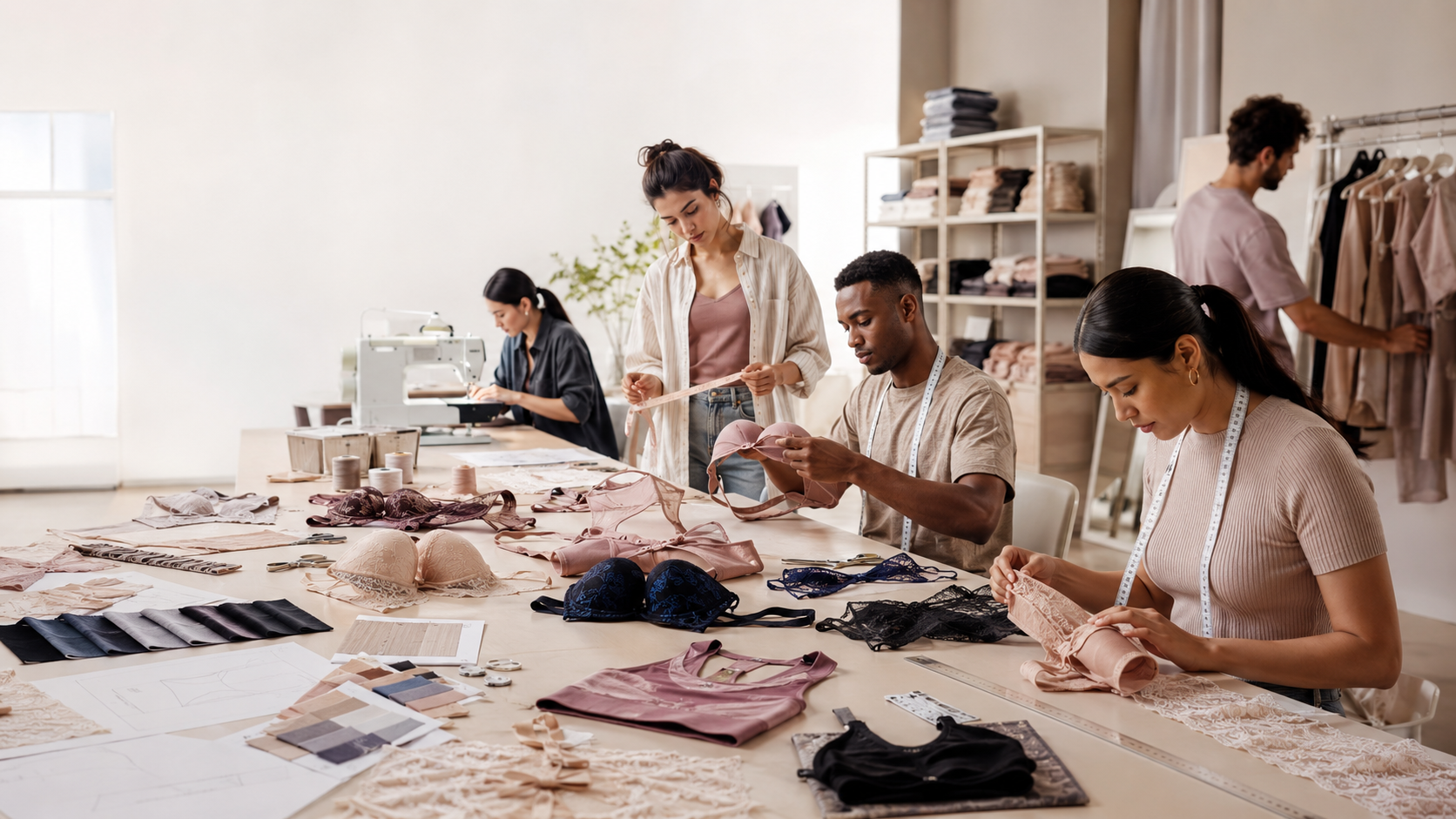
A bra and lingerie manufacturer develops and produces intimate apparel for fashion brands, retailers, startups, and wholesale buyers. Services may include product design, fabric sourcing, sampling, private labeling, OEM production, custom sizing, quality control, packaging, and international shipping for bras, panties, shapewear, sports bras, maternity wear, and related products.
Choosing the Right Manufacturing Partner for Your Lingerie Brand
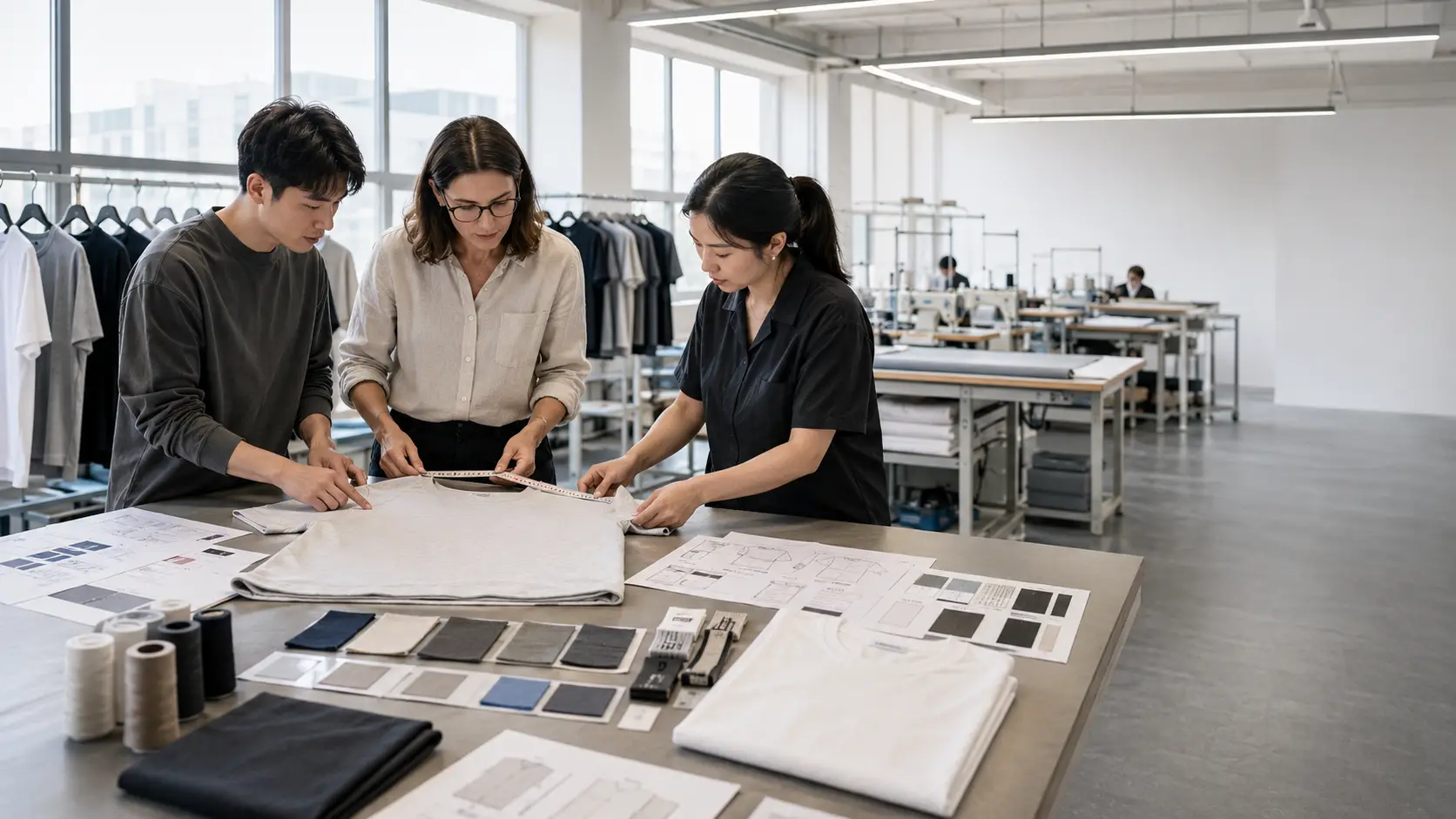
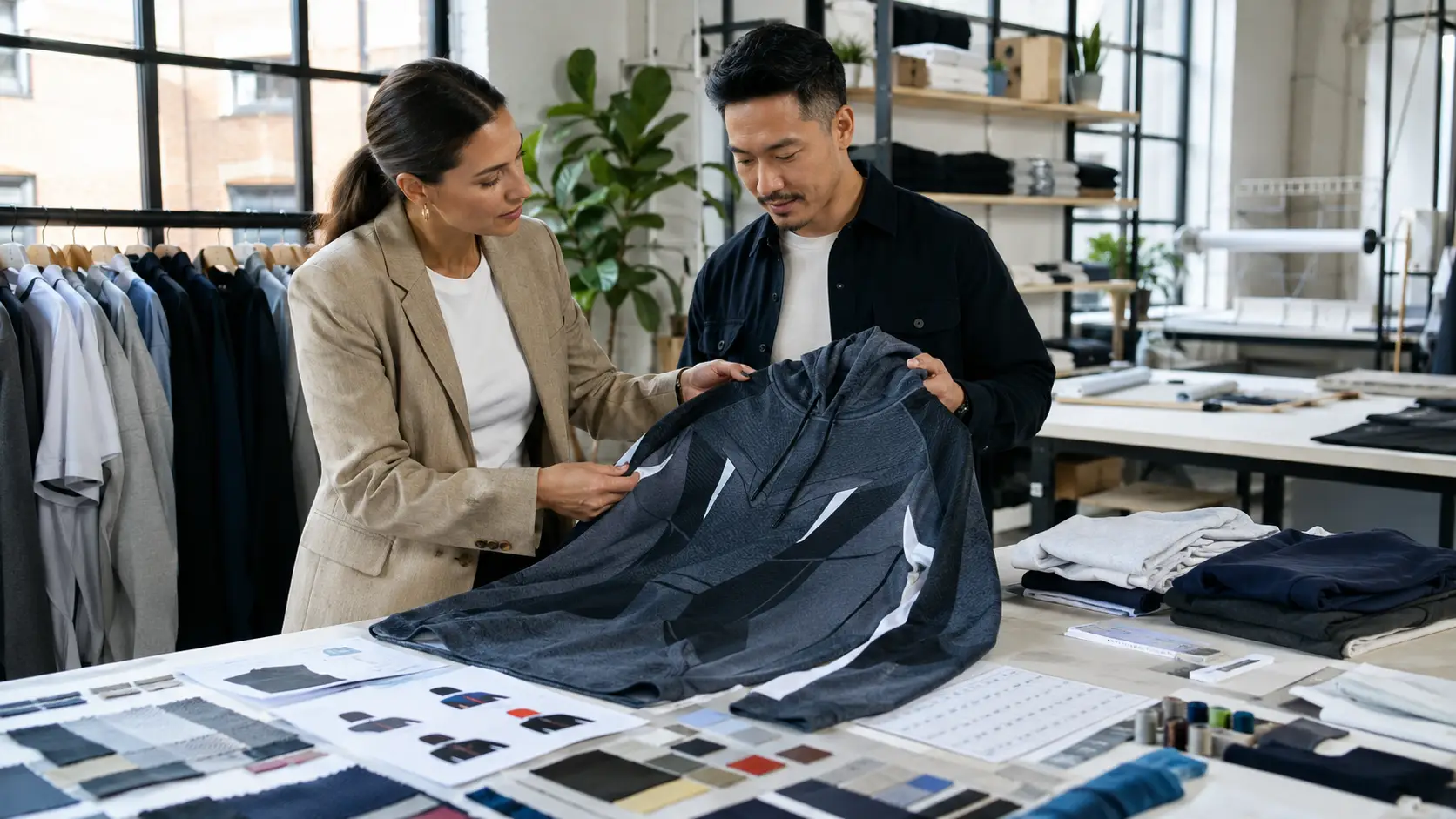
Creating lingerie is more complex than producing a basic T-shirt or sweatshirt. A bra must fit the body closely, support different shapes, remain comfortable for hours, and maintain its structure after repeated washing.
Even a small issue with cup depth, strap placement, elastic tension, or hook quality can affect the entire product. Buyers also need to consider fabric softness, breathability, colorfastness, packaging, labeling, production timelines, and shipping costs.
These challenges can make sourcing difficult for a new fashion startup. They can also create problems for established brands that are expanding into new products or international markets.
A dependable manufacturer helps buyers manage these details before bulk production begins. This guide explains how lingerie manufacturing works, which production models are available, what quality standards to review, and how to select a suitable supplier for your target market.
What Does a Bra and Lingerie Manufacturer Do?
A bra and lingerie manufacturer turns a product idea into finished intimate apparel. Depending on the service level, the factory may help with design development, pattern making, fabric selection, samples, bulk production, labeling, packaging, and shipment.
Some buyers provide complete technical files and only need production support. Others have a basic product concept and require more assistance with measurements, materials, construction, and fit.
A full-service manufacturer may handle:
- Product design and style development
- Technical drawings and specification sheets
- Pattern creation and grading
- Fabric and trim sourcing
- Sample development
- Fit testing and revisions
- Custom dyeing or printing
- Bulk cutting and sewing
- Label and packaging production
- Quality inspections
- Export packing and shipping coordination
The right level of support depends on the buyer’s experience, order volume, product complexity, and budget.
Bra Manufacturer vs. Lingerie Manufacturer
A bra manufacturer often focuses on structured products that require detailed cup, band, strap, wire, padding, and closure construction.
A lingerie manufacturer may offer a broader range of intimate apparel, including panties, slips, camisoles, bodysuits, sleepwear, bralettes, shapewear, and lingerie sets.
Many factories provide both services. However, buyers should confirm that the factory has direct experience with the specific product they want to develop.
A factory that produces simple underwear may not have the technical skills required for molded-cup bras, high-support sports bras, or complex plus-size designs.
Private-Label, OEM, Wholesale, and Custom Production
Lingerie buyers can choose from several production models. Each option offers a different level of control, development work, cost, and customization.
| Production Model | How It Works | Best For |
| Private label | Existing factory styles are sold under the buyer’s brand | Startups, online stores, and retailers |
| OEM production | The factory produces according to the buyer’s design and specifications | Established brands and unique product lines |
| Wholesale | Buyers purchase ready-made products in larger quantities | Distributors, department stores, and resellers |
| Custom production | Products are developed with custom fit, fabrics, colors, trims, and branding | Brands seeking a distinctive collection |
Private Label Lingerie
Private label lingerie allows a buyer to select existing factory designs and sell them under a new brand name. The buyer may be able to customize colors, labels, tags, packaging, and selected trims.
This model can reduce product-development time because the core pattern and construction already exist.
It is often suitable for:
- New lingerie startups
- Boutique retailers
- E-commerce stores
- Department-store collections
- Influencer-led fashion brands
- Businesses testing a new market
Private-label production usually provides less design freedom than fully custom manufacturing. Buyers should ask which elements can be changed before placing an order.
OEM Lingerie Manufacturing
An OEM lingerie manufacturer produces items according to the buyer’s original design, technical file, sizing chart, and construction requirements.
OEM production gives the buyer more control over:
- Silhouette and fit
- Cup and band measurements
- Fabric composition
- Support level
- Padding and underwire
- Strap width and placement
- Elastic tension
- Stitching methods
- Colors and prints
- Labels and packaging
OEM development can take longer because patterns, samples, and fit details must be tested before bulk production.
Wholesale Lingerie Production
A wholesale lingerie manufacturer or distributor offers finished products for bulk purchase. Wholesale buyers normally choose from available styles, colors, and size ranges.
This option can work well for retailers that need products quickly and do not require exclusive designs.
A bulk lingerie supplier may also offer mixed sizes or colors within one order. However, buyers should confirm whether each size and color has a separate minimum order requirement.
Custom Lingerie Manufacturing
A custom bra manufacturer develops products based on the buyer’s specific design goals. Custom services may include unique fabrics, exclusive prints, new patterns, specialty trims, personalized sizing, and branded packaging.
Custom manufacturing is suitable for brands that want to build a recognizable product line rather than resell standard designs.
Products a Lingerie Manufacturer Can Produce
A qualified women’s underwear manufacturer may offer a wide range of products. Buyers should choose a factory with proven experience in their required category.
Everyday Bras and Bralettes
Everyday bras must balance support, comfort, and durability. Common styles include:
- T-shirt bras
- Full-cup bras
- Demi-cup bras
- Balconette bras
- Push-up bras
- Wireless bras
- Minimizer bras
- Plunge bras
- Bralettes
A bralette may appear simple, but the manufacturer must still control elastic recovery, strap placement, fabric stretch, and seam comfort.
Sports Bras
A sports bra manufacturer must understand movement, support, moisture control, and fabric recovery.
Low-impact styles may be suitable for yoga or casual wear. High-impact designs require stronger underbands, supportive panels, secure straps, and carefully selected stretch fabrics.
Fitness brands should test sports bras during actual movement rather than reviewing fit only on a standing model.
Seamless Bras and Underwear
A seamless bra manufacturer uses specialized knitting or bonding methods to reduce visible seams and create a smooth finish.
Seamless products are popular for everyday comfort and wear under fitted clothing. They require careful control of stretch, compression, shape retention, and bonded edges.
Not every sewing factory has seamless knitting equipment. Buyers should confirm whether production is completed in-house or outsourced.
Lace Lingerie
A lace lingerie manufacturer works with delicate materials that require accurate cutting, careful seam placement, and clean finishing.
Lace patterns should be aligned where possible, especially on premium products. Buyers should also test the lace for softness, recovery, colorfastness, and durability.
Plus-Size Bras and Lingerie
A plus-size bra manufacturer should not simply enlarge a smaller bra pattern. Larger sizes often require changes to cup depth, side support, band height, strap width, underwire shape, hook count, and fabric strength.
Inclusive sizing is especially important for brands serving customers in the USA, Canada, and the UK. Buyers should request fit samples in several sizes rather than approving only one sample size.
Maternity and Nursing Bras
A maternity bra manufacturer must consider comfort, body changes, support, soft materials, adjustable bands, and practical nursing access.
Common features include:
- Wireless construction
- Soft inner linings
- Wider underbands
- Drop-down nursing cups
- Adjustable hooks
- Stretch panels
- Easy one-hand clasps
Maternity brands should prioritize comfort and function over decorative details that may irritate sensitive skin.
Panties, Shapewear, and Bodysuits
A custom underwear manufacturer may produce briefs, thongs, boyshorts, high-waisted panties, seamless underwear, control briefs, bodysuits, and shapewear.
Shapewear requires careful testing because excessive compression can make a garment uncomfortable. The product should provide the intended shaping effect while allowing normal movement and breathing.
Choosing the Right Fabrics for Lingerie
Fabric selection affects comfort, fit, appearance, durability, and production cost. No single fabric is suitable for every lingerie product.
Cotton
Cotton is soft, breathable, and widely used for everyday underwear, gussets, bralettes, and maternity products.
Cotton may be blended with elastane to improve stretch and shape recovery. Buyers should check whether the fabric becomes loose, rough, or distorted after washing.
Lace
Lace adds texture and a premium appearance. It may be rigid, stretchable, embroidered, or knitted.
Soft stretch lace works well for bralettes and panties. More structured lace may be used for decorative cups, panels, and overlays.
Microfiber
Microfiber is smooth, lightweight, and often used for T-shirt bras, seamless underwear, and everyday lingerie.
It can provide a clean surface under clothing and may dry faster than heavier natural fabrics.
Mesh
Mesh can improve airflow and create a lightweight look. It may also provide targeted support when used in wings, cup linings, or shaping panels.
Factories should test mesh strength because very fine materials may tear around seams or attachment points.
Satin
Satin offers a smooth, glossy finish and is often used in premium lingerie, slips, robes, and sleepwear.
The manufacturer must control puckering, fraying, and seam slippage during production.
Modal
Modal is known for its soft feel and is often used in comfortable underwear, loungewear, and lightweight lingerie.
It is commonly blended with stretch fibers to improve fit and recovery.
Stretch Blends
Stretch blends may contain nylon, polyester, cotton, modal, or other fibers combined with elastane.
The exact blend should match the product’s support needs. A sports bra may require strong recovery, while a soft bralette may need lighter and more flexible stretch.
For hot markets such as Australia, the UAE, Saudi Arabia, and Qatar, buyers may prioritize breathable, lightweight, and moisture-managing materials. Fabric performance should still be tested under the expected conditions of use.
Fit, Sizing, Support, and Comfort
Fit is one of the most important parts of lingerie production. A visually attractive bra can still fail if the cup, band, straps, or support structure do not fit correctly.
Cup and Band Sizing
Bra sizes combine a band measurement and a cup measurement. However, sizing systems can differ between markets.
A brand selling in the USA, UK, Germany, Australia, or other regions should clearly define which sizing system it will use. Size labels, online charts, and product packaging must match the intended market.
The manufacturer should receive a detailed measurement chart that includes:
- Underbust measurement
- Cup depth
- Cup height
- Center-front height
- Wing height
- Strap position
- Underband length
- Hook-and-eye placement
- Wire length and shape
Buyers should also consider sister sizing and how cup volume changes across band sizes.
Support and Structure
Support may come from several components, including:
- Underwires
- Molded cups
- Foam padding
- Cup seams
- Side panels
- Power mesh
- Strong underbands
- Wide straps
- Multiple hook-and-eye rows
A high-support bra needs a different construction from a fashion bralette. The design should match the intended use.
Elasticity and Recovery
Elastic must stretch enough to provide comfort but recover well enough to maintain fit.
Poor elastic may become loose after limited use. Overly firm elastic may leave marks or cause discomfort.
The factory should test elastic tension at waistbands, leg openings, underbands, straps, and other key areas.
Durability
Durability depends on the fabric, thread, stitching, trims, hardware, and construction method.
Buyers should review how the garment performs after repeated stretching and washing. Seams should remain flat, wires should stay enclosed, and hooks should remain secure.
Components That Affect Bra Quality
A bra contains several small components that directly affect comfort and performance.
Underwires and Padding
Underwires should match the cup shape and size. They must sit securely inside the wire channel without sharp edges or excessive movement.
Padding may be removable, sewn in, molded, or graduated. Buyers should check whether the padding shifts, folds, or loses shape after washing.
Straps and Adjusters
Straps should provide support without cutting into the shoulders. Width, stretch, and adjustability may change across sizes.
Metal or plastic adjusters should move smoothly and remain secure during wear.
Hooks and Closures
Hook-and-eye closures should be comfortable, strong, and correctly aligned.
Larger or more supportive bras may require additional hook rows. Nursing products may use front clasps or drop-cup clips.
Trims and Decorative Details
Bows, lace edges, embroidery, charms, piping, and other trims can strengthen a brand’s visual identity.
However, every decorative element should be checked for skin comfort, wash resistance, and secure attachment.
Custom Branding and Packaging Options
A manufacturer can help turn a standard garment into a branded product through labels, colors, prints, trims, and packaging.
Common customization options include:
- Custom fabric colors
- Exclusive prints
- Woven labels
- Printed care labels
- Heat-transfer labels
- Hangtags
- Size stickers
- Branded elastic
- Embroidery
- Logo prints
- Custom hardware
- Tissue paper
- Product boxes
- Recyclable mailers
- Retail-ready packaging
Branding should remain consistent across the garment, label, hangtag, packaging, and online product listing.
A buyer may also request multilingual care labels for international markets. The required information should be confirmed based on where the product will be sold.
Minimum Orders, Samples, Pricing, and Production Time
Manufacturing terms vary by factory, product type, fabric, color, and level of customization. Buyers should request written details rather than relying on general estimates.
Minimum Order Quantity
Minimum order quantity, or MOQ, is the smallest quantity a manufacturer will accept.
There is no single standard MOQ for lingerie. The requirement may depend on:
- Product style
- Fabric availability
- Number of sizes
- Number of colors
- Custom dyeing
- Custom trims
- Packaging
- Production method
A private-label style may have a lower development requirement than a fully custom molded bra. However, each color or size may still have a separate minimum.
Sample Development
Samples allow the buyer to review fit, design, fabric, stitching, color, and construction before bulk production.
Common sample stages include:
- Development sample
- Fit sample
- Revised sample
- Size-set sample
- Pre-production sample
- Shipment sample
Not every order requires all six stages. Complex bras and extended-size ranges normally need more testing than simple panties or bralettes.
Pricing
Lingerie pricing can be affected by:
- Fabric type and usage
- Lace and trim costs
- Cup molding
- Number of components
- Stitching complexity
- Order quantity
- Size range
- Custom labels
- Packaging
- Quality requirements
- Shipping method
Buyers should compare quotations based on the same specifications. A lower price may exclude sampling, custom packaging, testing, or delivery.
Production and Shipping
Production begins after the buyer approves the final sample, materials, colors, labels, packaging, and order details.
Shipping options may include air freight, sea freight, courier service, or a combination of methods.
Buyers in Canada, the UK, Germany, the Netherlands, Australia, South Africa, the UAE, Saudi Arabia, and Qatar should discuss export documents, packaging dimensions, delivery terms, and destination requirements before confirming an order.
Quality-Control Checks Before Bulk Production
Quality control should begin during product development, not after the entire order has been completed.
Important checks include:
- Measurements match the approved size chart
- Cup shape is balanced
- Band tension is consistent
- Straps are placed correctly
- Underwires fit the channels
- Padding is even and secure
- Hooks and adjusters work properly
- Elastic recovers after stretching
- Seams are smooth against the skin
- Lace and mesh are free from damage
- Colors match approved references
- Labels contain correct information
- Packaging matches the order
- Finished products are clean and undamaged
Buyers should approve a pre-production sample before bulk cutting begins. They should also ask how the factory inspects incoming fabrics, in-process garments, and finished products.
For large orders, an independent inspection may provide an additional layer of review.
A Simple Lingerie Production and Ordering Process
A clear process can reduce delays, misunderstandings, and costly revisions.
Step 1: Define the Product
Prepare the product category, target customer, size range, expected support level, materials, colors, quantity, price target, and destination market.
Step 2: Share Designs or Select Existing Styles
Send sketches, reference images, technical files, or physical samples. Private-label buyers can review the manufacturer’s existing catalog.
Step 3: Confirm Materials and Components
Select fabrics, lace, mesh, elastic, wires, padding, hooks, straps, labels, and packaging.
Step 4: Develop and Review Samples
Check fit, comfort, measurements, construction, appearance, and performance. Record every requested change clearly.
Step 5: Approve the Final Sample
Confirm the final sample, color, size chart, labels, packaging, quantity, price, payment terms, and production schedule.
Step 6: Begin Bulk Production
The manufacturer purchases materials, cuts panels, completes sewing or bonding, attaches trims, and performs in-process inspections.
Step 7: Inspect Finished Goods
Review measurements, artistry, quantities, packaging, and overall quality before shipment.
Step 8: Arrange Shipping
Confirm the shipping method, destination, documentation, estimated delivery schedule, and receiving process.
Local Market Needs and Buyer Expectations
International lingerie brands should adapt products to the needs of each market without relying on broad assumptions.
USA and Canada
Buyers in the USA and Canada often serve customers with a wide range of body shapes and fit needs. Inclusive band and cup sizing can help brands reach a broader audience.
Comfort-focused bras, sports bras, wireless designs, maternity products, and private-label collections can support both online and physical retail channels.
Clear size charts and simple exchange guidance are especially important for online sellers because customers cannot try products on before buying.
United Kingdom
UK buyers often pay close attention to cup-and-band fit, product quality, and consistent sizing.
Brands should confirm that their sizing system is clearly marked and that technical measurements match the intended retail market. Buyers may also ask about material sourcing, packaging choices, and production transparency.
Australia
Australia’s warm conditions can increase demand for lightweight fabrics, breathable designs, wireless bras, and activewear-related products.
Fitness and lifestyle brands may benefit from working with a sports bra manufacturer that can test support, moisture handling, and comfort during movement.
Germany and the Netherlands
Buyers in Germany and the Netherlands may place strong value on durability, clear material information, traceability, and responsible production practices.
Brands should avoid making environmental claims without supporting details. Manufacturers should provide accurate information about fabric composition, production processes, packaging, and available documentation.
UAE, Saudi Arabia, and Qatar
Premium fabrics, refined finishing, attractive packaging, and breathable materials can be important for luxury and boutique retail channels in the UAE, Saudi Arabia, and Qatar.
Some buyers may also seek higher-coverage styles, elegant loungewear, longline designs, slips, or products that combine modest coverage with modern styling.
Product development should be based on the retailer’s actual customer research and brand position.
South Africa
South African buyers may need to balance affordability with durability, fit variety, and reliable supply.
Wholesale collections, everyday underwear, supportive bras, and flexible size assortments can be useful for retailers serving different price points.
Shipping costs, lead times, order quantities, and product consistency should be reviewed carefully before placing a large order.
How to Choose a Reliable Lingerie Manufacturer
A reliable manufacturer should have relevant product experience, clear communication, realistic production terms, and a structured quality-control process.
Use this checklist when comparing suppliers:
- Does the factory produce your exact product category?
- Can it develop your required cup and band sizes?
- Does it offer private-label, OEM, wholesale, or custom services?
- Can it source the required fabrics and trims?
- Will it provide samples before bulk production?
- Are pricing details clearly explained?
- Do style, color, and size state minimum quantities?
- Can the factory support custom branding and packaging?
- How does it inspect products during production?
- Can it provide clear production and shipping information?
- Does it respond to technical questions accurately?
- Are payment and delivery terms provided in writing?
Minmax Textile may be considered as one possible partner for private-label, OEM, wholesale, or custom lingerie production. As with any supplier, buyers should review samples, confirm capabilities, compare terms, and verify that the manufacturer can meet the product’s specific fit, quality, and delivery needs.
Questions to Ask Before Placing an Order
Before choosing a lingerie supplier, ask direct and detailed questions.
- Have you produced this type of bra or underwear before?
- Which sizing systems can you support?
- Can you develop custom patterns and size grading?
- What is the MOQ for each style, color, and size?
- Which sample stages are included?
- Can I select custom fabrics, lace, trims, and hardware?
- How do you test fit and elastic recovery?
- Can you produce plus-size or maternity ranges?
- What quality inspections are performed?
- What information is included in the quotation?
- How are production delays handled?
- Which shipping terms and methods are available?
- Can you provide product and packaging documentation?
- Will the approved materials be used in bulk production?
- How will changes be recorded and confirmed?
Clear answers can help buyers compare factories on more than price alone.
Common Lingerie Sourcing Mistakes
One common mistake is selecting a supplier based only on the lowest quotation. A low price may come with limited sampling, weaker materials, inconsistent sizing, or poor communication.
Other mistakes include:
- Starting without a detailed size chart
- Approving a sample without fit testing
- Testing only one size
- Ignoring elastic tension
- Using fashion fabrics that lack enough support
- Changing materials after fit approval
- Ordering too many styles at once
- Failing to confirm color and trim availability
- Overlooking packaging dimensions
- Assuming the production schedule includes shipping
- Using unclear product references
- Approving changes through scattered messages
- Skipping a final inspection
New brands can reduce risk by launching a focused collection with a smaller number of carefully developed products.
Building Local Trust and Online Visibility
A manufacturer can improve buyer trust by making its services, location, capabilities, and contact information easy to verify.
Google Business Profile
An accurate Google Business Profile can help local and international buyers find the company, view its location, check operating details, and read customer feedback.
The profile should include:
- Correct company name
- Business category
- Address or service area
- Phone number
- Website
- Working hours
- Real business photos
- Product and service information
Local and Industry Directories
Listings in relevant business, apparel, textile, sourcing, and manufacturing directories can improve visibility.
The company name, address, website, and phone number should remain consistent across listings.
Customer Reviews
Reviews help potential buyers understand how a manufacturer communicates, manages product quality, solves problems, and handles delivery.
Manufacturers should request honest feedback from real customers. They should never publish fabricated reviews or make unsupported claims.
Location-Specific Service Pages
A manufacturer can create useful service pages for the markets it serves. For example, a page may explain lingerie manufacturing and shipping support for buyers in Canada, Australia, the UK, or the UAE.
Each page should provide genuine local information rather than repeating the same text with a different country name.
Real Factory and Product Images
Real images of products, samples, materials, equipment, quality checks, packaging, and production areas can help buyers understand the manufacturer’s capabilities.
Stock images should not be presented as factory images.
Clear Business Information
Buyers are more likely to contact a manufacturer when they can easily find:
- Product categories
- Manufacturing services
- Sample process
- Minimum order details
- Shipping regions
- Contact methods
- Factory or office information
- Production steps
- Quality procedures
Samples and clear quality documentation also help buyers evaluate the supplier before committing to a large order.
Frequently Asked Questions
What does a bra and lingerie manufacturer do?
A bra and lingerie manufacturer develops and produces intimate apparel. Services may include design support, pattern making, fabric sourcing, sampling, sizing, bulk production, labeling, packaging, quality control, and shipping.
What is the difference between private-label and OEM lingerie?
Private-label lingerie usually uses an existing factory design with the buyer’s branding. OEM lingerie is produced according to the buyer’s original design, measurements, materials, and technical requirements.
What is the usual minimum order quantity for lingerie?
There is no universal minimum order quantity. The MOQ depends on the product, fabric, color, size range, production method, customization, and packaging. Buyers should request the MOQ for each style and color.
How can buyers check bra fit before bulk production?
Buyers should review fit samples on suitable fit models, check measurements, test comfort and support, evaluate elastic tension, and approve a final pre-production sample. Extended-size collections should be tested in several sizes.
Which fabrics are commonly used in lingerie manufacturing?
Common lingerie fabrics include cotton, lace, microfiber, mesh, satin, modal, nylon blends, polyester blends, and elastane-based stretch materials. The best choice depends on comfort, support, appearance, and product use.
Prepare Your Lingerie Collection for Successful Production
Choosing the right bra and lingerie manufacturer requires more than comparing prices. Buyers must review product experience, fit capabilities, fabric quality, sampling, sizing, branding, minimum quantities, quality control, production time, and shipping support.
Start by defining the product category, target customer, size range, materials, support level, order quantity, and destination market. Request samples and test them carefully. Review cup and band sizing, elastic recovery, stitching, hardware, comfort, packaging, and wash performance before approving bulk production.
Compare several qualified suppliers and clearly document every requirement. Fashion startups, established lingerie brands, department stores, fitness companies, maternity brands, online retailers, and wholesale buyers can then choose a manufacturing model that fits their business.
Minmax Textile or another experienced private-label, OEM, wholesale, or custom manufacturer may help turn a clear product concept into a production-ready lingerie collection. The final decision should always be based on verified capabilities, approved samples, transparent terms, and consistent communication.