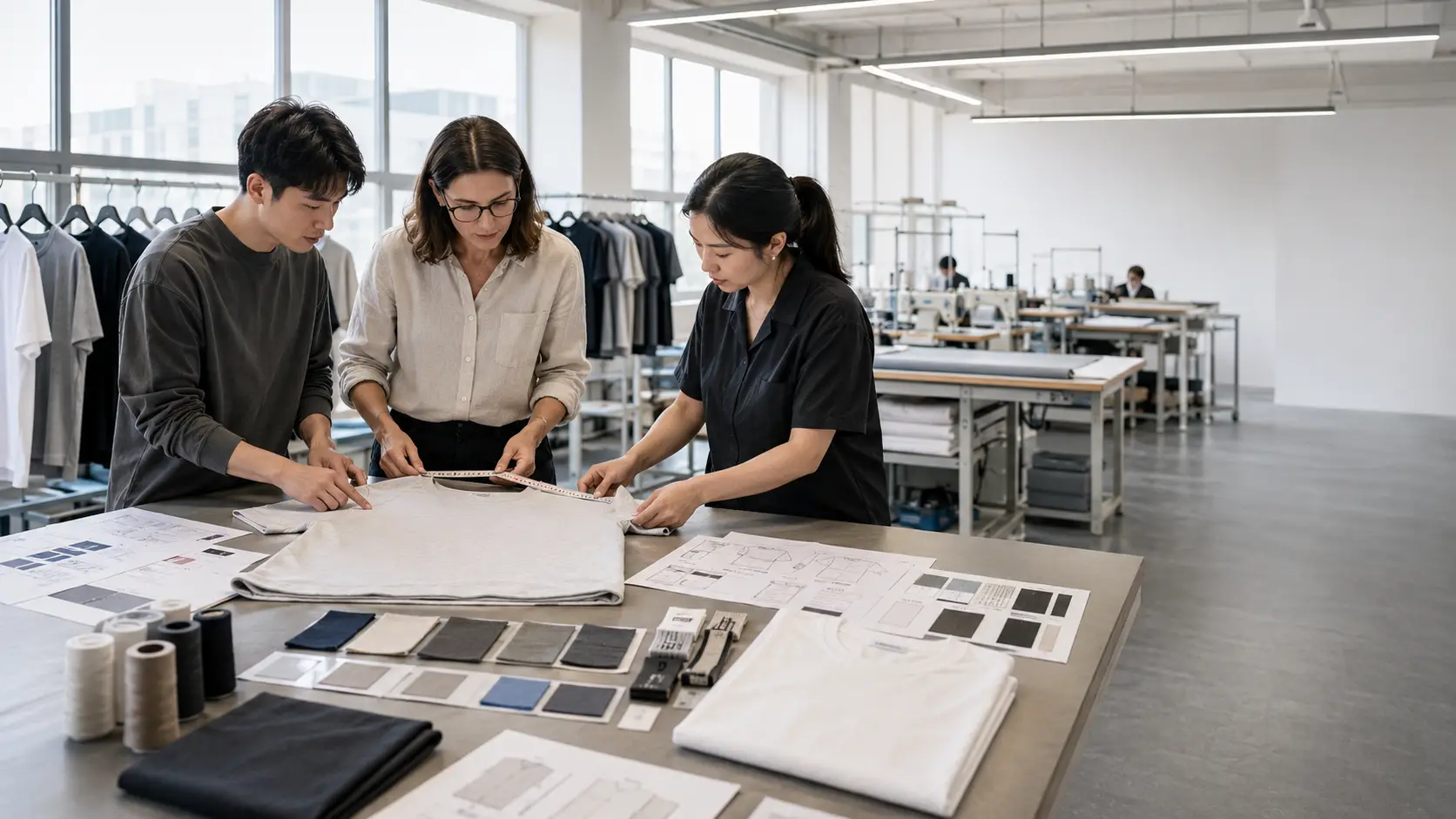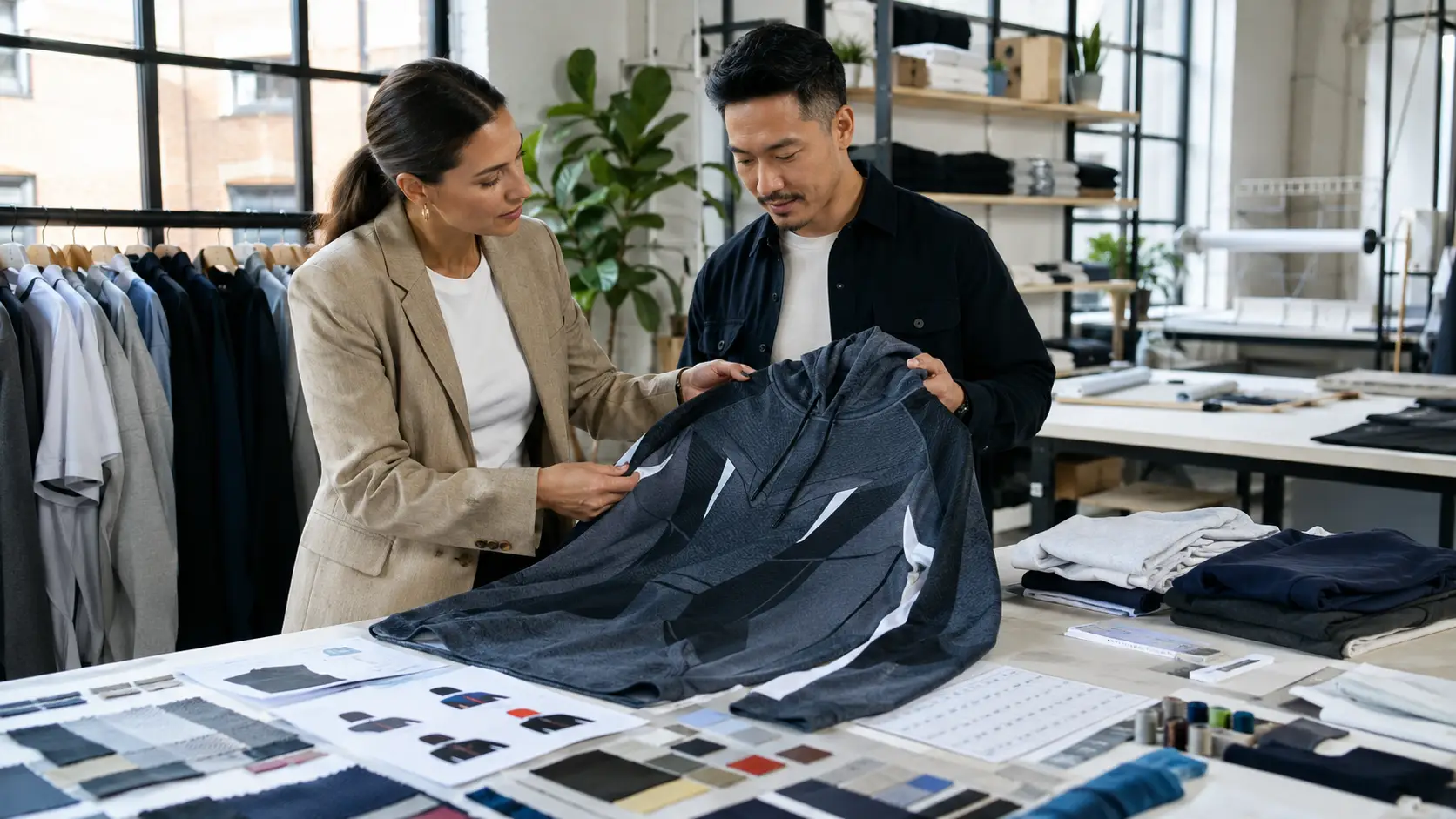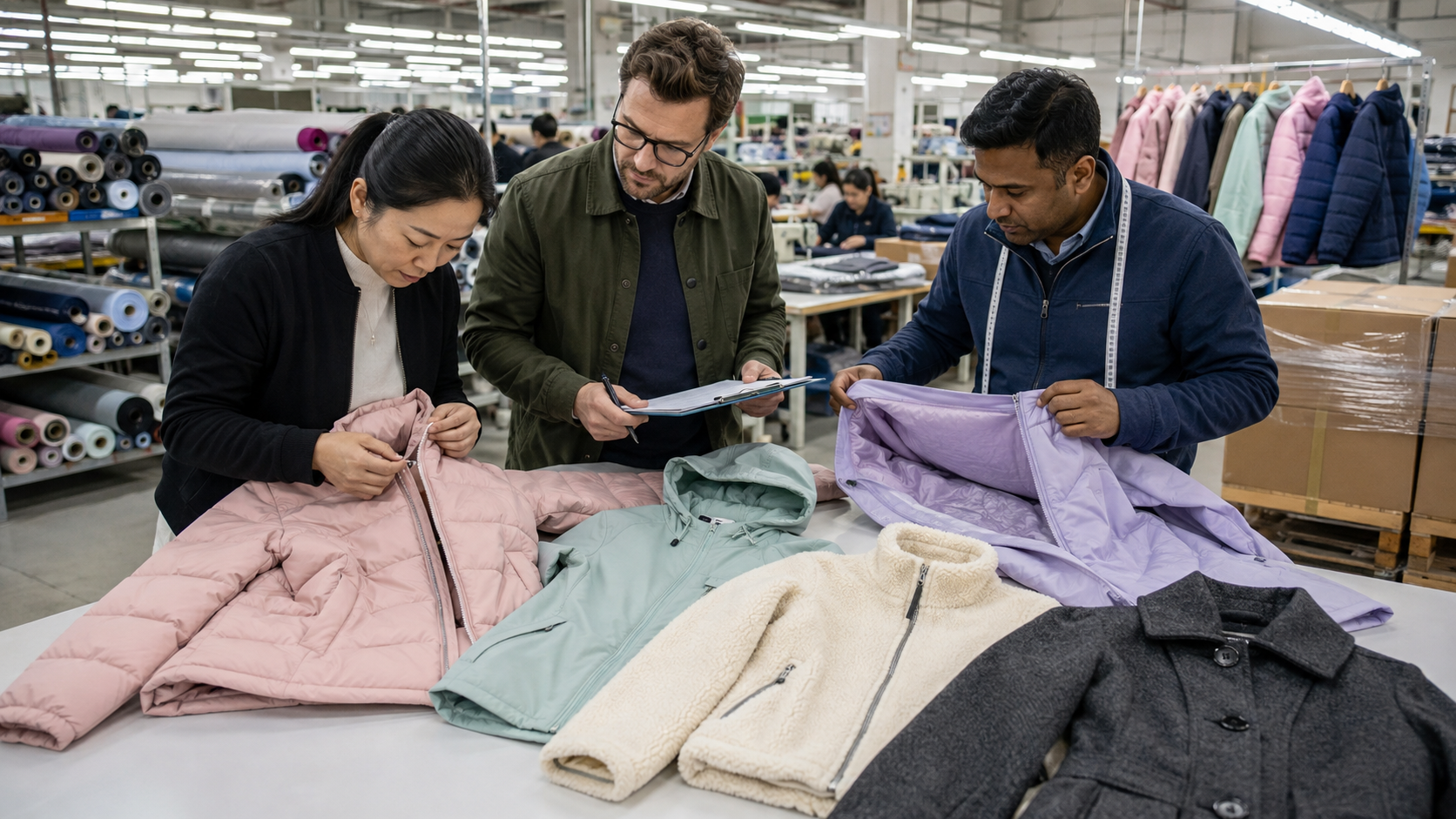
A Girls’ Coats-Jackets Manufacturer produces outerwear for brands, retailers, wholesalers, and private-label buyers. Buyers should compare fabric choices, insulation, sizing, construction, safety, customization, quality control, minimum orders, pricing factors, and delivery plans. Physical samples and detailed specifications should be approved before bulk production begins.
What to Consider When Choosing a Girls’ Coats-Jackets Manufacturer
Choosing a Girls’ Coats-Jackets Manufacturer requires careful product planning. Girls’ outerwear must provide comfort, practical protection, freedom of movement, and an age-appropriate fit. It must also meet the style, quality, price, and seasonal needs of the target market.
A professional Girls’ Coats-Jackets Manufacturer may support fabric sourcing, pattern development, sampling, size grading, sewing, private labeling, quality inspection, packaging, and export preparation. However, buyers should confirm which services are available for their specific product.
The best manufacturing choice depends on the type of outerwear being developed. A lightweight spring jacket has different requirements from a padded winter coat. School outerwear, fashion jackets, rainwear, fleece garments, and promotional clothing also require different materials and construction methods.
Why Choosing the Right Outerwear Manufacturer Matters
A reliable manufacturing partner helps buyers turn a design into a consistent product that can be produced in volume. The manufacturer should understand the intended age group, climate, garment use, retail price level, size range, and sales season.
Girls’ coats and jackets are more complex than many basic garments. A single design may include:
- Outer shell fabric
- Lining
- Interlining or insulation
- Zippers
- Snaps or buttons
- Pockets
- Hoods
- Elastic sections
- Cuffs
- Drawcords
- Decorative trims
- Labels
- Special finishing
Each component can affect comfort, appearance, performance, safety, cost, and production time. Poor material choices may result in a garment that feels heavy, restricts movement, or does not suit the intended weather.
Minmax Textile is one possible custom clothing manufacturer for brands and bulk buyers. Buyers should compare its capabilities, samples, quotations, production terms, and communication with those of other qualified suppliers before committing.
What Does a Girls’ Outerwear Manufacturer Do?
A girls’ outerwear manufacturer develops and produces coats and jackets according to a buyer’s design or product requirements. The factory may work from a technical pack, drawing, measurement chart, product image, reference garment, or written description.
Manufacturing services may include:
- Reviewing the product concept
- Sourcing fabrics and trims
- Developing patterns
- Producing samples
- Grading the pattern into several sizes
- Cutting materials
- Sewing the garment
- Adding insulation and lining
- Applying prints or embroidery
- Attaching labels and tags
- Inspecting finished products
- Packing garments
- Preparing export documents
- Coordinating shipment
Some manufacturers offer only cut-and-sew production. Others provide full-package manufacturing that covers development, sourcing, production, inspection, and packing.
Buyers should study the supplier’s garment manufacturing company profile to understand its general services and product experience. They should then request direct information about the proposed outerwear style.
Common Types of Girls’ Coats and Jackets
Girls’ outerwear can be developed for different seasons, climates, activities, and retail markets. The right style should be based on customer needs instead of fashion trends alone.
Common options include:
- Lightweight casual jackets
- Padded winter jackets
- Puffer jackets
- Fleece jackets
- Denim jackets
- Bomber jackets
- Parkas
- Trench coats
- Wool-blend coats
- Quilted jackets
- Hooded jackets
- Rain jackets
- School jackets
- Varsity jackets
- Soft-shell jackets
- Reversible jackets
- Sherpa-lined jackets
- Fashion coats
A wholesale girls’ clothing manufacturer may help buyers coordinate outerwear with sweaters, tops, jeans, skirts, leggings, or other products. A coordinated collection can use related colors, fabrics, trims, and branding.
Lightweight Jackets
Lightweight jackets can work well during spring, fall, travel, or mild weather. Common materials include cotton twill, lightweight polyester, denim, nylon, and blended woven fabrics.
These garments may use a thin lining or no lining. The design should still provide enough room for a shirt, T-shirt, or light sweater underneath.
Winter Coats and Padded Jackets
Winter outerwear usually requires an insulating layer and a suitable lining. Buyers should decide how much warmth, weight, and bulk the garment should provide.
A padded jacket may use synthetic insulation, while a fashion coat may use wool-blend fabric with a smooth lining. The best option depends on climate, product use, target price, care requirements, and buyer specifications.
Fleece Jackets
Fleece jackets can provide warmth without the structure of a traditional coat. They may be suitable for casualwear, schoolwear, outdoor programs, or layering.
When comparing a fleece jacket supplier, buyers should review fabric weight, softness, surface quality, zipper construction, pocket strength, seam finishing, and performance after washing.
Fashion Coats
Fashion coats focus on silhouette, fabric texture, colors, and decorative details. They may include belts, large collars, pleats, contrast buttons, embroidery, or special pockets.
Buyers can examine a wholesale girls’ coat style as a reference, but clear measurements, construction notes, and approved materials should support every custom order.
How to Select the Right Materials
Material selection affects warmth, comfort, durability, weight, appearance, care needs, and price. Buyers should review the complete fabric system rather than focusing only on the outer shell.
Outer Shell Fabrics
Possible shell materials include:
- Cotton twill
- Polyester
- Nylon
- Denim
- Corduroy
- Canvas
- Soft-shell fabric
- Wool blends
- Faux suede
- Quilted woven fabric
- Water-resistant woven fabric
The chosen fabric should match the garment’s intended use. Denim may work for casual fashion, while lightweight synthetic fabric may suit an everyday wind-resistant jacket.
Buyers should avoid describing a fabric only as “high quality.” Useful specifications include fiber composition, weight, color, weave, finish, stretch, surface texture, and approved reference sample.
Linings
A lining can improve comfort, hide internal construction, and help the coat slide over other clothing. Common options include polyester lining, cotton-rich lining, fleece, jersey, and quilted lining.
The lining should not feel rough against the skin. It should also be properly secured so that it does not twist, sag, or extend below the outer shell.
Insulation
Insulation affects warmth and garment volume. Buyers should state the intended climate and product use instead of asking only for a “warm jacket.”
Important decisions include:
- Insulation type
- Insulation weight
- Distribution across the garment
- Quilting pattern
- Loft
- Wash performance
- Overall garment weight
The manufacturer should prepare a physical sample so the buyer can review the garment’s thickness, feel, and shape.
Sizing, Fit, and Room for Layering
Outerwear needs additional room for clothing worn underneath. A jacket that matches the measurements of a fitted shirt may feel too tight when worn over a sweater.
A coat measurement chart may include:
- Chest width
- Shoulder width
- Body length
- Sleeve length
- Armhole depth
- Upper-arm width
- Cuff opening
- Neck opening
- Hood dimensions
- Bottom opening
- Pocket placement
- Zipper length
The buyer should explain exactly how each measurement is taken. Diagrams can help the manufacturer understand whether a measurement is taken straight across, around the garment, or along a curved seam.
Size Grading
Size grading adjusts the pattern across the full size range. The manufacturer should not enlarge every part of the garment by the same amount.
Sleeves, shoulders, chest width, body length, neck openings, and hoods require balanced grading. Buyers should inspect more than one size when producing a wide range.
Movement and Comfort
A girl should be able to lift her arms, sit, walk, and play without the jacket feeling restrictive. Buyers should review:
- Shoulder movement
- Sleeve shape
- Armhole comfort
- Hood visibility
- Cuff pressure
- Garment weight
- Zipper position
- Pocket access
- Layering space
Fit testing should reflect the intended use. A school coat and a fitted fashion jacket may require different amounts of ease.
Construction Details That Affect Quality
Outerwear quality depends on both materials and artistry. A visually attractive jacket can still cause customer complaints if the zipper fails, lining twists, seams open, or pockets are placed unevenly.
Important construction points include:
- Straight and consistent stitching
- Secure seam construction
- Reinforced pocket openings
- Smooth lining attachment
- Working zippers
- Secure snaps and buttons
- Balanced collars and hoods
- Even insulation
- Clean quilting
- Correct sleeve alignment
- Strong hanger loops
- Accurate label placement
- Clean internal finishing
A buyer reviewing wholesale girls’ jackets should inspect both the outside and inside of the garment. Photos alone may not show lining quality, insulation distribution, zipper movement, or seam strength.
Safety and Age-Appropriate Design
Children’s outerwear should be designed for the intended age group and destination market. Buyers must identify the legal, retailer, and testing requirements that apply where the products will be sold.
Design details that may require careful review include:
- Drawcord placement
- Long straps
- Detachable parts
- Loose buttons
- Decorative beads
- Sharp zipper components
- Snaps
- Toggles
- Hood construction
- Small accessories
- Flammability requirements
- Chemical requirements
Every trim should serve a clear purpose and be securely attached. Decorative details should not be added only because they look attractive.
The buyer should provide all required standards and test protocols before material sourcing and sample approval. Manufacturers should not be expected to guess the rules for every destination market.
Private-Label and Customization Options
Private-label production allows retailers and clothing businesses to sell outerwear under their own brand. The buyer may customize the garment design, color, fabric, trims, labels, packaging, and surface decoration.
Possible options include:
- Custom color combinations
- Contrast panels
- Embroidery
- Printed artwork
- Woven patches
- Appliqué
- Custom zipper pulls
- Branded buttons
- Woven neck labels
- Care labels
- Size labels
- Hangtags
- Barcode stickers
- Individual packaging
- Retail-ready packing
Businesses planning private-label production can review this private-label clothing guide before preparing their order. Clear brand files, color references, label wording, and packaging instructions should be supplied during development.
Customization can increase material requirements, sample time, and production complexity. Buyers should finalize branded details before bulk manufacturing begins.
Samples, MOQs, Pricing, and Production Schedules
Samples allow buyers to examine the fit, fabric, lining, insulation, trims, artistry, branding, and overall appearance before approving bulk production.
Common sample stages include:
- Development sample: Tests the first version of the design.
- Fit sample: Reviews measurements, shape, layering room, and movement.
- Size-set sample: Checks grading across selected sizes.
- Material or trim sample: Confirms fabric, quilting, zipper, snaps, or decoration.
- Pre-production sample: Represents the final approved garment.
- Shipment sample: Shows the product taken from bulk production.
Not every project requires every sample type. A complex padded coat may need more development than a basic unlined jacket.
Minimum Order Quantity
Minimum order quantity, or MOQ, is the smallest quantity a manufacturer accepts. It may apply per design, fabric, color, insulation type, or size range.
MOQ can be affected by:
- Fabric availability
- Custom fabric colors
- Insulation requirements
- Custom zippers
- Number of colorways
- Printing or embroidery
- Labels
- Packaging
- Production capacity
Buyers should ask what the MOQ applies to. A total order divided among many colors and designs may not meet the required quantity for each material.
Pricing Factors
The cost of girls’ coats and jackets can depend on:
- Shell fabric
- Lining
- Insulation
- Fabric consumption
- Number of layers
- Size range
- Order quantity
- Zippers and snaps
- Hood construction
- Pocket design
- Quilting
- Embroidery or printing
- Labels and packaging
- Testing requirements
- Delivery terms
Buyers should request a written quotation that explains what is included. Sample charges, testing, freight, insurance, duties, and taxes may be quoted separately.
Production and Delivery Time
The schedule may depend on material sourcing, sample revisions, buyer approvals, order size, garment complexity, factory capacity, inspection, and packaging.
Seasonal buyers should allow extra time for transportation and customs clearance. The factory completion date is not the same as the final delivery date.
Quality Control Before Shipment
Quality control should begin before bulk materials are cut. Early checks can prevent one error from affecting the complete order.
Buyers should approve:
- Technical pack
- Measurement chart
- Grading rules
- Shell fabric
- Lining
- Insulation
- Colors
- Zippers and fasteners
- Artwork
- Labels
- Packaging
- Pre-production sample
Production inspections may examine stitching, measurements, shade consistency, quilting, insulation placement, zipper function, trims, labels, and general artistry.
A final inspection may check:
- Garment measurements
- Fabric appearance
- Lining condition
- Seam quality
- Zipper movement
- Button and snap attachment
- Hood shape
- Pocket placement
- Decoration accuracy
- Label information
- Stains or damage
- Packing method
- Carton quantity
The buyer may use the manufacturer’s quality team, its own inspector, or an independent inspection company.
How to Compare Girls’ Outerwear Manufacturers
A reliable supplier should provide clear answers, realistic timelines, physical samples, and written production terms.
Use this checklist when comparing manufacturers:
- Experience with children’s outerwear
- Suitable fabric-sourcing options
- Pattern and sample capabilities
- Size-grading knowledge
- Lining and insulation experience
- Access to reliable zippers and trims
- Private-label services
- Quality-control procedures
- Clear MOQ requirements
- Detailed quotations
- Realistic production schedules
- Export and shipping support
- Consistent communication
- Documented approvals
A supplier’s willingness to agree with every request does not prove that it can produce the garment correctly. Approved samples, relevant experience, written specifications, and clear quality procedures provide stronger evidence.
Questions to Ask Before Ordering
Buyers should ask:
- Have you produced similar girls’ jackets or coats?
- Which shell, lining, and insulation materials can you source?
- Can you work from a technical pack or reference sample?
- How do you calculate the MOQ?
- Which sample stages do you recommend?
- How do you test fit and layering room?
- Can you provide custom labels and packaging?
- Which quality checks occur during production?
- Can required laboratory testing be arranged?
- What is included in the quotation?
- How long will sampling and production take?
- Which shipping terms are available?
- How are defects or shortages handled?
- How are changes and approvals recorded?
Send the same product information and questions to every shortlisted supplier. This makes quotations and capabilities easier to compare.
Common Outerwear Sourcing Mistakes
Choosing the Lowest Quote Without Comparing Details
A lower quotation may use a different shell fabric, thinner lining, lighter insulation, simpler construction, or less expensive trims. Compare identical specifications before judging price.
Ignoring Layering Room
A coat may match the measurement chart but still feel too tight over winter clothing. Test the sample with the type of garment customers are likely to wear underneath.
Approving Materials Through Photos
Pictures cannot accurately show weight, softness, thickness, surface texture, or insulation. Request physical swatches and samples when possible.
Using Unclear Warmth Descriptions
Terms such as “warm,” “thick,” or “winter quality” are not precise. Provide material specifications and explain the climate and intended use.
Skipping Zipper and Fastener Checks
A faulty zipper can make an otherwise acceptable jacket unusable. Test zipper movement, snap security, buttons, and pocket closures during sampling and inspection.
Making Late Design Changes
Changes to insulation, zippers, lining, colors, labels, or packaging can affect cost and delivery. Approve these details before production.
A Practical Ordering Process
- Define the outerwear product. Choose the jacket or coat style, intended climate, age group, fabric, insulation, lining, colors, and size range.
- Prepare clear specifications. Include measurements, construction details, trims, branding, artwork, labels, and packaging.
- Shortlist suitable manufacturers. Compare relevant outerwear experience, sampling ability, MOQs, quality procedures, and communication.
- Request comparable quotations. Send every manufacturer the same specifications and quantity information.
- Review materials. Approve physical samples of the shell, lining, insulation, zippers, snaps, and decorative trims.
- Develop and test samples. Check appearance, measurements, layering room, movement, comfort, and artistry.
- Approve production terms. Confirm the final sample, price, quantity, size breakdown, schedule, payment terms, packaging, and shipping terms.
- Monitor bulk manufacturing. Request progress updates and record any approved changes in writing.
- Inspect the finished order. Compare completed garments with the approved sample and technical specifications.
- Confirm shipment details. Review packing lists, invoices, carton quantities, delivery terms, and required export records.
Frequently Asked Questions
What does a girls’ coats and jackets manufacturer do?
A girls’ coats and jackets manufacturer develops and produces outerwear for fashion brands, retailers, wholesalers, and private-label businesses. Services may include sourcing, sampling, grading, sewing, customization, inspection, packaging, and export preparation.
Which materials are suitable for girls’ jackets?
The right materials depend on the season, climate, design, and intended use. Common options include cotton twill, polyester, nylon, denim, fleece, corduroy, wool blends, quilted fabric, and soft-shell materials.
Can a manufacturer add private labels?
Yes, many manufacturers can add woven labels, care labels, size labels, hangtags, barcode stickers, custom zipper pulls, and branded packaging. The available options should be confirmed before sampling.
What affects the price of girls’ outerwear?
Pricing depends on the shell fabric, lining, insulation, garment size, construction, trims, order quantity, decoration, testing, packaging, and delivery terms.
How can buyers check outerwear quality?
Buyers should approve all materials and a pre-production sample. They should also inspect measurements, seams, lining, insulation, zippers, snaps, pockets, labels, decorations, and packaging before shipment.
How long does bulk coat or jacket production take?
There is no universal timeline. The schedule depends on material availability, sample approval, garment complexity, order size, factory capacity, testing, packaging, and shipping arrangements.
Prepare Your Girls’ Outerwear Project for Production
Choosing a Girls’ Coats-Jackets Manufacturer begins with a clear product plan. Buyers should define the style, climate, fabric, lining, insulation, fit, size range, order quantity, branding, quality requirements, packaging, and delivery destination.
Request physical materials and product samples before approving bulk manufacturing. Test the garment for measurements, layering space, movement, zipper function, comfort, and artistry. Keep every important approval in writing and allow enough time for development, production, inspection, and shipping.
Brands, retailers, wholesalers, and importers can request a girls’ outerwear manufacturing quote after preparing their designs, estimated quantities, size range, fabric preferences, branding needs, and target delivery schedule. Comparing qualified manufacturers with the same specifications will support a more informed sourcing decision.