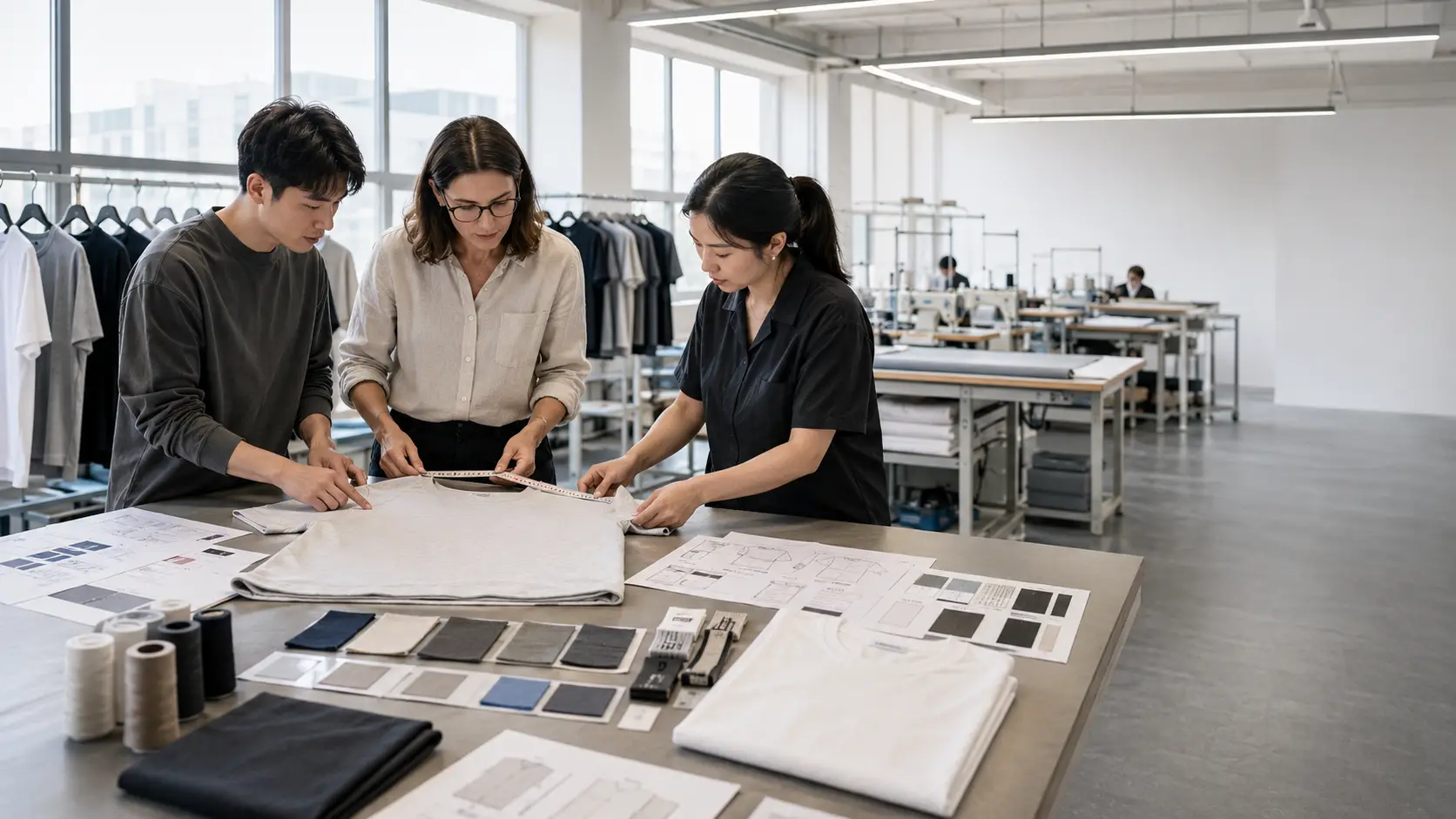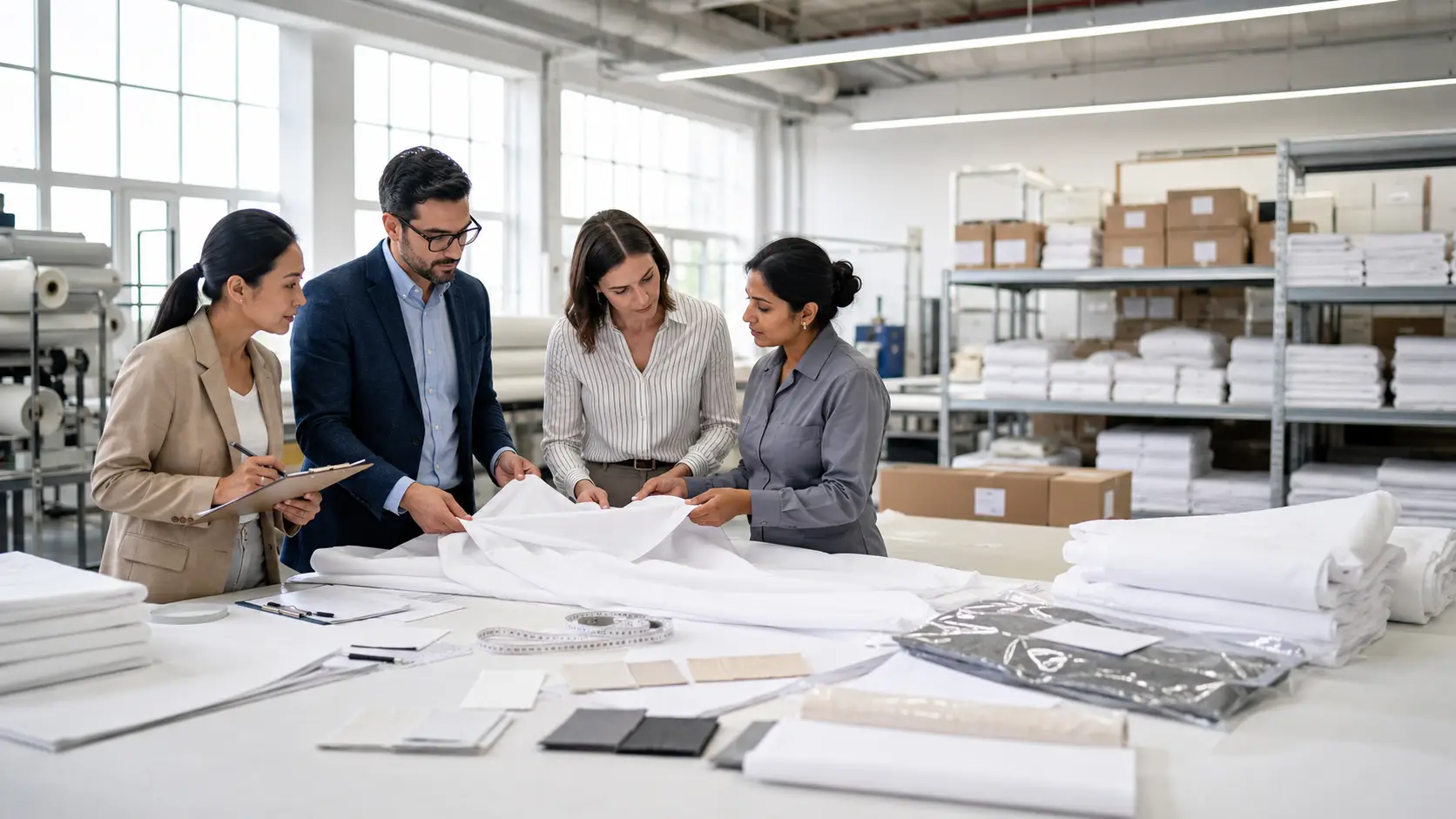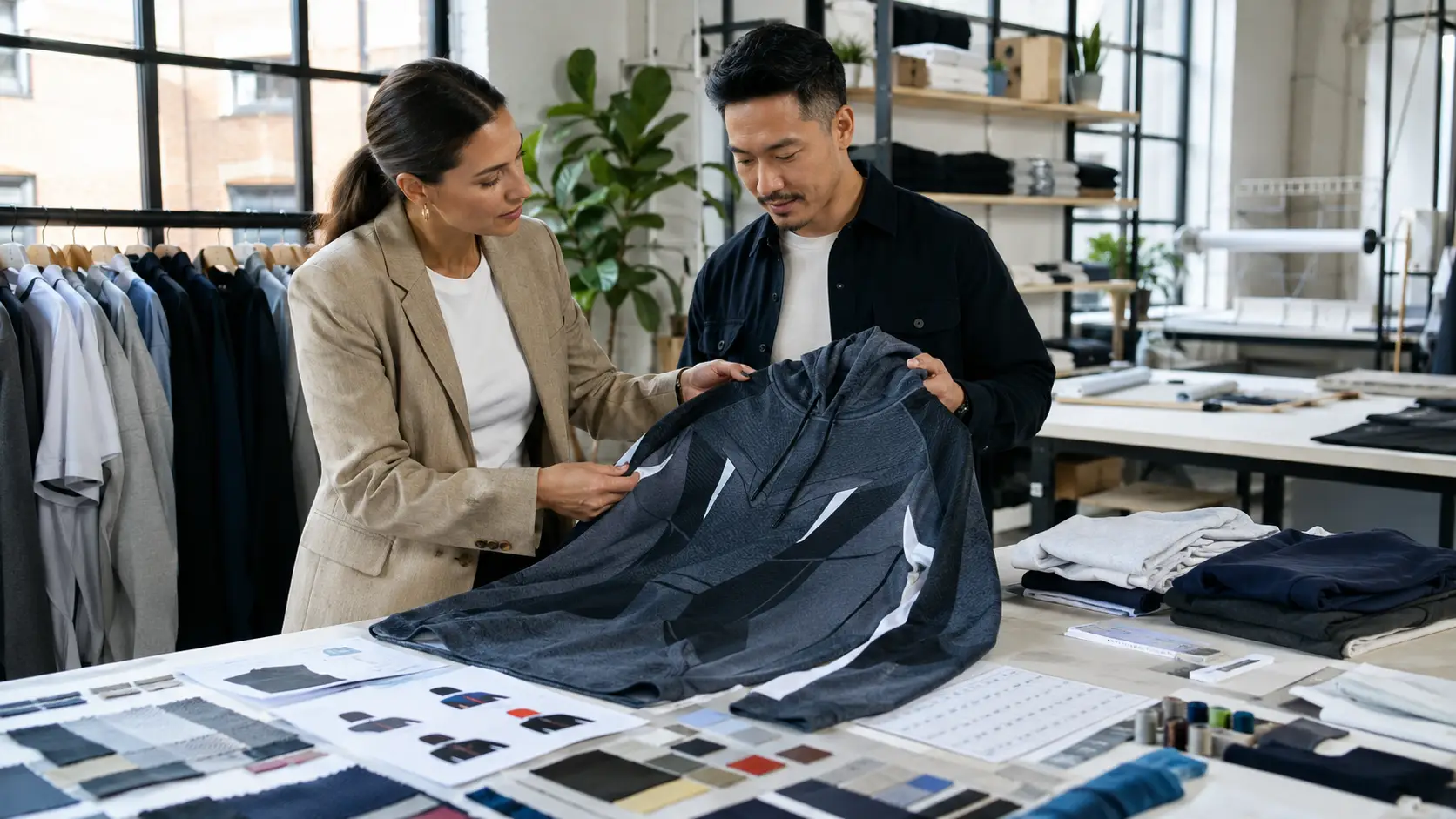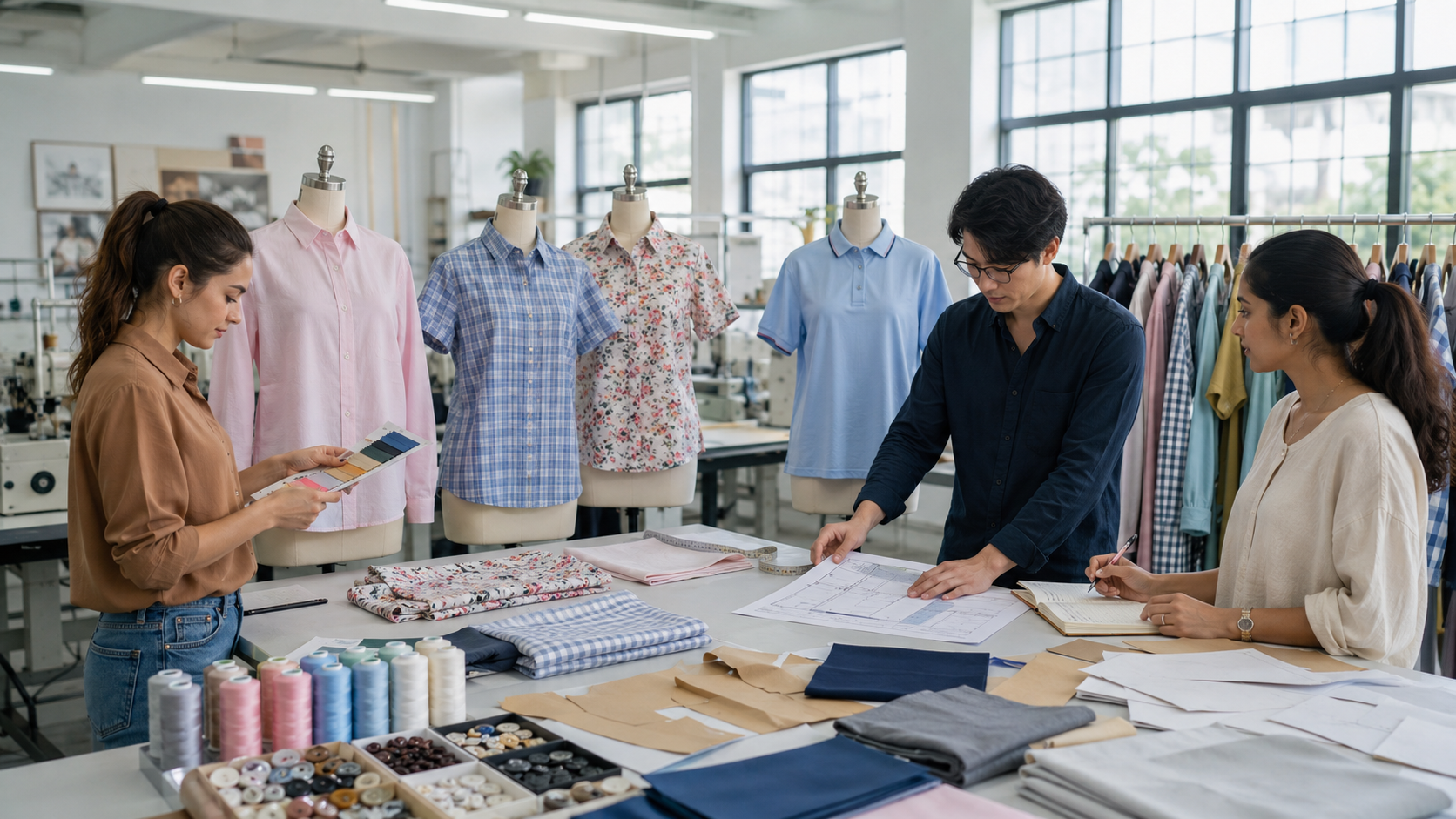
A girls’ shirts manufacturer develops and produces shirts for fashion brands, retailers, wholesalers, schoolwear suppliers, and online stores. Manufacturing services can include fabric sourcing, pattern development, sampling, size grading, printing, embroidery, private labeling, quality inspection, packaging, and international shipping based on the buyer’s design and order requirements.
Why Sourcing Girls’ Shirts Requires Careful Planning
Finding the right Girls’ Shirts Manufacturer involves more than comparing unit prices. Girls’ shirts must feel comfortable, fit correctly, support movement, and hold up through regular washing. They must also match the style, quality level, and price expectations of the target market.
A fashion brand may want seasonal shirts with custom prints, decorative collars, or unique trims. A schoolwear supplier may need simple designs, consistent colors, and strong seams. Retailers often need a broad size range, while online stores depend on accurate measurements because customers cannot try on the garment before ordering.
These different needs affect almost every production decision, including:
- Shirt style and intended use
- Fabric composition and weight
- Target age group
- Size range and grading
- Stitching and construction
- Buttons and decorative trims
- Printing or embroidery
- Labels and packaging
- Order quantity
- Testing requirements
- Production schedule
- Shipping destination
The right manufacturing partner should understand these details before offering a final quotation. Buyers should clearly define the product and compare several qualified factories using the same specifications.
Minmax Textile is one possible custom clothing manufacturer for brands, retailers, wholesalers, and other bulk buyers. As with any supplier, buyers should review its capabilities, request samples, clarify order terms, and compare the company with other suitable manufacturers.
What Does a Girls’ Shirts Manufacturer Do?
A girls’ shirts manufacturer turns a product idea into a finished garment that can be produced in bulk. The factory may work from a technical pack, sketch, measurement chart, reference garment, or product image.
Depending on its services, the manufacturer may handle:
- Design review
- Fabric and trim sourcing
- Pattern development
- Sample production
- Size grading
- Fabric cutting
- Sewing and assembly
- Printing and embroidery
- Garment washing
- Label application
- Quality inspection
- Folding and packaging
- Export documentation
- Shipping coordination
Some suppliers focus only on cutting and sewing. Others provide full-package production from development through shipment. Buyers should therefore examine the manufacturer’s garment company profile before deciding whether its services match the project.
A company profile may help buyers understand the supplier’s product categories, production experience, sample process, quality procedures, and export capabilities. However, the buyer should still request direct answers about the specific product being developed.
Custom Manufacturing
Custom manufacturing follows the buyer’s original design and specifications. The buyer normally controls the fabric, fit, measurements, colors, trims, decorations, labels, and packaging.
This option works well for established brands that want original products. It requires clear instructions and often involves several sample revisions before bulk production begins.
Wholesale Manufacturing
Wholesale manufacturing allows buyers to order established styles in larger quantities. Some design changes may be available, such as different colors, labels, or packaging.
This model can be useful for retailers, distributors, and businesses that want to enter the market without developing every detail from the beginning.
Private-Label Manufacturing
Private-label manufacturing allows a business to sell garments under its own brand name. The manufacturer may add woven labels, printed care labels, size labels, hangtags, barcode stickers, and branded packaging.
Private-label orders may use existing designs, modified designs, or fully custom products. Buyers should confirm how much customization the factory permits.
OEM Manufacturing
An original equipment manufacturer, or OEM, produces a garment according to the buyer’s detailed design. The buyer usually provides a technical pack with measurements, construction instructions, artwork, colors, and material requirements.
OEM production gives the brand more control, but it also requires accurate documentation and careful approval at each stage.
| Production model | Main feature | Best for |
|---|---|---|
| Custom | Original product developed for the buyer | Fashion brands and designers |
| Wholesale | Existing styles ordered in volume | Retailers and distributors |
| Private label | Products carry the buyer’s branding | Online stores and growing brands |
| OEM | Factory follows detailed buyer specifications | Brands with complete product plans |
Girls’ Shirt Styles for Different Markets
A manufacturer may produce casual, formal, school, fashion, and uniform shirts for several age groups. Buyers should choose styles based on customer needs, climate, retail season, and intended use.
Common girls’ shirt styles include:
- Classic button-down shirts
- Short-sleeve woven shirts
- Long-sleeve shirts
- School uniform shirts
- Oxford shirts
- Poplin shirts
- Chambray shirts
- Denim shirts
- Plaid and flannel shirts
- Printed fashion shirts
- Ruffled shirts
- Puff-sleeve shirts
- Camp-collar shirts
- Tunic shirts
- Relaxed-fit shirts
- Oversized shirts
- Western-style shirts
- Shirt-and-short sets
Brands developing a complete collection may also compare shirts with other products from a wholesale girls’ clothing manufacturer. A balanced range could combine shirts with T-shirts, polo shirts, skirts, jeans, sweaters, jackets, or shorts.
Casual and Fashion Shirts
Casual shirts may feature prints, stripes, checks, embroidery, decorative collars, or contrast panels. These designs are suitable for fashion retailers, department stores, boutiques, and online clothing brands.
The fabric should support the intended look. A soft fabric may suit a relaxed summer shirt, while a firmer fabric can provide structure for a button-down or overshirt.
School and Uniform Shirts
School shirts usually need consistent sizing, simple care instructions, durable seams, and stable colors. White, light blue, and other uniform colors may require careful shade control across repeat orders.
Buttons must be attached securely, and the collar should retain its shape. Buyers may also request embroidered school logos, woven labels, or individual student packaging.
Polo Shirts
Polo shirts work well for schools, sports clubs, hospitality businesses, promotional programs, and casual retail collections. Buyers seeking a Girls’ Polo Shirts manufacturer should review the collar construction, placket shape, button attachment, sleeve finish, and fabric recovery.
Piqué, jersey, and blended fabrics are common options. The right material depends on climate, comfort, washing needs, and price level.
Western and Statement Shirts
Western shirts may include shaped yokes, snap buttons, curved pockets, contrast stitching, or decorative embroidery. Buyers interested in custom girls’ western shirts should provide clear reference images for each design detail.
Decorative features should suit the intended age group. Trims must be secure, practical, and appropriate for children’s clothing.
Selecting Fabric, GSM, and Construction Details
Fabric affects comfort, appearance, durability, shrinkage, and production cost. Buyers should choose it according to the shirt style, selling season, destination climate, and customer expectations.
Common materials for girls’ shirts include:
- Cotton poplin
- Cotton voile
- Cotton twill
- Oxford fabric
- Chambray
- Denim
- Flannel
- Linen blends
- Cotton-polyester blends
- Viscose blends
- Stretch woven fabric
Cotton can provide softness and breathability. Cotton-polyester blends may offer easier care and improved shape retention. Viscose blends can create a softer drape, while twill and denim provide more structure.
There is no single fabric that is best for every girls’ shirt. A school uniform, summer fashion shirt, denim overshirt, and formal blouse each have different performance needs.
What Does GSM Mean?
GSM means grams per square meter. It describes fabric weight rather than overall quality.
A lower-GSM fabric is generally lighter. A higher-GSM fabric is usually heavier. However, two fabrics with the same GSM can still feel different because of their yarn, weave, finish, and composition.
Buyers should examine a physical fabric swatch before approval. They should also ask how the material behaves after washing, printing, pressing, and regular wear.
Stitching and Construction
Strong construction helps a garment maintain its shape. Buyers should inspect:
- Seam consistency
- Stitch density
- Collar symmetry
- Cuff alignment
- Pocket placement
- Button security
- Buttonhole finishing
- Hem quality
- Loose threads
- Measurement accuracy
- Print or embroidery placement
Seams that touch the skin should feel smooth. The neck opening should also be practical for the target age group.
When sourcing a full children’s range, a qualified kids’ clothing manufacturer should understand that fit, construction, and trim requirements change across age groups. A design for a toddler should not simply be enlarged for an older child.
Shrinkage and Colorfastness
Shrinkage can change the shirt’s fit after washing. Colorfastness refers to how well the color resists washing, rubbing, fading, or transferring to another material.
Testing needs depend on the fabric, dye, print method, product use, retailer requirements, and destination market. Buyers should provide their required testing standards before production.
A supplier should not guess which standards apply. The buyer remains responsible for identifying the legal and retail requirements of the market where the product will be sold.
Sizing and Fit for Girls’ Shirts
Accurate sizing is one of the most important parts of children’s clothing production. Age labels alone do not provide enough information because body proportions and brand fits can differ.
A girls’ shirt measurement chart may include:
- Chest width
- Shoulder width
- Body length
- Sleeve length
- Armhole depth
- Neck opening
- Collar width
- Cuff opening
- Bottom opening
- Pocket dimensions
- Placket length
The buyer should state how each measurement is taken. A diagram can prevent confusion between measurements taken around the body and those taken across the garment.
Size Grading
Size grading is the process of increasing or decreasing measurements across the size range. The changes must remain balanced.
A small shirt cannot simply be enlarged equally in every direction. Shoulder width, sleeve length, chest width, body length, and neck opening may require different grading rules.
Buyers should approve a fit sample before reviewing the complete size set. For a wide size range, checking more than one size can reveal grading problems before bulk cutting begins.
Fit Allowance
Fit allowance is the additional room that supports movement and creates the intended shape. A formal shirt may have a closer fit, while an oversized shirt requires more width and length.
The technical pack should clearly identify the intended fit:
- Slim
- Regular
- Relaxed
- Loose
- Oversized
Words such as “comfortable” or “slightly loose” can mean different things to different people. Exact measurements provide clearer guidance.
Printing, Embroidery, Labels, and Packaging
Customization helps a girls’ shirt reflect the buyer’s brand. It may involve colors, prints, embroidery, buttons, labels, tags, or packaging.
Available options may include:
- Screen printing
- Digital printing
- All-over printing
- Heat-transfer designs
- Embroidery
- Appliqué
- Woven patches
- Contrast stitching
- Custom buttons
- Buyer-selected fabric colors
- Woven brand labels
- Printed care labels
- Size labels
- Hangtags
- Barcode stickers
- Custom packaging
The decoration method should suit the fabric. A print that works well on a smooth cotton shirt may not produce the same result on textured flannel or stretch fabric.
Artwork instructions should include:
- Final design file
- Decoration dimensions
- Exact placement
- Color references
- Approved technique
- Distance from seams
- Orientation
- Special finishing requirements
Labels and Tags
Label requirements depend on the product and destination market. Information may include fiber composition, size, country of origin, care instructions, and responsible company details.
Buyers should confirm applicable rules with a qualified compliance professional. The manufacturer should receive the final approved wording rather than being expected to create legal label information independently.
Packaging
Packaging options may include bulk packing, individual bags, paper bands, hangers, barcode labels, size stickers, or retail-ready cartons.
Online stores may need individual protective packaging and scannable barcodes. Retail stores may require folding instructions, hangtags, or display-ready packs.
Packaging decisions should be made during product development. Late packaging changes can affect pricing and delivery schedules.
Samples, MOQs, Pricing, and Production Time
Samples allow buyers to inspect the product before approving a bulk order. A sample may reveal issues with fit, fabric, construction, color, labels, or decoration.
Common sample stages include:
- Development sample: Reviews the first version of the design.
- Fit sample: Checks measurements, shape, and comfort.
- Size-set sample: Reviews grading across several sizes.
- Decoration sample: Confirms printing or embroidery.
- Pre-production sample: Represents the approved bulk product.
- Shipment sample: Shows the finished garment from production.
Not every order needs every sample stage. A simple wholesale product may require fewer approvals than a fully custom OEM design.
Minimum Order Quantity
Minimum order quantity, or MOQ, is the smallest order a manufacturer accepts. An MOQ may apply per style, fabric, color, print, or size range.
The required quantity may change based on:
- Fabric availability
- Custom dyeing
- Number of colors
- Printing method
- Custom trims
- Size breakdown
- Packaging requirements
- Production capacity
Buyers should ask what the quoted MOQ applies to. A total order of 2,000 garments split among ten colors may be treated differently from 2,000 garments in one color.
Pricing Factors
The price of a girls’ shirt may be affected by:
- Fabric composition
- Fabric weight
- Fabric consumption
- Order volume
- Size range
- Number of colors
- Pattern complexity
- Stitching details
- Printing or embroidery
- Custom trims
- Labels and hangtags
- Testing
- Packaging
- Shipping terms
A useful quotation should state what is included. Buyers should also ask whether sample fees, testing, freight, insurance, duties, and taxes are separate.
Lead Times
Production time depends on material sourcing, sample approval, order size, design complexity, and factory capacity. The shipping schedule must then be added to the production schedule.
Buyers should avoid setting a retail launch date based only on the sewing period. Fabric sourcing, sample revisions, inspections, documentation, customs clearance, and inland transport can all require additional time.
For buyers developing bulk children’s schoolwear, seasonal planning is especially important. Products should reach schools, uniform shops, and distributors before the main purchasing period begins.
Quality-Control Checks Before Bulk Production
Quality control should start before fabric is cut. A final inspection cannot fully correct a mistake that affects every finished garment.
Before production, buyers should approve:
- Technical pack
- Fabric composition
- Fabric weight
- Color standard
- Shrinkage expectations
- Trims and buttons
- Measurement chart
- Size grading
- Artwork
- Decoration placement
- Labels
- Packaging
- Pre-production sample
During production, inspections may cover cutting, stitching, measurements, shade consistency, button attachment, decoration, and artistry.
A final inspection should compare the finished products with the approved specifications. Checks may include:
- Garment measurements
- Fabric shade
- Stitch condition
- Collar shape
- Button function
- Print alignment
- Embroidery quality
- Label accuracy
- Loose threads
- Stains or damage
- Folding and packaging
- Carton quantity
The buyer may use the factory’s quality team, its own representative, or an independent inspection company. The right approach depends on the order value, product complexity, and level of risk.
Local Expectations Across Major Markets
Girls’ shirt requirements can differ between markets. Buyers should consider climate, sizing, labeling, retail practices, and customer preferences.
USA and Canada
Buyers in the USA and Canada often need clear size charts, practical care instructions, and retail-ready packaging. Schoolwear, casual shirts, denim styles, and seasonal flannel products may serve different sales periods.
Canadian buyers may also need bilingual product information depending on where and how garments are sold. Buyers should confirm the specific rules that apply.
UK, Germany, and the Netherlands
Schoolwear is an important category for many UK buyers. Consistent colors, durable construction, and repeat-order sizing can be major priorities.
Buyers serving Germany or the Netherlands may place greater attention on material information, product traceability, responsible sourcing, and packaging choices. Sustainability claims should always be supported by accurate documentation.
Australia and South Africa
Warm climates can increase demand for breathable fabrics, short sleeves, and easy-care materials. However, seasonal and regional conditions still vary.
Buyers should select fabric weight based on the actual customer and sales season, rather than assuming every product should be lightweight.
UAE, Saudi Arabia, and Qatar
Buyers in the UAE, Saudi Arabia, and Qatar may prefer breathable fabrics and modest design options. Retailers may also require longer sleeves, relaxed fits, or shirts designed for layering.
Corporate, hospitality, school, and promotional buyers may need consistent colors and custom embroidery. Packaging and delivery requirements should be confirmed before production.
How to Choose a Reliable Manufacturing Partner
A reliable manufacturer should communicate clearly, understand technical instructions, and provide realistic production information.
Use this checklist when comparing suppliers:
- Relevant girlswear experience
- Fabric-sourcing ability
- Pattern and sample support
- Size-grading knowledge
- Printing and embroidery options
- Private-label services
- Quality-control procedures
- Clear MOQ terms
- Realistic lead times
- Export and packaging support
- Written quotations
- Documented approvals
- Clear communication
A professional supplier should be willing to explain what it can and cannot produce. Vague promises are not a substitute for approved samples, written specifications, and clear order terms.
Questions to Ask Before Ordering
Ask each shortlisted manufacturer:
- Have you produced similar girls’ shirts?
- Can you work from a technical pack?
- Can you develop a product from a reference sample?
- Which fabrics are available?
- What does the MOQ apply to?
- How is pricing calculated?
- Which sample stages are recommended?
- How do you check measurements and grading?
- Can you provide custom labels and packaging?
- Which quality checks take place during production?
- What testing can be arranged?
- What is included in the quotation?
- Which shipping terms are available?
- How are defects or shortages handled?
- How will changes and approvals be recorded?
Ask all shortlisted suppliers the same questions. This makes their answers and quotations easier to compare.
Common Girls’ Shirt Sourcing Mistakes
Choosing Only by Price
The lowest quotation may use a different fabric, simpler stitching, weaker packaging, or fewer quality checks. Compare the complete specification, not only the final number.
Sending Incomplete Product Details
A reference image does not explain fabric composition, measurements, colors, stitching, labels, or packaging. Prepare a technical pack or written specification.
Skipping Physical Samples
Photographs cannot show exact fabric feel, fit, seam quality, or color. Review a physical sample whenever possible.
Using Unclear Color Names
Terms such as light pink or dark blue can be interpreted differently. Use an approved swatch or recognized color reference.
Ignoring Shrinkage
A sample may fit correctly before washing but become too small afterward. Discuss shrinkage and care testing before bulk production.
Approving Without Measurements
A shirt can look correct while falling outside the approved measurement tolerance. Check both appearance and dimensions.
Making Late Changes
Changing fabric, trims, artwork, labels, or packaging after production begins can cause delays and added costs. Finalize details before bulk approval.
Allowing Too Little Shipping Time
Production completion is not the same as delivery. Include inspection, packing, freight, customs, and local transportation in the schedule.
A Simple Girls’ Shirt Ordering Process
- Define the product. Choose the style, target age group, fabric, fit, size range, colors, and estimated quantity.
- Prepare the specifications. Provide measurements, construction details, artwork, trims, labels, and packaging instructions.
- Shortlist manufacturers. Compare relevant experience, product capabilities, MOQs, communication, and quality procedures.
- Request comparable quotations. Send the same specifications to each supplier.
- Develop samples. Check the fabric, fit, measurements, construction, colors, and decoration.
- Revise and approve. Record all changes and approve the final pre-production sample.
- Confirm commercial terms. Agree on quantity, size breakdown, price, payment terms, production schedule, packaging, and shipping.
- Monitor production. Request updates and document any approved changes.
- Inspect the bulk order. Compare finished garments with the approved sample and specifications.
- Review shipping documents. Confirm the invoice, packing list, carton details, and other required documents before dispatch.
Frequently Asked Questions
What does a girls’ shirts manufacturer do?
A girls’ shirts manufacturer develops and produces shirts for clothing brands, retailers, wholesalers, uniform suppliers, and online stores. Services may include sourcing, sampling, sewing, customization, labeling, inspection, packaging, and shipping.
What is the difference between private-label and OEM shirts?
Private-label production places the buyer’s branding on an existing or modified product. OEM manufacturing follows an original buyer-provided design and detailed technical specifications.
What is the usual MOQ for girls’ shirts?
There is no universal MOQ. The required quantity depends on the fabric, style, number of colors, size range, decorations, custom trims, and packaging.
How can buyers check quality before bulk production?
Buyers should approve the fabric, measurements, trims, artwork, labels, packaging, and pre-production sample. They can also arrange inspections during and after production.
Which fabric is best for girls’ shirts?
The best fabric depends on the shirt style, climate, season, care needs, and target price. Cotton poplin, Oxford, chambray, denim, twill, flannel, and blended fabrics are common choices.
Prepare Clear Requirements Before Requesting Production
Choosing a girls’ shirts manufacturer requires a clear product plan. Define the style, fabric, fit, size range, order quantity, colors, branding, packaging, quality requirements, and delivery destination before comparing suppliers.
Request samples and review them carefully. Check measurements as well as appearance. Confirm every important decision in writing and allow enough time for development, bulk production, inspection, and shipping.
Brands, retailers, importers, and uniform buyers can request a girls’ shirt manufacturing quote from Minmax Textile or another qualified supplier. Comparing several manufacturers with the same specifications will help buyers make a more informed sourcing decision.