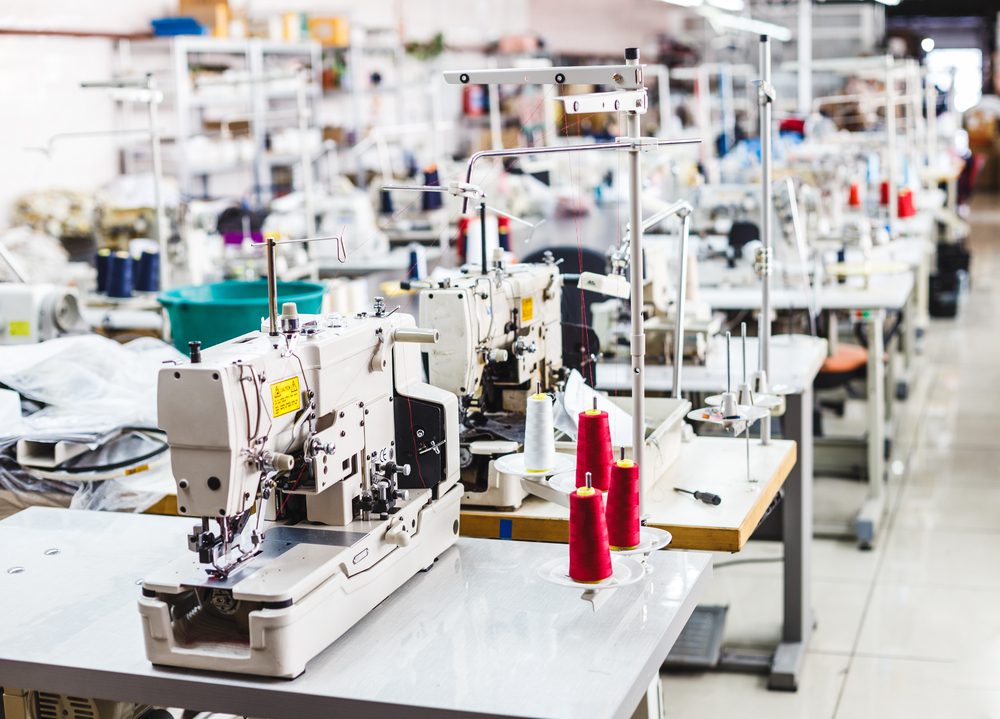
Clothing manufacturing costs include fabric, labor, trims, packaging, shipping, compliance, and overhead expenses. Understanding these costs helps fashion brands set profitable prices, improve margins, and choose the right manufacturing partners. This guide explains how apparel production costs are calculated and how brands in the USA, UK, Canada, France, and Germany can create competitive pricing strategies.
Clothing Manufacturing Costs: A Practical Guide to Pricing
Launching a clothing brand is exciting. However, one of the biggest challenges is determining how much it actually costs to manufacture a garment and what price to charge customers.
Many fashion startups underestimate production expenses. They focus only on fabric costs and forget about labor, shipping, packaging, quality control, duties, and marketing. The result? Thin profit margins or even losses.
Whether you’re building a streetwear brand in New York, an activewear label in Toronto, a fashion startup in London, or a premium clothing company in Paris or Berlin, understanding clothing manufacturing costs is essential for long-term success.
In this practical guide, we’ll break down every cost component, explain pricing formulas, and provide actionable tips to help you make informed decisions.
What Are Clothing Manufacturing Costs?
Clothing manufacturing costs are the total expenses involved in producing a finished garment.
These costs include:
- Fabric and materials
- Labor and sewing
- Trims and accessories
- Pattern making
- Sampling
- Quality control
- Packaging
- Shipping and logistics
- Import duties and taxes
- Factory overhead
Simply put, clothing manufacturing costs represent the amount spent before a product reaches the customer.
Quick Definition
Clothing manufacturing cost = Total cost of producing one garment before retail markup.
Why Understanding Manufacturing Costs Matters
Accurate cost calculations help brands:
- Set profitable retail prices
- Avoid underpricing products
- Improve cash flow
- Negotiate better factory rates
- Forecast inventory expenses
- Scale production confidently
For example, a hoodie that costs $18 to manufacture may end up costing over $30 after shipping, packaging, and fulfillment. If sold for only $35, profit margins become extremely limited.
Understanding the complete cost structure prevents costly mistakes.
Main Factors That Affect Clothing Manufacturing Costs
1. Fabric Costs
Fabric is usually the largest expense in garment production.
Depending on the garment type, fabric can account for:
- 40%–70% of manufacturing costs
Common Fabric Price Ranges
| Fabric Type | Approximate Cost per Yard |
|---|---|
| Basic Cotton | $3–$8 |
| Organic Cotton | $6–$15 |
| Polyester | $2–$7 |
| Linen | $8–$25 |
| Denim | $5–$20 |
| Performance Fabric | $8–$30+ |
Premium fabrics significantly increase production costs but often justify higher retail prices.
Example
A basic cotton t-shirt may require approximately 1.5 yards of fabric.
If fabric costs $4 per yard:
- Fabric Cost = $6 per shirt
2. Labor Costs
Labor costs vary greatly by manufacturing location.
Average Labor Cost Comparison
| Region | Labor Cost Impact |
|---|---|
| Bangladesh | Low |
| Vietnam | Low-Medium |
| India | Medium |
| Turkey | Medium-High |
| Europe | High |
| USA | Very High |
For brands targeting premium markets in the USA, UK, France, and Germany, domestic or nearshore manufacturing may offer quality and speed advantages despite higher labor costs.
3. Trims and Accessories
Trims include all additional components used in garment construction.
Examples include:
- Buttons
- Zippers
- Labels
- Drawstrings
- Elastic bands
- Hang tags
- Care labels
These small items can significantly affect overall production expenses.
A premium zipper may cost several times more than a standard option.
4. Pattern Making and Product Development
Before production begins, manufacturers create:
- Technical drawings
- Patterns
- Grading specifications
- Sample garments
Typical development costs:
| Service | Estimated Cost |
|---|---|
| Pattern Making | $50–$500+ |
| Tech Pack Review | $50–$300 |
| Sample Creation | $100–$1000+ |
These are usually one-time costs but should be factored into product pricing.
5. Sampling Costs
Every clothing brand should test samples before mass production.
Sampling helps identify:
- Fit issues
- Fabric problems
- Construction defects
- Design improvements
Skipping this step often leads to expensive production mistakes.
6. Manufacturing Quantity (MOQ)
MOQ stands for Minimum Order Quantity.
Production cost per unit decreases as order volume increases.
Example
100 Hoodies:
- Unit Cost: $22
1,000 Hoodies:
- Unit Cost: $15
Higher volumes allow factories to spread setup costs across more units.
7. Packaging Costs
Many brands overlook packaging expenses.
Typical packaging includes:
- Poly bags
- Custom boxes
- Tissue paper
- Stickers
- Branded inserts
Average packaging costs:
- Basic Packaging: $0.20–$1
- Premium Packaging: $2–$10+
Luxury brands often spend significantly more to enhance customer experience.
8. Shipping and Logistics
Shipping costs have become a major factor in apparel pricing.
Expenses may include:
- Freight
- Customs clearance
- Warehousing
- Last-mile delivery
- Insurance
Global shipping disruptions have increased apparel logistics costs over the last several years.
For brands selling in the USA, Canada, UK, France, and Germany, shipping strategy can directly impact profitability.
9. Quality Control Costs
Quality issues can damage brand reputation.
Professional quality inspections typically cost:
- $150–$500 per inspection
Investing in quality control often saves money by reducing returns and customer complaints.
10. Compliance and Certification Costs
Many retailers now require compliance certifications.
Examples include:
- OEKO-TEX
- GOTS
- BSCI
- WRAP
These certifications may increase production costs but improve trust and marketability.
How to Calculate Clothing Manufacturing Costs
A simple formula is:
Manufacturing Cost Formula
Manufacturing Cost Per Unit =
Fabric + Labor + Trims + Packaging + Shipping + Quality Control + Overhead
Example Calculation
Premium T-Shirt
| Expense | Cost |
|---|---|
| Fabric | $6.00 |
| Labor | $3.50 |
| Trims | $0.75 |
| Packaging | $0.80 |
| Shipping | $1.25 |
| Quality Control | $0.45 |
| Overhead | $1.25 |
Total Manufacturing Cost
$14.00 per shirt
This becomes the foundation for pricing decisions.
How to Price Clothing Products Correctly
Many apparel brands use the following formula:
Wholesale Pricing
Manufacturing Cost × 2
Example:
$14 × 2 = $28 Wholesale Price
Retail Pricing
Wholesale Price × 2
Example:
$28 × 2 = $56 Retail Price
This creates a common industry markup structure.
Clothing Pricing Strategy for Different Markets
USA Market
Consumers often value:
- Quality
- Brand identity
- Sustainability
- Fast delivery
Premium pricing can work well when supported by strong branding.
UK Market
UK consumers frequently compare value and quality.
Successful brands often emphasize:
- Transparency
- Ethical sourcing
- Durability
Canada Market
Canadian customers appreciate:
- Sustainable materials
- Cold-weather performance
- Long-lasting products
Manufacturing quality often outweighs low pricing.
France Market
French consumers are highly fashion-conscious.
Key priorities include:
- Design quality
- Craftsmanship
- Premium materials
Higher-end positioning is common.
Germany Market
German consumers typically prioritize:
- Product durability
- Engineering quality
- Sustainability
Clear product specifications and transparency help build trust.
Hidden Costs Many Brands Forget
The biggest pricing mistakes usually come from hidden expenses.
Common overlooked costs include:
- Product photography
- Marketing campaigns
- Website maintenance
- Software subscriptions
- Warehousing
- Returns management
- Customer service
- Payment processing fees
These operational costs must be included when calculating true profitability.
How to Reduce Clothing Manufacturing Costs
Reducing costs does not always mean sacrificing quality.
Optimize Fabric Usage
Efficient marker planning reduces fabric waste.
Increase Order Quantities
Higher production volumes often lower per-unit costs.
Simplify Garment Construction
Fewer seams and components reduce labor expenses.
Source Materials Strategically
Compare suppliers regularly.
Build Long-Term Factory Relationships
Reliable partnerships often lead to better pricing and priority production schedules.
Why Choosing the Right Manufacturer Matters
The cheapest factory is not always the best option.
A reliable manufacturing partner provides:
- Consistent quality
- Transparent pricing
- Better communication
- Faster problem resolution
- Long-term scalability
Many growing apparel brands work with experienced manufacturers such as Minmax Textile to improve production efficiency, maintain quality standards, and manage manufacturing costs more effectively.
An experienced manufacturing partner can often identify cost-saving opportunities without compromising garment quality.
Best Practices for Accurate Apparel Pricing
Follow these steps:
Step 1
Calculate every production cost.
Step 2
Add operational expenses.
Step 3
Determine target profit margin.
Step 4
Research competitor pricing.
Step 5
Test pricing with customers.
Step 6
Review costs regularly.
Fashion markets change constantly, and pricing should evolve accordingly.
Local Business Visibility Tips for Fashion Brands
If you operate a clothing brand locally in the USA, UK, Canada, France, or Germany:
Optimize Your Google Business Profile
Include:
- Product photos
- Business hours
- Reviews
- Service details
Get Listed in Local Directories
Examples include:
- Yelp
- Yellow Pages
- Thomson Local
- 11880 Germany
- PagesJaunes France
Encourage Customer Reviews
Positive reviews increase trust and influence purchase decisions.
These local SEO efforts can help apparel businesses attract nearby customers while strengthening online visibility.
Frequently Asked Questions
How much does it cost to manufacture clothing?
Clothing manufacturing costs vary widely based on fabric, labor, design complexity, and order quantity. Basic garments may cost under $10, while premium products can exceed $50 per unit.
What is the highest cost in clothing production?
Fabric is usually the largest expense, often accounting for 40%–70% of total manufacturing costs.
How do clothing brands calculate retail pricing?
Most brands multiply manufacturing costs to create wholesale pricing and then apply another markup for retail pricing.
Does manufacturing location affect cost?
Yes. Labor rates, compliance requirements, shipping expenses, and production standards vary significantly by country.
How can clothing brands improve profit margins?
Brands can improve margins by optimizing fabric use, increasing production volume, reducing waste, and partnering with experienced manufacturers.
Conclusion
Understanding clothing manufacturing costs is essential for building a profitable apparel brand. Every detail—from fabric selection and labor expenses to packaging and logistics—affects your final price and overall profitability.
Whether you’re selling in the USA, UK, Canada, France, or Germany, accurate cost calculations allow you to price products confidently, compete effectively, and scale sustainably.
The most successful fashion brands don’t simply focus on producing garments. They understand every cost behind each product and use that knowledge to make smarter business decisions.
If you’re looking to improve production efficiency, reduce unnecessary expenses, and maintain consistent quality, partnering with an experienced manufacturer such as Minmax Textile can help streamline the process and support long-term growth.