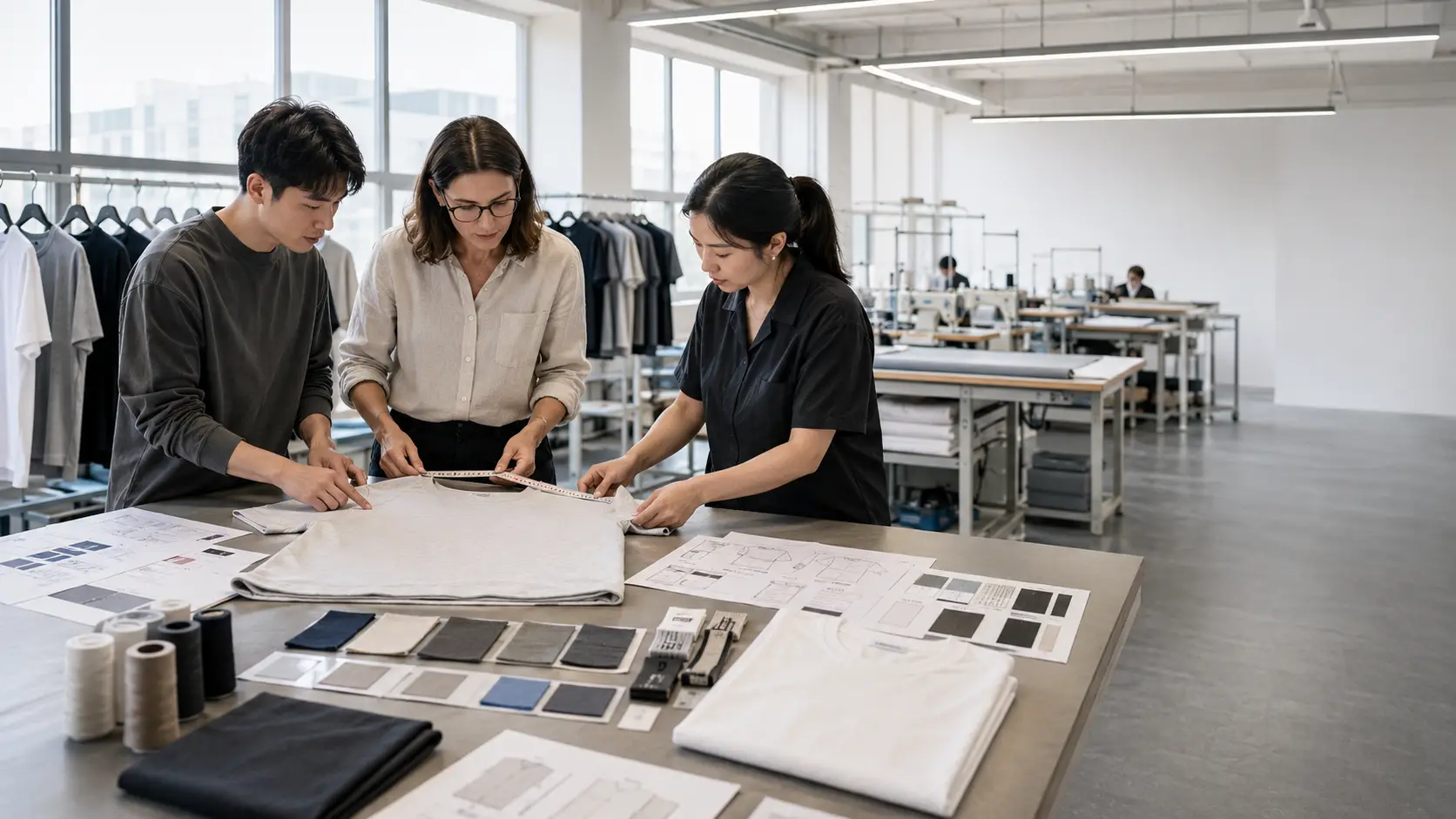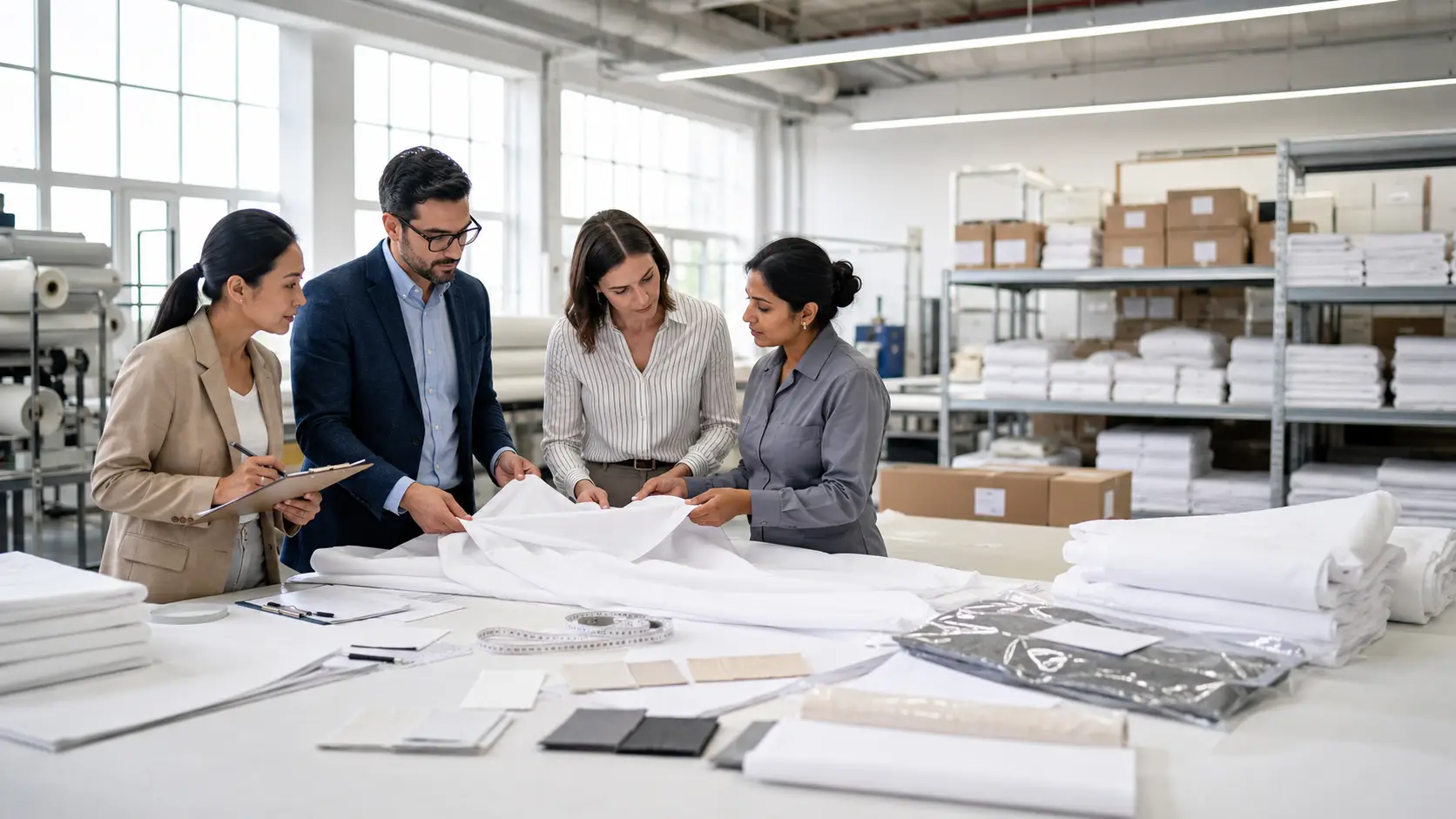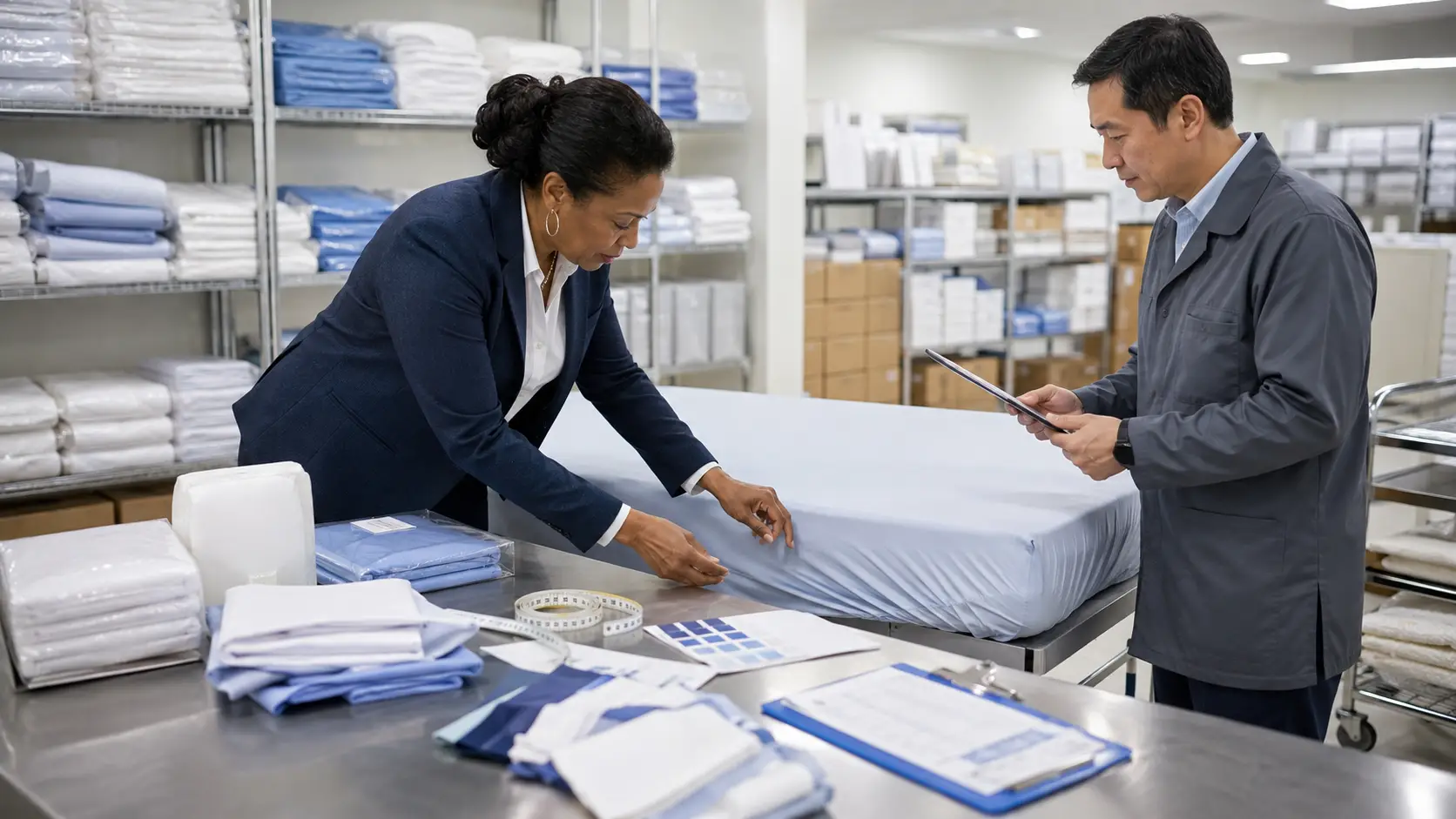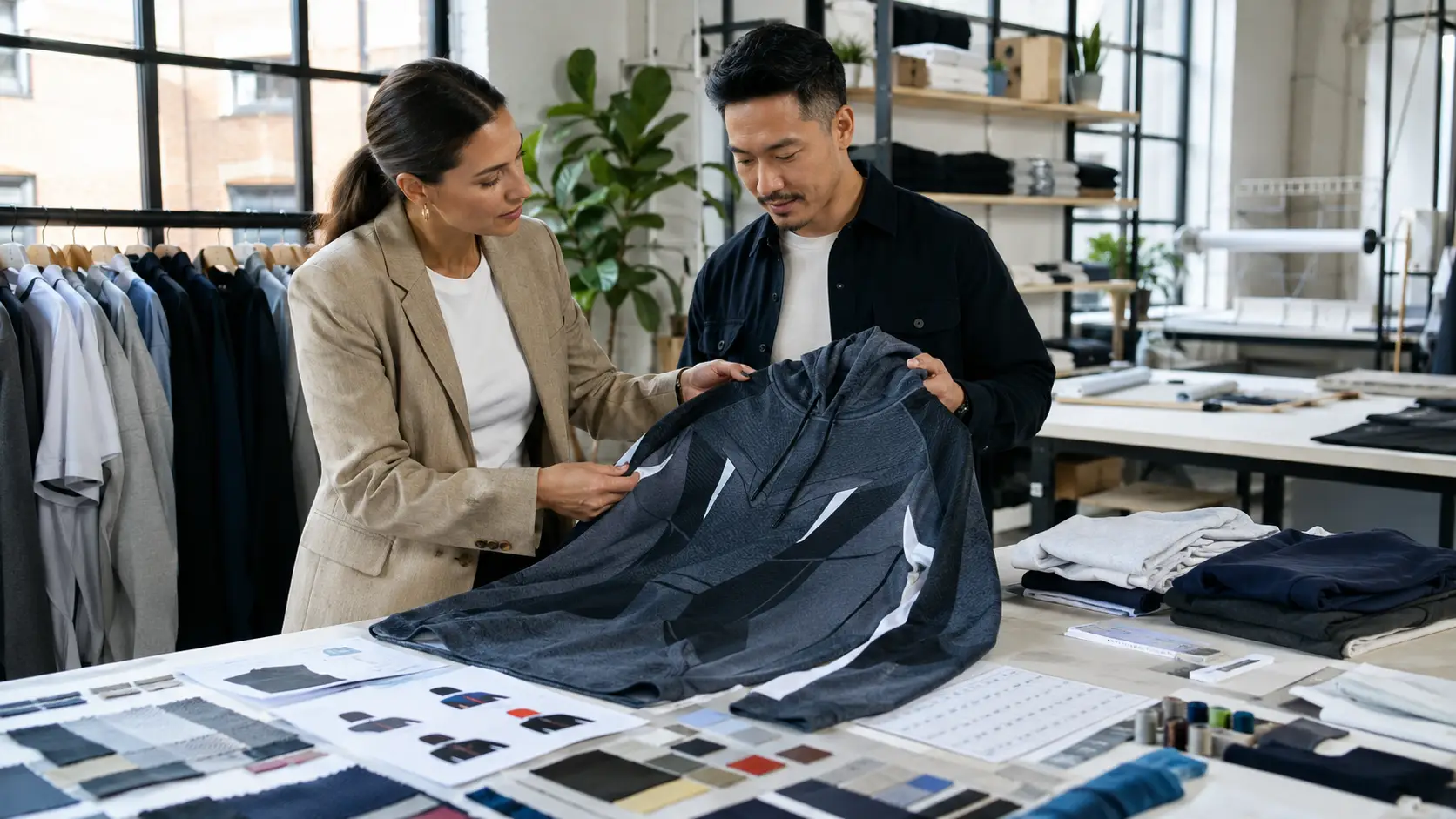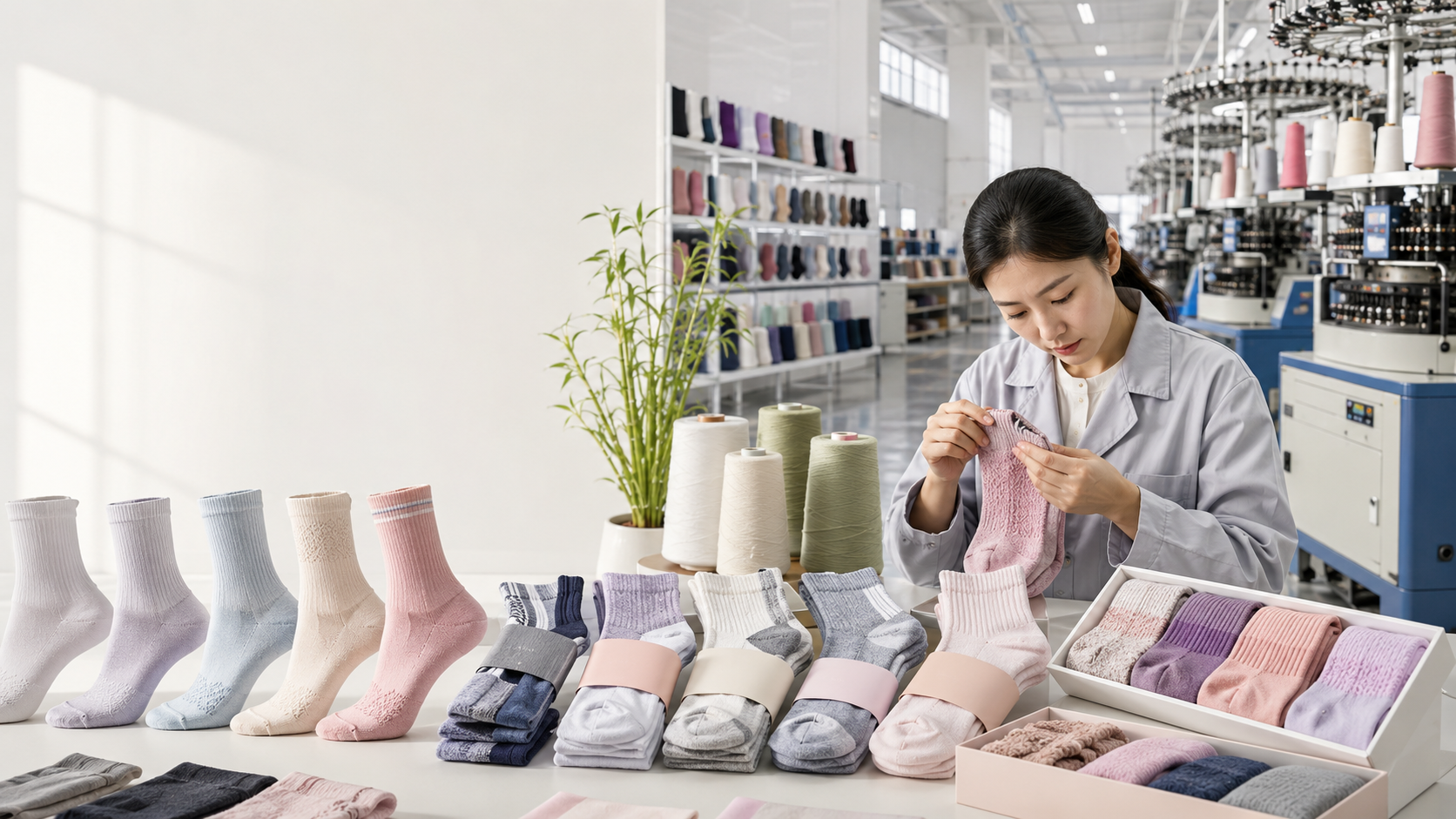
A ladies’ socks manufacturer designs, knits, and finishes women’s socks in bulk for brands, retailers, and private-label businesses. This includes yarn selection, knitting, seaming, quality control, branding, and packaging, delivered as private-label, OEM, or wholesale orders ready for retail, corporate gifting, or e-commerce.
Why Sourcing the Right Socks Manufacturer Matters
Building a sock line or expanding a private-label program comes with more sourcing questions than most buyers expect. Fabric weight, elastic quality, sizing consistency, and finishing details all affect how a pair of socks feels and holds up after repeated wear and washing.
Buyers in the United States, Canada, the United Kingdom, Australia, Germany, the Netherlands, the UAE, Saudi Arabia, Qatar, and South Africa often ask similar questions: Which materials suit different climates and uses? How many pairs are needed for a minimum order? How is quality confirmed before a full production run?
This guide covers what a ladies’ socks manufacturer does, common styles and fabrics, how pricing and minimum order quantities generally work, and what to check before committing to bulk production. It is written for fashion brands, sportswear companies, retailers, online stores, corporate buyers, promotional businesses, and wholesale distributors who want a practical understanding of sock sourcing.
What a Ladies’ Socks Manufacturer Actually Does
A socks manufacturer manages the full production process, from raw yarn to a finished, packaged pair. Typical responsibilities include:
- Sourcing and testing yarns for softness, stretch, and durability
- Knitting socks to specified patterns, sizes, and thicknesses
- Linking or seaming toes and closing the sock
- Attaching cuffs, ribbing, and reinforced sections
- Applying labels, tags, and branded packaging
- Running quality checks before and after bulk production
- Packing and preparing orders for domestic or international shipping
Some manufacturers offer only standard patterns from an existing range. Others support full custom development starting from a sketch, color palette, or reference sample. Understanding which type of manufacturer fits your project is an important first step.
Private-Label, OEM, Wholesale, and Custom Sock Production
These terms are often used loosely, but each describes a different production approach.
Private-Label Socks
Private-label socks are made using the manufacturer’s existing patterns and knitting programs, then finished with the buyer’s own labels, tags, and packaging. This is a faster and generally lower-cost way to launch a sock line.
OEM Socks Manufacturer
An OEM socks manufacturer produces socks based on a buyer’s original design, yarn specification, or sample. This suits brands that want a distinct fit, cushioning pattern, or knit structure they can call their own.
Custom Socks Manufacturer
A custom socks manufacturer typically blends both approaches, adjusting existing knitting programs or developing new ones to match a brand’s specific requirements for fiber content, color, and construction.
Wholesale and Bulk Socks Supplier
A wholesale or bulk socks supplier sells ready-made styles in larger quantities with limited customization. This model suits retailers and distributors who need stock quickly without a development cycle.
| Production Type | Customization Level | Typical Speed | Best For |
|---|---|---|---|
| Private Label | Low to medium | Fast | New brands, startups |
| OEM | High | Slower | Brands with a specific fit or knit design |
| Custom | Medium to high | Medium | Brands needing specific yarn or pattern |
| Wholesale/Bulk | Minimal | Fastest | Retailers, distributors |
Popular Ladies Socks Styles Manufacturers Produce
A capable women’s socks manufacturer should offer a range of styles to match different uses and markets.
- Ankle socks – low-cut, everyday wear
- Crew socks – mid-calf height, common for casual and sport use
- Knee-high socks – full lower-leg coverage, popular for fashion and cold-weather wear
- Sports socks – built for activewear, often with extra cushioning
- Compression socks – graduated fit for circulation support during travel or long standing periods
- Thermal socks – insulated construction for cold climates
- Fashion socks – patterned or novelty designs for style-focused retail
- Seamless socks – smooth toe closure for reduced irritation
A sports socks manufacturer usually focuses on cushioning, arch support, and moisture management, while a fashion socks manufacturer places more emphasis on color, pattern, and finish.
Fabric and Yarn Choices for Women’s Socks
Yarn selection affects comfort, warmth, breathability, and durability. Common options include:
- Cotton – breathable and soft, common for everyday basics
- Bamboo – smooth texture with natural moisture-wicking properties
- Wool – warmth and insulation, often used in thermal or winter styles
- Polyester – durability and shape retention, frequently blended with other fibers
- Nylon – added strength and elasticity
- Acrylic – lightweight softness, often used in fashion socks
- Stretch blends – improved fit and recovery across sizes
A cotton socks manufacturer typically focuses on breathability and everyday comfort. In contrast, a thermal socks manufacturer or compression socks manufacturer selects yarns and knit density based on warmth or support requirements. Many brands blend fibers, such as cotton with a small percentage of stretch yarn, to balance softness with a secure fit.
Fit, Comfort, and Construction Details That Matter
Construction details influence how socks perform over time and through repeated washing.
Cuffs and Ribbing
Cuffs should hold their shape without cutting into the leg. Ribbed cuffs help socks stay in place during movement.
Heels and Toe Seams
Reinforced heels reduce wear in high-friction areas. Flat or seamless toe closures reduce irritation, which matters for both everyday and athletic use.
Arch Support and Reinforced Areas
Many sports and compression styles include reinforced arch bands or extra cushioning at the ball and heel of the foot for added support.
Sizing Consistency
Consistent sizing across a full range is one of the most common quality concerns buyers raise. Requesting a size chart and pre-production sample set helps confirm fit accuracy before bulk production begins.
Custom Branding, Colors, and Packaging
Beyond the sock itself, manufacturers typically support:
- Custom colorways and knitted or printed patterns
- Woven or embroidered logos
- Care and size labels
- Hang tags and branded packaging
- Poly bags, boxes, or eco-friendly packaging options
For markets such as the UAE, Saudi Arabia, and Qatar, premium packaging is often a priority for retail display and corporate gifting. For Germany and the Netherlands, buyers frequently ask about recyclable materials and traceable fiber sourcing as part of a broader sustainability approach.
Minimum Order Quantities, Samples, and Pricing
Minimum order quantities (MOQs), sample policies, and pricing structures vary by manufacturer and production type.
- MOQs are usually set per style and per colorway, and may be lower for private-label orders than for fully custom OEM development.
- Samples are typically produced before bulk production to confirm fit, yarn feel, and construction.
- Pricing depends on yarn type, knit complexity, sizing range, order volume, and packaging requirements.
- Production time generally increases with customization level and order size.
Buyers should request a written quote that separates sample costs, bulk unit pricing, and shipping costs, since bundled pricing can make supplier comparisons difficult.
Quality Control Before Bulk Production
A reliable custom socks manufacturer should perform quality checks at multiple stages rather than only at the end.
- Yarn inspection for weight, softness, and defects
- Pre-production sample review for fit and construction
- In-line inspection during bulk knitting and seaming
- Final inspection before packing and shipping
Buyers should ask whether inspections are done in-house, by a third party, or both, and whether inspection reports or photos are shared before shipment.
How to Choose a Reliable Ladies’ Socks Manufacturer
Choosing the right manufacturing partner is easier with a clear evaluation process.
Questions to Ask Before Ordering
- What is the minimum order quantity per style and colorway?
- Can you provide a physical sample before bulk production?
- What yarns and knit structures are available, and can I request specific ones?
- What is your standard production timeline after sample approval?
- How is quality checked before shipping?
- What packaging and labeling options are available?
- What shipping methods and destinations do you support?
Common Sourcing Mistakes to Avoid
- Approving only a digital mockup instead of a physical sample
- Not confirming size consistency across the full range
- Focusing only on unit price without checking knit density and construction
- Failing to clarify packaging and labeling requirements early
- Not confirming shipping timelines against launch or restock dates
A Simple Step-by-Step Ordering Process
- Define requirements – styles, yarns, sizes, and target price point
- Request quotes and samples from shortlisted manufacturers
- Review samples for fit, yarn feel, and construction
- Confirm specifications including labeling, packaging, and colorways
- Approve pre-production sample before bulk knitting begins
- Monitor production through inspection updates or reports
- Review final inspection results before shipment
- Arrange shipping and confirm delivery documentation
Local Market Considerations for Buyers
Sourcing priorities shift depending on target market, climate, and use case.
- USA and Canada – Strong demand for comfort-focused everyday socks, sports styles, private-label programs, and seasonal collections such as holiday or winter designs.
- UK – Buyers often look for durable everyday socks, thermal options for colder months, and consistent retail-level quality.
- Australia – Lightweight, breathable materials are popular given warmer conditions, along with steady demand for activewear-related socks.
- Germany and the Netherlands – Buyers frequently ask about fiber traceability, sustainable sourcing, and durable construction that performs well over repeated washing.
- UAE, Saudi Arabia, and Qatar – Breathable, lightweight styles and premium packaging are common priorities, particularly for corporate gifting and boutique retail placement.
- South Africa – Affordability paired with durability and strong sports sock demand supports both retail and wholesale distribution.
These are general patterns rather than fixed rules, and manufacturers should be able to adjust yarn, knit density, and packaging based on each buyer’s specific market and customer base.
Building Trust and Local Visibility as a Manufacturer
For manufacturers looking to build credibility with international buyers, a few practical steps help:
- Maintaining an updated Google Business Profile with accurate contact details
- Listing on relevant industry and B2B directories
- Sharing genuine customer and buyer reviews
- Publishing location-specific service pages for key export markets
- Using real factory and product photos instead of stock imagery
- Providing clear shipping timelines and contact information
- Offering physical samples and quality documentation on request
- Being transparent about production processes and capabilities
Buyers rely on reviews and clear business information because sock sourcing involves both product performance and trust. A manufacturer that documents its process and responds clearly to questions is easier to evaluate than one that only makes general claims.
Companies such as Minmax Textile work with brands and retailers on private-label, OEM, wholesale, and custom ladies’ socks production, offering one example of how a manufacturing partner can support different order types and market requirements. Buyers should still compare multiple suppliers and request samples before committing to a manufacturing partner.
Frequently Asked Questions
What does a ladies’ socks manufacturer do? A ladies’ socks manufacturer produces women’s socks in bulk, handling yarn sourcing, knitting, seaming, quality checks, branding, and packaging for private-label, OEM, or wholesale orders.
What is the difference between private-label and OEM socks? Private-label socks use the manufacturer’s existing patterns with the buyer’s branding, while OEM socks are built from the buyer’s own design or yarn specifications.
What is the usual minimum order quantity for custom socks? Minimum order quantities vary by manufacturer, style, and production type, and are usually set per style and per colorway. Buyers should confirm MOQs directly with each supplier.
How can buyers check sock quality before bulk production? Requesting a pre-production sample and reviewing yarn feel, stitching, cuff elasticity, and sizing before approving bulk production is the most reliable way to confirm quality.
Which materials are best for women’s socks? Cotton is common for everyday breathability, bamboo and wool suit comfort and warmth needs, and polyester, nylon, or stretch blends are chosen for durability and fit depending on the style and intended use.
Getting Started With Your Sock Sourcing Plan
Successful sock sourcing comes down to a few clear steps: define your product requirements, request and review physical samples, confirm sizing across your full range, and compare suppliers on quality and communication rather than price alone.
Whether you are launching a new sock line, expanding a private-label program, or sourcing wholesale stock for retail or corporate gifting, taking time to evaluate manufacturers properly helps avoid costly fit and quality issues later. Reach out to Minmax Textile or another qualifiedladies’s socks manufacturer to request samples, discuss your specifications, and compare options before placing a bulk order.