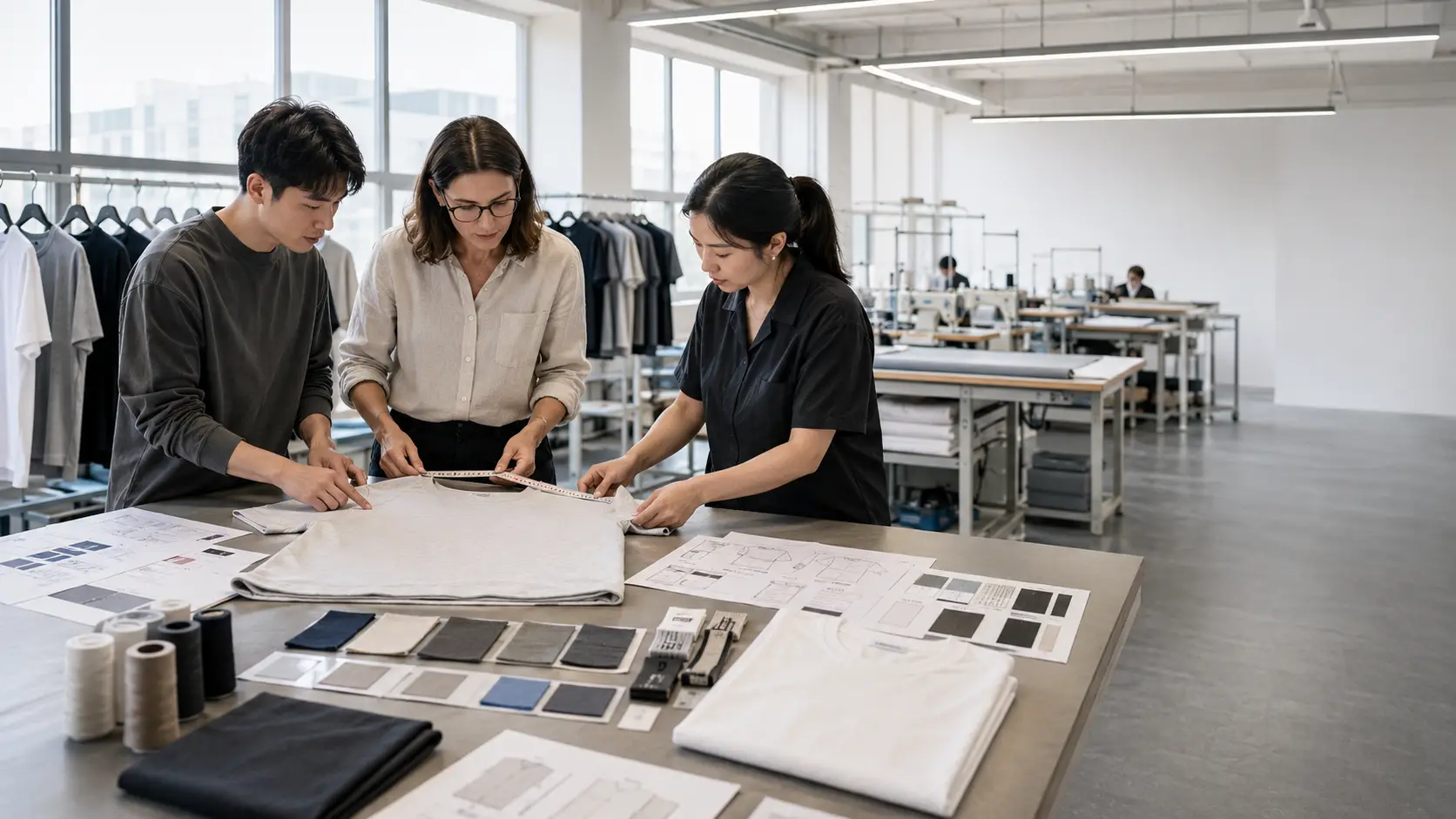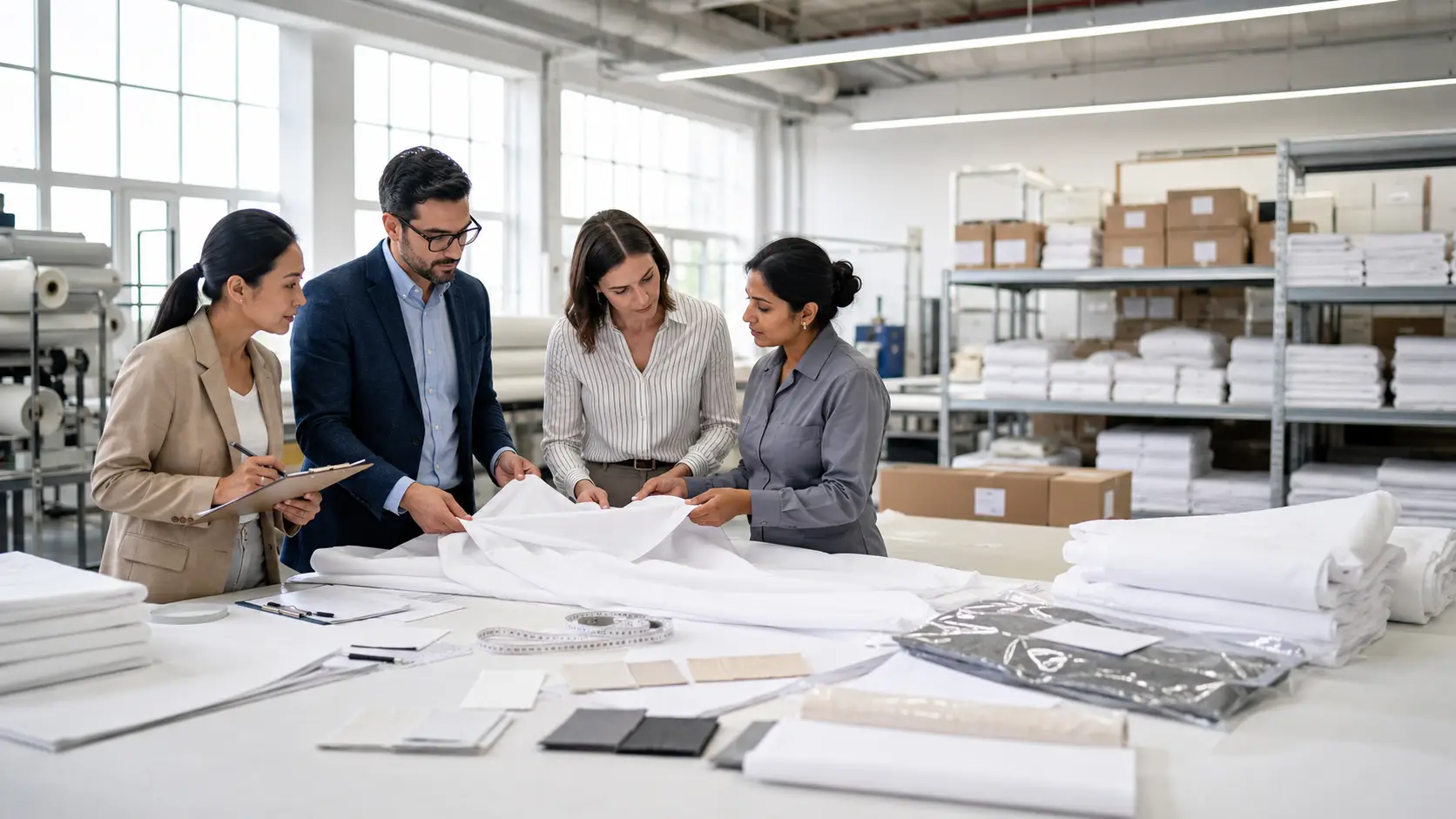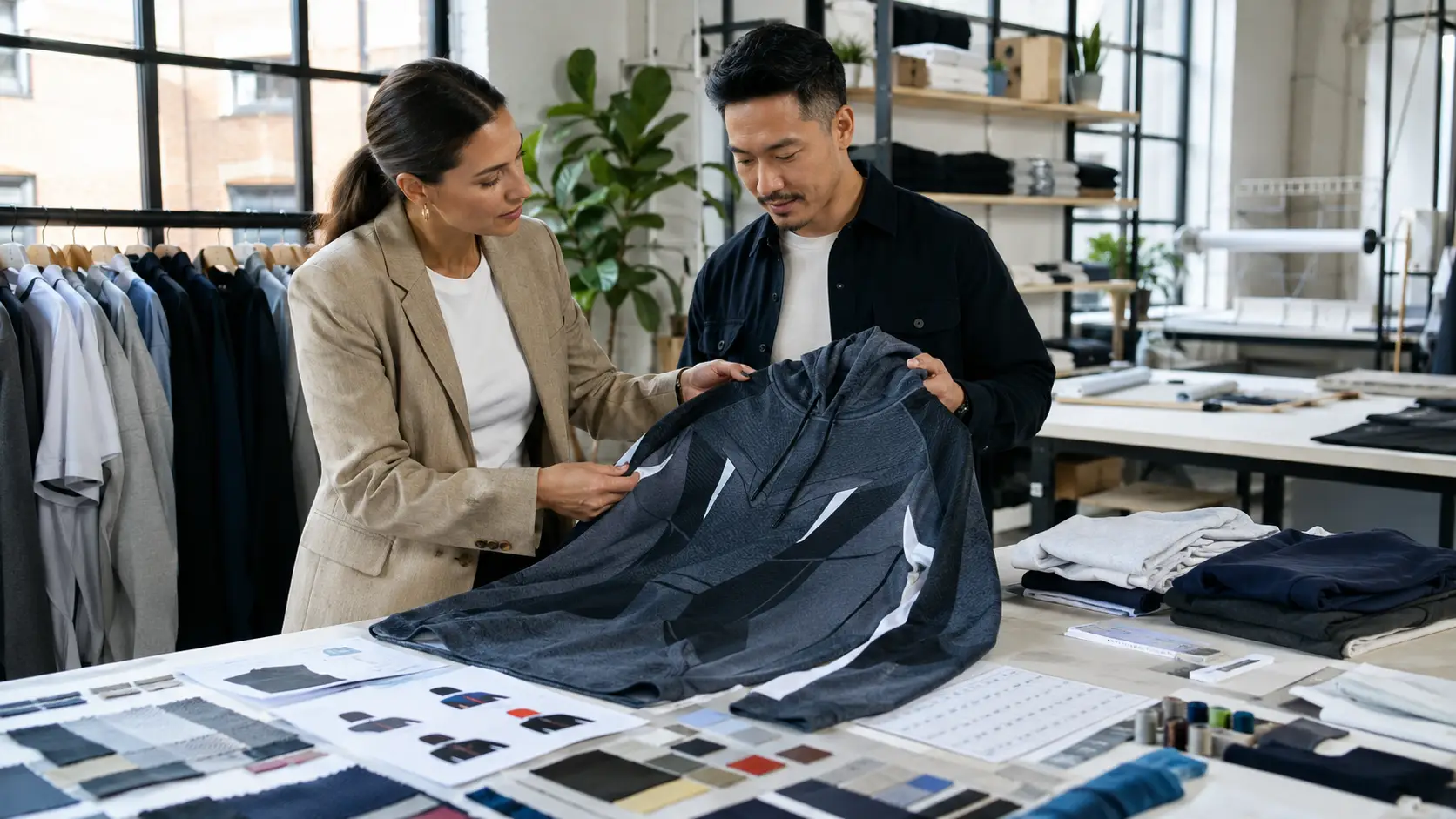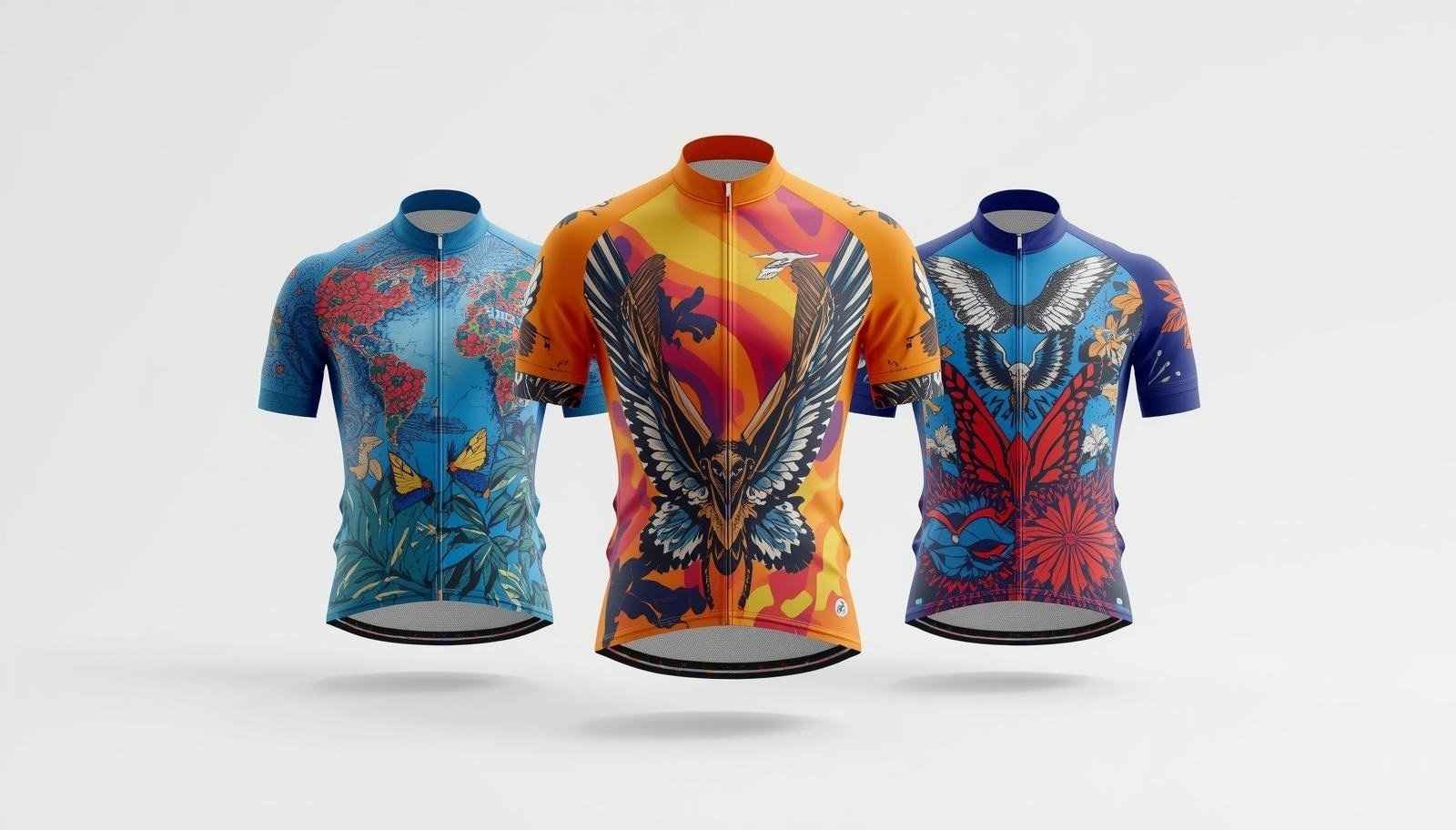
A wholesale cycling jersey supplier produces custom cycling kits in bulk for teams, clubs, retailers, and brands. The best wholesale cycling jersey manufacturers offer sublimation printing, MOQ flexibility, OEM/ODM customization, and compliance with performance fabric standards. For buyers in the USA, UK, Canada, France, and Germany, Minmax Textile is a trusted global manufacturer delivering high-quality custom cycling kits at competitive wholesale pricing.
Introduction: You Need More Than Just a Jersey
Picture this: your cycling club finally decided to go custom. You spend weeks designing the perfect kit, find a manufacturer online, place a bulk order, and wait six weeks for delivery. When the box finally arrives, the jerseys run two sizes small, the colors look nothing like the mockup, and the stitching along the side panels is already fraying.
If you have been there, you are not alone. Sourcing custom cycling jerseys wholesale is one of those processes that looks straightforward until it absolutely is not. And as the cycling apparel market in the United States continues to grow year over year, more teams, retailers, cycling brands, and even corporate event organizers are seeking reliable wholesale partners.
This guide is written for exactly that person: someone who wants to buy cycling jerseys in bulk, get them customized to a professional standard, and not get burned in the process. We will walk through what to look for in a cycling jersey manufacturer, how the wholesale process actually works, what questions to ask before placing an order, and why Minmax Textile has become a go-to supplier for buyers across the USA, UK, Canada, France, and Germany.
What Does “Cycling Jersey Manufacturer Wholesale” Actually Mean?
Let us clear up the terminology before getting into the weeds.
A cycling jersey manufacturer-wholesale supplier is a production facility, usually a factory or a vertically integrated brand, that produces cycling apparel in bulk and sells directly to buyers without a retail markup. Unlike buying individual jerseys from a sports shop, going wholesale means lower per-unit pricing, the ability to customize designs, and the option to brand the apparel with your own logo, team name, or sponsor branding.
There are typically three types of buyers in this space:
- Cycling clubs and teams are looking for a unified kit without paying premium retail prices
- Retailers and distributors are building their own branded cycling apparel lines
- Event organizers and corporations ordering custom jerseys for races, charity rides, or promotional campaigns
Each of these buyers has slightly different needs. Still, the fundamental requirements are the same: consistent quality, accurate color reproduction, durable fabrics, and a manufacturer that communicates clearly and ships on time.
What to Look for in a Wholesale Cycling Jersey Manufacturer
1. Fabric Quality and Technical Performance
Cycling jerseys are performance garments first. The fabric needs to do real work: managing moisture, allowing a full range of motion, regulating temperature, and holding up through repeated washings without fading or stretching out of shape.
The most common performance fabrics used in quality wholesale cycling jerseys include:
- Polyester microfiber (80–100 GSM): Lightweight, moisture-wicking, and ideal for road cycling jerseys
- Lycra or elastane blends: Used in racewear for compression and aerodynamic fit
- Roubaix-style fleece-backed fabric: Popular for winter and cool-weather cycling kits
When evaluating a manufacturer, always ask for fabric spec sheets. A legitimate wholesale supplier should be able to tell you the exact GSM, stretch percentage, and moisture management rating of the fabric they use. If they cannot, that is a red flag.
2. Sublimation Printing Quality
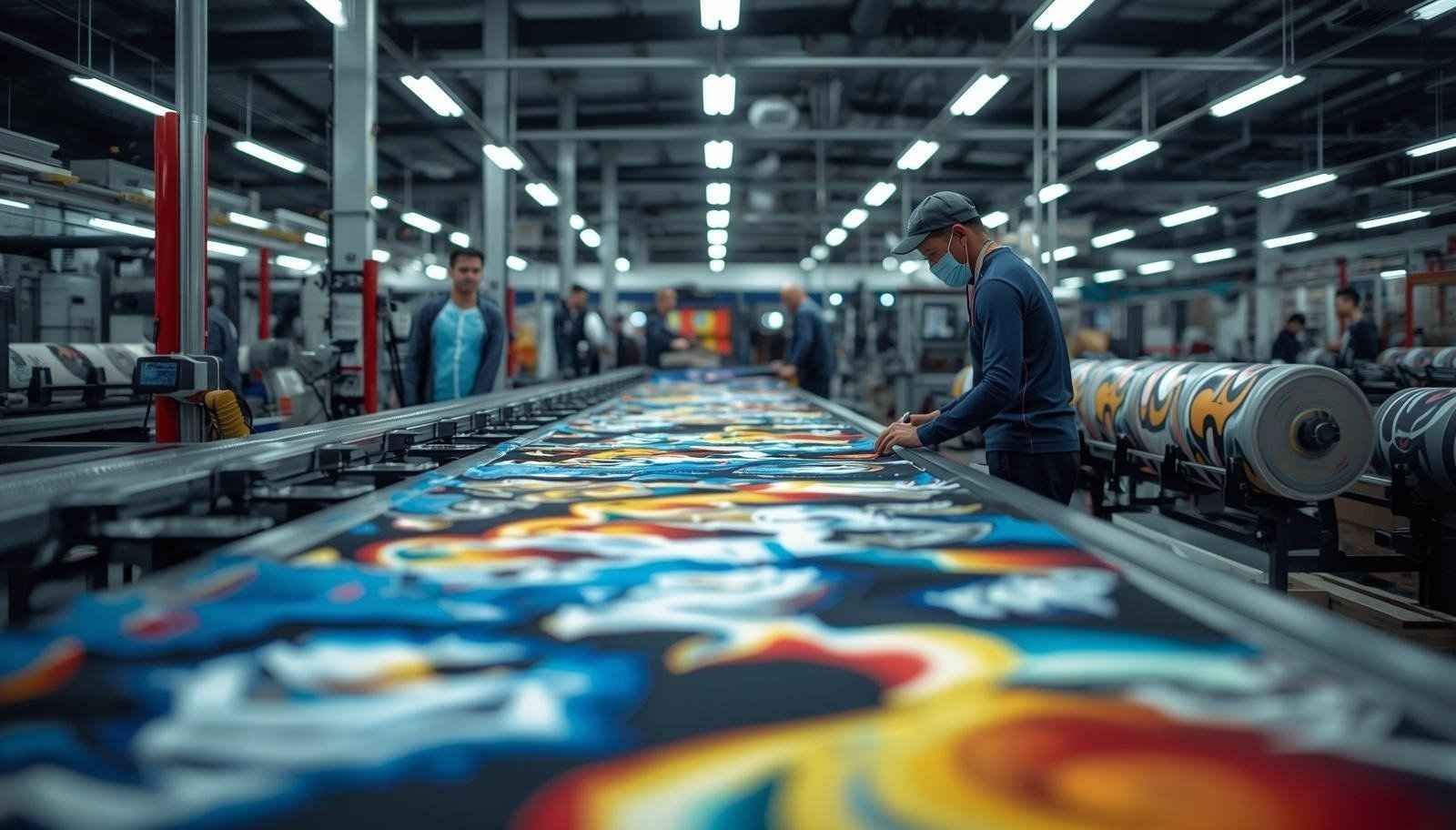
The majority of high-quality custom cycling jerseys are produced using dye sublimation printing. This process bonds the ink directly into the fabric rather than leaving it sitting on top, so the design will not crack, peel, or fade after washing.
Good sublimation printing should offer:
- Full 360-degree print coverage with no white gaps at seams
- Pantone color matching or a very close approximation
- Sharp detail reproduction, even on complex gradient or photographic designs
Poor sublimation work is immediately obvious: faded colors, blurry lines, and misaligned seam panels. Always request printed samples before placing a full order.
3. Minimum Order Quantities (MOQ)
This is one of the first practical questions any wholesale buyer needs answered. MOQs vary significantly between manufacturers. Some factories require minimum orders of 100 to 200 units per design. Others, particularly those catering to club and team buyers, offer low MOQ options starting at 10 to 20 pieces.
For cycling clubs in the USA with rosters of 20-50 riders, a low-MOQ manufacturer is often essential. Minmax Textile, for example, works with buyers across a range of order sizes, making it accessible to smaller clubs as well as larger commercial orders.
4. OEM and ODM Capabilities
OEM (Original Equipment Manufacturer) means the factory produces to your exact specifications and branding. ODM (Original Design Manufacturer) means the factory has base designs you can customize and brand as your own.
For teams and clubs, OEM is usually the path: you provide artwork and the manufacturer produces to spec. For new cycling brands or retailers without in-house designers, an ODM manufacturer can significantly reduce the time and cost of getting to market.
5. Compliance and Certifications
For buyers in the USA, UK, and the European Union (including France and Germany), compliance with textile standards matters. Look for manufacturers that hold certifications such as OEKO-TEX Standard 100, which ensures fabrics are free of harmful chemicals, or ISO 9001 quality management certification.
In the USA, the Consumer Product Safety Improvement Act (CPSIA) governs textile safety. If you are reselling jerseys under your own brand, you want a manufacturer whose materials meet these standards.
The Wholesale Ordering Process: Step by Step
Understanding the typical workflow helps set expectations and avoid costly mistakes.
Step 1: Define your requirements. Before approaching any manufacturer, document exactly what you need: jersey style (road, mountain, casual), fit type (race fit, club fit, relaxed), fabric weight, quantity by size, zipper type (full or half), pocket configuration, and any additional features like reflective panels or arm grippers.
Step 2: Request a quote and confirm MOQ.MOQ. Send your requirements to the manufacturer and request a detailed quote. A good manufacturer will provide a per-unit price breakdown, any setup fees (if any), and lead time estimates.
Step 3: Provide artwork. Most manufacturers require vector artwork files (AI or EPS format) for sublimation printing. If you only have a low-resolution image, ask whether the factory has in-house design support. Many wholesale manufacturers, including Minmax Textile, offer design assistance to help finalize artwork before production.
Step 4: Approve samples. Never skip the sample stage. Request a pre-production sample or physical swatch before authorizing full production. This is where color accuracy, fit, and stitching quality are verified.
Step 5: Confirm production and shipping. Once the sample is approved, production begins. For wholesale orders, lead times typically range from 14 to 35 days, depending on order volume and customization complexity. Confirm incoterms (FOB, CIF, DDP) and shipping arrangements in writing.
Step 6: Quality inspection on delivery. Upon receiving your order, inspect a representative sample of units before distributing to end users. Check for consistent sizing, color accuracy across pieces, and any stitching defects.
Why USA Cycling Clubs and Brands Choose Minmax Textile
Minmax Textile has built a reputation among cycling clubs, professional teams, and independent cycling brands in the USA, UK, Canada, France, and Germany for several practical reasons.
Consistent fabric quality: Minmax uses performance-grade polyester and elastane blends that meet the technical demands of road, gravel, and MTB cycling across different climates, whether riding in Texas summer heat or the French Alps in shoulder season.
Low minimum orders: Their flexible MOQ structure is particularly valued by smaller cycling clubs in the US that cannot commit to large quantities. A club with 25 members in Colorado or a grassroots cycling team in North Carolina can still access professional-quality custom kits.
Full-service customization: From sublimation printing to custom woven labels, silicone gripper printing, custom zip pulls, and reflective accents, Minmax offers end-to-end customization without the buyer having to coordinate multiple suppliers.
Clear communication: One of the most common complaints buyers have with overseas manufacturers is slow, unclear communication. Minmax Textile has invested in responsive customer service with dedicated account managers for clients in the USA and European markets.
Competitive wholesale pricing: The combination of vertical integration and efficient production processes enables Minmax to offer competitive pricing without sacrificing quality, which matters to retailers and brands watching their margins.
Local Insights: What USA Buyers Should Know
If you are based in the USA and sourcing cycling jerseys wholesale for the first time, here are a few market-specific considerations.
Import duties: Cycling jerseys fall under HTS Code 6105 or 6110, depending on construction. US import duties on knit apparel from most countries range from 12 to 32 percent. Factor this into your total landed cost when comparing supplier quotes.
Shipping lead times: Air freight from Asia to major US hubs such as Los Angeles, Chicago, or New York typically takes 5 to 10 business days. Sea freight is significantly cheaper for large orders but adds 3 to 5 weeks to delivery. Plan your ordering calendar accordingly, especially around peak cycling season (March through September in most US regions).
Sizing standards: US sizing conventions differ slightly from those in Europe and Asia. Always request a manufacturer-specific size chart and consider ordering one sample in each size before committing to the full order.
State-based sales tax: If you are buying wholesale for resale in the US, ensure you have the appropriate reseller certificate to purchase without paying sales tax on the import side.
Tips for Getting the Best Results from a Wholesale Cycling Jersey Manufacturer
- Provide vector artwork whenever possible. Raster images at low resolution result in blurry prints.
- Ask to see existing customer samples, not just marketing photos. Real production samples reveal true quality.
- Build a relationship before scaling orders. Place a small test order first to verify quality and reliability before committing to large volumes.
- Specify seam type in writing. Flatlock seaming is the standard for performance cycling jerseys and prevents chafing. Make sure this is explicitly agreed upon.
- Confirm colorway accuracy with physical samples. Screens display colors differently from fabric, and a Pantone reference number is worth specifying if color accuracy is critical.
- Account for size distribution. In US orders, the distribution skews toward medium, large, and extra-large sizes. Order accordingly rather than splitting evenly across sizes.
FAQ: Cycling Jersey Manufacturer Wholesale
What is the minimum order quantity for wholesale custom cycling jerseys? Minimum order quantities vary by manufacturer. Many factories require 50 to 100 units per design, but flexible manufacturers like Minmax Textile work with lower MOQs suited to cycling clubs and small brands. Always confirm the MOQ before starting the design process.
How long does it take to produce and deliver custom wholesale cycling jerseys? Production typically takes 14 to 25 business days after sample approval. Add shipping time based on your chosen freight method: 5 to 10 days for air freight or 25 to 40 days for sea freight to the USA, UK, or Canada.
What fabric is best for wholesale cycling jerseys? High-performance polyester microfiber (80 to 100 GSM) with 4-way stretch is the standard for road and gravel cycling jerseys. For winter kits, a Roubaix-style brushed inner fabric provides thermal regulation without excess weight.
Can I order custom cycling jerseys in the USA without going overseas? Domestic US jersey manufacturing exists but is significantly more expensive and generally offers fewer customization options. Most professional teams and clubs source from overseas manufacturers like Minmax Textile and manage imports to keep costs reasonable.
What certifications should a wholesale cycling jersey manufacturer have? Look for OEKO-TEX Standard 100 (confirming fabric safety), ISO 9001 (quality management), and any relevant regional compliance certifications for your market. These certifications indicate that a manufacturer takes quality control seriously.
Conclusion: Get the Kit Right, and Everything Else Follows
Custom cycling jerseys are more than uniforms. For a club, they are a point of identity. For a brand, they are a product that represents your standards. For an event, they are a memory that participants take home. Getting them right requires choosing a manufacturer who understands both the technical demands of cycling apparel and the practical realities of wholesale production.
Minmax Textile offers a combination of high-quality fabrics, flexible ordering, full customization, and clear communication that buyers in the USA, UK, Canada, France, and Germany consistently need. Whether you are outfitting a 15-person cycling club in Austin, building a private label cycling brand in London, or supplying wholesale kits to retailers across Canada, the process starts with finding a manufacturer you can actually trust.
Ready to get started? Reach out to Minmax Textile with your requirements, request a quote, and ask for samples before you commit. That first order will tell you everything you need to know, and if the quality holds up, you will have found a supplier worth returning to season after season.