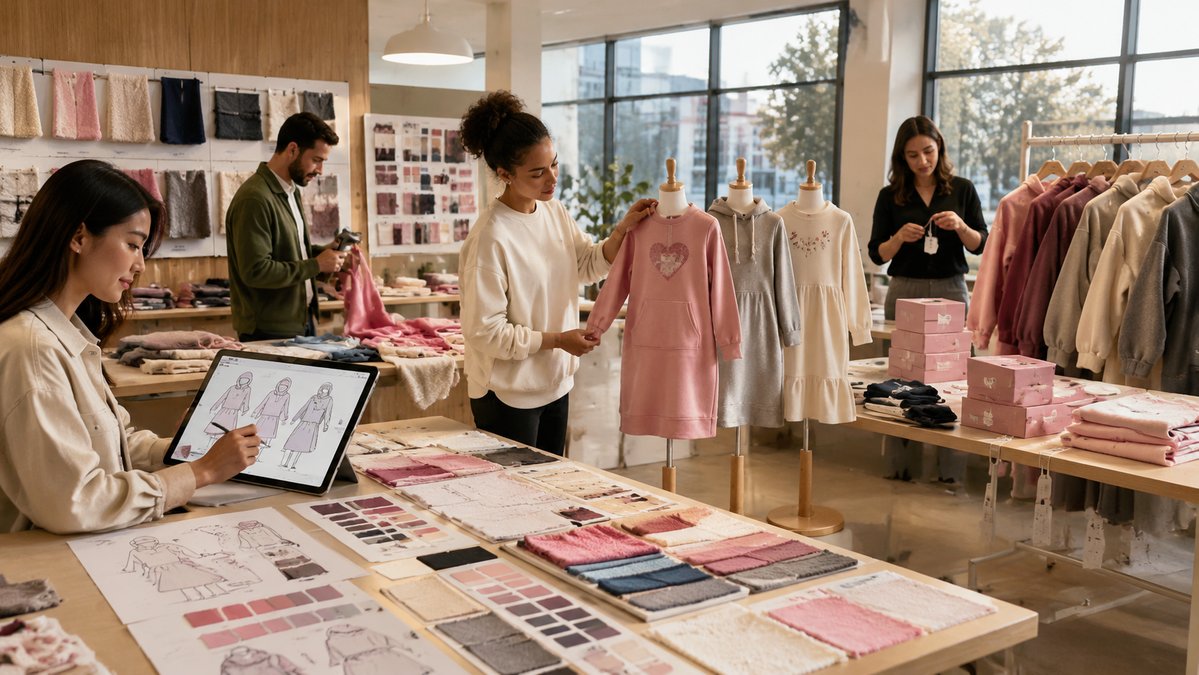
Girls’ sweatshirt dress manufacturers design, produce, and finish comfortable knitwear for children’s fashion brands, boutiques, and retailers, managing fabric selection, sampling, bulk production, and packaging. Working with the right partner helps buyers build reliable, market-ready casualwear collections season after season.
Why Sourcing Girls’ Sweatshirt Dresses Comes With Real Challenges
Buyers looking for a dependable girls’ sweatshirt dress manufacturer often run into familiar problems: fleece that feels rough instead of soft, fabric that loses shape or pills after a few washes, sizing that doesn’t match real children’s measurements, and suppliers who can’t clearly explain how they check quality before shipping. Because sweatshirt dresses sit right at the intersection of comfort and everyday style, even small inconsistencies in fabric weight or construction can turn a promising collection into a returns headache.
This guide covers what girls’ sweatshirt dress manufacturers actually do, the styles and fabrics worth understanding, how customization and private-label programs work, and the questions that separate a reliable production partner from a risky one. Whether you’re a boutique owner planning a fall casualwear collection or a private-label buyer scaling an existing line, the goal is to help you source with more confidence and fewer surprises.
What Girls’ Sweatshirt Dress Manufacturers Do
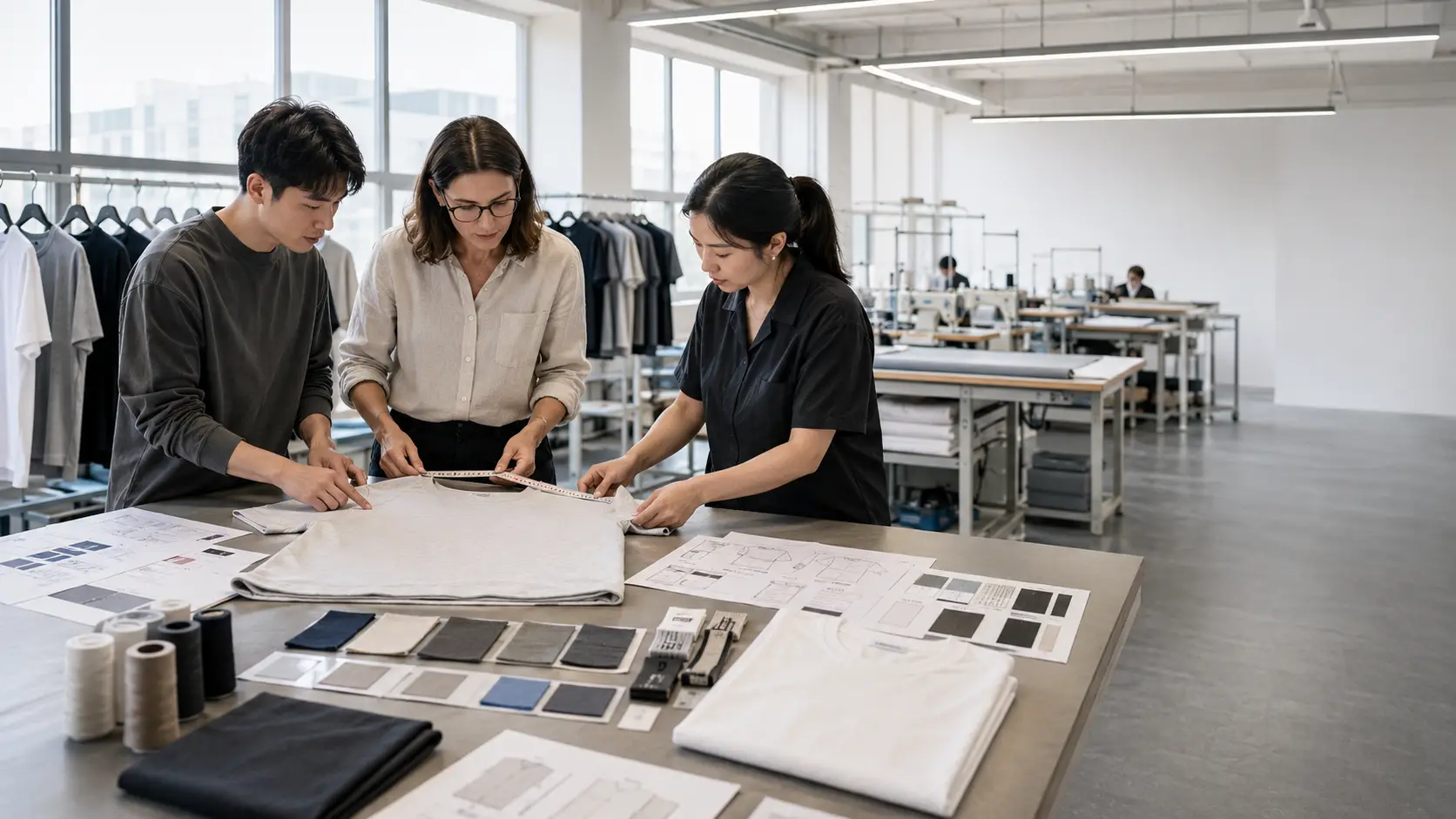
A girls’ sweatshirt dress manufacturer turns a design concept, or an existing style, into a finished, ready-to-ship garment. Their core responsibilities typically include:
- Developing designs and technical specifications based on buyer input
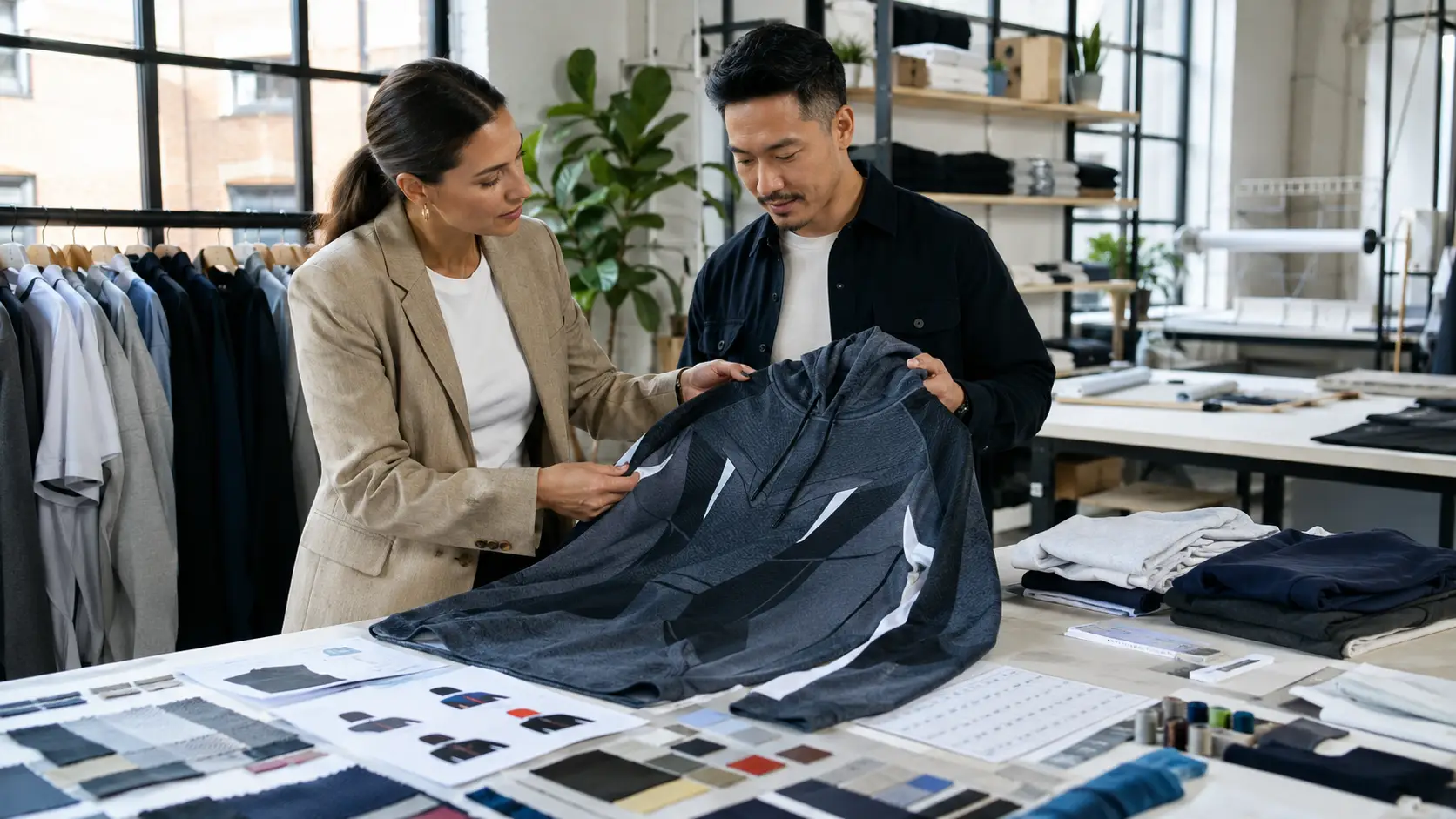
- Sourcing appropriate fleece, knit, or blended fabrics
- Producing prototype samples for review and approval
- Grading patterns across a full size range
- Running bulk production with quality checkpoints along the way
- Finishing, labeling, and packaging garments for shipment
Custom manufacturing versus wholesale supply. A manufacturer builds garments to a buyer’s specifications, while a wholesale supplier typically sells existing, pre-made styles in bulk. Buyers wanting a specific fabric weight, hood detail, or fit generally need manufacturing services rather than off-the-shelf wholesale stock.
OEM versus private label. OEM (Original Equipment Manufacturer) production builds a garment entirely from the buyer’s own design, fabric specification, and construction details. Private labeling uses the manufacturer’s existing pattern, with the buyer’s own labels, tags, and packaging applied. A children’s clothing manufacturer offering both gives buyers flexibility depending on budget, design ambitions, and timeline.
Choosing the right manufacturer, rather than the first one available, is what allows a business to build a collection that looks and fits consistently across every reorder.
Types of Girls’ Sweatshirt Dresses
Different styles suit different customer groups, climates, and retail channels:
- Classic girls’ sweatshirt dresses — simple, versatile everyday silhouettes
- Hooded sweatshirt dresses — added functionality and casual styling
- Oversized sweatshirt dresses — relaxed, trend-driven fits
- Fleece-lined sweatshirt dresses — extra warmth for colder climates
- Cotton sweatshirt dresses — breathable comfort for milder weather
- Long-sleeve sweatshirt dresses — layering-friendly for school and daily wear
- Sport-inspired sweatshirt dresses — athletic detailing for activewear-adjacent lines
- Casual everyday sweatshirt dresses — durable, easy-care basics
- Graphic print sweatshirt dresses — statement pieces built around prints
- Boutique-style sweatshirt dresses — dressier finishes and unique details
- Seasonal winter sweatshirt dresses — heavier constructions for cold-weather collections
A manufacturer experienced across these categories can help buyers choose the right weight, fit, and construction for their specific market and season.
Fabric and Material Selection
Fabric choice drives most of the comfort, warmth, and durability decisions in a sweatshirt dress. Common materials include:
- Cotton fleece — soft, warm, and widely used in casual sweatshirt dresses
- French terry — lighter weight than fleece, with a looped interior texture
- Jersey knit — soft and stretchy, often used for lining or lighter styles
- Organic cotton — grown without synthetic pesticides, appealing to eco-conscious brands
- Cotton-polyester blends — added durability and shape retention
- Brushed fleece — extra softness against children’s skin
- Sustainable fabric options — increasingly requested by brands targeting eco-conscious buyers
When evaluating fabric, buyers and manufacturers should discuss:
- GSM and fabric thickness
- Softness against children’s skin
- Warmth and insulation
- Breathability
- Stretch and flexibility
- Shrinkage control after washing
- Color fastness
- Durability across repeated washing
Fabric quality matters more in children’s clothing than in adult apparel, since kids wear these pieces constantly and parents expect them to hold up wash after wash. A manufacturer who can speak specifically to these factors, rather than offering vague reassurances, is usually the stronger sourcing partner.
Customization and Private Label Options
Most girls’ sweatshirt dress manufacturers offer a range of customization services to help buyers build a distinct product line:
- Custom patterns
- Custom colors
- Custom sizing
- Private brand labels
- Woven labels
- Hang tags
- Embroidery
- Screen printing
- Digital prints
- Appliqué designs
- Custom packaging
These services matter differently depending on the buyer:
- Children’s fashion brands often want full OEM development to protect a distinct brand identity.
- Boutique stores may prefer private-label programs that customize an existing pattern with their own labels and packaging.
- Online clothing businesses frequently need flexible minimum order quantities and quick sample turnaround to test new styles.
- Department retailers typically require strict consistency across large production runs.
- Promotional clothing companies benefit from manufacturers who can handle custom printing or embroidery efficiently at scale.
Manufacturing Quality Control Process
Reliable manufacturers build quality checks into every stage of production, not just at the end:
- Fabric inspection before cutting begins
- Pattern accuracy checks
- Cutting inspection
- Stitching quality checks
- Seam strength testing
- Print and embroidery inspection
- Size measurement verification against approved specs
- Color matching against approved swatches
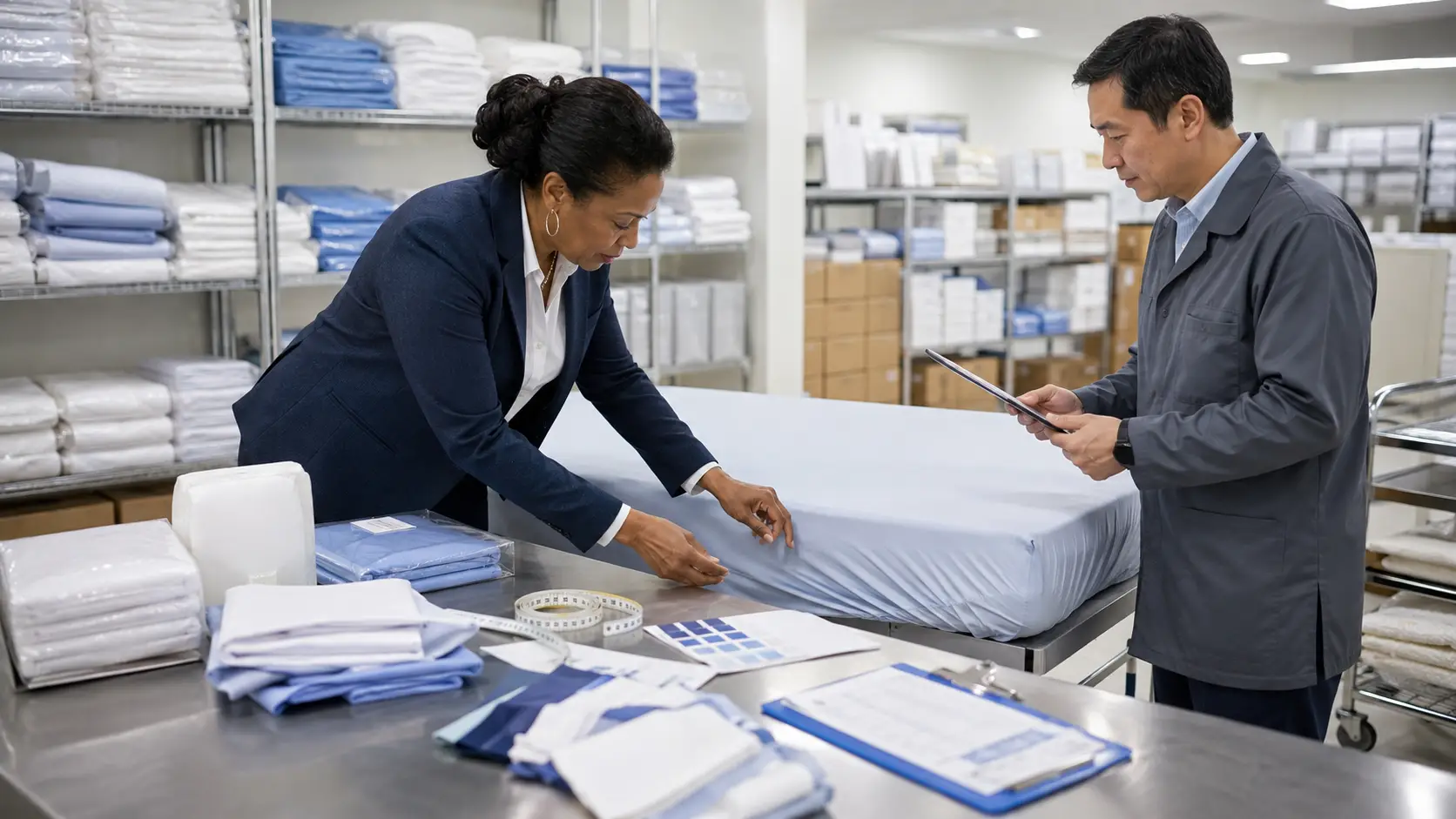
- Final product inspection before packing
Quality control before shipment helps reduce returns and keeps customers satisfied, especially for a product category where comfort and fit are the main reasons parents buy. Asking a manufacturer to walk through their specific checkpoints, rather than accepting a general assurance, is one of the most useful things a buyer can do before placing an order.
Production Process From Design to Delivery
- Share product ideas and specifications
- Select fabrics and design details
- Develop samples
- Review and approve samples
- Begin bulk production
- Complete quality inspections
- Package and ship finished products
This process gives first-time buyers a clear picture of what to expect and where they need to stay involved, particularly during sample review and approval.
MOQ, Sampling, Lead Times, and Shipping
Understanding the production timeline helps buyers plan collections realistically:
- Minimum order quantities vary by manufacturer and depend on customization level, with heavily customized designs generally carrying higher MOQs than simpler styles.
- Sample approval happens before bulk production so buyers can evaluate fit, fabric, and finishing.
- Seasonal production planning requires extra lead time for fall and winter collections, when fleece and fabric demand is higher.
- Bulk manufacturing timelines depend on order size, fabric availability, and production capacity.
- Packaging requirements should be confirmed early, especially for retail-ready or private-label packaging.
- International shipping requires coordination on incoterms, documentation, and realistic transit times.
Buyers planning seasonal collections should build in extra time for sample rounds and potential fabric lead times, particularly for fleece and brushed fabrics that carry seasonal demand.
How to Choose a Reliable Girls’ Sweatshirt Dress Manufacturer
- Manufacturing experience specific to children’s casualwear
- Consistent product quality across past work
- Fabric sourcing ability and transparency
- Depth of customization options offered
- Clear and responsive communication
- Sample development process and turnaround time
- Production capability relative to your order size
- Clearly explained quality-control systems
- Support with shipping and logistics
- Verifiable customer reviews
Selecting only the cheapest supplier can create quality and delivery problems down the line. A lower unit price often comes with trade-offs in fabric quality, consistency, or communication that end up costing more in returns and delays.
Questions Buyers Should Ask Before Placing an Order
- What types of girls’ sweatshirt dresses can you manufacture?
- Do you offer private-label clothing services?
- Which fabrics are available?
- Can you develop custom designs based on our references?
- What is your minimum order quantity?
- Can I approve samples before bulk production?
- How do you maintain quality during manufacturing?
- What shipping options do you provide?
Common Sourcing Mistakes
- Choosing a manufacturer based on price alone
- Skipping sample reviews to save time
- Ignoring fabric specifications in favor of a lower quote
- Not confirming sizing details against a real, wearable sample
- Poor communication about design requirements
- Overlooking packaging needs until late in the process
- Not planning seasonal production timelines with enough lead time
Comparing Sourcing Options at a Glance
| Factor | OEM Production | Private Label |
|---|---|---|
| Design origin | Buyer’s original design | Manufacturer’s existing pattern |
| Customization level | High | Moderate |
| Typical MOQ | Higher | Often lower |
| Lead time | Longer | Shorter |
| Best suited for | Established brands with distinct identity | Boutiques and growing retailers |
Market Needs Across Target Regions
USA: casual children’s fashion, growing online clothing brands, school and everyday wear, and seasonal collections built around fall and winter demand.
UK and Europe: comfortable layering styles, growing interest in sustainable fabrics, and quality-focused buying decisions.
Australia: lightweight sweatshirt materials suited to transitional seasons and comfortable casualwear.
UAE, Saudi Arabia, and Qatar: premium finishes, comfortable fabrics, and versatile, modest styles suited to indoor wear.
Canada and colder regions: warm fleece options, winter-focused designs, and durable materials for extended cold seasons.
South Africa and the Netherlands: practical children’s fashion, flexible seasonal collections, and affordable quality across varied regional needs.
Manufacturers who understand these regional patterns can better guide buyers toward the right fabric weight, fit, and finish for their specific market.
Working With Minmax Textile
Buyers evaluating girls’ sweatshirt dress manufacturers have a range of options depending on their design needs, order volume, and target market. Minmax Textile is one such manufacturer offering OEM and private-label production for children’s casualwear, including girls’ sweatshirt dresses, and can be a useful option to evaluate alongside other qualified suppliers as part of a broader sourcing comparison.
Local SEO and Trust Building
Children’s apparel manufacturers looking to build buyer confidence online typically invest in:
- An optimized Google Business Profile with accurate contact and location details
- Listings on relevant apparel industry directories
- Genuine customer reviews
- Location-specific website pages for key export markets
- Real factory images
- Authentic product photography
- Transparent production information
- Clear contact and shipping details
Buyers trust manufacturers that provide genuine business information, customer feedback, and clear production details, especially when sourcing internationally without the ability to visit a factory in person.
Frequently Asked Questions
What does a girls’ sweatshirt dress manufacturer do? They handle design development, fabric sourcing, sampling, bulk production, quality control, and packaging for girls’ sweatshirt dresses, turning a design concept into a finished, market-ready garment.
What is the difference between OEM and private-label sweatshirt dresses? OEM production builds a garment from the buyer’s original design and specifications, while private label uses the manufacturer’s existing pattern with the buyer’s own branding applied.
What is the minimum order quantity for custom girls’ sweatshirt dresses? Minimum order quantities vary by manufacturer and depend on factors like customization level and fabric type, so it’s best to confirm directly with each supplier rather than assume a standard number.
How can buyers check quality before bulk production? By reviewing prototype samples closely for fabric feel, stitching, print or embroidery accuracy, and sizing, and by asking the manufacturer to explain their in-process quality checkpoints.
Which fabric is best for girls’ sweatshirt dresses? The right fabric depends on the season and climate; cotton fleece and French terry work well for everyday and transitional wear, while brushed fleece and heavier blends suit colder regions and winter collections.
Finding the Right Partner for Your Collection
Choosing a girls’ sweatshirt dress manufacturer comes down to a handful of decisions that compound over time: the right fabric for your market, a manufacturing partner who explains their quality-control process clearly, and a customization approach that fits your brand and budget. Reviewing samples closely, asking direct questions about MOQs and timelines, and comparing more than one qualified supplier puts buyers in a stronger position than choosing on price alone.
Before placing your next order, take time to clearly define your product requirements, request samples from a few manufacturers, and compare their fabric options, customization services, and quality processes side by side. Minmax Textile or another qualified girls’ sweatshirt dress manufacturer can be a good starting point for that comparison as you build out your next children’s clothing collection.