Manufacturers of girls’ trousers, leggings, and jumpsuits produce woven and knitted garments for fashion brands, retailers, wholesalers, and private-label businesses. Buyers should compare manufacturers based on fabric expertise, pattern development, size grading, customization, sample quality, production capacity, quality control, and delivery reliability. Because these products have different construction requirements, the chosen manufacturer must demonstrate relevant experience with each garment category.
Understanding the Product Category
Girls’ trousers, leggings and jumpsuits cover several distinct clothing styles. Although these garments are grouped as bottoms and one-piece apparel, their fabrics, fits and manufacturing processes can differ considerably.
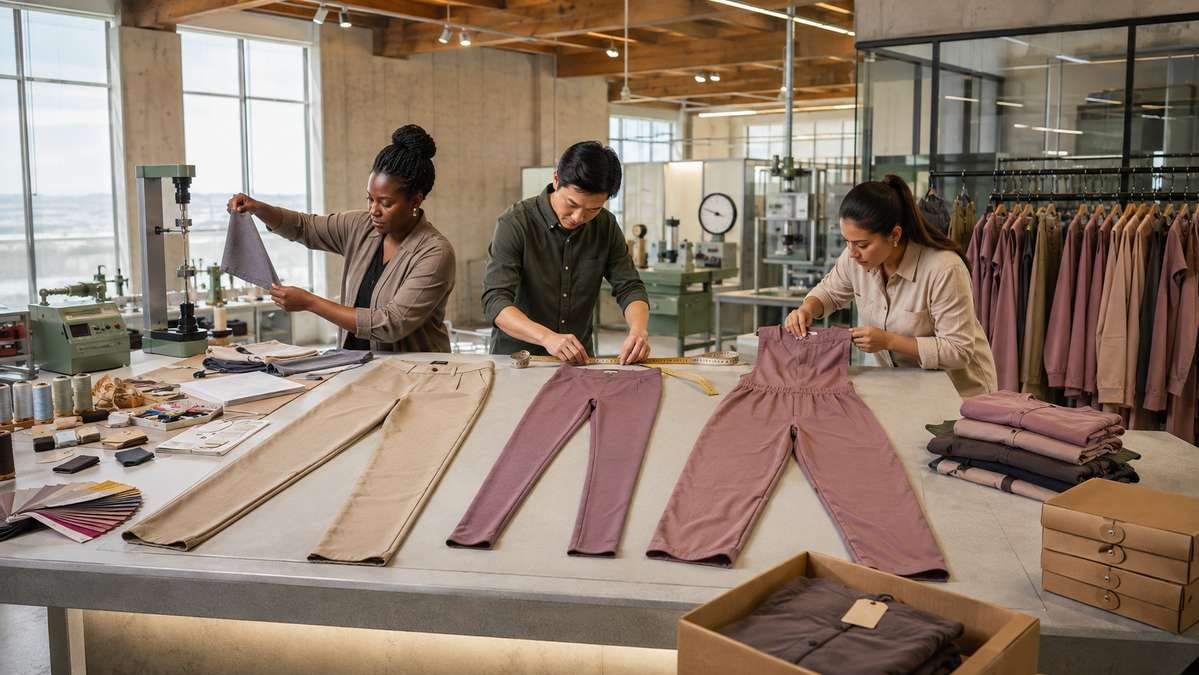
Trousers are normally made from woven fabrics and require structured pattern development. Leggings generally use stretch knitted materials that must provide flexibility, comfort and shape recovery. Jumpsuits combine a top and bottom in one garment, making body length, rise, waist position and overall balance especially important.
Brands can review a manufacturer’s custom clothing capabilities before requesting samples or quotations. The right production partner should understand the technical differences between these products rather than applying the same materials and construction methods to every design.
Common styles include:
- Straight-leg trousers
- Wide-leg trousers
- Cargo pants
- Pull-on pants
- Full-length leggings
- Cropped leggings
- Printed leggings
- Sports leggings
- Casual jumpsuits
- Utility jumpsuits
- Rompers
- Playsuits
- Sleeveless jumpsuits
- Long-sleeved jumpsuits
The best options depend on the target age group, season, market, price level and intended use.
What Do Girls’ Trousers, Leggings and Jumpsuits Manufacturers Provide?
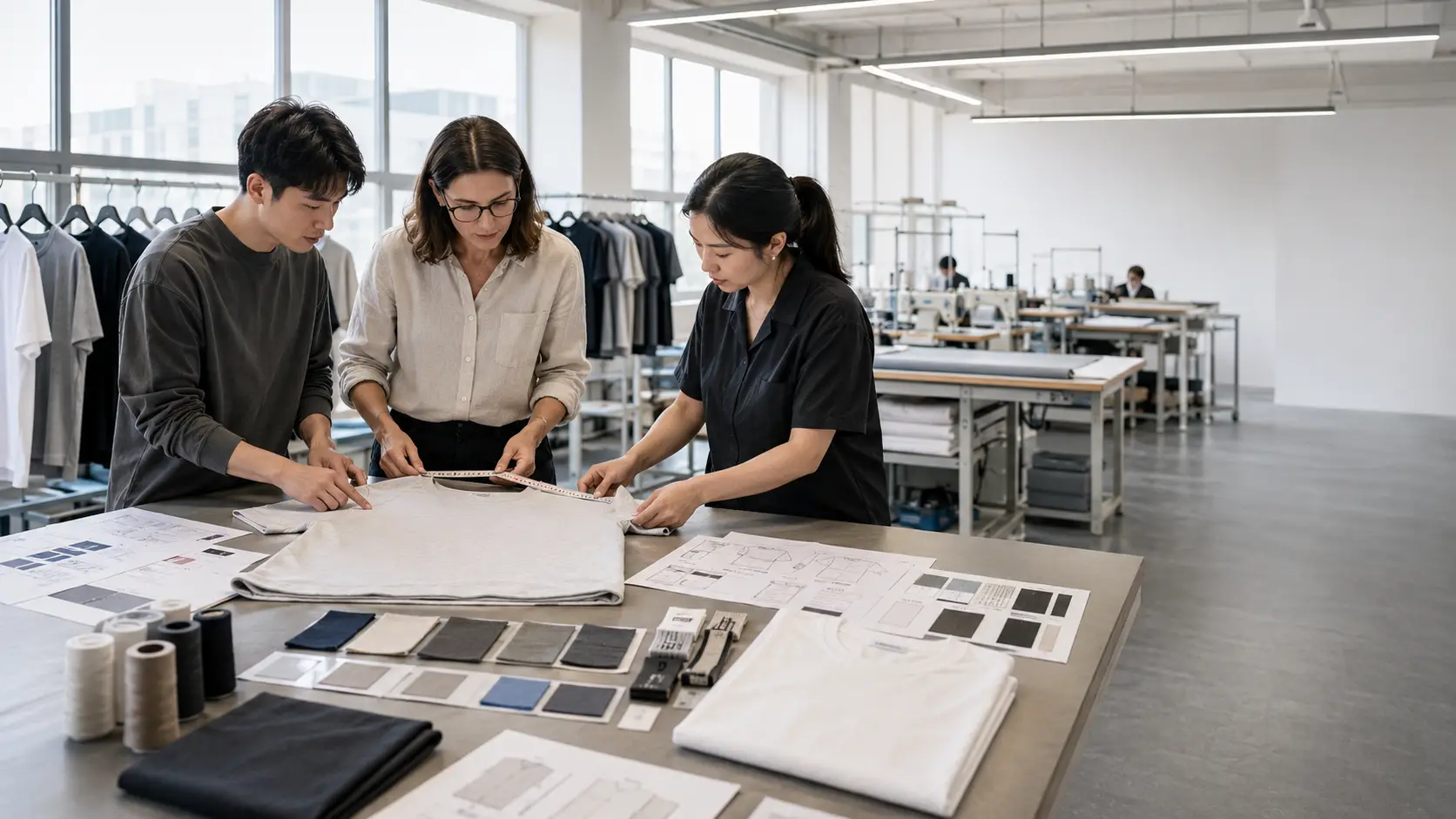
Manufacturers may provide fabric sourcing, pattern development, size grading, sampling, cutting, sewing, printing, embroidery, washing, finishing, labeling, inspection and packaging. Some factories manufacture standard wholesale garments, while others specialize in custom or private-label production.
Buyers exploring girls’ trousers, leggings and jumpsuits should confirm which designs can be customized. A product displayed online may be a manufacturing example rather than a ready-stock item.
Private-label services may include:
- Original garment patterns
- Buyer-specific size charts
- Custom fabric colors
- Printed or embroidered artwork
- Woven brand labels
- Care and size labels
- Branded buttons, snaps and zippers
- Hangtags and barcode stickers
- Customized packaging
- Carton preparation for export
Every requirement should be included in the technical pack and confirmed during sampling.
Fabric Selection for Different Garments
Fabric selection affects comfort, fit, appearance, performance, production cost, and garment care. Buyers should choose materials based on the product’s purpose instead of selecting fabric only by price or appearance.
Fabrics for Girls’ Trousers
Girls’ trousers may use cotton twill, stretch twill, poplin, corduroy, denim, linen blends or polyester blends. Structured designs generally require woven fabrics that can support waistbands, pockets, belt loops and closures.
Stretch may be added when the design requires more flexibility. However, excessive stretch or poor recovery can cause knees, waistbands and seat areas to lose their shape.
Fabrics for Girls’ Leggings
Leggings normally require knitted fabrics with suitable stretch and recovery. Common options include cotton-elastane jersey, polyester-elastane blends, nylon blends and performance knits.
The material should stretch without becoming excessively transparent. It should also return to its original shape after movement and washing. Product references such as charming girls’ leggings can help buyers communicate a general style direction, but fabric composition, weight and stretch requirements must still be documented.
Fabrics for Girls’ Jumpsuits
Jumpsuits can be made from woven or knitted fabrics. Cotton, viscose, twill, chambray, denim, jersey and blended materials may be suitable depending on the design.
A fitted jumpsuit may require stretch for movement, while a loose casual style may use a lightweight woven fabric. The material should also support the garment’s pockets, waist details, closures and decorative features.
Important Fit and Sizing Requirements
Children’s proportions change across age groups, making accurate size grading essential. A manufacturer should not simply enlarge or reduce one pattern without considering changes in body shape and movement.
Trouser Fit
Important trouser measurements include:
- Waist
- Hip
- Front rise
- Back rise
- Thigh width
- Knee width
- Leg opening
- Inseam
- Outseam
The waistband should remain comfortable while sitting, walking, and bending. Adjustable elastic or internal waist adjusters may improve fit across different body proportions.
Legging Fit
Leggings must fit closely without restricting movement. Buyers should evaluate waist tension, hip fit, rise, inseam, ankle opening, and fabric stretch.
The waistband should remain in position without feeling excessively tight. Seams should also stretch with the fabric and recover without breaking.
Jumpsuit Fit
Jumpsuit sizing requires particular attention because the top and bottom are connected. Important measurements include shoulder width, chest, waist, hip, torso length, rise, inseam, and total garment length.
If the torso is too short, the garment may pull uncomfortably. If it is too long, the jumpsuit may look loose or unbalanced. Physical fit testing is therefore especially important before bulk production.
Construction Details Buyers Should Check
Garment construction affects appearance, durability and comfort. Each product requires appropriate seams, stitching, trims and reinforcement.
Waistbands
Trousers may use fixed, elastic-back, adjustable or fully elastic waistbands. Leggings commonly use enclosed or attached elastic. Jumpsuits may have elasticated waists, drawcords, belts or shaped waist seams.
Elastic quality should be tested for recovery and resistance to twisting. The waistband construction should remain comfortable after repeated wear and washing.
Seams and Stitching
Trousers often require lockstitch and overlock construction. Leggings need stretch-compatible seams that move with the fabric. Jumpsuits may combine several seam types depending on their fabric and design.
Stress points such as pocket openings, crotch seams, belt loops, armholes, zippers and waistband attachments may need additional reinforcement.
Closures and Trims
Closures can include buttons, snaps, hooks, zippers, drawcords and elastic. These components must suit the wearer’s age and the regulations of the destination market.
Decorative trims should be attached securely. Buyers should clearly communicate any safety, chemical, labeling, or testing standards that apply to the order.
Customization for Fashion Brands
Custom manufacturing allows brands to develop products that reflect their own market position. Available options depend on factory equipment, order volume, fabric availability, and design complexity.
Possible customizations include:
- Exclusive colors
- Original prints
- Custom embroidery
- Contrast stitching
- Decorative patches
- Unique pocket shapes
- Adjustable waist features
- Branded hardware
- Custom leg shapes
- Original jumpsuit silhouettes
- Private-label packaging
Buyers reviewing wholesale girls’ clothing should decide whether they need minor product modifications or completely original development. This distinction can affect sampling time, minimum quantities, and cost.
How to Source These Garments Step by Step
1. Define the Target Customer
Identify the wearer’s age range, intended use, season, destination market, and expected retail price. Everyday leggings, fashion trousers and occasion jumpsuits serve different customers and require different specifications.
2. Prepare a Technical Pack
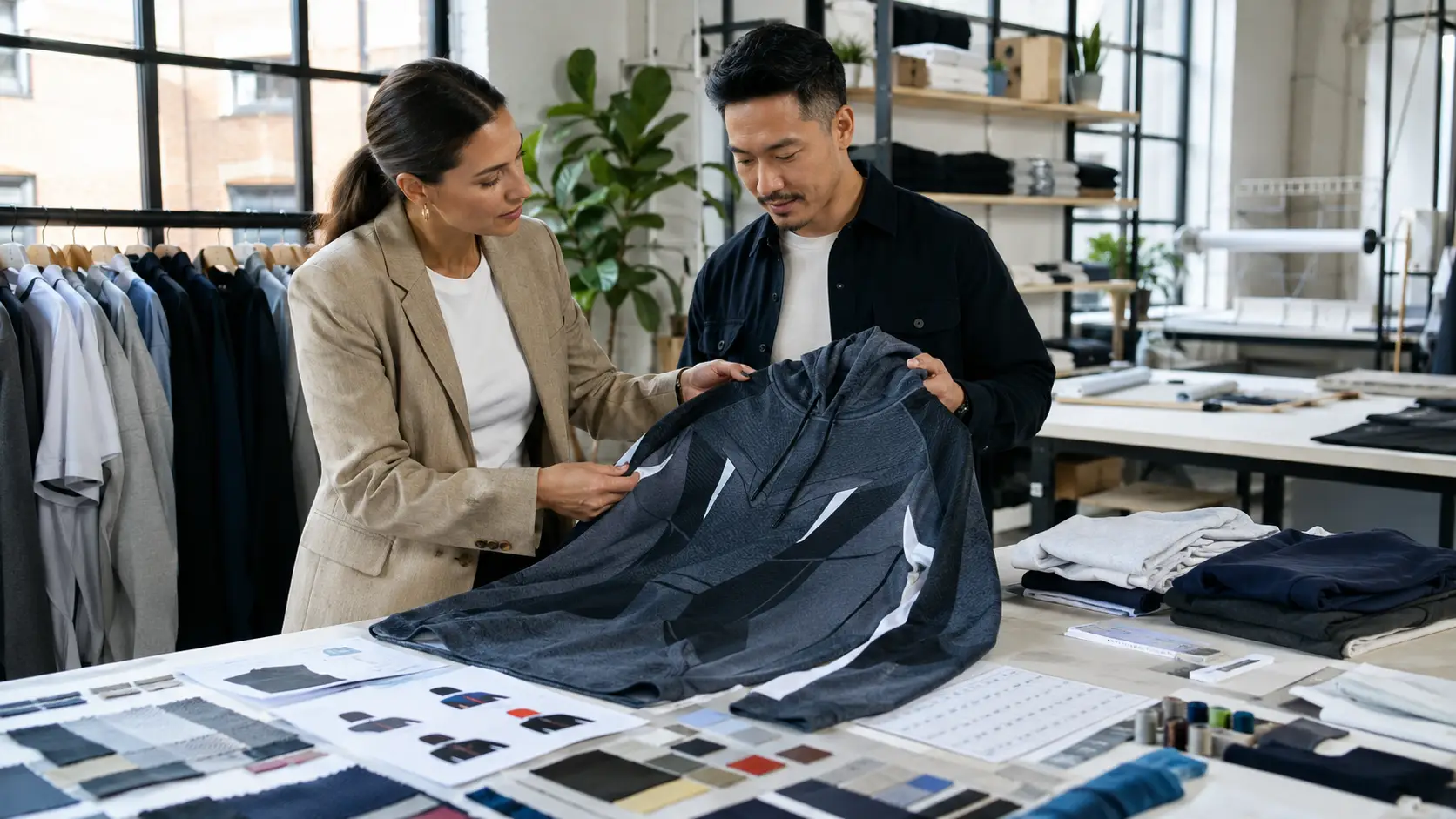
The technical pack should contain design drawings, measurements, grading rules, fabric requirements, colors, trims, stitching details, artwork, labels and packaging instructions.
Reference photographs are useful, but they should not replace exact specifications.
3. Review Relevant Manufacturing Experience
Ask manufacturers to provide examples of similar products. A factory experienced with basic leggings may not automatically have the pattern-development skills required for structured jumpsuits or tailored trousers.
Examples of girls’ stretch leggings may help buyers evaluate relevant product experience before beginning custom development.
4. Request Fabric Swatches
Review the fabric’s weight, texture, stretch, recovery, opacity, color, and surface appearance. When necessary, request test reports for shrinkage, colorfastness, pilling or other performance requirements.
5. Develop the First Sample
The first sample allows the buyer to inspect the garment’s proportions, construction and appearance. Record every required revision clearly instead of relying on informal verbal instructions.
6. Conduct Fit Testing
Fit-test the sample on an appropriate model or dress form. Evaluate comfort and movement while standing, sitting, walking and bending.
Leggings should not become excessively transparent when stretched. Trousers should provide sufficient room through the waist, hip and rise. Jumpsuits should allow comfortable upper-body and lower-body movement.
7. Approve a Preproduction Sample
The preproduction sample should use the final approved fabric, trims, measurements, artwork, branding and construction. Bulk manufacturing should begin only after the buyer documents approval.
8. Confirm Production Terms
Confirm minimum order quantities, pricing, payment terms, sample charges, lead time, inspection arrangements, packaging and shipping responsibilities.
Quality Control During Production
Quality control should begin before fabric cutting and continue until the finished cartons are approved.
Fabric Inspection
Fabric should be checked for visible defects, shade variation, inconsistent width, and other problems. Stretch materials should also be examined for recovery and stability.
Cutting Accuracy
Pattern pieces must be positioned and cut accurately. Printed fabrics may require placement or pattern matching. Incorrect cutting can affect garment balance, measurements, and print appearance.
In-Line Sewing Inspection
In-line inspections help identify problems before the entire order is completed. Inspectors should check stitch consistency, seam strength, measurements, pocket placement, closures, and artistry.
Products such as sweatpants and leggings can require different sewing methods within a related product range. Quality procedures should reflect the construction of each garment.
Final Inspection
Finished garments should be inspected for:
- Correct measurements
- Secure stitching
- Smooth seams
- Functional closures
- Accurate artwork
- Correct labels
- Clean finishing
- Shade consistency
- Proper pressing
- Correct packaging
The inspection standard and acceptable tolerances should be agreed upon before production begins.
Comparing Trousers, Leggings and Jumpsuits
| Product | Typical Fabric | Main Fit Concern | Important Construction Point |
|---|---|---|---|
| Trousers | Twill, denim, corduroy or woven blends | Waist, hip and rise | Waistband, pockets and closures |
| Leggings | Stretch jersey or performance knit | Stretch, opacity and recovery | Flexible seams and secure elastic |
| Jumpsuits | Woven or knitted fabrics | Torso length and overall balance | Connected upper and lower sections |
| Rompers | Lightweight woven or knit fabric | Body length and leg opening | Comfortable closures and movement |
| Sweatpants | Fleece, French terry or jersey | Waist and relaxed leg fit | Elastic recovery and seam strength |
Buyers interested in related knitted bottoms can also review the available sweatpants and leggings range.
Factors That Influence Manufacturing Cost
The final price depends on the complete garment specification. Important cost factors include:
- Fabric composition and weight
- Custom dyeing or printing
- Order quantity
- Number of colors
- Pattern complexity
- Size range
- Pocket construction
- Closures and trims
- Embroidery
- Branded labels
- Garment washing
- Testing requirements
- Packaging
- Inspection
- Shipping terms
A basic pull-on legging will normally have different material and labor requirements from a structured jumpsuit with a zipper, pockets, adjustable waist and decorative trims.
Buyers should compare quotations using identical specifications. A lower quotation may exclude services, materials or packaging included in another manufacturer’s price.
Questions to Ask Potential Manufacturers
Before selecting a supplier, ask:
- Have you manufactured similar trousers, leggings and jumpsuits?
- Which woven and knitted fabrics can you source?
- Can you create original patterns from a technical pack?
- Do you provide size grading for different age groups?
- What is the minimum quantity per design and color?
- How are sample revisions managed?
- What customization services are available?
- Can you produce custom labels and packaging?
- How do you inspect fabrics before cutting?
- Which quality checks occur during sewing?
- Can an independent inspection company inspect the order?
- What are the sampling and production lead times?
- How are delays or material problems communicated?
- What is included in the quotation?
- How are defects or shortages handled?
The manufacturer’s company background can provide useful initial information, but buyers should verify production capabilities through direct communication, samples and written order documents.
Common Sourcing Mistakes
Using One Fabric Standard for Every Product
Trousers, leggings and jumpsuits perform differently. A suitable trouser fabric may not provide enough stretch for leggings, while a lightweight jumpsuit material may not support structured trouser details.
Skipping Physical Samples
Digital photographs cannot confirm fabric texture, stretch, weight, comfort or construction quality. Physical sampling reduces the risk of approving unsuitable materials or proportions.
Ignoring Torso Length in Jumpsuits
Jumpsuits require accurate vertical measurements. Focusing only on chest, waist and hip measurements can result in an uncomfortable or poorly balanced garment.
Approving Leggings Without Stretch Testing
Leggings may appear acceptable when laid flat but become transparent, restrictive or distorted during movement. Buyers should test stretch, recovery and opacity before approval.
Comparing Prices Without Matching Specifications
Quotations should cover the same fabric, measurements, trims, artwork, labels, packaging and commercial terms. Otherwise, the prices do not represent equivalent products.
Treating Denim and Twill as the Same
Although both are woven materials, their finishes and manufacturing requirements can differ. Buyers adding denim bottoms to a collection should separately evaluate guidance for girls’ jeans pant manufacturing.
Selecting a Reliable Manufacturing Partner
Reliable girls’ trousers, leggings and jumpsuits manufacturers should demonstrate relevant product experience, accurate pattern development, suitable fabric sourcing and consistent quality control. Clear communication is equally important because these garments require different measurements, construction techniques and performance standards.
Buyers should prepare complete technical packs, request material swatches, evaluate physical samples and document every approval. They should also confirm production schedules, inspection requirements, packaging and delivery responsibilities before placing a bulk order.
A carefully selected manufacturer can support product development across multiple garment categories while maintaining consistent sizing, branding and artistry. Buyers ready to discuss specifications can request a manufacturing quotation after organizing their designs, quantities, fabrics and delivery requirements.