
Showing 1–12 of 64 results
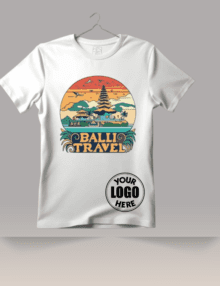
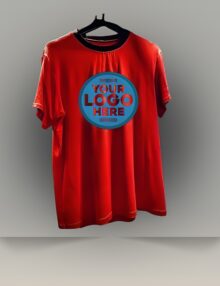
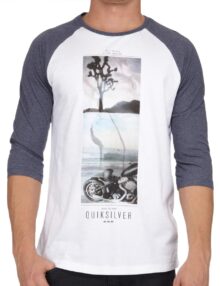

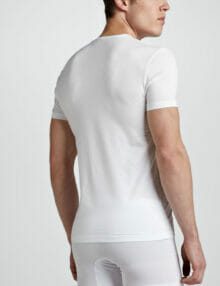

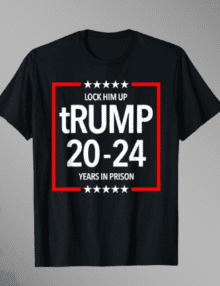
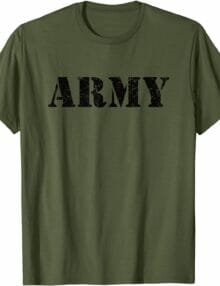
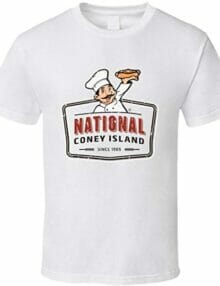
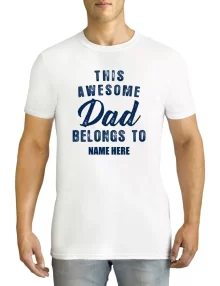
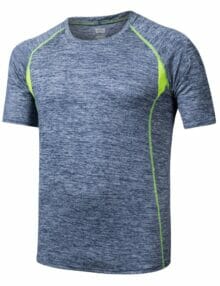
Minmax Textile is a T-shirt manufacturer, supplier, and exporter based in Dhaka, Bangladesh, producing custom, wholesale, and private label T-shirts for fashion brands, retailers, merch companies, and wholesalers worldwide. The factory handles everything from wholesale blank T-shirt orders to fully custom OEM and ODM production, including printing, embroidery, and packaging, and exports to markets such as the USA, the UK, Canada, Australia, the UAE, Saudi Arabia, South Africa, Germany, the Netherlands, and Sweden.
Browse the T-shirt styles, fabrics, and customization options below, or use the product grid above to view current stock designs and blanks available for private label.
Why Choose Minmax Textile for Custom T-Shirt Manufacturing
Minmax Textile operates as a full-service clothing manufacturer in Dhaka, one of the world’s largest garment export hubs, with T-shirt production as a core specialization alongside polo shirts, sweatshirts, and jerseys. Buyers work directly with the factory rather than through a layer of trading-company markups, which keeps communication direct and pricing transparent.
The factory supports the full production journey: fabric sourcing, sample development, bulk cutting and sewing, printing or embroidery, quality inspection, and export packing. This matters for international buyers because it removes the burden of coordinating multiple vendors for fabric, printing, and packaging.
Minmax Textile works with businesses at different stages — from startups placing their first small private label run to established retailers and merch companies placing recurring wholesale orders — and adapts the process (sampling depth, documentation, packaging) to the buyer’s order size and market.
T-Shirt Types We Manufacture
The category page lists dozens of individual T-shirt products. Still, at a manufacturing level, the factory produces the following core styles and can adapt them to a brand’s own tech pack:
- Classic crew neck T-shirts (short and long sleeve)
- V-neck T-shirts
- Raglan and baseball-style T-shirts
- Oversized and relaxed-fit T-shirts
- Dri-fit and performance/activewear T-shirts
- Organic cotton and bamboo-fabric T-shirts
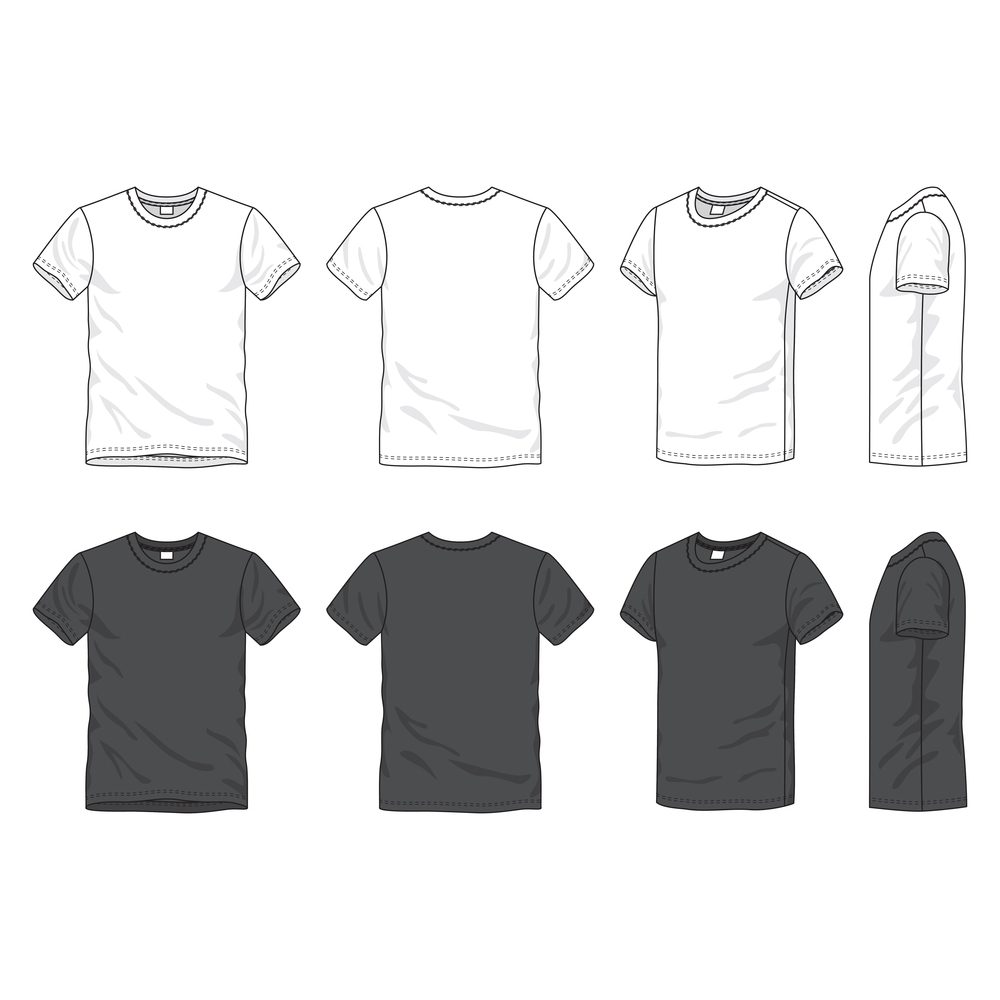
- Blank T-shirts for private label printing
- Corporate, campaign, and event T-shirts produced to a client’s own design
Buyers with an existing tech pack or reference sample can request that exact construction; buyers without one can start from one of the base styles above and customize fit, fabric, and finishing from there.
Fabric Options and GSM Range
GSM (grams per square meter) determines how light or heavy a T-shirt feels, and it’s one of the first specifications a buyer should confirm before sampling. Typical ranges used across the factory’s T-shirt production:
| Fabric | Typical GSM Range | Common Use Case |
|---|---|---|
| 100% cotton (combed/carded) | 150–220 GSM | Everyday retail and streetwear T-shirts |
| Cotton-polyester blend | 160–200 GSM | Print-heavy merch and promotional T-shirts |
| Organic cotton | 160–200 GSM | Sustainability-focused and premium retail lines |
| Bamboo/bamboo-cotton blend | 170–210 GSM | Soft-hand, eco-positioned fashion T-shirts |
| Dri-fit / performance poly | 130–170 GSM | Activewear and sports team T-shirts |
Exact GSM and fabric composition should be confirmed against the buyer’s tech pack or reference sample at the quoting stage, since acceptable tolerances and dyeing methods vary by fabric type.
Customization Options: Printing, Embroidery, Labels, Packaging
Customization is handled in-house wherever possible, which shortens the path from approved sample to shipped order. Available options include:
- Screen printing for solid-color, high-volume designs
- DTG (direct-to-garment) printing for detailed, multi-color, or photographic artwork
- Sublimation printing for all-over prints on polyester and poly blends
- Puff print and specialty finishes for textured branding
- Embroidery for logos, crests, and premium branding
- Woven or printed neck labels, hang tags, and care labels
- Custom polybags, branded packaging, and carton labeling for retail-ready shipments
Buyers should confirm artwork file requirements (vector files for print and digitized files for embroidery) and any Pantone color-matching needs during the sampling stage to avoid production delays.
Private Label, OEM, and ODM T-Shirt Manufacturing
These three terms describe different levels of involvement in product development, and buyers often use them interchangeably even though they mean different things:
- Private label manufacturing: the factory produces T-shirts to the buyer’s brand specifications, and the buyer’s own label, packaging, and branding are applied. The buyer typically supplies or approves the design.
- OEM (Original Equipment Manufacturing): the factory manufactures T-shirts strictly to the buyer’s own design, specifications, and tech pack, supplying labor and production capacity.
- ODM (Original Design Manufacturing): the factory contributes to design development and production, useful for buyers who have a concept but not a finished tech pack.
Minmax Textile supports all three models for T-shirt orders, and the right model depends on how developed the buyer’s design and specifications already are at the inquiry stage.
MOQ, Sample Development, and Bulk Production Process
Minimum order quantity (MOQ), sampling, and lead time are the three questions almost every new buyer asks first. (Note for the site owner: confirm the exact current figures internally before publishing — placeholders below should be replaced with accurate numbers.)
- MOQ: varies by customization complexity and fabric; blank or lightly customized bulk orders generally have a lower MOQ than fully custom private label runs with multiple colorways (confirm internal MOQ tiers).
- Sample development: a pre-production sample is typically produced for buyer approval before bulk cutting begins (confirm internal sample lead time).
- Bulk production begins after sample sign-off and deposit confirmation and is sequenced through cutting, sewing, printing/embroidery, and finishing (confirm the internal bulk lead time by order size).
Startups and small brands with volumes below the standard bulk MOQ should raise this directly during the inquiry — some flexibility may be available depending on fabric and customization complexity.
Quality Control and Export-Ready Production
Export-ready production means the T-shirts arrive at the buyer’s destination market in sellable condition, correctly labeled, and matching the approved sample. This depends on inspection at multiple stages rather than a single final check:
- Fabric inspection before cutting, to catch shading or weight inconsistencies
- In-line inspection during sewing and printing/embroidery
- Final random inspection before packing, checking measurements, stitching, and print/embroidery placement against the approved sample
- Export packing to the buyer’s specified carton markings, poly bagging, and labeling requirements
Buyers who need a third-party inspection (e.g., by their own QC agency) before shipment should confirm this at the time of order placement so it can be scheduled before the shipping date.
T-Shirt Manufacturing for USA, UK, Canada, Australia, UAE, Saudi Arabia, South Africa, Germany, Netherlands, and Sweden
Minmax Textile exports T-shirts to buyers across North America, Europe, the Gulf, and beyond. A few market-specific notes:
- USA and Canada: strong demand for private label streetwear, merch, and dri-fit T-shirts; buyers typically request FOB pricing and sea freight for bulk orders.
- UK, Germany, Netherlands, and Sweden: buyers frequently ask about organic cotton, sustainable fabric options, and compliance documentation alongside standard specs.
- Australia: seasonal ordering patterns mean lead-time planning around Southern Hemisphere seasons is worth confirming at the inquiry stage.
- UAE and Saudi Arabia: demand spans both fashion-forward private-label and corporate/promotional bulk T-shirts, often with modest fit or longer-length options requested.
- South Africa: growing demand for both wholesale blank T-shirts and small-batch private-label runs from independent brands.
For every market, buyers should confirm Incoterms (commonly FOB from a port in Bangladesh), the estimated transit time to their destination port, and any import documentation their country requires (confirm current logistics details internally, as carrier routes and transit times change).
How to Place a Custom T-Shirt Order
- Send an inquiry with your T-shirt style, fabric preference, target GSM, quantity, and any reference design or tech pack.
- Receive a quote and, if proceeding, request a pre-production sample for approval.
- Approve the sample and confirm order details: colorways, size breakdown, printing/embroidery placement, labeling, and packaging.
- Confirm the order with the agreed deposit; bulk production begins.
- Production runs through cutting, sewing, decoration, and quality inspection.
- Finished T-shirts are packed to specification and shipped, with export documentation provided for customs clearance.
Why Bangladesh Is a Preferred Sourcing Hub for T-Shirt Buyers
Bangladesh is one of the largest garment-exporting countries in the world, and T-shirts, in particular, are among its highest-volume export categories, giving the supply chain — fabric mills, printing units, trim suppliers, and freight forwarders — deep experience in cotton and cotton-blend knitwear.
Compared to sourcing from China, Bangladesh generally offers lower labor costs for basic and mid-complexity T-shirt styles, which is reflected in unit pricing at comparable quality and MOQ levels. Compared to newer sourcing hubs such as Cambodia or smaller Vietnamese factories, Bangladesh’s garment sector has a larger, more mature base of factories experienced specifically in knitwear and T-shirt production, which supports more consistent lead times at scale.
Bangladesh also benefits from preferential trade access to several of the target markets in this guide, including the EU and UK, which can affect landed cost for buyers importing into those regions (buyers should confirm current trade terms and duty rates for their specific product and market, as these are subject to change).
For buyers comparing sourcing countries, the practical takeaway is that Bangladesh tends to suit cotton and cotton-blend T-shirt programs at meaningful volume particularly well, while very small or highly complex technical-fabric runs may be better suited to factories specializing narrowly in that niche.
Final CTA
Ready to source custom, wholesale, or private label T-shirts from Bangladesh? Send your style, fabric, and quantity details to request a quote and sample, or browse the T-shirt styles above to see the current designs and available blanks.