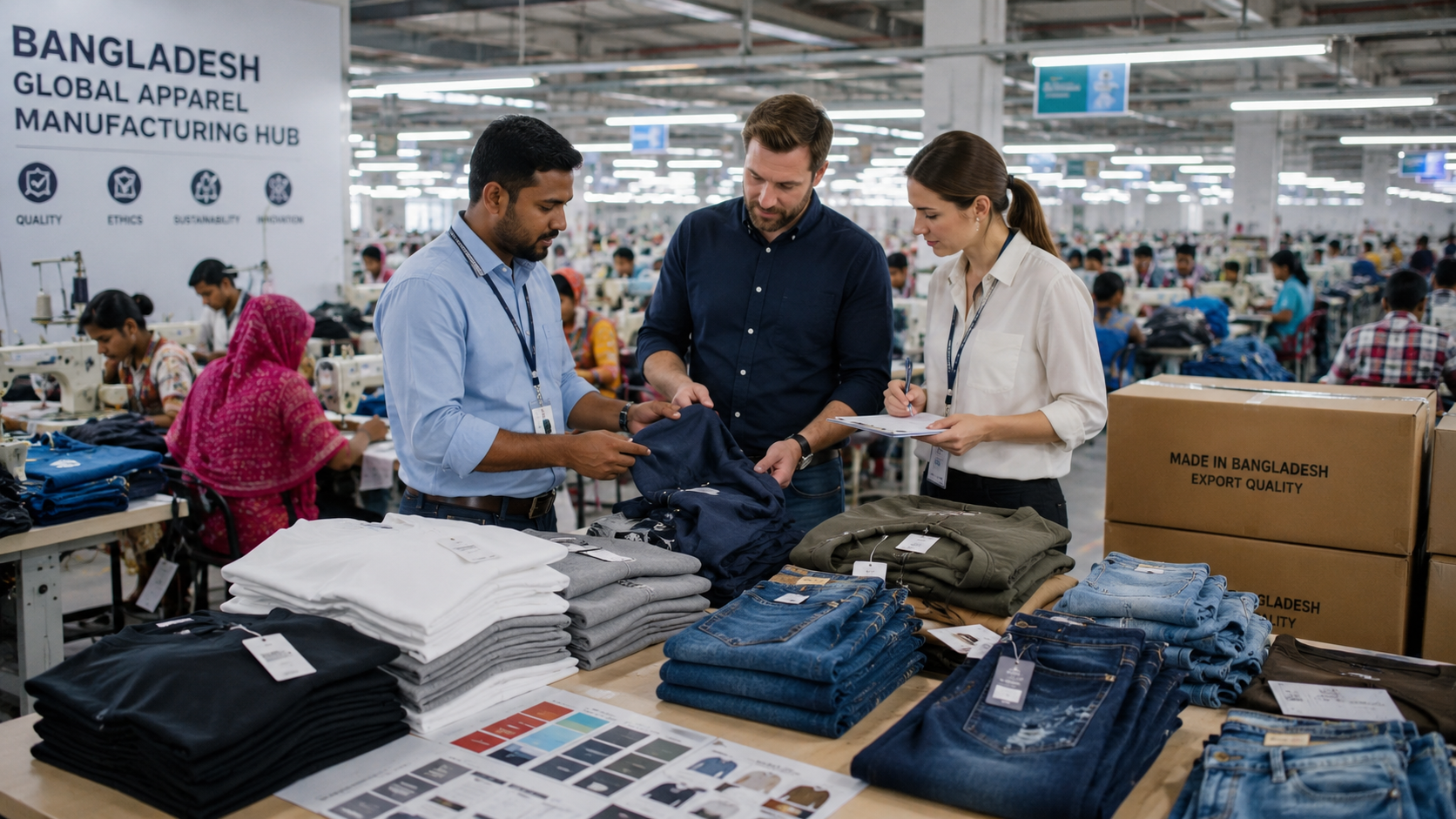
Bangladesh has become one of the world’s largest apparel manufacturing hubs, supplying clothing to global retailers, fashion brands, ecommerce businesses, wholesalers, and boutique stores.
From affordable cotton T-shirts and denim products to premium knitwear and private-label fashion collections, Bangladesh offers competitive pricing, large production capacity, and extensive manufacturing expertise.
If you’re planning to source clothing in bulk in 2026, understanding how the buying process works can help you reduce risk, improve quality, and maximize profit margins.
Why Buy Wholesale Clothing from Bangladesh?
Bangladesh is the second-largest apparel exporter in the world and a key sourcing destination for international fashion brands.
Key advantages include:
- Competitive manufacturing costs
- Skilled garment workforce
- Strong textile and apparel ecosystem
- High production capacity
- Extensive export experience
- Compliance-focused factories
- Wide product range
Many global retailers source garments from Bangladesh because they can maintain quality while achieving attractive wholesale pricing.
What Types of Clothing Can You Source from Bangladesh?
Knitwear
Popular products include:
- T-shirts
- Polo shirts
- Tank tops
- Sweatshirts
- Hoodies
Woven Apparel
Common categories include:
- Dress shirts
- Casual shirts
- Trousers
- Jackets
- Uniforms
Denim Products
Bangladesh is recognized globally for denim manufacturing.
Popular products include:
- Jeans
- Denim jackets
- Denim skirts
- Fashion denim collections
Women’s Fashion
Manufacturers produce:
- Dresses
- Blouses
- Tunics
- Co-ord sets
- Leggings
Children’s Apparel
Factories also specialize in:
- Baby wear
- School uniforms
- Kids fashion collections
Step-by-Step Process for Buying Wholesale Clothing
Step 1: Define Your Product Requirements
Before contacting suppliers, determine:
- Product category
- Target customer
- Fabric type
- Color options
- Sizing requirements
- Quantity requirements
- Packaging preferences
Clear specifications reduce sourcing mistakes.
Step 2: Research Potential Suppliers
Look for suppliers with:
- Export experience
- Factory certifications
- Product specialization
- Positive trade history
- Responsive communication
Evaluate multiple suppliers before making a decision.
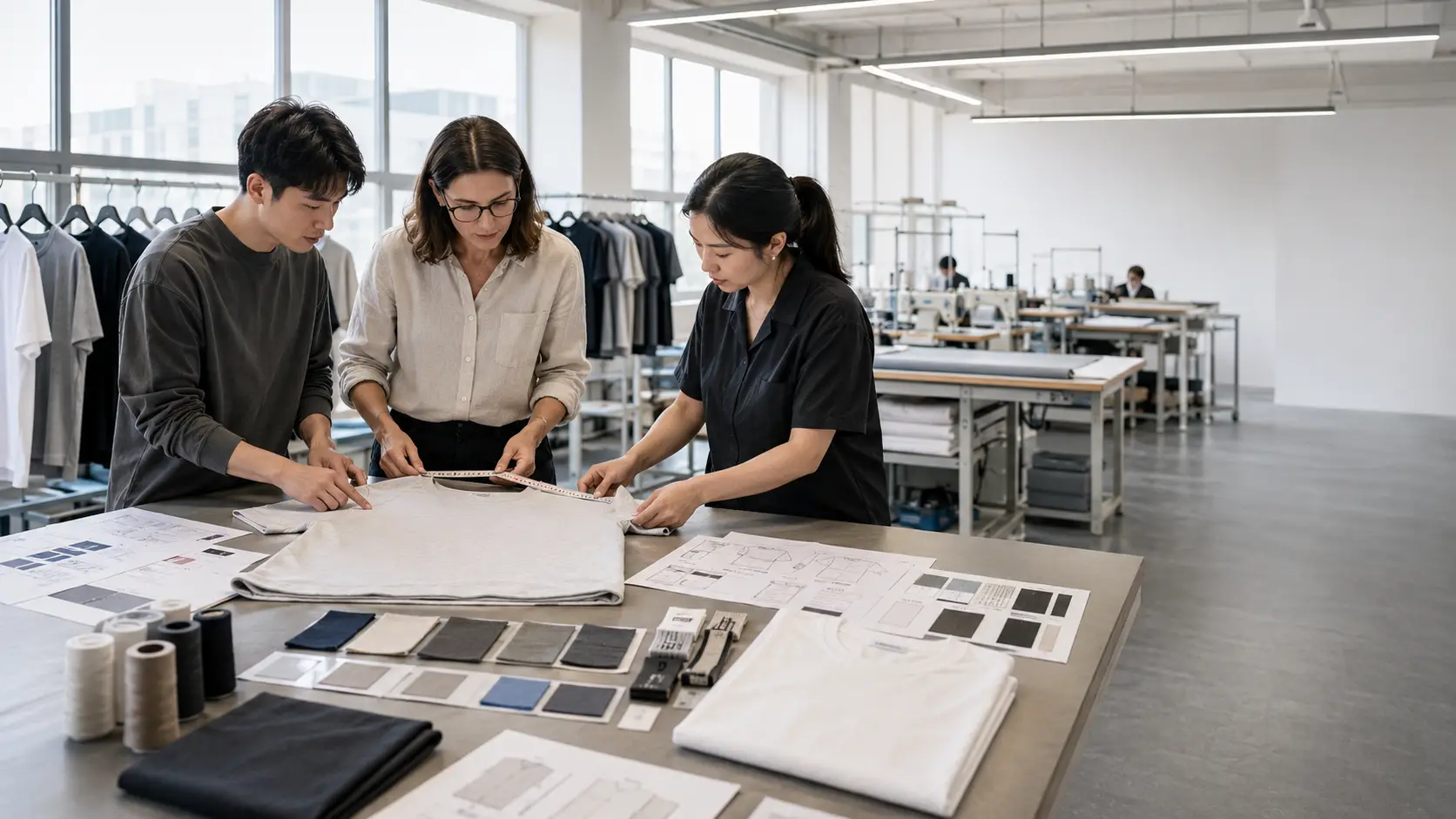
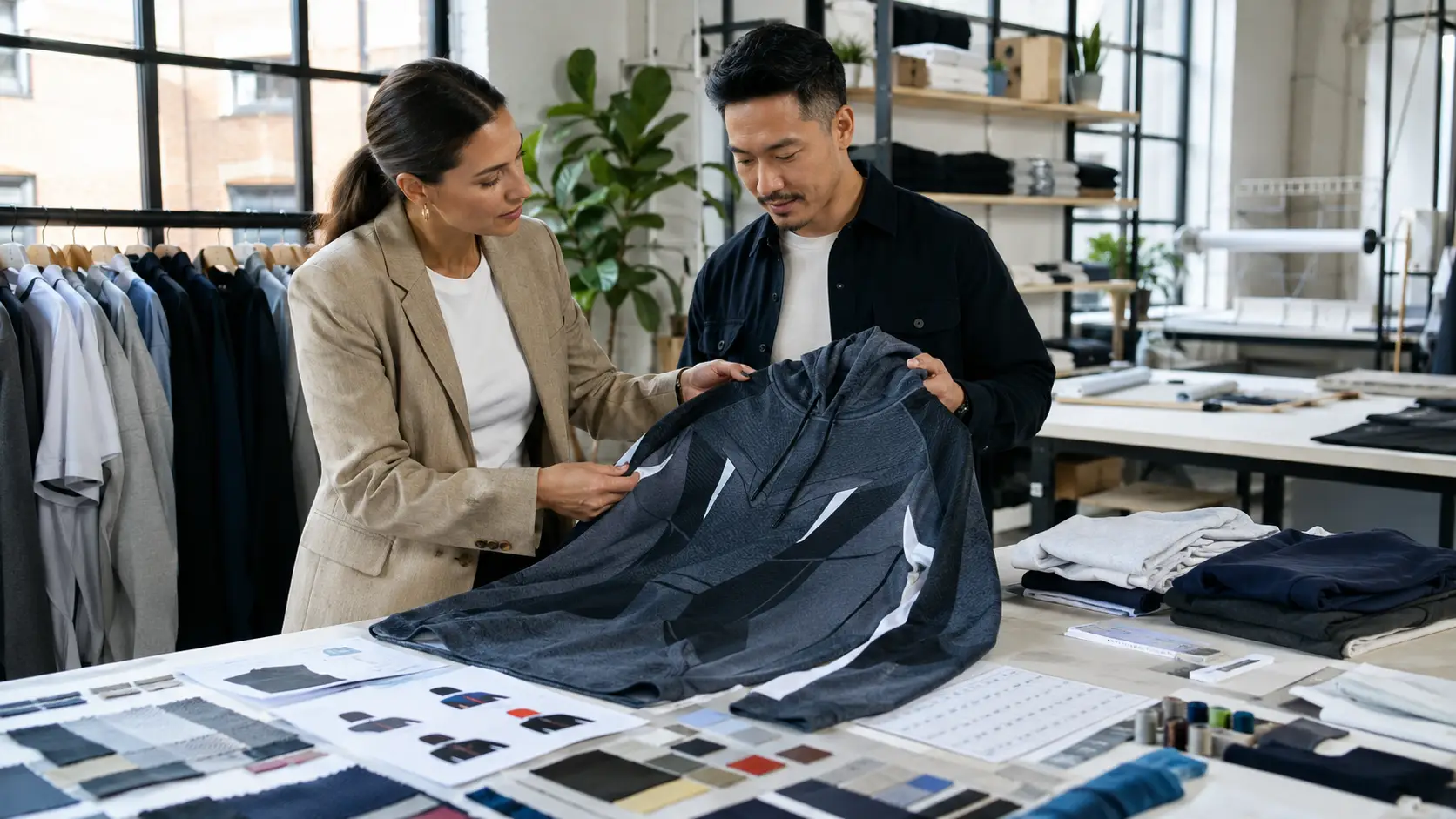
Step 3: Request Product Samples
Always order samples before placing bulk orders.
Check:
- Fabric quality
- Stitching quality
- Fit accuracy
- Color consistency
- Packaging quality
A sample evaluation can reveal issues before a significant investment.
Step 4: Review MOQ Requirements
Most manufacturers require minimum order quantities.
Typical MOQs range from:
- 300–500 pieces per style
- 500–1,000 pieces per color
- Higher quantities for custom production
Some suppliers offer lower MOQs for startup brands.
Step 5: Negotiate Pricing
Pricing depends on:
- Fabric choice
- Design complexity
- Quantity ordered
- Packaging requirements
- Delivery timeline
Always compare multiple quotations.
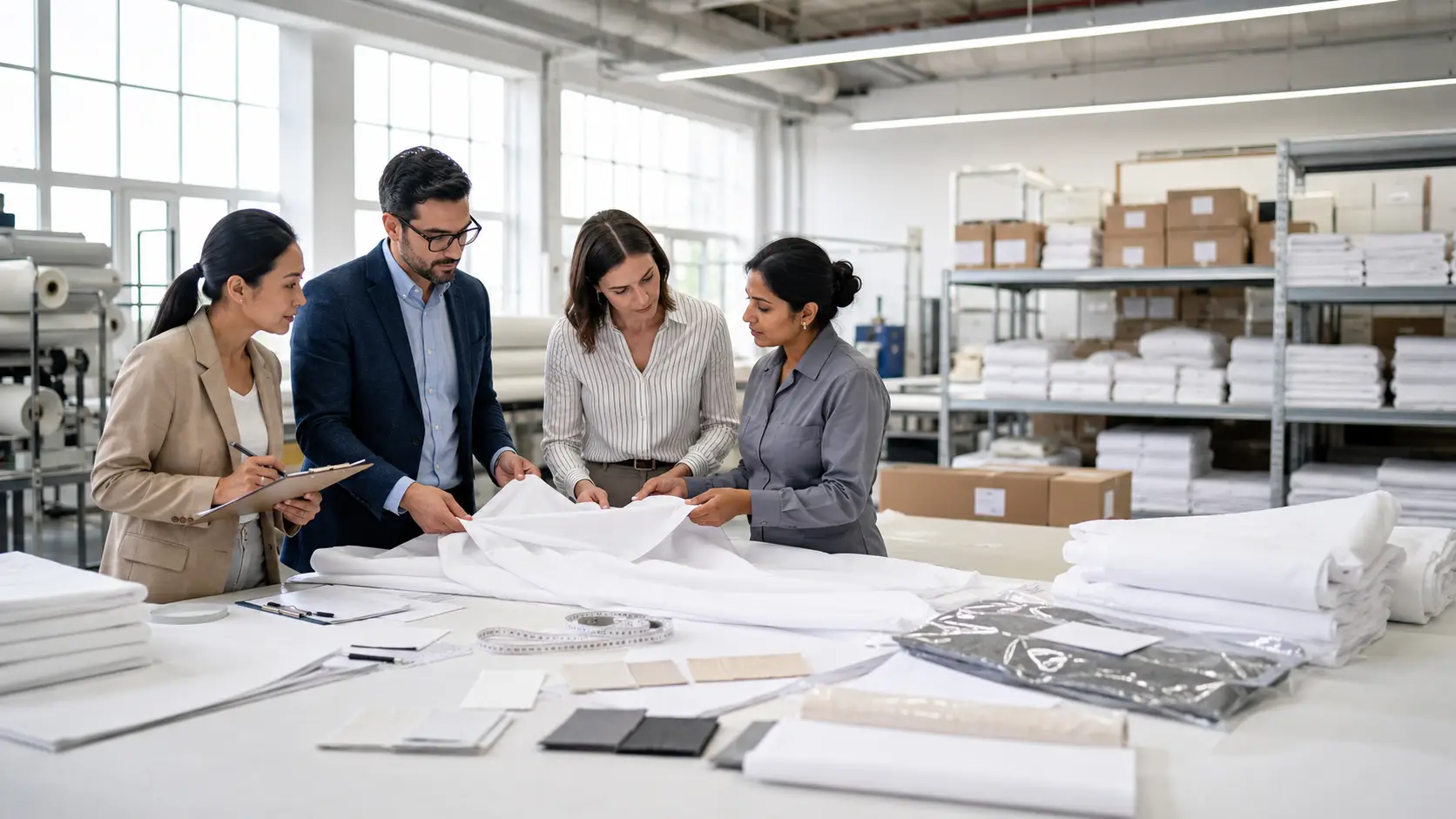
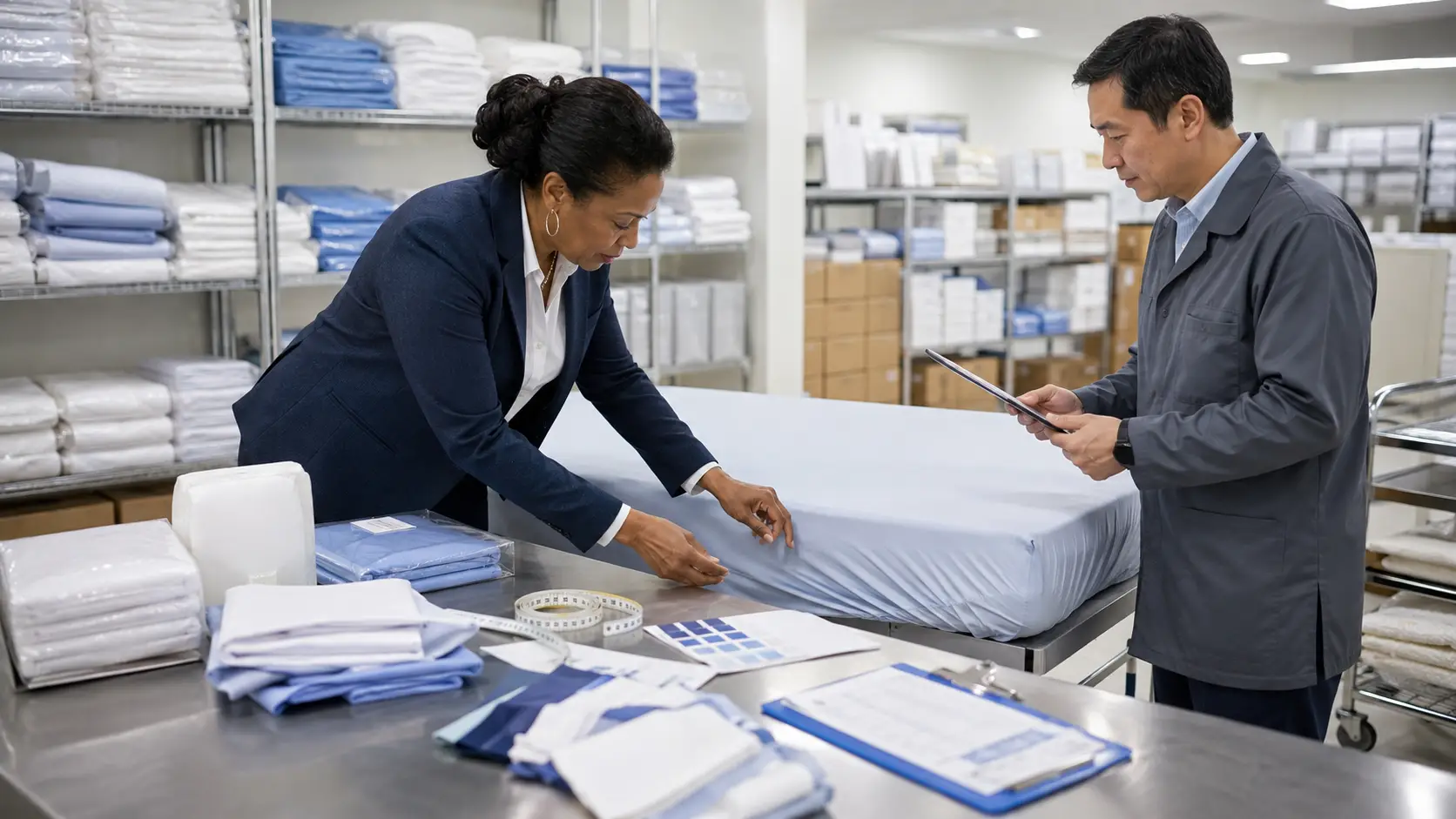
Step 6: Conduct Quality Control
Quality inspections should occur:
- Before production
- During production
- Before shipment
This helps reduce defects and costly returns.
Step 7: Arrange Shipping
Common options include:
Sea Freight
Best for large orders.
Advantages:
- Lower cost
- Higher volume capacity
Air Freight
Best for urgent shipments.
Advantages:
- Faster delivery
- Lower inventory risk
How Much Does Wholesale Clothing Cost in Bangladesh?
Costs vary depending on:
- Fabric type
- Order size
- Product category
- Design complexity
As a general rule:
- Basic cotton T-shirts cost less than fashion-oriented garments.
- Denim products require higher production costs.
- Specialty fabrics increase pricing.
The larger your order volume, the lower the per-unit manufacturing cost tends to be.
Bangladesh vs Other Sourcing Countries
| Factor | Bangladesh | China | India | Vietnam |
| Apparel Expertise | Excellent | Excellent | Strong | Strong |
| Cost Competitiveness | High | Medium | Medium | Medium |
| Knitwear Strength | Excellent | Strong | Strong | Strong |
| Denim Production | Excellent | Strong | Medium | Medium |
| Large Orders | Excellent | Excellent | Strong | Strong |
Bangladesh remains one of the strongest choices for fashion businesses focused on apparel sourcing.
Common Mistakes Buyers Make
Choosing Suppliers Based Only on Price
The cheapest supplier is not always the best supplier.
Skipping Sample Orders
This increases the risk of quality issues.
Ignoring Compliance Standards
Always verify factory certifications.
Poor Communication
Detailed documentation helps prevent misunderstandings.
Underestimating Shipping Costs
Include freight, customs duties, and import taxes in budgeting.
Wholesale Clothing Quality Checklist
Before approving production:
✓ Fabric quality verified
✓ Stitching inspected
✓ Measurements confirmed
✓ Color consistency checked
✓ Packaging reviewed
✓ Labeling approved
✓ Shipment documentation prepared
Best Clothing Categories to Source in 2026
Growing categories include:
- Oversized T-shirts
- Premium basics
- Activewear
- Sustainable apparel
- Denim collections
- Matching sets
- Streetwear-inspired fashion
- Lightweight seasonal essentials
These categories continue to perform strongly across Bangladesh, the USA, and Canada.
Frequently Asked Questions
Is Bangladesh good for wholesale clothing?
Yes. Bangladesh is one of the world’s leading apparel manufacturing countries, offering competitive pricing, large-scale production, and strong garment expertise.
What is the typical MOQ?
Most suppliers require 300–1,000 pieces per style, although some factories offer lower MOQs.
Can small businesses source from Bangladesh?
Yes. Many suppliers now accommodate startups, e-commerce brands, and boutique retailers.
How can I verify a clothing supplier?
Request certifications, inspect samples, review export history, and conduct factory audits whenever possible.
Which products are most popular from Bangladesh?
T-shirts, polo shirts, denim products, hoodies, knitwear, and casual fashion apparel remain among the most exported categories.
Final Thoughts
For apparel brands, ecommerce retailers, wholesalers, and fashion entrepreneurs, Bangladesh remains one of the most attractive clothing sourcing destinations in 2026. Its combination of manufacturing expertise, competitive pricing, skilled labor, and export experience makes it a strategic choice for businesses seeking quality garments at scale.
Success, however, depends on careful supplier selection, sample testing, quality control, and long-term relationship building. Buyers who approach sourcing strategically are more likely to achieve consistent product quality, stronger margins, and sustainable business growth.