To start a private-label clothing line, choose a niche, research your target audience, develop a brand identity, find a reliable clothing manufacturer, order samples, build your online store, set prices, and launch with a clear marketing plan. For USA-based brands, focus on quality, compliance, shipping speed, reviews, and local trust signals.
Your Clothing Brand Can Start Smaller Than You Think
Starting a clothing brand used to sound like something only big fashion houses could do. You needed designers, factories, warehouses, retail buyers, and a serious budget. Today, a private label clothing line makes the process much more realistic.
You do not need to own a factory. You do not need to sew every hoodie, T-shirt, dress, or activewear set yourself. You can work with an experienced private label clothing manufacturer like Minmax Textile, customize existing styles, add your branding, and launch products under your own label.
This is why private-label fashion has become popular among entrepreneurs in the United States, the United Kingdom, Canada, France, and Germany. A fitness coach in Texas can launch gym wear. A boutique owner in Florida can create resort dresses. A streetwear creator in New York can sell oversized tees and hoodies. A wellness brand in California can add sustainable loungewear to its product line.
The opportunity is real, but success still takes planning. Clothing is competitive. Customers care about fit, fabric, shipping, reviews, returns, and brand story. This guide explains how to start a private label clothing line step by step, with practical advice for building a brand that looks professional from day one.
What Is a Private Label Clothing Line?
A private label clothing line is a fashion brand that sells clothing made by another manufacturer but branded under its own name.
For example, Minmax Textile may manufacture blank or customized garments, while your brand adds its logo, labels, tags, packaging, sizing, colors, and design direction. The final product is sold as your brand, not the manufacturer’s.
Private label clothing is different from reselling. When you resell, you sell another company’s finished product. With private labeling, you build your own brand identity around products made for you.
Private Label vs. Custom Clothing Manufacturing
Private label clothing usually starts with existing product patterns or base styles. You can customize details such as:
- Fabric type
- Color
- Logo placement
- Neck labels
- Hang tags
- Packaging
- Sizing
- Minor design changes
Custom clothing manufacturing is more complex. It often involves original patterns, technical packs, multiple samples, and longer production times.
If this is your first clothing startup, private label is usually the smarter path. It is faster, more affordable, and easier to test before investing heavily.
Why Start a Private Label Clothing Line in the USA?
The United States remains one of the strongest apparel markets in the world. American shoppers buy clothing online, in boutiques, through social media, and from niche lifestyle brands. The demand is not just for big names. Many customers now prefer smaller brands that feel personal, local, ethical, or more specific to their identity.
A private label clothing line can work well in the USA because:
- Online shopping makes it easier to reach customers nationwide
- Niche brands can grow through TikTok, Instagram, YouTube, and SEO
- Consumers are open to boutique and direct-to-consumer fashion
- Local branding can build trust in specific cities or states
- Small brands can test products before scaling inventory
For example, a brand in Los Angeles may focus on premium streetwear. A Miami startup may sell vacation-ready resort wear. A Chicago entrepreneur may build a minimalist basics line for professionals. A Dallas fitness influencer may create private-label activewear for women who want a better fit and support.
The key is not trying to sell everything. The best private label clothing brands start with a clear niche and a strong reason to exist.
Step 1: Choose a Profitable Clothing Niche
Your niche is the specific category or audience your clothing line serves. This is one of the most important decisions you will make.
A weak niche sounds like this: “I want to sell clothes.”
A strong niche sounds like this: “I want to sell premium oversized streetwear for Gen Z men in the USA who like minimalist graphics and heavyweight cotton.”
The second idea is easier to brand, source, market, and rank on Google.
Popular Private Label Clothing Niches
Here are strong niche ideas to consider:
- Activewear and gym clothing
- Streetwear and oversized basics
- Women’s boutique dresses
- Sustainable cotton basics
- Kids’ clothing
- Modest fashion
- Resort wear
- Workwear-inspired casual clothing
- Loungewear and sleepwear
- Plus-size fashion
- Minimalist luxury basics
- Branded merch for creators or businesses
Choose a niche where you understand the buyer. If you already know your audience’s pain points, style preferences, and budget, you will make better decisions.
How to Validate Your Niche
Before ordering inventory, check whether people actually want the product.
Use these simple research methods:
- Search Google for your product category
- Review Amazon, Etsy, and boutique store reviews
- Study TikTok and Instagram trends
- Check what customers complain about
- Look at sizing, fabric, and shipping issues
- Ask people in your target audience what they would buy
- Test interest with a landing page or waitlist
Do not only ask, “Do you like this?” People often say yes to be polite. Ask better questions, such as:
- “What would stop you from buying this?”
- “What price would feel fair?”
- “Which color would you actually wear?”
- “What brands do you already buy from?”
- “What do you wish those brands did better?”
Real answers will save you money.
Step 2: Define Your Target Customer
Your private label clothing line should not speak to everyone. It should speak clearly to a specific customer.
Create a simple customer profile. Include:
- Age range
- Location
- Gender or style identity
- Income level
- Lifestyle
- Favorite brands
- Shopping habits
- Common frustrations
- Preferred platforms
- Price expectations
For example:
“Our customer is a 24–35-year-old woman in the USA who works out three times a week, shops online, likes neutral activewear, wants leggings that are not see-through, and prefers brands with inclusive sizing.”
That one paragraph can guide your product design, photography, website copy, pricing, and ads.
Step 3: Build a Brand Identity That Feels Real
A clothing line is not just fabric. It is a feeling.
Your brand identity tells customers why your clothing exists and why they should choose you instead of another brand.
Start with these basics:
- Brand name
- Logo
- Color palette
- Brand voice
- Mission statement
- Product promise
- Packaging style
- Photography direction
Your brand does not need to be complicated. It needs to be consistent.
For example, a premium basics brand may use clean fonts, neutral colors, simple packaging, and calm product descriptions. A streetwear brand may use bolder visuals, limited drops, oversized fits, and stronger cultural references.
Brand Story Example
A strong brand story might sound like this:
“We created this line because we were tired of basics that looked good online but lost shape after two washes. Our goal is simple: better everyday clothing with premium fabric, clean fits, and honest pricing.”
That feels human. It explains the problem and the promise.
Step 4: Research Private Label Clothing Manufacturers
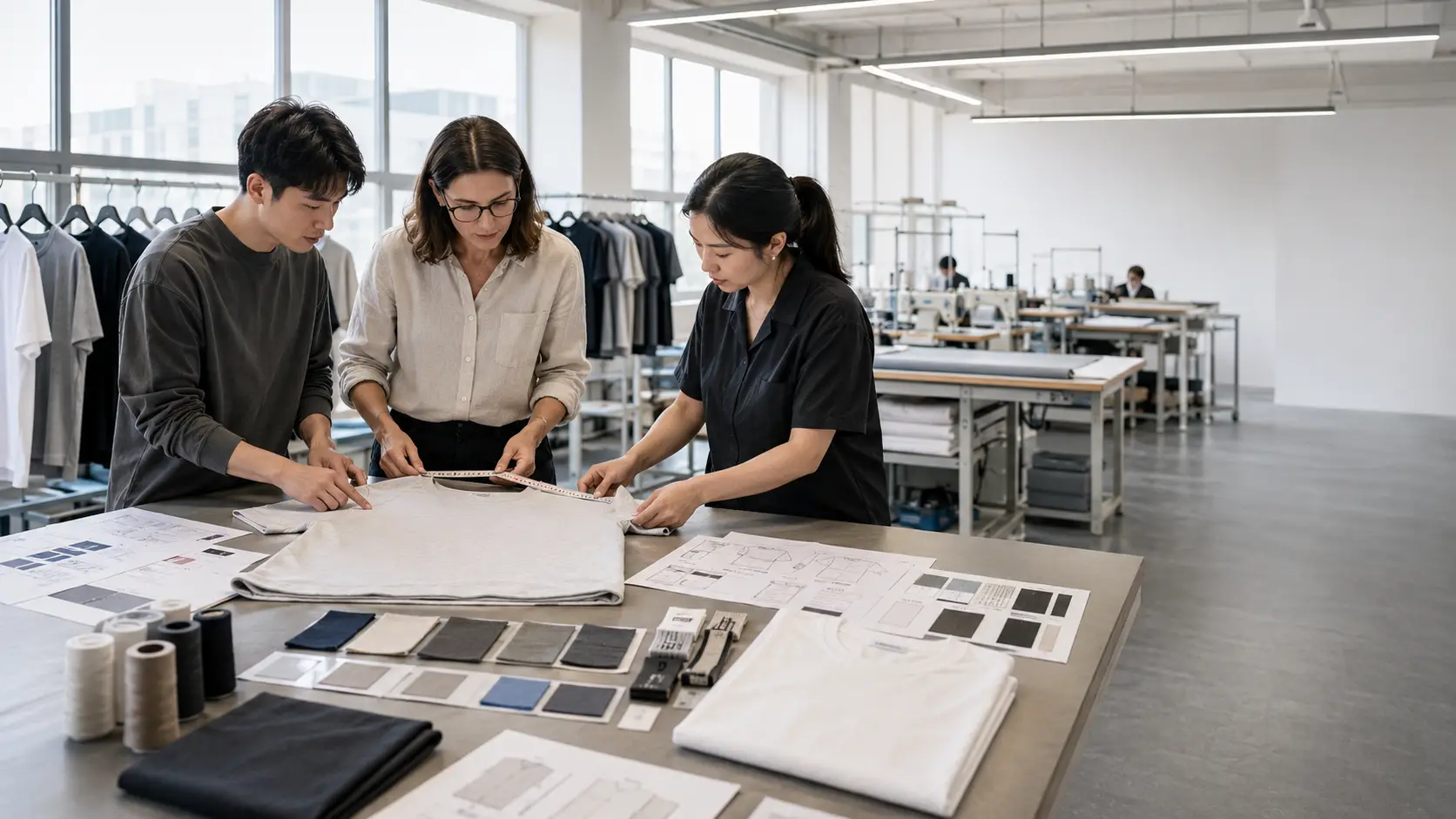
Your manufacturer can make or break your clothing brand. A good partner helps with fabric, sizing, samples, production, labels, and packaging. A poor partner can cause delays, inconsistent quality, and unhappy customers.
Minmax Textile supports private-label clothing startups by helping brands move from product idea to finished garment through manufacturing, customization, and brand-focused production support.
What to Look for in a Manufacturer
When choosing a private label clothing manufacturer, check:
- Product categories they specialize in
- Minimum order quantity
- Fabric options
- Sample process
- Label and packaging options
- Production timeline
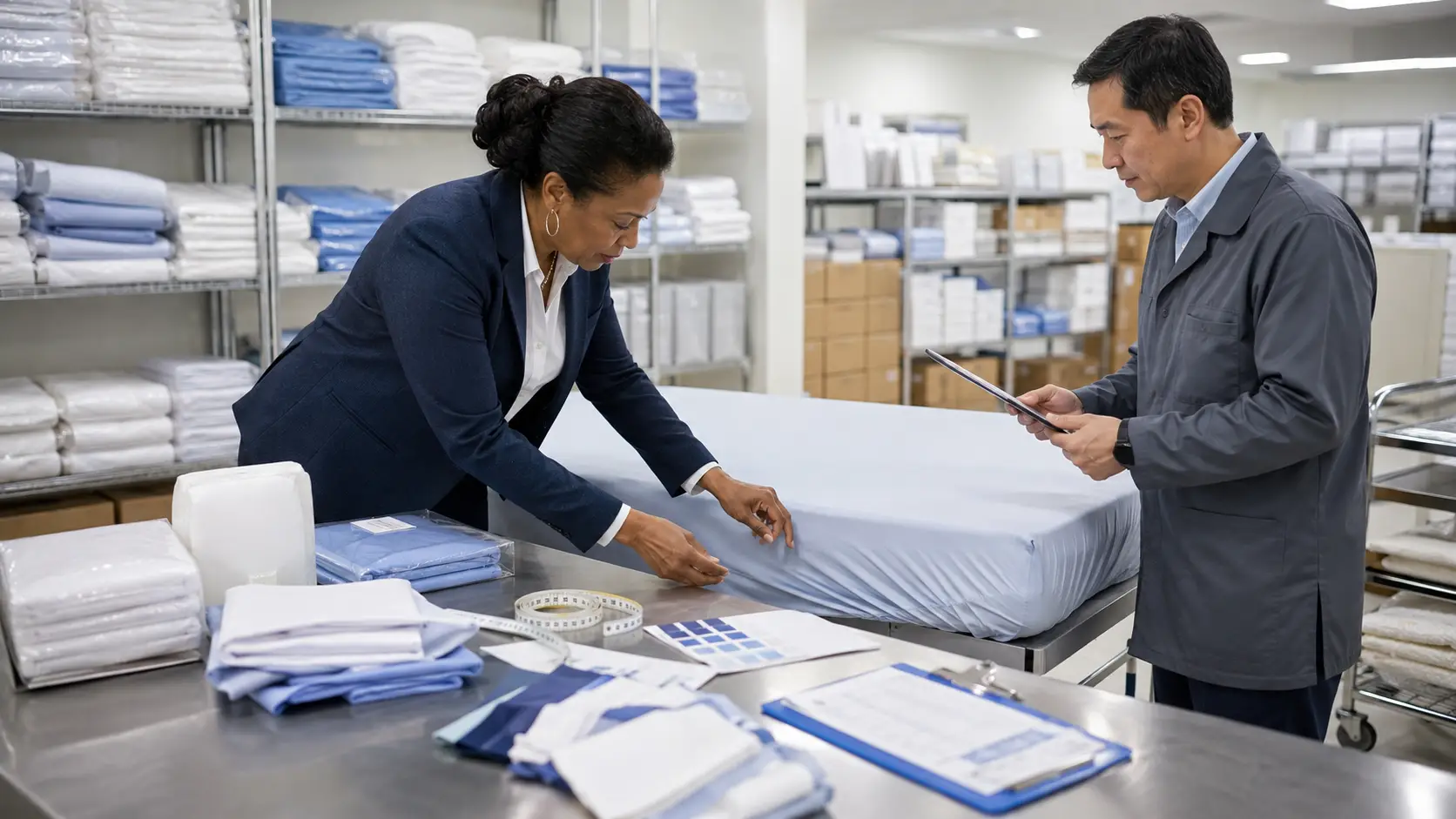
- Quality control process
- Communication speed
- Export experience
- Shipping support
- Past work or portfolio
- Ability to serve the USA, UK, Canada, France, and Germany
Do not choose only based on the lowest price. Cheap production can become expensive when you deal with returns, bad reviews, poor stitching, or inconsistent sizing.
Questions to Ask Before You Order
Ask your manufacturer:
- What is your minimum order quantity?
- Can I order samples first?
- What fabrics do you recommend for this product?
- Can you add my neck label and hang tag?
- Do you offer custom packaging?
- What is the production lead time?
- How do you inspect finished garments?
- Can you ship to the United States?
- What happens if there is a defect?
- Can you support future reorders?
A reliable supplier will answer clearly and professionally.
Step 5: Create Your First Product Line
New clothing brands often make one big mistake: they launch with too many products.
You do not need 40 styles. You need a focused first collection.
A smart starter collection may include:
- 1 hero product
- 2–4 color options
- 4–6 sizes
- 1 related upsell product
- Branded packaging
For example, an activewear brand may start with one pair of leggings, one sports bra, and one oversized gym tee. A streetwear brand may start with heavyweight T-shirts and hoodies. A boutique brand may start with one signature dress in three colors.
Choose a Hero Product
Your hero product is the item you want to be known for.
It should be:
- Easy to explain
- Easy to photograph
- Useful for your audience
- Strong enough to reorder
- Profitable after shipping and marketing
- Different enough from basic marketplace products
Your first product should solve a real problem. Better fit. Softer fabric. More durable stitching. Better size range. Better design. Better local brand experience.
Step 6: Order Samples Before Bulk Production
Never skip samples.
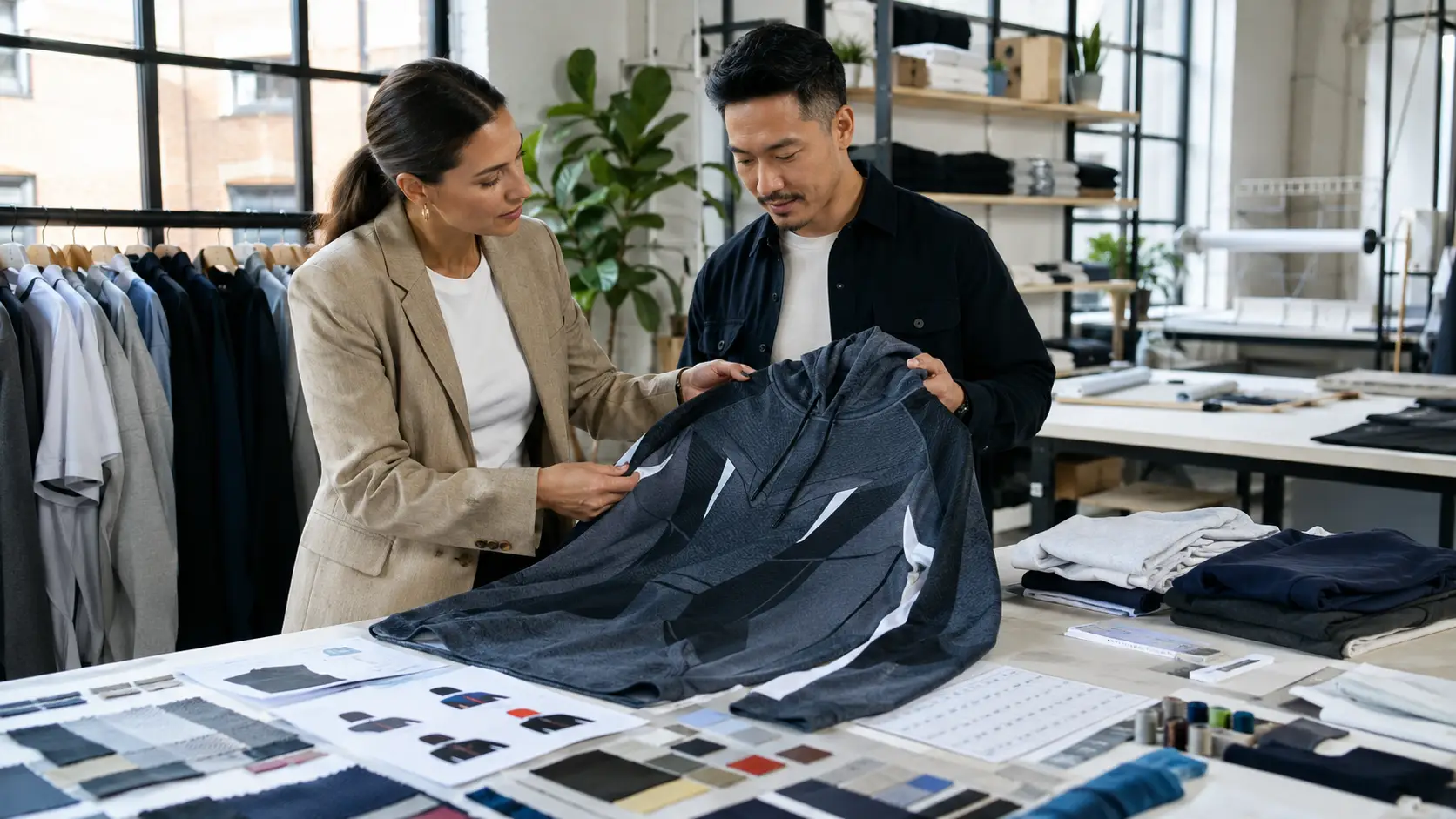
Photos, fabric names, and size charts are not enough. You need to touch the product, test the fit, wash it, stretch it, wear it, and inspect the details.
When your sample arrives, check:
- Fabric feel
- Thickness
- Stitching
- Fit accuracy
- Color accuracy
- Logo placement
- Label quality
- Shrinkage after washing
- Packaging appearance
- Overall customer experience
Try the sample in real life. If it is activewear, work out in it. If it is a hoodie, wash it and wear it several times. If it is a dress, test movement, comfort, and transparency under different lighting conditions.
A sample is not just a product check. It is your first customer experience test.
Step 7: Understand Legal and Business Requirements
In the USA, your clothing startup may need a business structure, a tax ID, sales tax setup, and local permits. Requirements vary by state and city, so always check your local rules.
Common startup steps include:
- Choose a business name
- Register an LLC or business entity
- Get an EIN from the IRS
- Open a business bank account
- Apply for the required local permits
- Set up sales tax collection
- Create return and privacy policies
- Review clothing labeling requirements
- Protect your brand name with a trademark when possible
For the UK, Canada, France, and Germany, you should also check local tax, consumer protection, import, VAT, and labeling requirements. Selling internationally can be profitable, but compliance matters.
Clothing Label Basics
Clothing labels often need to include:
- Fiber content
- Country of origin
- Care instructions
- Brand or company identity
- Size information
Labeling mistakes can create legal and customer trust issues. Work with a manufacturer that understands apparel labeling and export requirements.
Step 8: Calculate Startup Costs
The cost to start a private label clothing line depends on your product type, order quantity, fabric, customization, packaging, and marketing.
A lean startup may begin with a few thousand dollars. A more serious launch with custom branding, samples, photography, inventory, and ads may require a larger budget.
Common Startup Expenses
| Expense | What It Includes |
|---|---|
| Brand identity | Logo, colors, packaging design |
| Samples | Product testing before bulk order |
| Manufacturing | First production run |
| Labels and tags | Neck labels, hang tags, care labels |
| Packaging | Poly mailers, boxes, tissue, stickers |
| Website | Shopify, domain, theme, apps |
| Photography | Product and lifestyle images |
| Marketing | Ads, influencer gifting, SEO, email |
| Legal setup | LLC, permits, trademark, policies |
| Shipping | Freight, customs, fulfillment supplies |
Simple Pricing Formula
Use this formula as a starting point:
Retail Price = Product Cost + Packaging + Shipping + Marketing + Platform Fees + Profit Margin
For example, if one hoodie costs $18 to produce, packaging costs $1.50, average fulfillment costs $6, and marketing costs $8 per sale, your real cost may be $33.50 before profit. Selling it for $38 may look profitable at first, but it leaves almost no room. Selling it for $65–$75 may make more sense if the quality and branding support that price.
Do not price only by copying competitors. Know your numbers.
Step 9: Build Your Online Store
Your website is your digital storefront. It should look trustworthy, load quickly, and make buying easy.
For most private label clothing startups, Shopify is a common choice. WooCommerce, Wix, and other platforms can also work.
Your clothing website should include:
- Clear homepage
- Product pages with size charts
- High-quality photos
- Shipping policy
- Return policy
- About page
- Contact page
- FAQ section
- Reviews
- Email signup form
- Secure checkout
Product Page Must-Haves
Your product pages should answer buyer questions before they ask.
Include:
- Fabric details
- Fit notes
- Size guide
- Model height and size
- Care instructions
- Shipping time
- Return policy
- Close-up images
- Lifestyle photos
- Customer reviews
A good product page reduces hesitation. It also reduces returns.
Step 10: Plan Fulfillment and Shipping
Shipping is part of the customer experience. A great product can still get a bad review if delivery is confusing or slow.
You have a few options:
Ship Orders Yourself
This works for small launches. You store inventory at home or in a small office, pack orders, and ship through USPS, UPS, FedEx, or other carriers.
Pros:
- Lower upfront cost
- More control
- Good for small batches
Cons:
- Time-consuming
- Harder to scale
- Storage can become messy
Use a Fulfillment Center
A fulfillment center stores, packs, and ships your orders.
Pros:
- Easier to scale
- Faster processing
- Better for nationwide shipping
Cons:
- Monthly fees
- Less hands-on control
- Requires inventory planning
Manufacturer-to-Customer Shipping
Some suppliers can ship directly, but this is not always ideal for branded fashion. If packaging, speed, and quality control matter, consider holding inventory or using a fulfillment partner.
Step 11: Launch With a Marketing Plan
Do not wait until your products arrive to start marketing. Build attention before launch.
Pre-Launch Marketing Ideas
- Create a landing page
- Build an email waitlist
- Share behind-the-scenes content
- Post sample reviews
- Show fabric testing
- Ask followers to vote on colors
- Partner with micro-influencers
- Offer early access
- Collect feedback before production
A simple “coming soon” page with an email signup can help you test demand.
Launch Week Checklist
During launch week, focus on urgency and trust.
Do this:
- Send launch emails
- Post daily social content
- Share product videos
- Highlight reviews or sample feedback
- Offer limited-time bundles
- Retarget website visitors
- Answer sizing questions quickly
- Encourage first buyers to leave reviews
Your first customers are important. Treat them like VIPs. They can become repeat buyers, reviewers, and brand advocates.
USA-Focused Example: Starting a Private Label Hoodie Brand
Let’s say you live in Austin, Texas, and want to launch a premium hoodie brand.
Instead of selling every type of clothing, you start with one heavyweight hoodie. Your target customer is a 20–35-year-old buyer who likes minimalist streetwear, neutral colors, and quality fabric.
You work with Minmax Textile to source a heavyweight cotton blend hoodie, order samples in black, cream, and washed gray, test the fit, and add your woven neck label. You build a Shopify store, create a size guide, shoot photos in downtown Austin, and launch with a limited first drop of 100 pieces.
Your local angle could be:
“Premium everyday hoodies designed for Austin creatives, made for comfort, quality, and clean streetwear style.”
That is specific. It feels real. It gives people a reason to care.
Best Practices for Private Label Clothing Success
Here are the lessons most new founders learn the hard way.
Start Small, Then Reorder
A small first run helps you test demand. Reordering a winning product is better than being stuck with hundreds of unsold pieces.
Focus on Fit
Customers forgive many things, but a poor fit leads to returns. Use clear size charts and real model photos.
Invest in Good Photography
Clothing sells visually. Use natural lighting, close-up shots, lifestyle images, and short videos.
Build an Email List
Social media reach can change overnight. Your email list is an asset you own.
Keep Quality Consistent
The second order should match the first. Work with a manufacturer that can maintain standards.
Listen to Returns and Reviews
Returns are not just losses. They are data. If customers keep saying “runs small,” fix the size guide or product pattern.
Do Not Overcomplicate the First Launch
Simple is better. One strong product with good branding can beat a large, messy collection.
Common Mistakes to Avoid
Avoid these mistakes when starting your private label clothing line:
- Ordering bulk inventory without samples
- Choosing the cheapest supplier
- Launching too many products
- Ignoring size charts
- Using low-quality product photos
- Forgetting shipping and return costs
- Copying another brand too closely
- Skipping legal and tax setup
- Not collecting customer reviews
- Spending on ads before the website is ready
A clothing brand is not only about creativity. It is also about operations.
Why Work With Minmax Textile?
Minmax Textile helps entrepreneurs, boutique owners, fashion startups, and growing brands create private-label clothing through a professional manufacturing process.
Brands choose Minmax Textile because they need support with:
- Private label apparel production
- Custom branding
- Fabric selection
- Sample development
- Bulk manufacturing
- Labels and tags
- Startup-friendly guidance
- International shipping support
- Product quality control
Whether you are launching in the USA, UK, Canada, France, or Germany, working with an experienced clothing manufacturer can reduce costly mistakes and help you move faster.
A good manufacturer does not just make garments. It helps you create a product that customers feel confident buying.
FAQ: Private Label Clothing Line Startup
How much does it cost to start a private label clothing line?
Startup costs vary, but many small private label clothing brands begin with a few thousand dollars for samples, branding, inventory, website setup, and marketing. Costs depend on product type, order quantity, fabric, packaging, and shipping.
Is private label clothing profitable?
Yes, private-label clothing can be profitable if you choose the right niche, control production costs, price it correctly, and build strong branding. Profit depends on margins, marketing costs, return rates, and customer retention.
Do I need a designer to start a private label clothing brand?
Not always. For private-label clothing, you can start with existing styles and customize the fabric, color, labels, and packaging. A designer is helpful if you want original patterns or advanced product development.
What is the best clothing product to start with?
The best first product is simple, useful, and easy to explain. Popular starter products include T-shirts, hoodies, leggings, activewear sets, dresses, loungewear, and kids’ clothing.
Can I start a private label clothing line from home?
Yes. Many clothing startups begin from home by working with a manufacturer, building an online store, and shipping small batches themselves. As orders grow, you can move to a fulfillment center or larger workspace.
Conclusion: Start Lean, Build Trust, and Grow With Quality
Starting a private label clothing line is one of the most practical ways to enter the fashion business. You can begin with a focused niche, a small product collection, and a reliable manufacturing partner, rather than building everything from scratch.
The brands that win are not always the biggest. They are the clearest. They know their customer, choose quality products, tell a real story, and deliver a smooth buying experience.
If you are serious about launching a private-label clothing line in the USA, the UK, Canada, France, or Germany, start with one strong product and one clear audience. Test carefully. Improve quickly. Build trust with every order.
Minmax Textile can help you turn your clothing brand idea into a real private label product line with manufacturing support, branding options, and startup-friendly guidance.
Your clothing brand does not need to start huge. It needs to start smart.