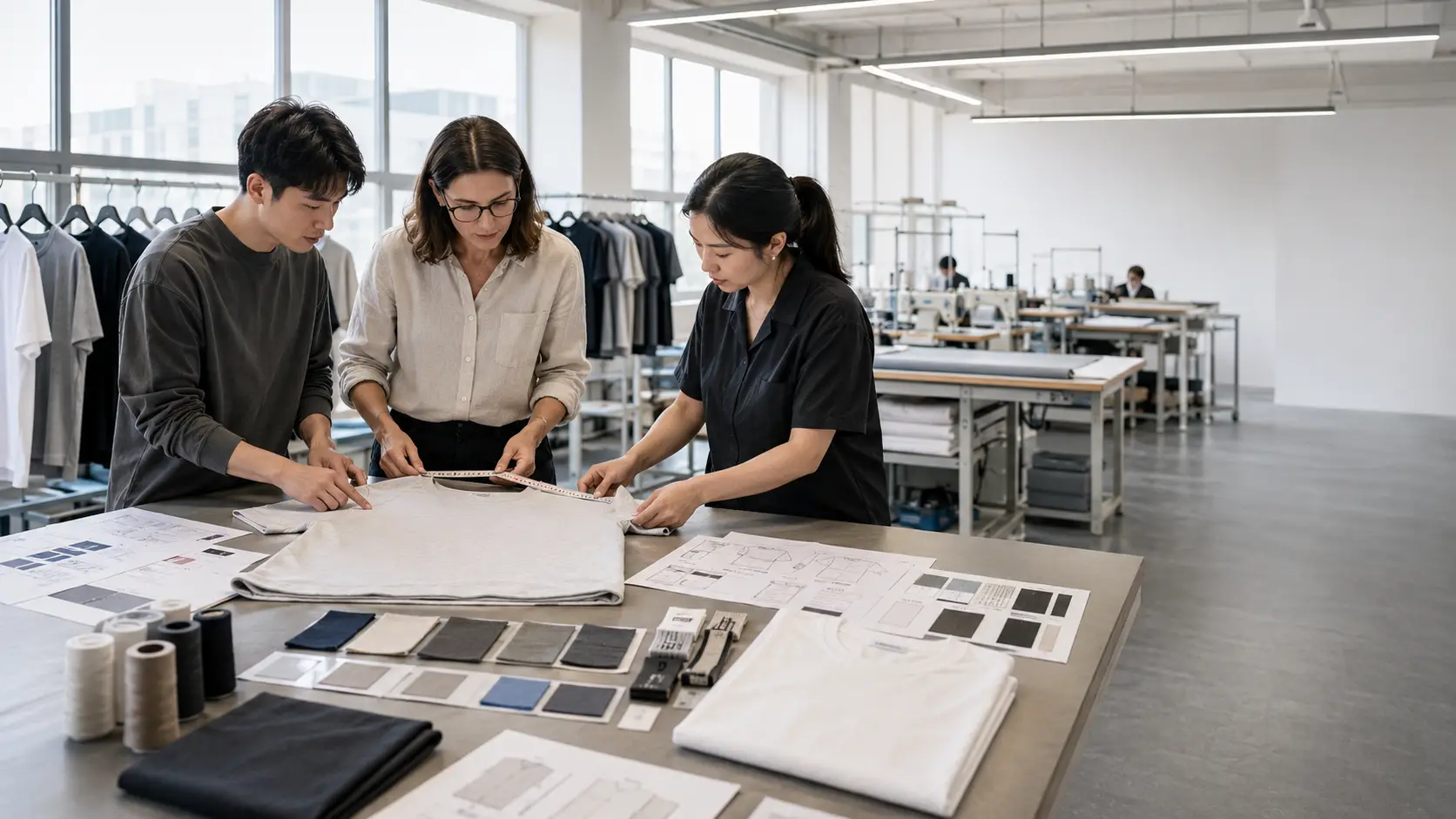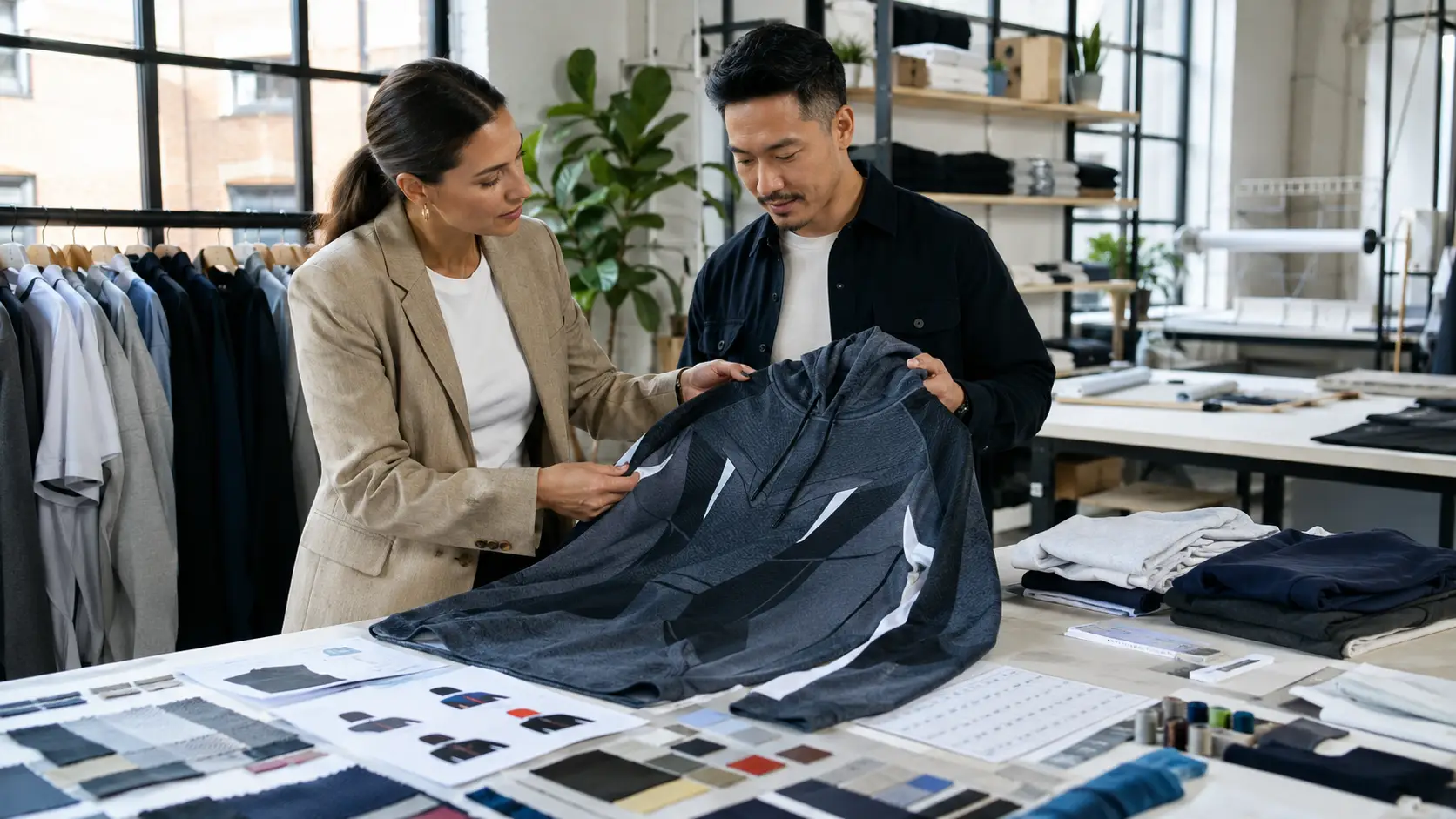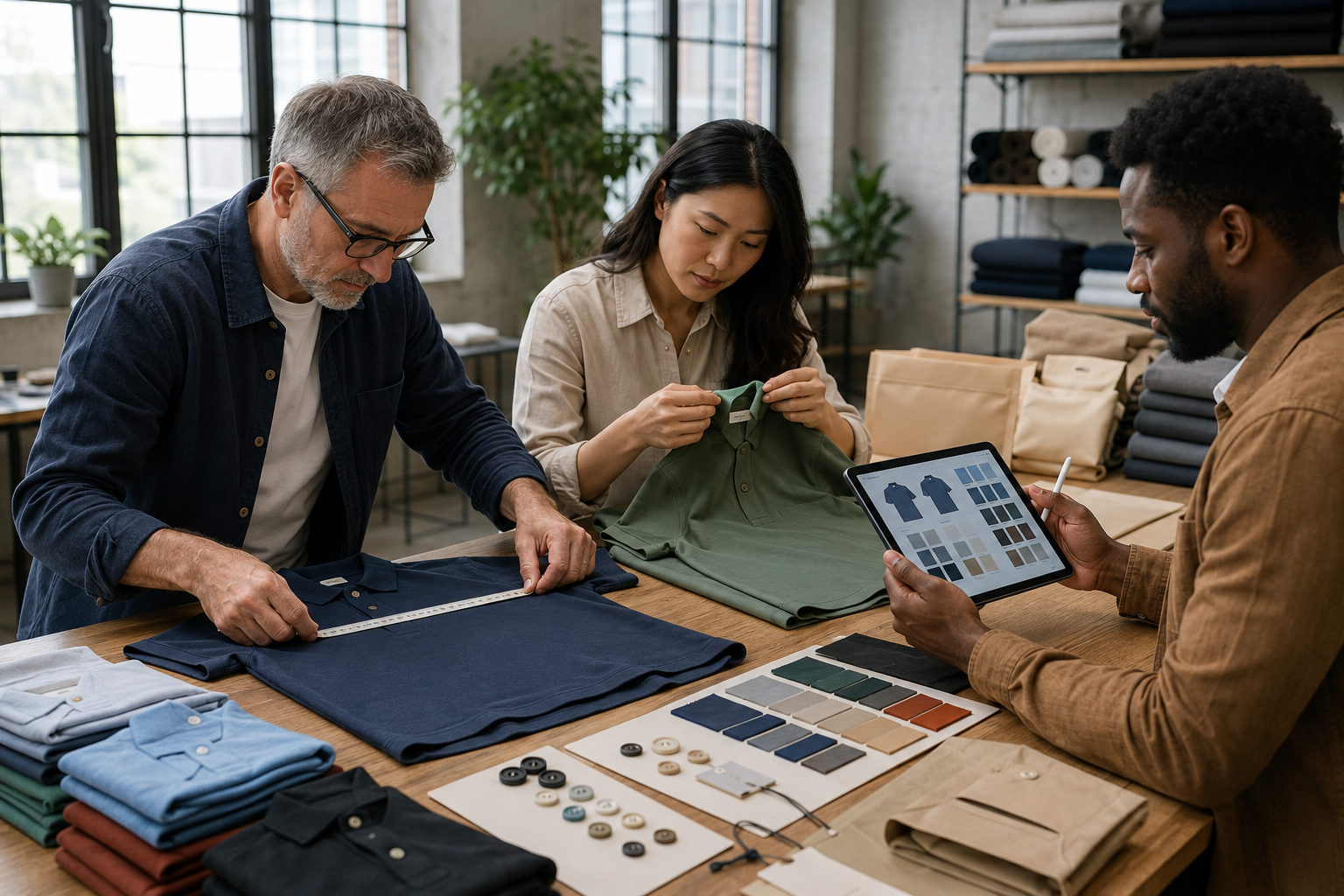
Boys’ polo shirt manufacturers produce standard, custom, and private-label garments for retailers, schools, distributors, and organizations. Buyers should compare fabric, fit, construction, testing, labeling, minimum orders, customization, lead times, and communication. Samples and written specifications help confirm quality before full production begins.
Buyers beginning their research can review the services and product categories presented by Minmax Textile before comparing its capabilities with their sourcing requirements.
What Buyers Need From a Reliable Polo Shirt Manufacturer
Choosing a manufacturer is not only about finding a low unit cost. The supplier must be able to make a safe, comfortable, durable garment that matches the buyer’s approved sample across every size and production run.
The best boys’ polo shirt manufacturers for a project depend on its purpose. A school uniform program may value repeatable colors, reinforced seams, and reorder support. A fashion label may place more weight on custom fabric, detailed trims, and private-label packaging. A promotional buyer may need a simple style, fast decoration, and a manageable minimum order quantity.
This guide explains how to define the product, compare production options, evaluate samples, review compliance, and reduce common sourcing risks. It offers a practical framework, but buyers should confirm the laws and standards that apply in every country where the garments will be sold.
What Do Boys’ Polo Shirt Manufacturers Provide?
Boys’ polo shirt manufacturers turn a design or product specification into finished garments. Their services may include fabric sourcing, pattern development, size grading, sample creation, cutting, sewing, embroidery, printing, finishing, inspection, packing, and shipment preparation.
Reviewing a supplier’s boys’ polo shirt collection can help buyers identify available styles before requesting custom specifications.
Manufacturers commonly offer three production models:
- Ready-made wholesale: The buyer selects existing styles and colors. This route is usually the simplest but offers limited product control.
- Private label: The supplier applies the buyer’s labels, packaging, and selected design changes to an established garment or base pattern.
- OEM or fully custom production: The factory develops a polo from the buyer’s tech pack, measurements, materials, colors, trims, and construction details.
The right model depends on the order size, brand position, launch schedule, budget, and need for exclusivity.
Key Product Decisions to Make Before Requesting Quotes
A clear request for quotation allows manufacturers to price the same product. Without one, quotes may include very different materials and services.
Fabric and Knit Structure
Cotton piqué is a familiar polo fabric with a textured surface and structured appearance. Jersey knit feels smoother and often lighter. Cotton-polyester blends can support shape retention, faster drying, and easier care, while high-cotton fabrics may appeal to buyers seeking a natural hand feel.
Buyers should also specify:
- Fiber percentages
- Fabric weight or an acceptable weight range
- Knit structure
- Color and dye method
- Desired softness and breathability
- Shrinkage and colorfastness expectations
- Finishes, if any
Ask whether the fabric is stocked or requires custom production, which may increase minimum quantities and development time.
Fit, Sizing, and Age Range
Labels such as small, medium, or age 8 are not complete size standards. The tech pack should list garment measurements for each size, measurement points, allowed tolerances, and the intended fit.
Important measurements often include chest width, body length, shoulder width, sleeve length, sleeve opening, collar dimensions, and placket length. Buyers should also decide whether the polo needs a regular, slim, relaxed, or school-uniform fit.
A full size set can reveal grading problems that one sample size will not show.
A detailed clothing tech pack guide can help buyers organize measurements, tolerances, fabric details, trims, colors, labels, and construction instructions before requesting samples.
Construction and Durability
Construction choices affect both appearance and service life. Review the collar shape, placket structure, button attachment, seam type, stitch density, side vents, hem finish, and reinforcement at stress points.
For frequent-wash garments, buyers may request reinforced shoulder seams, stable rib collars, durable buttons, or side-seam reinforcement. State each requirement instead of using broad terms such as “premium quality.”
Decoration, Labels, and Packaging
Custom polo shirts may use embroidery, screen printing, heat transfer, patches, woven badges, or other decoration methods. The best choice depends on artwork detail, fabric, order volume, wash expectations, and the desired finish.
The order brief should identify logo size, placement, colors, backing, and approval method. It should also list required labels, hangtags, folding, individual bags, and carton markings.
Comparing Common Polo Shirt Options
Different fabric constructions suit different product positions. The following comparison provides a starting point for sample selection, not a substitute for testing the actual fabric.
Buyers sourcing uniforms may also find the overview of wholesale children’s schoolwear useful when planning coordinated polo and knitwear programs.
| Option | Typical qualities | Often suitable for | Point to confirm |
| Cotton piqué | Textured, classic, breathable feel | Uniforms, retail basics, casual programs | Shrinkage, collar stability, colorfastness |
| Cotton-polyester piqué | Structured, practical, often easier to care for | Schoolwear, teamwear, frequent-wash use | Blend ratio, pilling, hand feel |
| Cotton jersey | Smooth, soft, less structured | Casual and fashion-focused polos | Shape recovery, fabric weight, curling |
| Performance knit | Moisture-management features may be available | Sports, clubs, active programs | Verified performance claims, snagging, odor retention |
| Certified organic textile option | Traceability and certification may support a sustainability brief | Selected retail and institutional programs | Valid scope and transaction documentation |
Verify certification claims with the issuing program and confirm the relevant facility, process, and product are covered. A statement that a factory “uses organic cotton” is not proof that a finished product may carry a certification label.
A practical polo shirt manufacturer guide can help buyers connect fabric choices with customization, production methods, and supplier-selection criteria.
Quality Checks That Matter for Boys’ Polo Shirts
Quality control should begin with an agreed specification and approved materials. Final inspection cannot correct an unsuitable fabric or unclear size chart.
Useful checks include:
- Fabric weight and fiber composition
- Shade consistency within and between lots
- Dimensional change after laundering
- Colorfastness to washing and rubbing
- Pilling or surface wear
- Seam strength and skipped stitches
- Button security and placket alignment
- Collar shape after washing
- Garment measurements and tolerances
- Logo position and decoration quality
- Label accuracy and packaging count
Testing needs should reflect the product, age group, destination market, materials, trims, and claims. Buyers should agree in writing on the test methods, pass criteria, testing stage, laboratory, and party responsible for cost.
An approved preproduction sample should serve as the physical reference for bulk production. Keep a sealed or signed duplicate when practical and record any permitted differences in writing.
The guide to a pre-shipment quality inspection explains how buyers can compare finished goods with approved requirements before dispatch.
Children’s Apparel Compliance and Labeling
The buyer should identify the destination-market rules and not assume a generic “compliance certificate” covers the product, even when a factory offers testing support.
For products sold in the United States, covered textiles generally require labels identifying fiber content, the manufacturer or responsible marketer, and the country where the product was processed or manufactured. Covered apparel must also provide appropriate care instructions. Buyers should confirm the current labeling rules that apply to their product before production.
U.S. children’s products may also be subject to safety, third-party testing, certification, and permanent tracking-information requirements. Buyers should determine which current requirements apply to the specific polo, including its fabric, buttons, decoration, coatings, and intended age group.
Other markets have different rules. Test reports should identify the product, material, color, standard, result, date, and laboratory. Confirm that each report applies to the proposed order.
How Pricing and Minimum Orders Work
Manufacturers normally build a quote from materials, labor, decoration, labels, packing, testing, waste, order volume, and delivery terms. Custom colors, small size-by-color quantities, complex embroidery, special trims, and extra packaging steps can raise the cost.
Minimum order quantity, or MOQ, may apply by style, fabric, color, or size. Ask for every minimum in writing.
A manufacturer’s company profile may provide general information about minimum orders, sampling, lead times, and payment terms. Buyers should still confirm the current terms for their specific polo shirt program.
A useful quote should state:
- Product specification and fabric
- Quantity and size-color breakdown
- Sample and development charges
- Unit price and currency
- Included labels, decoration, and packaging
- Testing and inspection responsibility
- Production lead time and when it begins
- Shipping term and delivery point
- Payment schedule
- Quote validity and change conditions
Compare landed cost rather than unit price alone. Freight, duties, inspection, testing, payment fees, and defect handling can change the real cost.
A Practical Process for Choosing a Manufacturer
- Define the product. Create a tech pack or detailed specification with measurements, materials, construction, colors, labels, decoration, packaging, testing, and target quantity.
- Build a focused shortlist. Look for relevant children’s knitwear experience, suitable equipment, and an order range that fits the project. Confirm the business identity and production location.
- Send the same request to each supplier. Use one quotation sheet and require manufacturers to identify exclusions or alternatives. This prevents a low quote from hiding missing services.
- Review capability and documentation. Identify who makes the fabric, performs decoration, manages testing, and conducts inspection. Verify relevant certificates directly.
- Order development samples. Evaluate fit, artistry, fabric, color, wash performance, decoration, labels, and packaging. Reviewing the full clothing manufacturing process can help buyers understand how approved samples guide later production stages.
- Approve a preproduction standard. Confirm the final tech pack, bill of materials, color references, size chart, packaging, testing plan, and sample. Do not begin bulk production while important details remain open.
- Monitor production and inspect the order. Agree on progress updates and inspection timing. Check early pieces when risk is high and finished goods before shipment.
- Document shipment and reorder information. Retain approvals, test reports, inspection findings, lot references, packing lists, and final specifications. These records make problem-solving and repeat orders easier.
Questions to Ask Boys’ Polo Shirt Suppliers
Use this checklist before committing:
- Do you manufacture polo shirts in your own facility, and which processes do you outsource?
- What are the MOQs by style, fabric, color, and size?
- Can you work from a full tech pack and stated measurement tolerances?
- Which fabrics are stocked, and which require custom production?
- How do you control shrinkage, shade variation, pilling, and collar shape?
- Which tests apply to this product and destination market?
- Can reports be traced to the exact materials and components used in the order?
- What does the price exclude?
- When does the production lead time begin?
- How are delays, substitutions, and specification changes approved?
Clear, timely answers are a useful trust signal. Also review facility images, business registration details, references, relevant audit information, and consistent contact details.
A practical guide on how to find a clothing manufacturer can support this verification process. Combine document checks with samples and production controls.
Common Sourcing Mistakes and How to Avoid Them
Choosing From Price Alone
The lowest quote may use a lighter fabric, simpler construction, different packing, or fewer quality checks. Compare quotes line by line against one specification and calculate landed cost.
Approving Only a Visual Sample
A polo can look good before washing yet shrink, twist, fade, pill, or lose collar shape later. Use wash trials and relevant material or garment tests before bulk approval.
Leaving Tolerances Undefined
Measurements without tolerances make inspection decisions subjective. State the permitted variation for each important point and agree on how out-of-tolerance garments will be handled.
Treating One Certificate as Universal Proof
A certificate may cover only one facility, process, product group, or validity period. Verify the issuer, scope, dates, and relationship to the exact order.
Starting Production With Open Details
Unapproved colors, trims, labels, or packaging invite delays and substitutions. Use a final approval checklist and require written consent for every change.
Frequently Asked Questions
What Do Boys’ Polo Shirt Manufacturers Need to Provide a Quote?
Most manufacturers need the quantity, size and color breakdown, fabric details, measurements, construction, decoration, labels, packaging, testing needs, delivery destination, and requested timeline. A tech pack produces a more comparable quote than a reference photo alone.
Can a Manufacturer Create Private-Label Boys’ Polo Shirts?
Yes, many manufacturers offer private-label production with custom neck labels, care labels, hangtags, packaging, colors, and decoration. Reviewing examples of custom polo shirts can help buyers identify relevant options, but the available changes and minimum quantities still vary by supplier and base style.
Which Fabric Is Best for Boys’ School Polo Shirts?
The best fabric balances comfort, appearance, repeated washing, climate, dress requirements, and budget. Cotton piqué offers a classic feel, while a suitable cotton-polyester piqué may provide practical care and shape-retention benefits. Test the actual fabric before ordering.
How Long Does Custom Polo Shirt Production Take?
The timeline depends on fabric availability, sample rounds, approvals, testing, order volume, factory capacity, and shipping. Ask for separate development and bulk-production schedules and define the event that starts each period.
How Can Buyers Verify Garment Quality Before Shipment?
Buyers can approve a sealed preproduction sample, specify measurements and tolerances, require relevant testing, review early production pieces, and arrange a final inspection. The inspection standard and remedy for defects should be agreed upon before production.
Are Low-MOQ Boys’ Polo Shirt Manufacturers Always More Expensive?
Not always, but smaller runs often spread setup, sourcing, sampling, and customization costs across fewer garments. Stock fabric, standard colors, simple packaging, and limited decoration may help keep a small order practical.
Select a Manufacturing Partner With Evidence, Not Assumptions
The right boys’ polo shirt manufacturers should match the product specification, order size, destination-market requirements, quality expectations, and schedule. Strong sourcing decisions rely on clear documents, traceable samples, relevant test evidence, transparent quotes, and responsive communication.
Before committing to bulk production, compare several qualified suppliers, request detailed quotations, test representative samples, and close every open specification. Once those requirements are ready, buyers can contact the team to discuss a suitable boys’ polo shirt manufacturing program.