To quality check a clothing order before shipment, buyers should conduct a pre-shipment inspection covering fabric quality, stitching, measurements, colorfastness, labeling, and packaging. Use the AQL (Acceptable Quality Level) sampling method to test a statistically valid portion of units. A structured garment quality control process helps catch defects before goods leave the factory, saving thousands in returns and chargebacks.
Introduction: The Cost of Skipping Inspection
Picture this: you have placed a 5,000-unit order with an overseas garment factory. Delivery is on time, the packaging looks clean, and everything seems fine. Then your retail partner in Chicago opens the boxes and discovers that 30% of the shirts have mismatched buttons, inconsistent sizing, and faded prints. Your buyer cancels the reorder, leaving you to absorb the loss.
This is not a hypothetical. It happens to apparel importers in the USA, UK, Canada, France, and Germany every single season. The difference between brands that scale and those that struggle often comes down to one discipline: knowing how to quality-check a clothing order before shipment.
At Minmax Textile, we have worked with buyers across North America and Europe, and the question we hear most is: “How do I actually know what I am getting before the cargo ships?” This guide answers that question in plain, practical terms.
What Is a Pre-Shipment Inspection for Clothing?
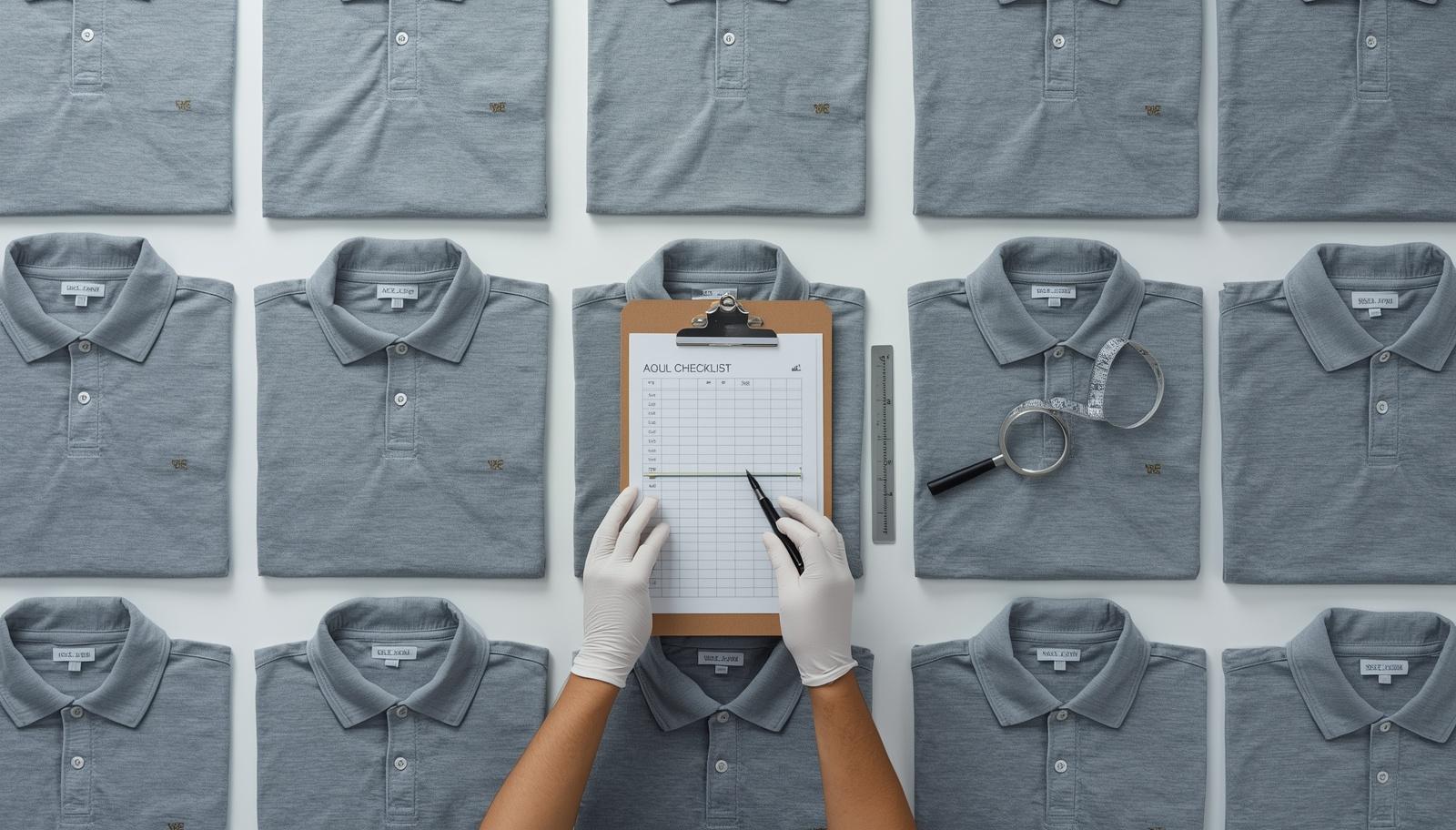
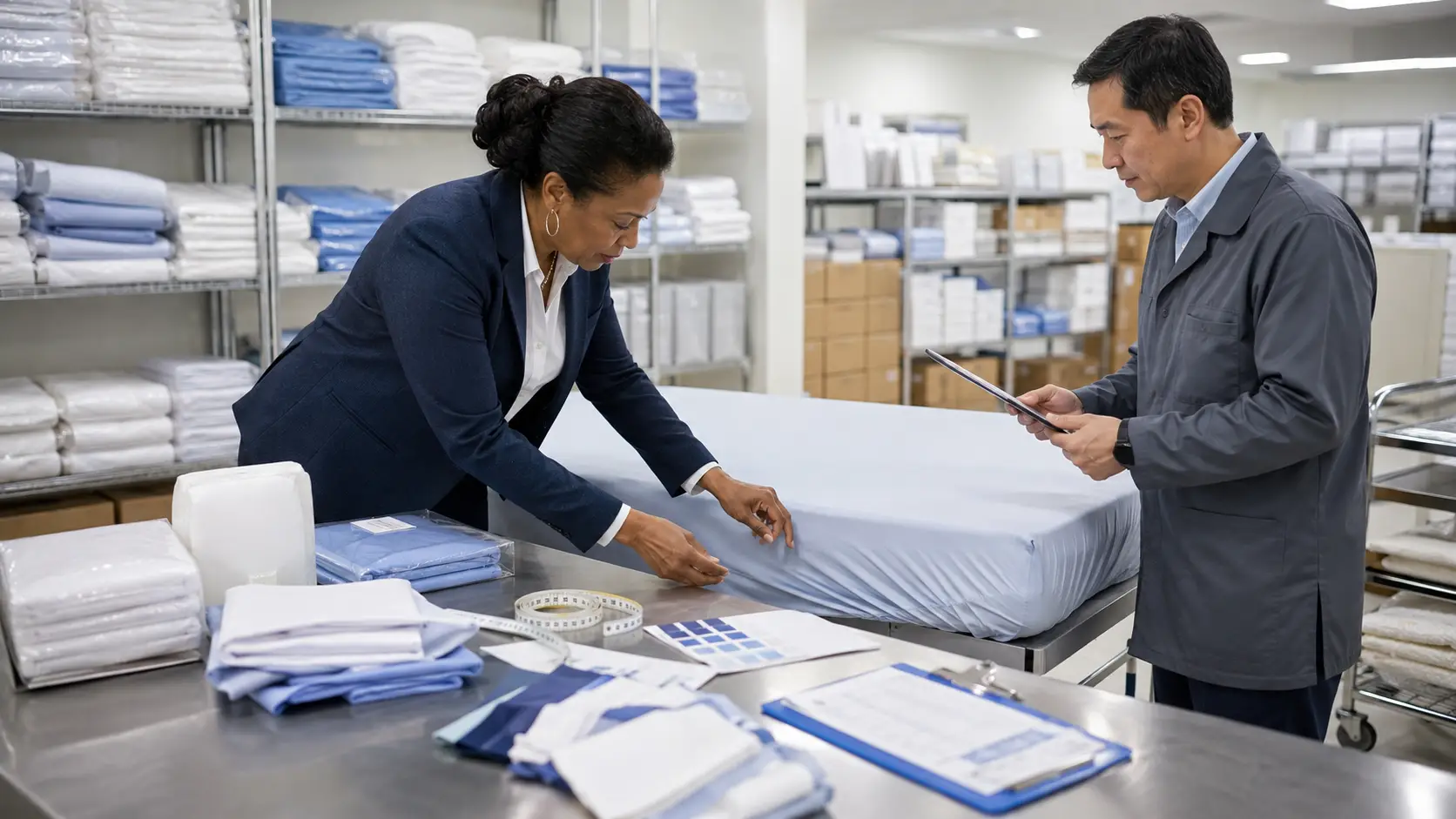
A pre-shipment inspection (PSI) is a quality control audit carried out at the factory once at least 80% of the production order is complete and packed. An inspector, either from a third-party quality control company or your own team, visits the facility, randomly selects units, and checks them against your approved product specifications.
For clothing, pre-shipment inspection covers:
- Physical measurements and fit
- Fabric composition and weight
- Stitching quality and seam strength
- Color accuracy and dye consistency
- Trims, buttons, zippers, and accessories
- Labels, hangtags, and care instruction compliance
- Packaging and shipping marks
This is not optional polish for big brands. Even small buyers ordering 500 units benefit from a structured garment quality control process.
Understanding AQL Inspection for Apparel
AQL stands for Acceptable Quality Level, and it is the global standard for sampling-based inspection in manufacturing. In simple terms, AQL tells you how many units to inspect from a batch, and how many defects are acceptable before you reject the shipment.
How AQL Works in Practice
If you order 3,000 garments, you do not inspect every single piece. Instead, you use the AQL 2.5 standard (common in apparel) to determine your sample size, typically around 125 units per batch.
Within those 125 units, defects are classified into three categories:
- Critical defects (AQL 0) — Safety hazards, toxic materials, major mislabeling. Zero tolerance.
- Major defects (AQL 2.5) — Visible flaws that would cause a customer to return the item. Allowed up to a defined threshold.
- Minor defects (AQL 4.0) — Small imperfections unlikely to affect sale or use. Allowed at a slightly higher rate.
If the number of defective units in your sample exceeds the threshold for any category, the shipment fails inspection and should be held for correction before release.
For buyers in the USA sourcing from Bangladesh, Vietnam, or China, using AQL inspection apparel standards is a reliable, internationally recognized method that protects your interests without requiring you to be physically present at the factory.
Step-by-Step: How to Quality Check a Clothing Order Before Shipment
Step 1: Lock in Your Tech Pack and Approved Samples Before Production Starts
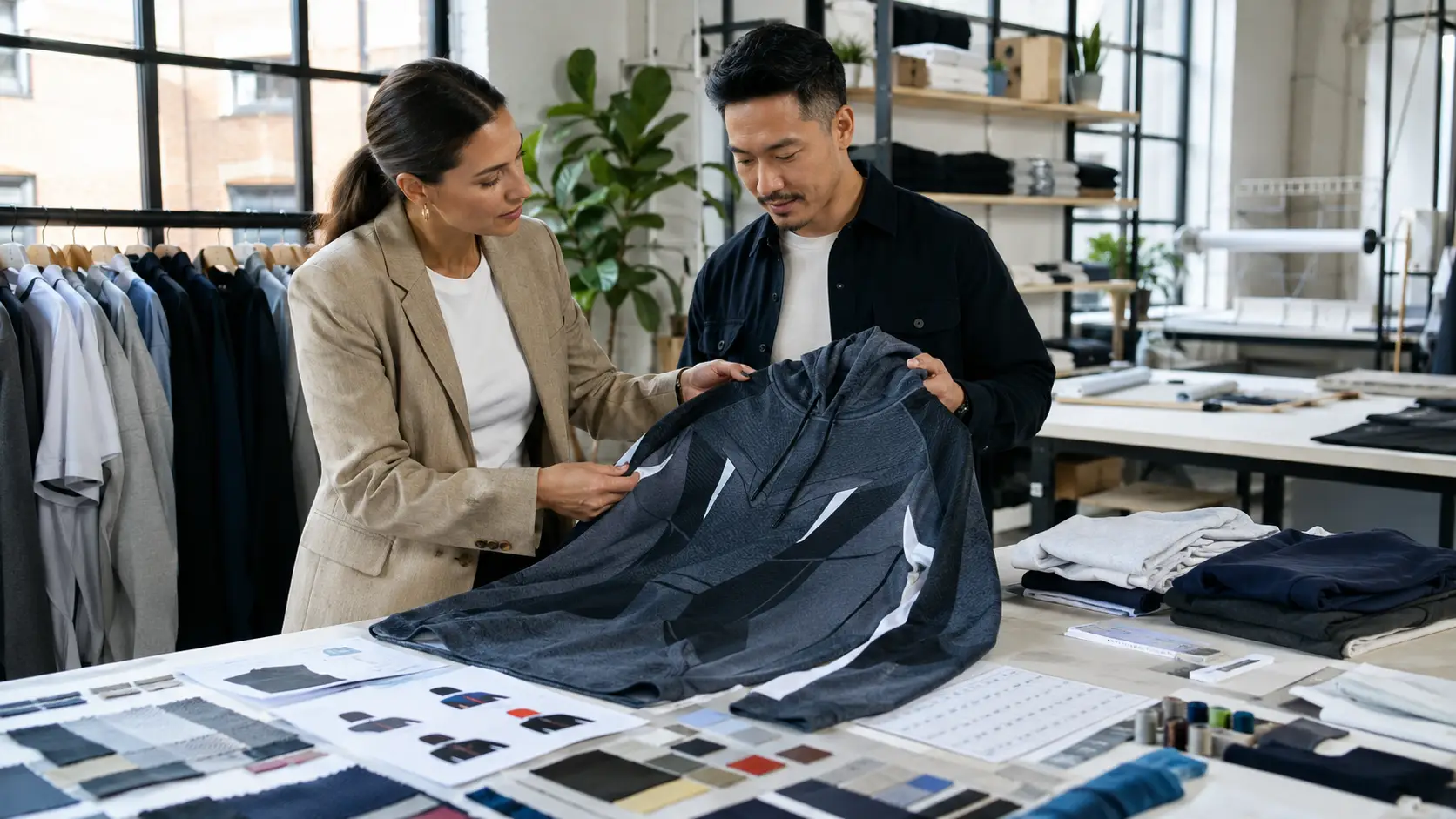
Quality control begins long before anyone picks up a measuring tape. Before your order goes into production, you need:
- A detailed tech pack with precise measurements, construction notes, and materials specifications
- Golden samples (approved pre-production samples that set the standard)
- A signed-off trim card (showing approved fabric swatches, thread colors, buttons, zippers)
Without these, your factory has no fixed benchmark, and your inspector has nothing to measure against. This is the single biggest oversight first-time apparel buyers make.
Step 2: Schedule an Inline Inspection (Optional but Valuable)
An inline inspection happens during production, usually when 20–30% of the order is complete. It catches problems early, before they are replicated across thousands of units.
For orders over 2,000 units, an inline check is well worth the cost. Common issues caught at this stage include incorrect stitch density, wrong interlining, and color deviations that would not be obvious on a finished, packaged garment.
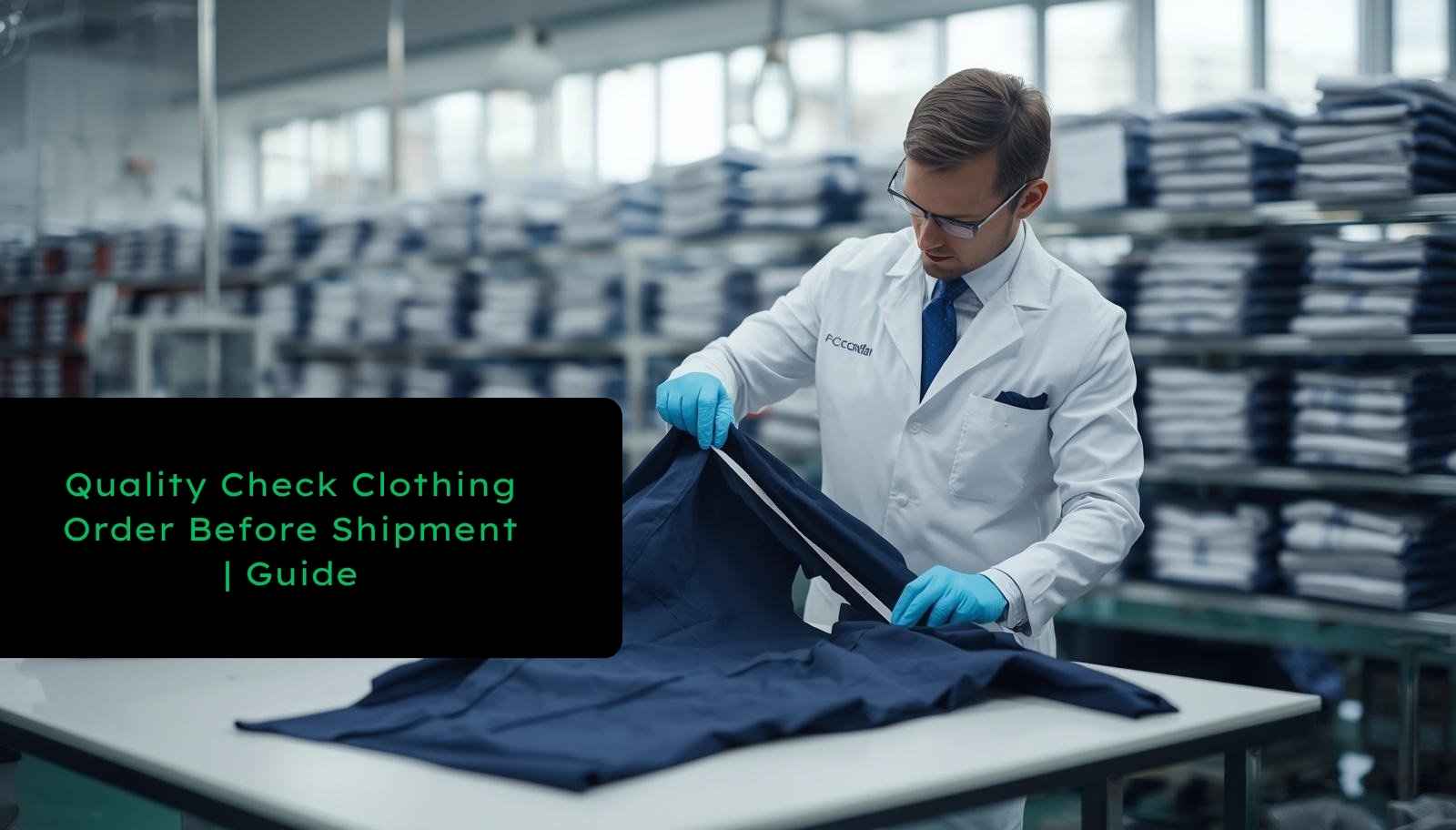
Step 3: Conduct the Pre-Shipment Inspection
This is the main event. Here is what a thorough garment quality control inspection covers:
A. Workmanship and Construction
Inspect stitching quality across all seams. Count stitches per inch (the standard for woven garments is typically 12–14 SPI). Check that hems are straight, that bartacks are properly reinforced at stress points (pockets, belt loops), and that no threads are left uncut or exposed.
B. Measurements
Pull out your tech pack and measure each key measurement point (POM): chest, shoulder width, sleeve length, body length, hip, and so on. Allow a tolerance of plus or minus half an inch on most dimensions, but flag anything outside that range immediately. Sizing inconsistency is one of the most common reasons US retailers return entire shipments.
C. Fabric and Material Quality
Check that the fabric weight matches your specification (measured in GSM, grams per square meter). Inspect the base fabric for pilling, uneven dyeing, slubs, or broken yarns. Pull out a swatch and compare it against your approved trim card.
D. Colorfastness
Color accuracy is critical, especially for brands with strict identity guidelines. Check garments in natural daylight and under artificial light to identify any shade variation between units. For performance or activewear, request a wash test result from the factory before inspection day.
E. Trims and Accessories
Test zippers by running them multiple times. Check that buttons are securely attached (give them a firm pull test). Verify that snaps, velcro, and drawstrings are correctly placed per your approved sample.
F. Labels and Compliance
In the USA, garments sold at retail must carry the following by law:
- Country of origin label
- Fiber content label (required under the Textile Fiber Products Identification Act)
- Care instructions (the FTC requires permanent care labels)
- RN or WPL number if applicable
Missing or incorrect labels can result in customs delays, retailer chargebacks, and FTC violations. UK and EU buyers should verify compliance with similar requirements (UKCA marking, REACH compliance for dyes, etc.).
G. Packaging and Shipping Marks
Verify that garments are folded, tagged, and bagged in accordance with your packing instructions. Check that carton labels show the correct style number, size breakdown, quantity, and destination. Weigh a few cartons against your declared weights to check for discrepancies that could cause customs issues.
Step 4: Review the Inspection Report
A professional pre-shipment inspection produces a written report with photos of each defect category found, the AQL result (pass or fail), and a breakdown of defect types. Review this carefully. Even a passing result may reveal patterns worth addressing with your factory before the next order.
Common Garment Defects Found in Pre-Shipment Inspections
Understanding what to look for makes any inspection more effective. Here are the defects found most frequently during clothing quality control audits:
- Skipped stitches — A break in the stitch line that weakens the seam
- Puckered seams — Fabric bunching along a seam due to incorrect tension settings
- Color shading — Visible difference in color between panels or units from different dye lots
- Measurement deviation — Garments outside the allowed size tolerance
- Label placement errors — Labels sewn at wrong angles or in wrong positions
- Incorrect trim — Wrong button, zipper type, or thread color used
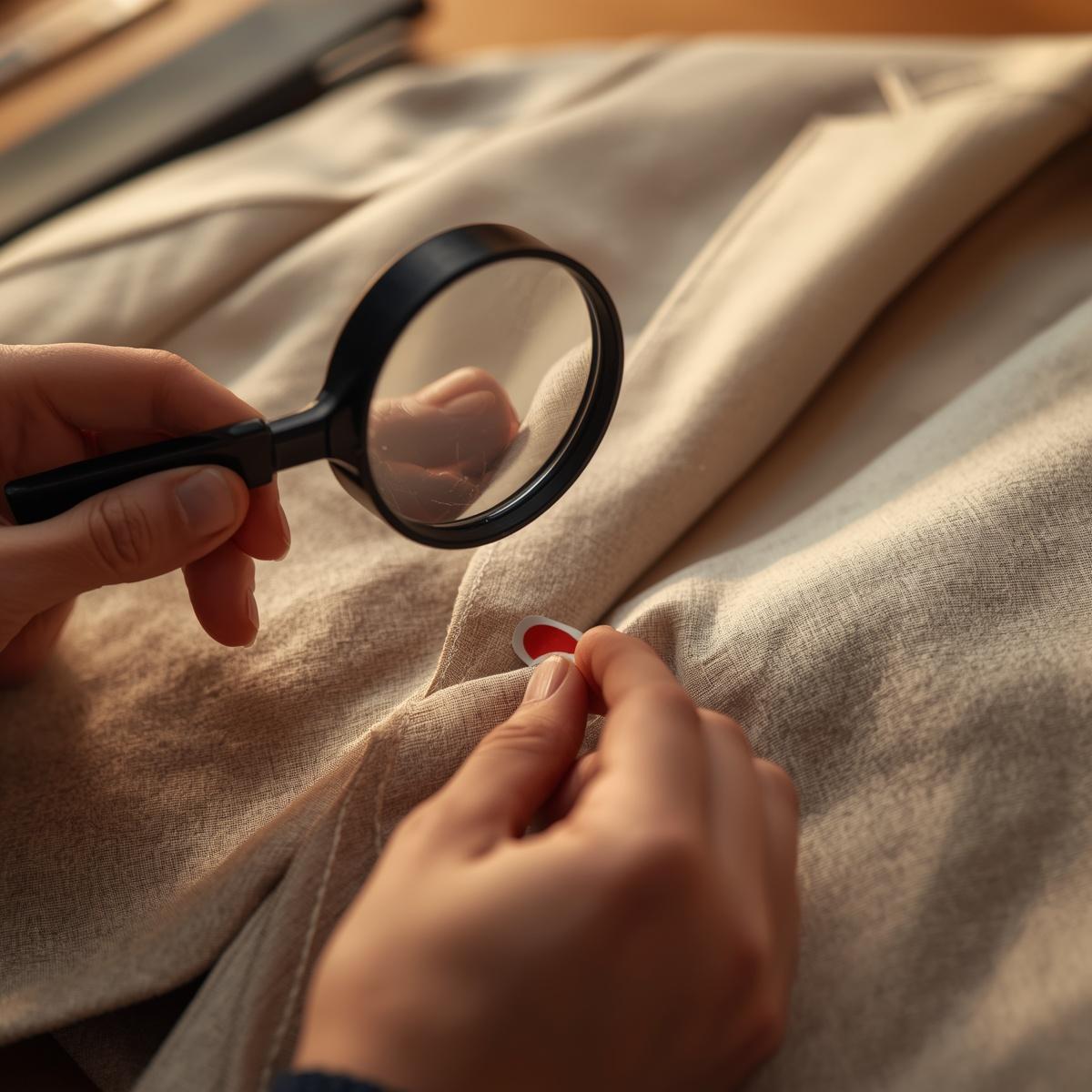
- Soiling or staining — Oil marks, chalk marks, or dirty fingerprints on finished garments
- Misaligned patterns — Stripes or prints that do not match across seams
Who Should Conduct the Inspection?
You have three realistic options:
Third-party inspection companies are the most widely used option for importers. Companies like Bureau Veritas, Intertek, and SGS offer standardized AQL inspections at an average cost of $200–$350 per person-day in Asia. They are fast, reliable, and most major retailers accept their reports.
Your own QC team or agent works well if you have a trusted sourcing office or buying agent in the production country. They can also do factory audits beyond the standard checklist.
Factory self-inspection reports are the least reliable option and should never be your only verification. Factories have an obvious incentive to pass their own shipments.
For most USA-based apparel buyers sourcing from overseas, a third-party pre-shipment inspection is the most cost-effective safeguard available.
Local Insight: Why USA Buyers in Particular Cannot Skip This Step
US retail compliance requirements are among the strictest in the world. Major retailers like Target, Walmart, Nordstrom, and Amazon all impose chargeback penalties for non-compliant labeling, incorrect quantities, or packaging that does not match the purchase order.
A single chargeback on a US retail order can cost as much as several inspections. The FTC’s labeling regulations alone have caught out experienced importers who assumed the factory “handled it.”
Beyond retail, direct-to-consumer brands selling on platforms like Shopify or running their own storefronts face a different risk: a wave of customer returns and negative reviews triggered by quality issues can permanently damage a brand’s reputation on social media.
Running a proper quality check on your clothing order before shipment is not just a cost-saving measure. In the American market, it is a competitive advantage.
Minmax Textile’s Approach to Quality Assurance
At Minmax Textile, quality control is embedded at every stage of the production cycle, not tacked on at the end. Every order goes through inline quality checks, a full pre-shipment inspection against the buyer’s tech pack, and a final packaging audit before the cargo is released. We work with buyers across the USA, UK, Canada, France, and Germany who depend on us to get it right the first time.
When you partner with a supplier that takes garment quality control seriously, you spend less time managing problems and more time growing your business.
FAQ: Quality Check Clothing Order Before Shipment
What is a pre-shipment inspection for clothing? A pre-shipment inspection is a quality audit conducted at the factory once at least 80% of a clothing order is completed and packed. An inspector checks artistry, measurements, labeling, and packaging against the buyer’s approved specifications before the goods are shipped.
What does AQL mean in garment quality control? AQL (Acceptable Quality Level) is an international sampling standard used during apparel inspections. It defines how many units to inspect from a batch and how many defects are acceptable before a shipment is rejected. AQL 2.5 is the most common level used for major defects in clothing.
How much does a pre-shipment inspection cost? Third-party pre-shipment inspections typically cost between $200 and $350 per person-day in major sourcing countries like Bangladesh, China, and Vietnam. For most standard apparel orders, one person-day is sufficient.
Can I rely on the factory’s own quality report? No. Factory self-inspection reports should never be your only quality verification. Factories have an inherent conflict of interest. Independent third-party inspectors or your own QC personnel provide far more reliable assessments.
What happens if a shipment fails inspection? If a shipment fails the AQL inspection, you have three options: reject the shipment and request the factory rework the defective units, negotiate a partial acceptance of non-defective goods, or request a re-inspection after the factory has addressed the issues.
Conclusion: Inspect Before You Ship, Every Time
The decision to quality-check a clothing order before shipment is one of the most consequential a buyer makes. It separates brands that build lasting retail partnerships from those that spend every season chasing problems.
Use AQL sampling standards. Lock in your tech pack. Hire an independent inspector. And partner with suppliers like Minmax Textile, who treat quality control as a shared responsibility rather than an afterthought.
Your customers never see the inspection. But they absolutely feel the difference it makes.
Ready to work with a garment manufacturer that puts quality first? Contact Minmax Textile today to discuss your next order.