Football jersey manufacturers produce custom teamwear, fan jerseys, and private-label uniforms for soccer and American football. Reliable suppliers should offer sport-specific sizing, breathable fabrics, durable printing, custom branding, sample approval, quality control, bulk production, and international shipping.
First, Define What “Football Jersey” Means
In most of the world, football means association football. Many buyers in the USA and Canada call it soccer. These jerseys are often lightweight and close-fitting. They are made for nonstop movement.
In the USA, the same search often means an American football jersey. This style may need room for pads. It may use mesh zones and strong shoulder seams. Short sleeves and large player numbers are also common.
Australia adds more meanings. A buyer may want association football or Australian rules football. The order could also cover rugby league or rugby union. Each sport has its own fit and build needs.
Before asking for a price, state the exact sport and use. Minmax Textile’s football jersey manufacturing range shows several style paths. Still, a product page should never replace a clear tech brief.
A direct specification for each format
| Product type | Main performance needs | Common design points |
|---|---|---|
| Association football jersey | Low weight, airflow, sweat control, movement | Crew or V-neck, short sleeves, athletic fit |
| American football jersey | Pad room, strong seams, abrasion control | V-neck, short sleeves, large numbers, mesh panels |
| Fan jersey | Comfort, visual match, easy care | Relaxed fit, replica details, retail labels |
| Training jersey | Durability, breathability, repeat washing | Simple trim, clear sizing, cost control |
| Youth team jersey | Safe trims, easy movement, clear grading | Age-based sizes, soft seams, secure decoration |
Build the Product Brief Around the Player
A strong jersey starts with the wearer. A pro squad will not want the same fit as a school team. A weekend club may have different needs from a fashion buyer. Ask where people will use the jersey. Ask how often they will wash it. Also state if it must fit over gear.
The product brief should cover:
- Exact sport and playing level
- Player, fan, training, or retail use
- Men’s, women’s, youth, or unisex fit
- Size range and expected order ratio
- Climate and playing season
- Fabric composition and target weight
- Neck, sleeve, panel, and hem construction
- Print, embroidery, badge, name, and number details
- Brand labels, care labels, hangtags, and packaging
- Testing, inspection, destination, and delivery date
Minmax Textile presents itself as a custom clothing manufacturer for global buyers. Send the same brief to each factory. You can then compare prices, samples, and lead times on equal terms.
Use a tech pack, not a mood board alone
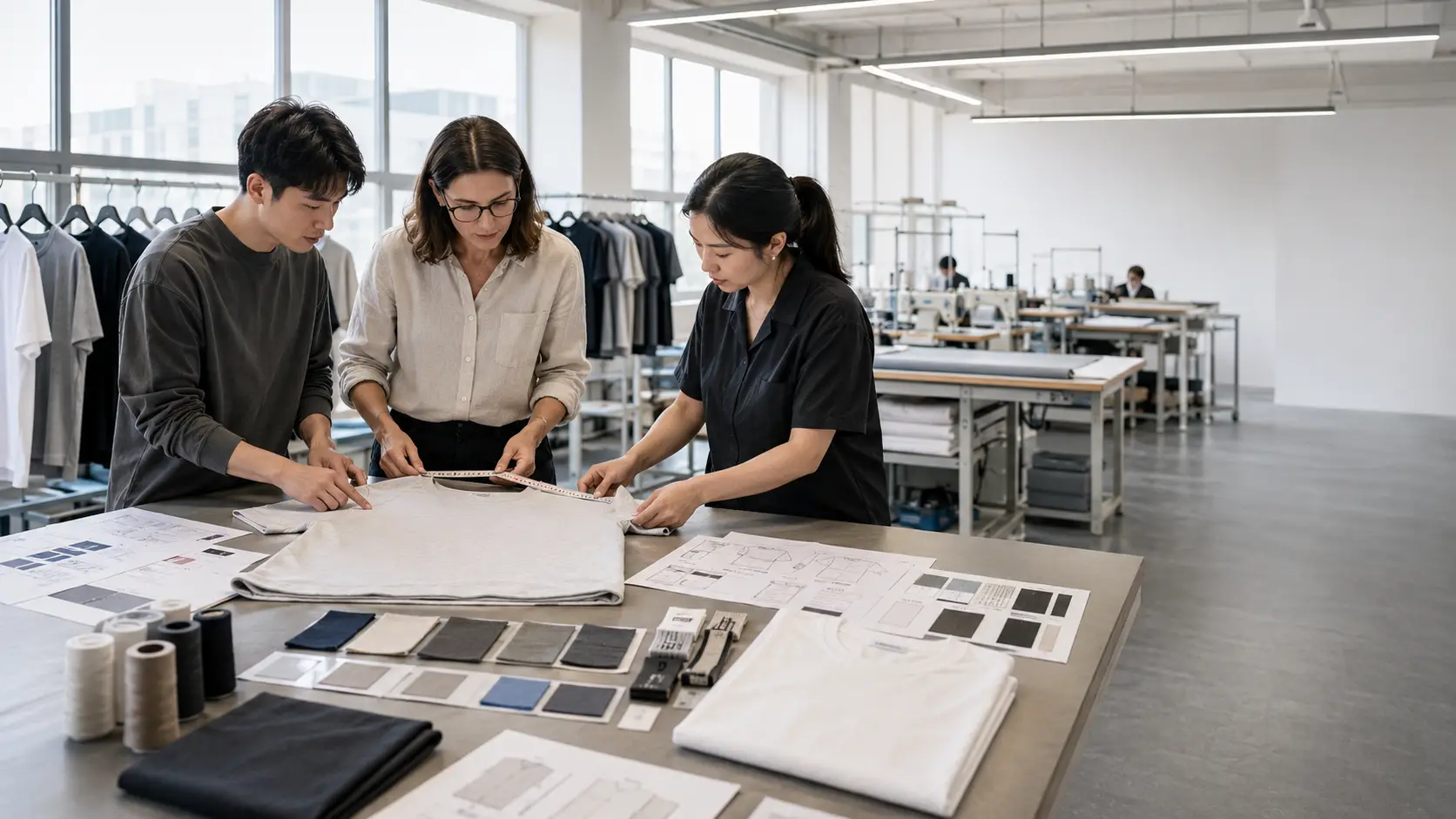
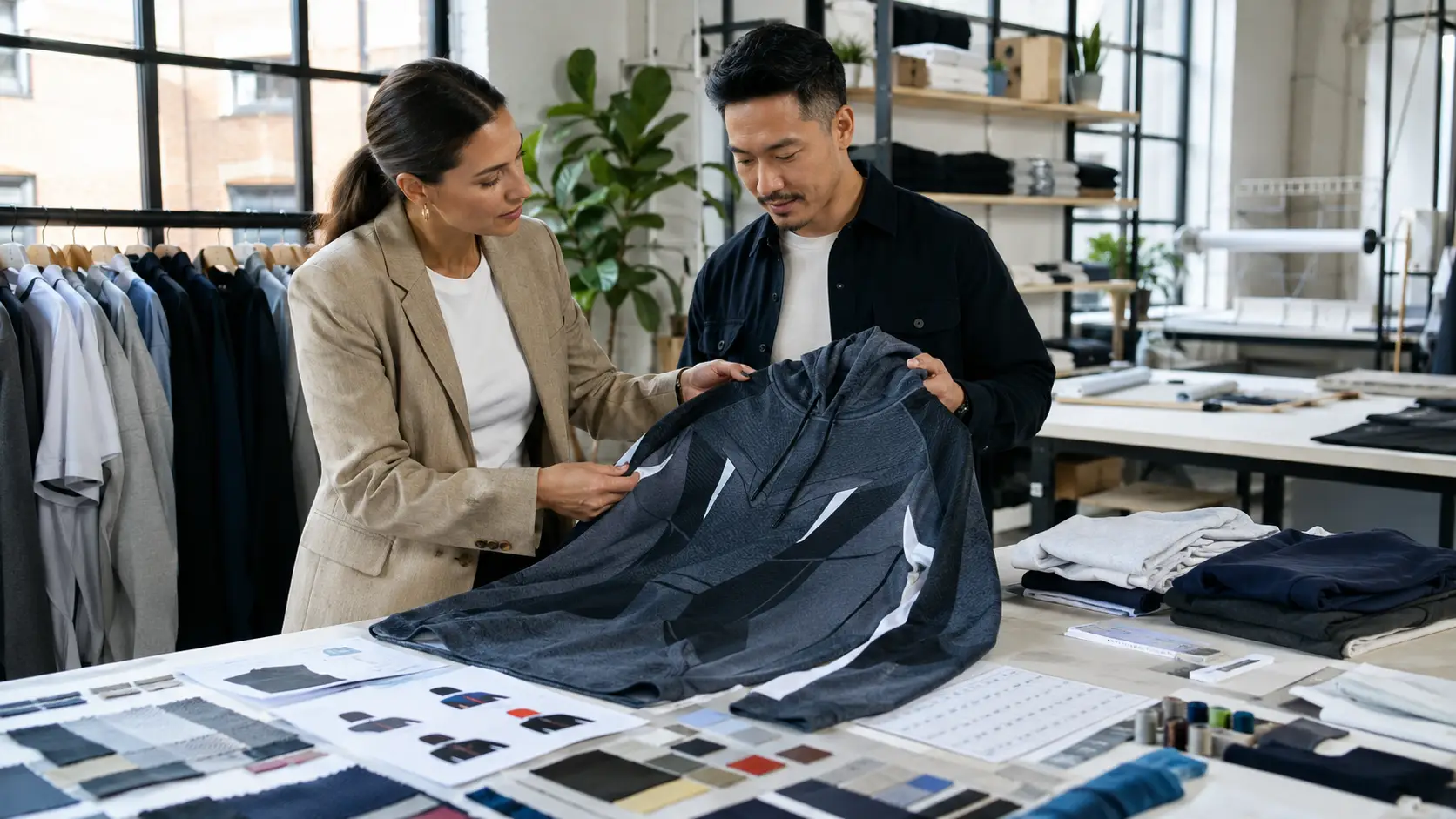
A mood board explains the look. A tech pack explains how to make the garment. Add front and back drawings. Show panel lines, measurements, fabric data, and stitch types. Include trims, colors, art placement, label files, and packing rules.
Mark each change with a date and version number. This helps stop an old logo or color from reaching the line. It also protects the latest size chart.
Choose Fabric for the Game and the Climate
Polyester-rich knits are common in game jerseys. They can be light and quick-drying. Many also work well with sublimation. Mesh may add airflow in key zones. Elastane can add stretch. Yet it can also change print results and cost.
Do not select fabric by touch alone. Ask for measurable details:
- Fiber content and knit structure
- Fabric weight in GSM
- Width and usable cut width
- Stretch and recovery
- Air permeability
- Moisture-management performance
- Pilling and abrasion resistance
- Bursting or tensile strength, where relevant
- Colorfastness to washing, rubbing, light, and sweat
- Dimensional change after washing
For American football, inspect areas where pads and contact create stress. Check both fabric and seams. For soccer jerseys, focus on low weight and airflow. The shoulder and arm must move well. For fanwear, comfort and retail appeal may matter more than elite game use.
Minmax’s broader custom jersey collection covers several sports. It can help buyers explore ideas. Still, each football order needs its own approved materials and rules.
Be careful with fabric claims
Claims such as “breathable” and “moisture-wicking” need proof. The same applies to “recycled” and “UV protective.” Define the test method and pass level. State when the test will occur. Keep records for each UPF value or recycled claim.
Select the Right Decoration Method
The decoration should suit the fabric, design, use, and budget. A method that works on a cotton fan shirt may feel heavy on a light match jersey.
Sublimation
Sublimation works well on many polyester jerseys. It can print full color, gradients, sponsor marks, names, and numbers. The design becomes part of the fabric. It does not form a thick top layer.
Still, sublimation needs close control. Screen colors may shift on fabric. Logos can move near seams. Dark panels may show white at needle holes. Stretch can also expose white. Always approve a strike-off on the bulk fabric.
An example of a sublimated football jersey can support an early design discussion. Your signed artwork, color reference, pattern map, and sample must be the final production standard.
Heat transfer, screen print, and embroidery
Heat transfers can create sharp crests, names, and numbers. Check stretch, edge lift, cracks, and wash life. Screen print can suit simple art and large runs. Yet the ink weight and stretch must match the fabric. Embroidery adds texture and a premium look. It may also make a light jersey stiff.
Wash and stretch the chosen print. Check how it acts over seams, mesh, and ribs. Pay close attention to high-movement areas.
Design Fit That Matches the Sport
Size labels are not a fit standard. One factory’s medium may match another supplier’s small. Use finished-garment measurements and the stated measuring method.
For soccer jerseys, check the chest, waist, hem, and body length. Check the sleeve, bicep, shoulder, and neck stretch too. The shirt should not ride up or restrict arm movement.
American football jerseys need different checks. State if measurements include pads. Review the shoulder, sleeve, body, neck, and length in full gear. Stress points may need stronger seams or thread.
Buyers can use an American football jersey reference to explain the product type. The approved pattern and size chart should then reflect the actual players, pads, and fit goal.
Grade every size with care
Do not approve one medium and assume all sizes will work. Review a small, a medium, and a large garment. Use a full size set for a wide range.
Women’s and youth jerseys may need their own blocks. A smaller men’s pattern can fit poorly at the chest and shoulder. It can also fail at the waist or length. For youth items, check that trims are safe and secure. Follow childwear rules in the sales market.
Approve the Jersey in Four Stages
A clear sample path catches mistakes before they spread across a bulk order.
- Development sample: Checks the main design, fabric direction, and construction idea.
- Fit sample: Confirms measurements, balance, movement, and size changes.
- Sales or photo sample: Supports selling and marketing when needed, but it should not replace technical approval.
- Pre-production sample: Uses approved bulk materials, trims, artwork, labels, and construction. Sign this sample before bulk cutting.
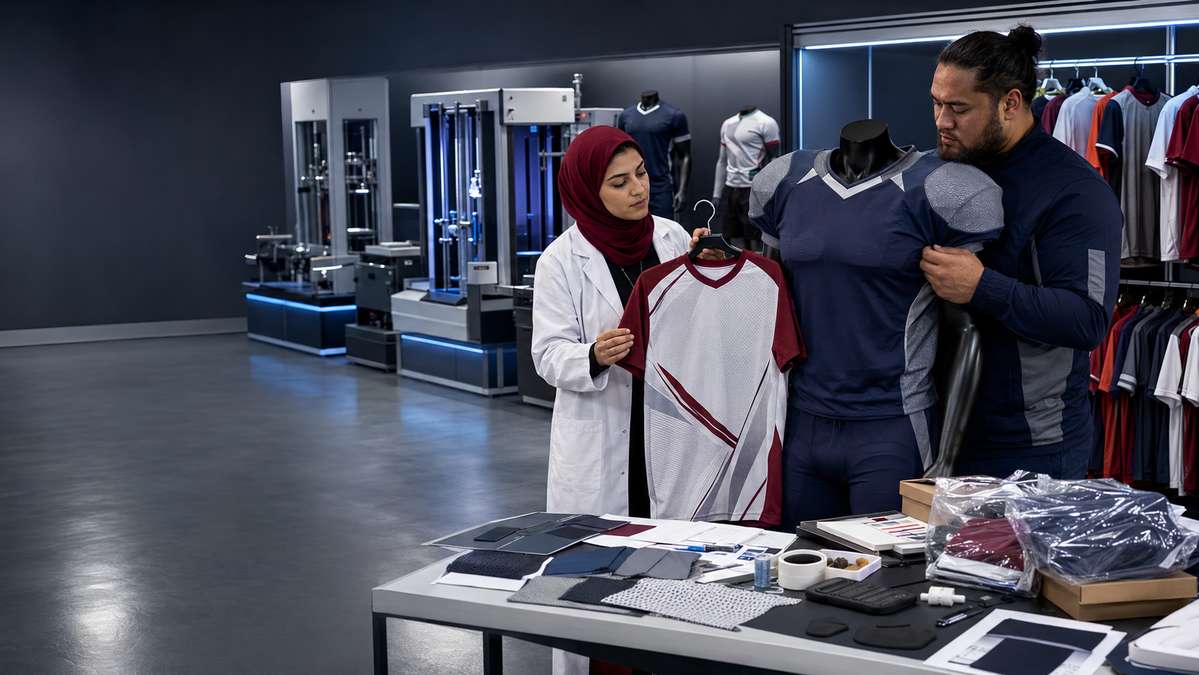
Put the jersey on a real player. For soccer, test running, turning, and reaching. Check overhead arm movement too. For American football, test it over the right pads. Look for neck pressure and tight sleeves. Also check seam strain, body twist, and hem movement.
Wash the sample under the proposed care steps. Check the print color and number edges. Review badge hold, neck shape, and seam pucker. Measure shrinkage and size change.
Minmax Textile’s company profile describes an in-house sample unit. It also lists tech teams, quality staff, third-party tests, and process checks. The page states that pre-final checks use AQL 2.5. Buyers should still list all sample stages and tests. Add the inspection level and pass rules to the order.
Protect Logos, Names, and Team Identity
Football apparel often uses club crests and league marks. It may also show sponsor logos, player names, and famous color plans. Copyright, trademark, contract, or image rights may protect them.
Only send art that you own or may use. A factory’s ability to print a design does not grant sales rights. This applies to teamwear, fan copies, school marks, event art, and online listings.
Keep written approval for each sponsor and logo. Check names and numbers twice. Use one roster row per player. Show the size, name, number, and amount. Lock the file once approved. This prevents late edits from causing errors.
A wider range can include custom T-shirts for clubs and supporters. Use original art and avoid protected team designs. Staff, coaches, and sponsors may also need polos or jackets.
Set Bulk Quality Rules Before Production
Do not wait for final checks to define quality. Link the order to a full approval pack. Add the signed sample, size chart, and bill of materials. Include the print strike-off, label files, pack guide, and defect list.
Core bulk checks
| Area | Inspection focus |
|---|---|
| Fabric | Correct type, weight, shade, stretch, and visible faults |
| Color, clarity, placement, panel match, names, and numbers | |
| Fit | Measurements within agreed tolerance |
| Sewing | Seam strength, stitch balance, symmetry, and reinforcement |
| Trims | Neck rib, badges, transfers, labels, and fasteners |
| Packing | Size ratio, barcode, carton mark, quantity, and assortment |
Classify flaws as critical, major, or minor before the check. An incorrect badge or an open seam can be serious. So, can a missing care label or a bad barcode? A loose thread may be minor. State the inspection level, sample plan, and AQL in writing. Explain what happens if the goods fail.
Adapt the Offer for Each Target Market
One factory can serve many regions. Still, the product plan should fit local sports and weather. It should also reflect local sizes, labels, and sales channels.
USA and Canada
In the USA, “football jersey” often means American football. Use “soccer jersey” for the other sport. Clear terms aid search and reduce quote errors. Canada needs the same care. Some channels may require two languages on consumer details. Both markets have hot and cold zones. One fabric will not suit every region.
UK, Germany, and the Netherlands
Association football drives most search intent in the UK, Germany, and the Netherlands. Buyers may need match kits, training tops, fan shirts, and club goods. Check current EU rules for labels and product safety. Review chemical, pack, and importer duties too. The UK has its own rules. One file may not cover both regions.
Australia and South Africa
Australian buyers should name the football code in the first line. They must also plan around local seasons. Australia and South Africa often need light, airy options for warm weather. Support each sun claim with a suitable test.
UAE, Saudi Arabia, and Qatar
Heat, indoor play, and night games can shape demand in the UAE, Saudi Arabia, and Qatar. Event use may also affect the range. Light fabric and mesh zones can help. Sweat control and modest fit choices may matter too. Ask the importer about Arabic or two-language labels. Add time for holidays, customs, and fixed event dates.
Local rules can change. Ask a skilled importer, lab, or legal adviser for current guidance. Confirm product, label, consumer, customs, and tax duties before shipping.
Compare MOQ, Cost, and Lead Time Fairly
There is no fixed global price for a custom football jersey. Fabric and order size affect cost. So do print coverage, trim quality, and the number of designs. Sizes, labels, packing, tests, and shipping also matter.
Ask if MOQ applies per style, color, art file, or fabric. It may instead apply to the full order. Many small setups can raise the cost of a low-volume order.
Minmax’s profile gives a general MOQ mark of 2,000 pieces per color and style. It also refers to work at different volumes. These site notes give context, not a final offer. Ask for a written quote for the exact jersey, amount, and market.
The quotation should state:
- Sample and setup charges
- Unit price at each quantity level
- Fabric, trims, labels, and packing included
- Testing and inspection costs
- Payment terms and currency
- Incoterm and named delivery place
- Production start trigger
- Ex-factory date and shipping estimate
- Quote validity and change conditions
Lead time should be a timeline, not one number. Allow time for the quote and samples. Add time for changes, bulk fabric, print, and sewing. Inspection, freight, and customs need their own windows. Assign an owner to each step and set an approval date.
Use This Supplier Scorecard
Score each factory from one to five in the areas below. Keep notes and proof beside every score.
- Understanding of the exact sport and end use
- Ability to develop the required fit and size range
- Fabric options supported by useful test data
- Sublimation and other decoration control
- Sample quality and revision accuracy
- Written quality and inspection process
- Social and technical compliance evidence
- Clear MOQ, cost, payment, and timeline terms
- Export packing and shipping support
- Communication speed and document control
Ask for current audit or certification records when they matter to your program. Check the facility name, scope, issuing body, and validity date. A logo in a sales deck is not enough.
Strengthen Local Visibility After the Jerseys Arrive
Manufacturing is only part of the sales plan. Local clubs, distributors, and uniform stores also need pages that help buyers make a decision.
Create separate landing pages for relevant search intent, such as “custom soccer jerseys in Toronto,” “American football uniforms in Texas,” or “club football kits in Manchester.” Do not create thin pages that only swap the city name. Each page should include local delivery details, real product photos, size help, order steps, and useful answers.
Keep the business name, address, and phone number consistent on the Google Business Profile, website, and trusted local directories. Add the correct service areas and product categories. Ask verified customers for honest reviews after delivery. Specific reviews about fit, print, service, or turnaround can build more trust than vague praise.
For coordinated staffwear, buyers may also explore custom polo shirt options for coaches, event teams, retail staff, or sponsors. Keep each item under the same color, logo, and label control system.
Frequently Asked Questions
What do football jersey manufacturers need for a quote?
They need the exact sport, jersey type, quantity, size range, fabric, artwork, fit, trim, labels, packaging, testing needs, destination, Incoterm, and delivery date. A full tech pack supports a more accurate quote.
What is the best fabric for football jerseys?
Polyester performance knits are common because they are lightweight, durable, printable, and quick-drying. The best structure and weight depend on the sport, climate, fit, price, and test needs.
Can manufacturers produce private-label football jerseys?
Yes. Many manufacturers can add brand labels, care labels, hangtags, packaging, custom colors, and original artwork. Confirm every private-label item in the sample and bill of materials before bulk production.
What is the typical MOQ for custom football jerseys?
There is no universal MOQ. It may apply per style, color, artwork, or fabric. Minmax publishes a general benchmark, but buyers should request a current order-specific minimum and price.
How can I check a jersey before placing a bulk order?
Approve the fabric, print strike-off, fit sample, size set, and pre-production sample. Test the jersey during real movement and after washing. Then set measurable bulk inspection rules in writing.
Take the Next Step With a Complete Brief
The best football jersey manufacturers do more than print a team design. They help turn a clear product idea into a repeatable, uniform product with the right fit, fabric, decoration, labels, quality checks, and export packaging.
Minmax Textile offers custom football jerseys, shorts, trims, prints, and related apparel from Bangladesh. To discuss a team, retail, school, event, or private-label order, contact Minmax Textile with your tech pack, quantity, sport, destination, quality needs, and target date. Ask for an itemized quote and approve a complete sample before bulk production.