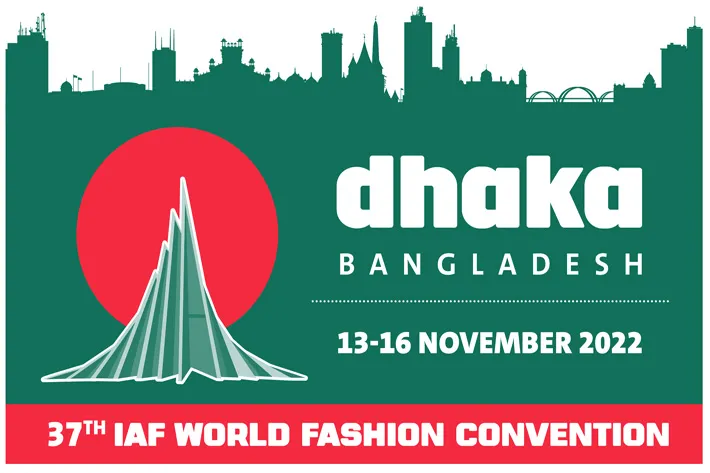
The International Apparel Federation (IAF) has opened registration for its 37th World Fashion Convention in Dhaka, Bangladesh. Organized alongside BGMEA and BKMEA, this premier global summit brings together apparel brands, retailers, and manufacturers to tackle critical supply chain reforms, ESG regulations, purchasing practices, and automated technology integration.
Introduction
The global fashion and textile ecosystem is facing unprecedented structural shifts. For apparel brands, corporate executives, and procurement directors across the United States, the United Kingdom, Canada, and continental Europe, sourcing is no longer just about calculating the lowest price per piece. Legislative shifts like the European Union Green Deal, increasing domestic pressure for verifiable environmental, social, and governance (ESG) standards, and shifting consumer demographics demand a complete overhaul of historic purchasing dynamics.
Against this backdrop, the International Apparel Federation (IAF) has officially opened registration for the 37th IAF World Fashion Convention in Dhaka, Bangladesh. Co-organized with the Bangladesh Garment Manufacturers and Exporters Association (BGMEA) and the Bangladesh Knitwear Manufacturers and Exporters Association (BKMEA), this global event serves as a central staging ground where the world’s leading fashion entities sit down with manufacturers to architect a resilient future.
If your brand relies on large-scale garment manufacturing, understanding the operational outcomes of this convention is critical to maintaining a competitive edge. This article delivers a comprehensive breakdown of the registration launch, structural themes, strategic sourcing impacts, and how forward-thinking manufacturers are leading the industry’s ongoing evolution.
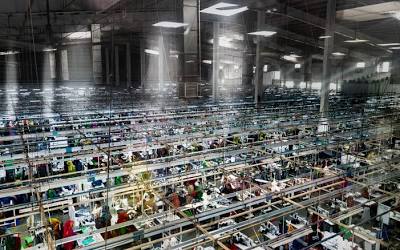
Sustainable, LEED-certified apparel manufacturing infrastructure in Bangladesh. Source: Wikipedia
The Strategic Realignment: Why Bangladesh Matters More Than Ever
For decades, many Western apparel brands viewed South Asian manufacturing hubs strictly through the lens of cost arbitrage. However, the modern marketplace requires massive agility and rigid compliance. Bangladesh has quietly evolved into the world’s second-largest garment exporter, driven by significant capital investments in green infrastructure, safety protocols, and supply chain transparency.
Hosting the 37th IAF World Fashion Convention alongside the concurrent “Made in Bangladesh Week” highlights this systematic transformation. For sourcing managers based in New York, London, or Frankfurt, the convention represents a direct window into the infrastructure solutions solving today’s biggest manufacturing challenges.
Shifting from Arbitrage to High-Value Partnerships
The upcoming convention moves beyond traditional transactional sourcing discussions. Instead, it positions the modern manufacturer as an equal stakeholder in product lifecycle management. With the global rise of fast-turnaround demand, digitisation, and circular economies, brands can no longer push all commercial risk down the supply chain without destabilising their own vendor base. The Dhaka summit serves as a collaborative sandbox to build balanced, mutually beneficial sourcing partnerships.
Core Convention Theme: “Transforming Fashion Together”
The operational mandate of the 37th IAF World Fashion Convention is built on a singular, unified theme: Transforming Fashion Together. According to leadership statements from the IAF, the structural friction points currently facing global fashion cannot be solved by buyers or manufacturers working in isolation.
True transformation requires an aligned approach where financial investments, technical standards, and systemic metrics are shared across the supply chain.
The Supply Chain Dilemma: Global brands frequently mandate strict environmental and labor improvements, yet simultaneously demand lower unit prices. The IAF convention aims to correct this contradiction by developing standardized framework tools for equitable buying practices.
Deconstructing the Agenda: Key Panel Topics and Technical Frameworks
The three-day convention features curated panel sessions, roundtables, and technical workshops led by c-suite executives from international retail brands, policy analysts, and top-tier manufacturers. The core schedule targets four critical pillars of modern fashion business operations:
1. Purchasing Practices and Supply Chain Resilience
Historically, retail procurement strategies relied on squeezed lead times and penalty clauses to hedge against uncertain consumer demand. This panel brings together representatives from organizations like The Industry We Want (TIWW) and the Sustainable Terms of Trade Initiative (STTI) to analyze anonymized buyer performance metrics. The discussion centers on establishing predictable ordering windows, fair deposit structures, and shared financial responsibility for raw material liabilities.
2. Climate Action, ESG Financing, and Carbon Neutrality
With major regulatory updates like the EU Strategy for Sustainable and Circular Textiles shaking up import markets, reducing greenhouse gas (GHG) emissions is a business necessity. Panels featuring specialists from the Apparel Impact Institute (Aii) focus on how Western fashion brands can co-finance deep-decarbonization initiatives within supplier factories. This includes transitioning to rooftop solar arrays, upgrading to high-efficiency boilers, and implementing closed-loop water recycling systems.
3. Education, Automation, and Industry 4.0 Digitalisation
The physical production floor is undergoing rapid technological updates. This operational track evaluates how tools like 3D digital product creation (DPC), automated fabric cutting, and AI-driven pattern nesting reduce waste and compress design cycles from months to days. By matching digital design assets directly with smart factory machinery, brands can significantly lower sample manufacturing overhead and minimize excess inventory before production even begins.
4. Circular Economy and Alternative Raw Material Sourcing
As virgin cotton and synthetic fibers face intense environmental scrutiny, the race is on for scalable alternatives. Sourcing executives from major global brands join material scientists to map out the logistics of textile-to-textile recycling. The focus is on establishing reliable supply chains for recycled cotton fibers, post-consumer polyester, and innovative bio-based polymers to satisfy strict circularity regulations across Western consumer markets.
Sourcing Impact Across Key Western Markets
The policy decisions and commercial partnerships formed at the 37th IAF World Fashion Convention will directly impact retail supply chains across major consumer regions:
| Target Market | Primary Regulatory / Sourcing Driver | Operational Action Required by Brands |
| United States | Uyghur Forced Labor Prevention Act (UFLPA) compliance, supply chain transparency, and digital product passport preparation. | Implement complete chain-of-custody tracking from raw fiber extraction to final garment assembly. |
| United Kingdom | Modern Slavery Act enforcement and evolving green claims codes are monitored by the Competition and Markets Authority (CMA). | Audit tier-1 and tier-2 vendor ecosystems to back up sustainability claims with verified data. |
| Canada | Fighting Against Forced Labour and Child Labour in Supply Chains Act compliance and corporate carbon-reduction targets. | Select manufacturers with transparent, independent third-party social compliance audits. |
| Germany & France | German Supply Chain Due Diligence Act (LkSG) and French AGEC law mandating extended producer responsibility. | Contract exclusively with compliant, verifiably green manufacturing partners to avoid severe regulatory fines. |
Vertical Integration in Action: The Case of Minmax Textile
The broader manufacturing landscape in Bangladesh is defined by advanced, vertically integrated facilities that embody the exact themes of the IAF convention. A prime example of this industrial maturity is Minmax Textile, a premier garment manufacturer and exporter specializing in high-performance apparel and knitwear.
Facilities like Minmax Textile show how the modern Bangladeshi garment sector has evolved past basic assembly work. By keeping knitting, dyeing, finishing, automated cutting, and comprehensive quality assurance under one operational roof, vertically integrated vendors eliminate the logjams common in fragmented supply chains.
Advanced Quality Control and Compliance Architecture
For international buyers from North America and Europe, maintaining product consistency and ethical production standards is a non-negotiable requirement. Leading manufacturers meet these expectations by earning strict global compliance certifications:
-
OEKO-TEX Standard 100: Verifies that all textile items, from yarn to buttons, are completely free from harmful chemical substances.
-
WRAP (Worldwide Responsible Accredited Production): Confirms absolute adherence to ethical, lawful, and humane manufacturing standards on the factory floor.
-
Sedex / SMETA Audits: Delivers a transparent, data-backed view into labor rights, health and safety, environmental stewardship, and business ethics.
When Western fashion labels partner with compliant manufacturers like Minmax Textile, they secure more than reliable production capacity. They actively derisk their entire brand reputation against supply chain disruption and regulatory penalties.
Action Plan: How Fashion Executives Can Align Sourcing Operations
To translate the insights of the IAF 37th Fashion Convention into long-term commercial success, procurement teams should implement a structured transition strategy:
FAQ Section
What is the primary purpose of the IAF 37th World Fashion Convention?
The convention brings together global apparel brands, retail executives, and manufacturers to establish structured, collaborative solutions for supply chain challenges. The main goals are reforming unfair purchasing practices, speeding up Industry 4.0 automation, and aligning production with international environmental laws.
How can global fashion brands register for the Dhaka convention?
Interested companies, manufacturing associations, and industry professionals can secure delegate access through the official joint convention registration portal. The registration fee covers entry to the core international conference sessions, the executive networking gala dinner, and organized local apparel factory tours.
Why is Bangladesh the ideal location for this global textile summit?
As the world’s second-largest apparel exporter, Bangladesh has made massive investments in safety, green building certifications, and sustainable infrastructure. This makes it a great real-world setting to discuss practical industrial solutions and observe large-scale sustainable production firsthand.
What specific clothing categories are produced by integrated suppliers like Minmax Textile?
Vertically integrated manufacturers in Bangladesh produce a wide range of apparel, including casual knitwear, activewear, woven shirts, denim, and specialized functional outerwear for major retail brands in the US, UK, Canada, and Europe.
How do modern compliance standards like WRAP and OEKO-TEX protect retail brands?
These certifications act as independent, third-party verification that garments are produced under safe, ethical, and lawful conditions without exposing consumers to hazardous chemicals. This gives brands the verified data needed to comply with strict Western customs regulations and consumer protection laws.
Conclusion
The launch of registration for the 37th IAF World Fashion Convention in Bangladesh marks an important turning point for the apparel sector. The old, fragmented approach to global sourcing is being replaced by an interconnected ecosystem that values resilience, compliance, and technological integration over short-term price squeezing.
For modern fashion brands navigating complex trade regulations and rising consumer expectations, success depends on forming strong, strategic alliances. Partnering with forward-thinking, certified, and vertically integrated manufacturers like Minmax Textile allows companies to protect their supply chains, respect global environmental boundaries, and confidently deliver high-quality apparel to the global marketplace. Now is the time to audit your sourcing strategies and align your manufacturing choices with the future of global fashion.