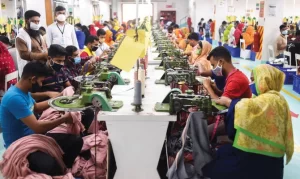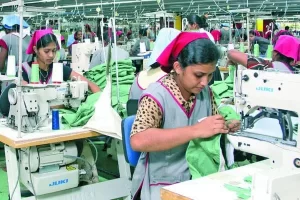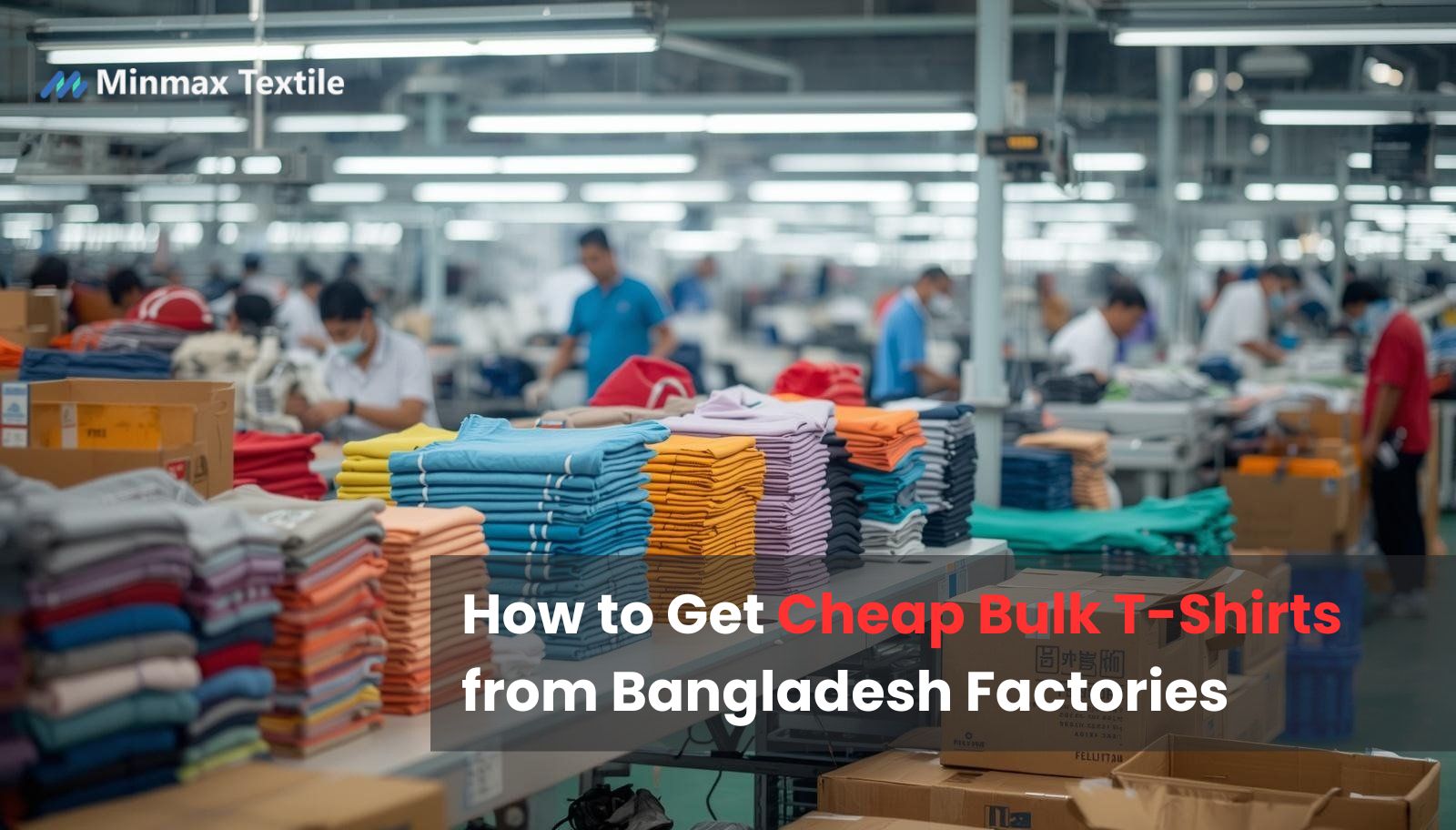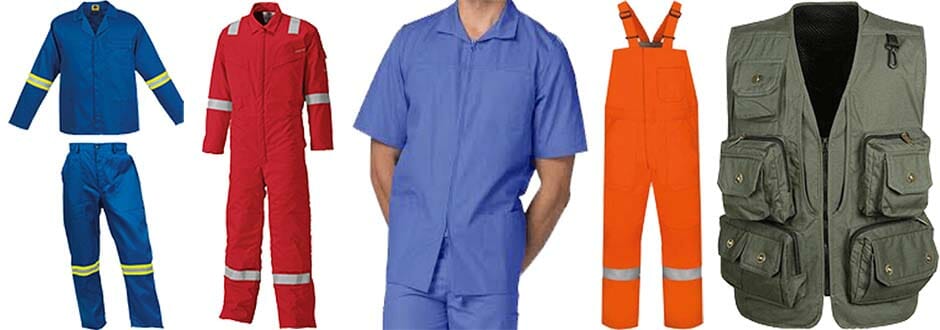
Custom uniform manufacturing services in Bangladesh offer global businesses high-quality, fully customizable workwear at competitive prices. Bangladesh is the world’s second-largest garment exporter, with certified factories, low MOQs, and reliable turnaround times. Minmax Textile is a trusted Bangladeshi manufacturer serving clients across the USA, UK, Canada, France, and Germany.
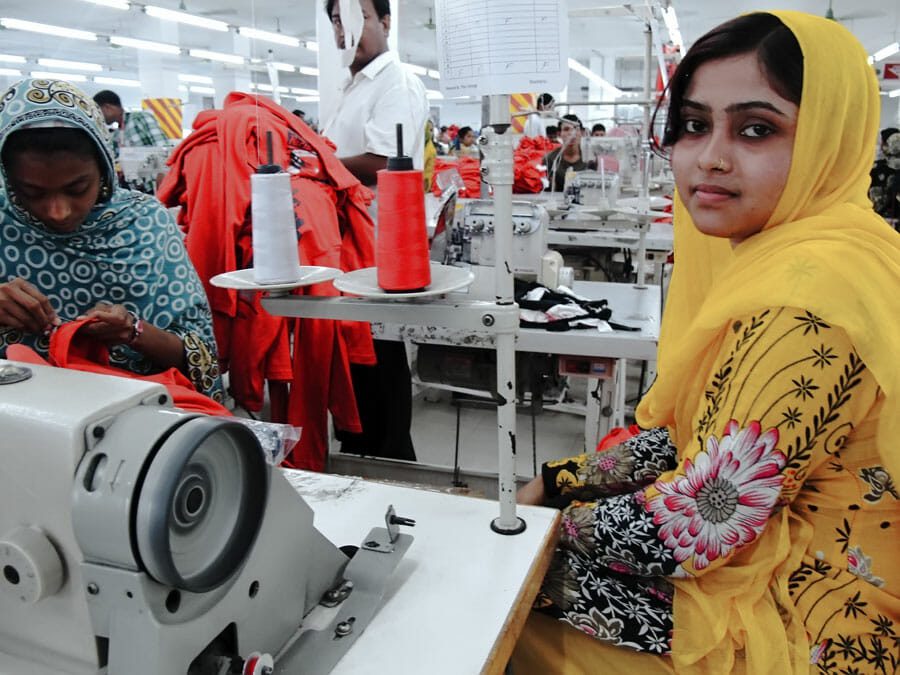
Picture this: you run a mid-sized logistics company in Atlanta. You need 300 custom polo shirts for your team by Q3. You get quotes from three domestic suppliers, and every single one of them either has a minimum order of 1,000 pieces, a four-month lead time, or a price tag that makes your CFO wince. Sound familiar?
This is the exact situation that pushes thousands of US-based businesses, schools, restaurants, hospitals, and sports teams to look overseas. And increasingly, the destination they land on is Bangladesh.
Bangladesh has quietly become one of the most reliable sources for custom uniform manufacturing in the world. It is not just about cheap labor anymore. The country has invested heavily in factory infrastructure, international certifications, and ethical compliance, giving global buyers the quality they need at a price point that actually makes business sense.
This article breaks down everything you need to know about custom uniform manufacturing services in Bangladesh, why companies from New York to London are choosing it, what to look for in a supplier, and how Minmax Textile has become a trusted partner for businesses across multiple continents.
Bangladesh as a Global Uniform Manufacturing Hub
The Numbers Tell the Story
Bangladesh is the second-largest apparel exporter in the world, trailing only China. According to the Bangladesh Garment Manufacturers and Exporters Association (BGMEA), the country exported over $46 billion worth of garments in fiscal year 2022-23. More than 4,000 export-ready factories operate across Dhaka, Chittagong, and Gazipur, employing over 4 million workers.
For buyers in the United States, this scale matters. It means you have options. You are not locked into one factory or one pricing structure. The competition among manufacturers keeps quality high and prices fair.
Why Bangladesh, specifically for Uniforms?
Not all garment manufacturing is the same. Uniforms require specific capabilities that Bangladesh has developed over decades:
- Precise embroidery and screen printing for logos and branding
- Consistent dyeing for exact Pantone color matching across large orders
- Durable fabric sourcing, including polyester blends, cotton twill, and performance fabrics
- Functional design elements such as reflective strips, moisture-wicking finishes, and reinforced stitching
- Bulk production with size grading from XS through 5XL
These are not capabilities that appeared overnight. Bangladesh has been supplying uniforms to military, hospitality, retail, and corporate clients globally for over three decades.
What Custom Uniform Manufacturing Services Actually Include
When US buyers talk to a Bangladeshi manufacturer like Minmax Textile, they often discover the scope of services goes well beyond cutting and sewing fabric.
Design and Pre-Production Services
- Technical specification sheet development
- Custom pattern making and grading
- Fabric sourcing and selection assistance
- Digital mockups and physical samples before bulk production
- Pantone color matching for brand consistency
Production Capabilities
- Cut-and-sew manufacturing for all uniform types
- Woven and knitted fabric uniforms, including corporate shirts, workwear, sports kits, and medical scrubs
- Sublimation and heat transfer printing
- Embroidery with up to 15,000-stitch complexity
- Private labeling and custom woven neck labels
- Packaging customization, including polybag, hangtag, and retail-ready options
Quality Assurance
Reputable manufacturers conduct multi-stage quality checks: in-process inspections, end-line audits, and pre-shipment third-party inspections. Buyers from the USA can request independent inspection reports from agencies like Bureau Veritas or SGS before any shipment leaves the port.
Bangladesh vs. Domestic USA Suppliers: A Side-by-Side Look
Here is a straightforward comparison for buyers evaluating their sourcing options:
|
Feature |
Bangladesh (Minmax Textile) |
Domestic USA Supplier |
|
MOQ |
50–500 pieces |
500–5,000 pieces |
|
Lead Time |
30–45 days |
10–21 days |
|
Price per Unit |
$4–$18 (avg) |
$18–$60 (avg) |
|
Customization |
Full: fabric, cut, label, color |
Limited options |
|
Certifications |
GOTS, OEKO-TEX, ISO, BSCI |
Varies widely |
|
Sample Service |
Yes, before bulk order |
Sometimes |
The lead time gap is real, but most buyers who plan 60-90 days ahead find Bangladesh manufacturing easily fits their procurement calendar. For recurring orders, the savings over 12 months can be substantial.
Certifications and Compliance: What USA Buyers Should Verify
One of the biggest concerns US and European buyers have about overseas manufacturing is labor practices and material safety. This is a legitimate concern, and the good news is that the Bangladeshi garment industry has made measurable progress in this area since 2013.
Key Certifications to Look For
- GOTS (Global Organic Textile Standard): Ensures organic fiber content and responsible processing
- OEKO-TEX Standard 100: Certifies that fabrics are free from harmful substances, critical for uniforms worn close to skin
- ISO 9001: Quality management systems certification
- BSCI (Business Social Compliance Initiative): Labor rights and ethical workplace standards
- WRAP (Worldwide Responsible Accredited Production): Factory safety, fair wages, and worker rights
- Accord and Alliance compliance: Post-Rana Plaza building and fire safety standards
Minmax Textile holds multiple international certifications and welcomes buyer audits. For American clients particularly, having documented compliance protects your own supply chain from reputational risk.
The Rana Plaza Effect on Factory Safety
The 2013 Rana Plaza tragedy was a turning point. Since then, over 1,500 Bangladeshi factories have undergone safety remediation under the Accord on Fire and Building Safety, and the country has seen a significant reduction in factory incidents. Buyers today are working with a fundamentally different landscape than they were a decade ago.
Types of Uniforms Minmax Textile Manufactures
Minmax Textile works with clients across a wide range of industries. Their production covers:
Corporate and Office Uniforms
- Executive shirts and blouses
- Branded polo shirts
- Blazers and formal trousers
- Receptionist and front-desk uniforms
Hospitality and Restaurant Uniforms
- Chef coats and aprons
- Front-of-house server uniforms
- Housekeeping and hotel staff attire
- Branded F&B team wear
Healthcare and Medical Uniforms
- Scrubs for nurses and medical staff
- Lab coats and patient gowns
- Anti-static and fluid-resistant garments
Industrial and Safety Workwear
- Hi-visibility vests and jackets (ANSI/ISEA compliant designs available)
- Flame-resistant workwear
- Construction site gear
- Warehousing and logistics uniforms
Sports and Athletic Uniforms
- Team jerseys and kits for soccer, basketball, and baseball
- Sublimation-printed sportswear
- School sports uniforms
- Gym and activewear
School and Educational Uniforms
- Primary and secondary school uniforms
- College and university branded apparel
- Staff and administration wear
How to Source Custom Uniforms from Bangladesh: A Step-by-Step Guide
If you have never sourced from Bangladesh before, the process can feel intimidating. Here is a practical walkthrough based on how successful US buyers approach it.
- Define your requirements clearly. Before contacting any manufacturer, document your uniform specifications: fabric type and weight, colors (Pantone codes if possible), sizes needed, quantity, branding requirements (logo placement, embroidery vs print), and any regulatory standards relevant to your industry.
- Request a factory profile and certifications. A reputable manufacturer will readily share their compliance documents, production capacity, and client references. Minmax Textile provides this upfront.
- Order a sample before committing to bulk. Always request a pre-production sample or a sealed sample. Evaluate the stitching quality, color accuracy, sizing, and feel of the fabric before approving mass production.
- Agree on a production timeline. Typical lead time from order confirmation to shipment is 30-45 days for standard orders. Rush production is possible but comes at a premium. Build buffer time into your procurement schedule.
- Arrange third-party inspection. For orders above $5,000, consider a pre-shipment inspection through SGS, Bureau Veritas, or Intertek. The cost is typically $250-$400 and can prevent costly returns.
- Choose the right shipping method. Sea freight (FOB Chittagong) is cost-effective for large orders. Air freight costs more but cuts transit time to 5-7 days versus 25-30 days by sea. DDP (Delivered Duty Paid) terms simplify customs for US buyers.
- Build the relationship for repeat orders. The first order is always more labor-intensive. Once the patterns, approved samples, and specifications are locked in, repeat orders become much faster and smoother.
Why Minmax Textile Stands Out Among Bangladesh Uniform Manufacturers
There are hundreds of garment factories in Bangladesh. What separates a reliable partner from a risky gamble often comes down to communication, transparency, and track record.
Minmax Textile has built its reputation on a few core principles:
- Dedicated account management: Every client gets a single point of contact who understands their brand requirements and handles communication in English.
- Low minimum order quantities: Minmax works with startups, growing brands, and SMEs who cannot always commit to thousands of units. MOQs start from 50 pieces per style.
- Sustainable manufacturing: The company uses eco-friendly dyeing processes and sources certified organic fabrics upon request, aligning with the growing ESG priorities of US and European buyers.
- Transparent pricing: No hidden charges. Pricing is broken down by fabric, trims, labor, and finishing so buyers understand exactly what they are paying for.
- Sample approval process: Production does not start until the buyer approves a physical sample, reducing the risk of expensive bulk order mistakes.
- On-time delivery track record: Consistent delivery performance is documented and available to prospective clients.
US-Specific Considerations When Sourcing Uniforms from Bangladesh
Import Duties and Tariffs
Bangladesh benefits from duty-free access to the EU under the Everything But Arms (EBA) scheme. For US buyers, most garments from Bangladesh attract tariffs in the range of 12-32% depending on fabric composition and product category. Factor this into your total landed cost calculation. Your freight forwarder or customs broker can provide the precise HTS codes and applicable rates for your specific product.
CPSC Compliance for Certain Uniform Categories
If your uniforms are intended for children (schools, youth sports), the Consumer Product Safety Improvement Act (CPSIA) has specific requirements around flammability and chemical safety. Make sure your manufacturer is aware of these requirements and can provide compliance documentation.
Payment Terms for First-Time Buyers
Standard payment terms for new buyers are typically 30% advance and 70% against copy of shipping documents. As trust is established over multiple orders, terms often improve. Letter of Credit (LC) is also accepted by established manufacturers like Minmax Textile.
Building a Google Business Profile for Your Uniform Brand
If you are reselling or distributing uniforms domestically after sourcing from Bangladesh, make sure your Google Business Profile is complete and accurate. List your service categories, add photos of your products, and actively collect customer reviews. Local SEO combined with competitive pricing from overseas sourcing is a powerful business model.
Common Mistakes Buyers Make When Sourcing from Bangladesh
- Skipping the sample stage to save time, only to receive bulk orders with sizing or color issues
- Not specifying fabric weight, leading to lighter or heavier material than expected
- Ignoring import duty calculations until the goods arrive, causing budget shortfalls
- Working with middlemen who add margin without adding value, instead of going direct to factory
- Not accounting for sea freight transit time in project timelines
- Failing to request wash and wear test results for garments that need durability
- Assuming all factories have the same capabilities, without verifying embroidery or sublimation capacity
Frequently Asked Questions
What is the minimum order quantity for custom uniforms from Bangladesh?
Minimum order quantities vary by factory. Minmax Textile offers MOQs starting from 50 pieces per style, which makes it accessible for small businesses, startups, and schools. Larger orders typically receive better per-unit pricing.
How long does it take to receive a custom uniform order from Bangladesh?
Standard production and delivery takes 30-45 days from order confirmation. Sea freight to US ports adds approximately 25-30 days transit time. Air freight reduces transit to 5-7 days. Plan for a total of 6-10 weeks from order to delivery for standard sea shipments.
Are Bangladesh uniform manufacturers compliant with US safety and quality standards?
Reputable manufacturers like Minmax Textile hold international certifications including OEKO-TEX, GOTS, ISO 9001, and BSCI. For child-specific uniforms, ensure CPSIA compliance is confirmed. Third-party pre-shipment inspections through agencies like SGS are available and recommended for large orders.
How do I verify the quality of a manufacturer before placing a bulk order?
Always request a factory audit report or certification documents first. Then place a sample order to evaluate construction quality, color accuracy, and sizing before committing to bulk production. Video factory tours and virtual meetings with production teams are also standard practice with professional manufacturers.
What types of uniforms can Minmax Textile produce?
Minmax Textile produces corporate office uniforms, hospitality and restaurant attire, healthcare scrubs and lab coats, industrial workwear including hi-visibility and flame-resistant garments, sports kits, and school uniforms. Custom designs, private labeling, and branded packaging are all available.
Conclusion: Smart Sourcing Starts with the Right Partner
Custom uniform manufacturing in Bangladesh is not just a cost-cutting strategy. When done right, it is a quality upgrade. The combination of skilled garment workers, modern factory infrastructure, internationally certified production, and competitive pricing gives US businesses a genuine competitive advantage over those still relying solely on domestic supply.
Whether you are a restaurant group in Chicago standardizing your front-of-house look, a healthcare network in Texas scaling up scrubs for a new facility, or a logistics company in Dallas kitting out a growing workforce, the right Bangladesh manufacturing partner removes the headaches and delivers consistent results.
Minmax Textile has built its entire operation around making that partnership easy, transparent, and reliable. From the first sample to the hundredth bulk order, the process is designed to give you confidence at every step.
Ready to get started? Reach out to Minmax Textile today to request a quote, discuss your uniform requirements, or order a sample. Your next uniform solution is closer than you think.