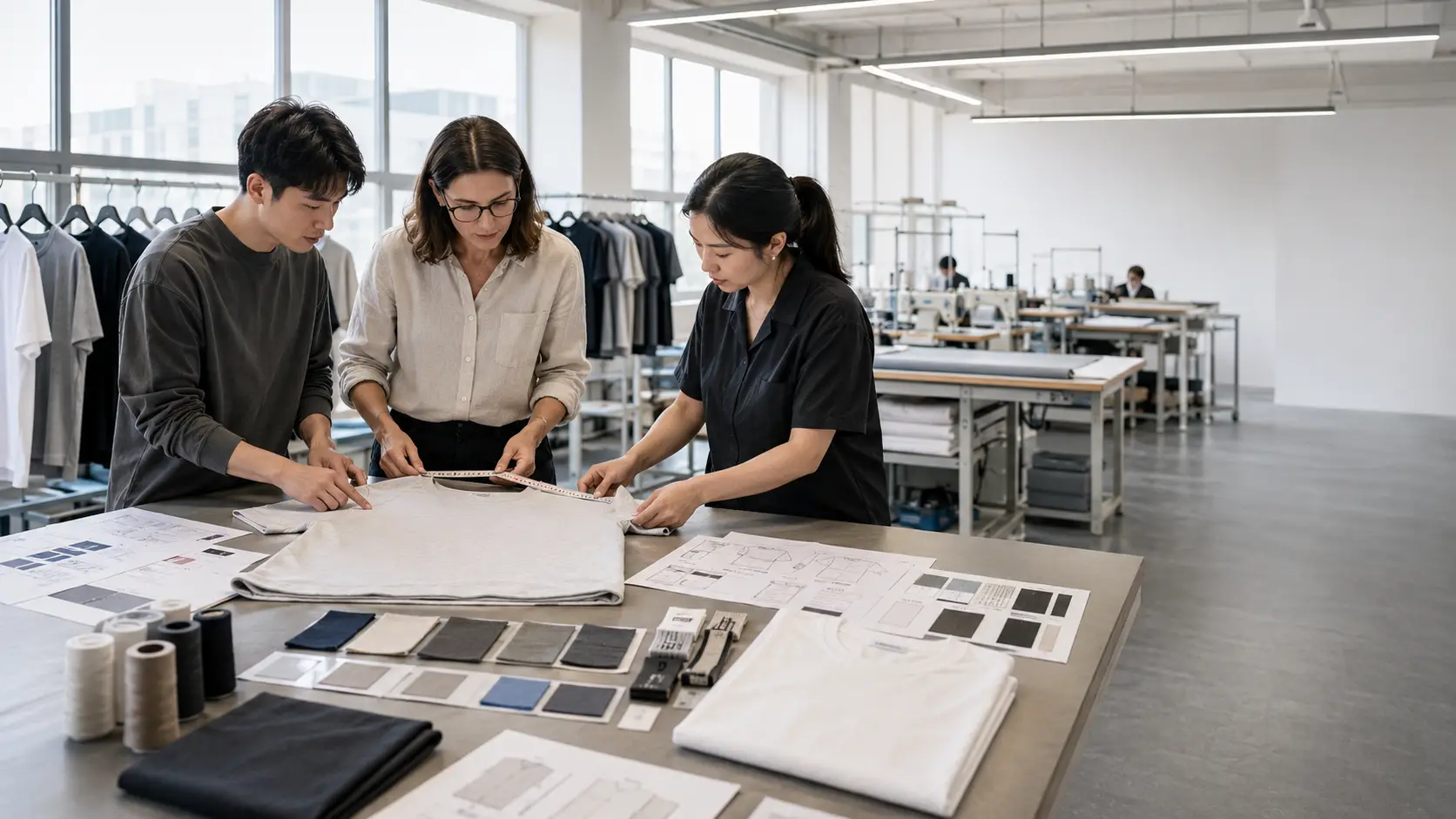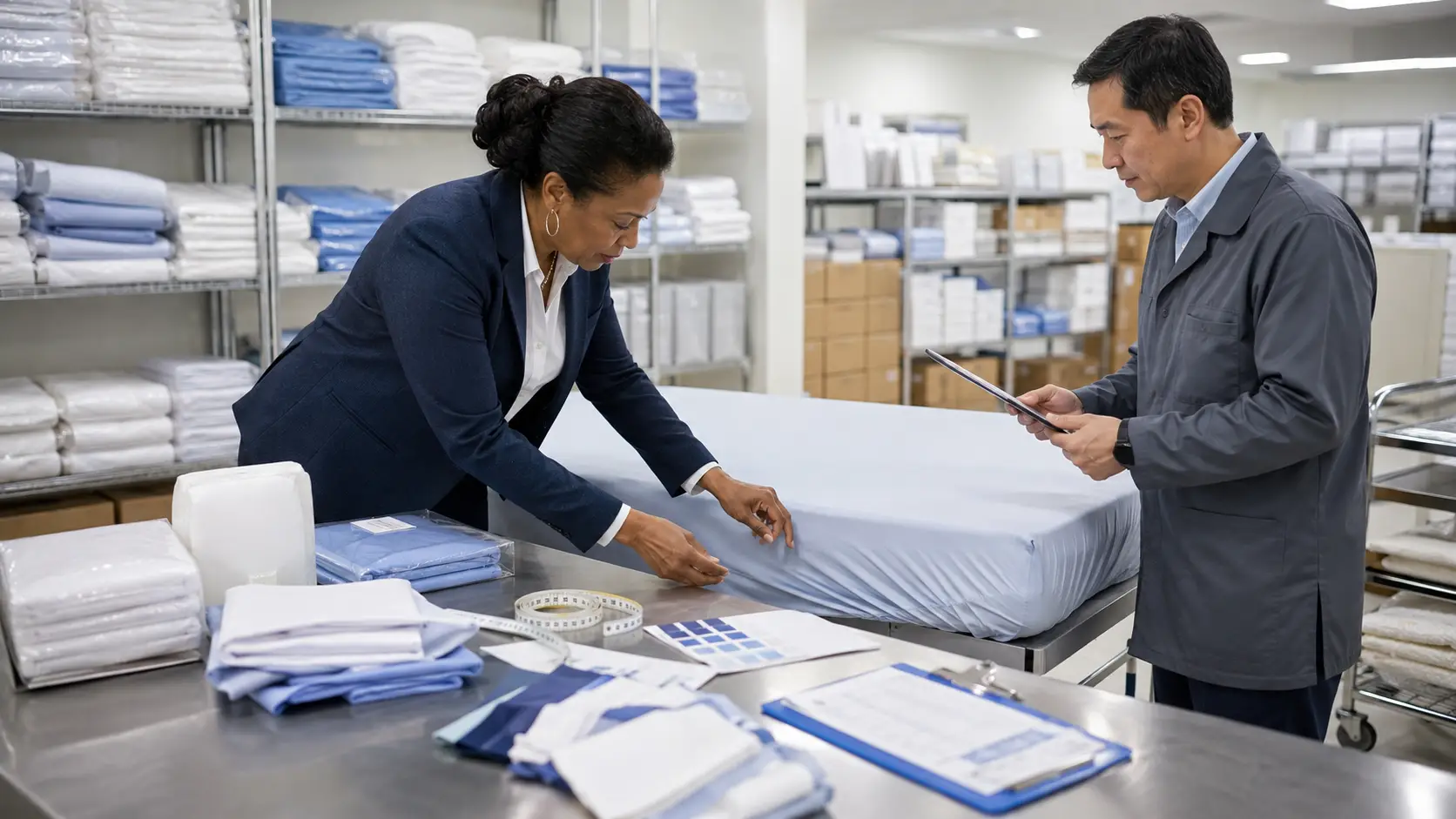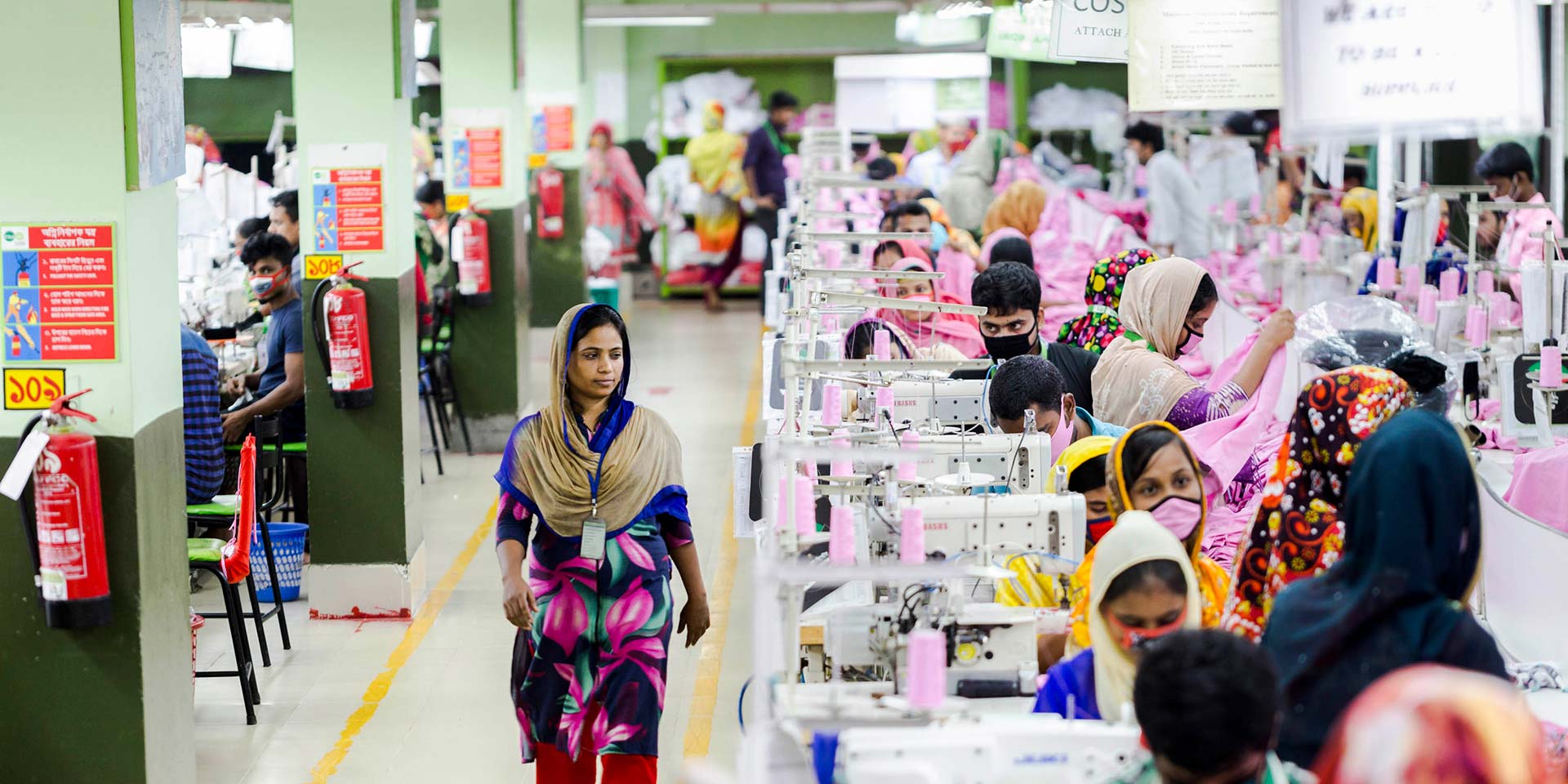
Bangladesh has become one of the world’s most important apparel manufacturing hubs, supplying clothing to leading fashion brands across the USA, UK, Canada, France, and Germany. With competitive production costs, growing sustainability initiatives, skilled labor, and advanced textile manufacturing capabilities, Bangladesh continues to strengthen its position in the global fashion industry. Companies like Minmax Textile are helping international brands source high-quality, ethical, and cost-effective apparel solutions.
Introduction
Take a look inside your closet.
There’s a good chance that at least a few of your favorite shirts, jeans, jackets, or activewear pieces were made in Bangladesh. Many consumers in the United States, United Kingdom, Canada, France, and Germany wear Bangladeshi-made clothing every day without realizing how important the country has become to the global fashion ecosystem.
Over the last two decades, Bangladesh has transformed from a developing manufacturing nation into one of the world’s leading apparel exporters. Today, it plays a critical role in supplying clothing to major fashion retailers, department stores, e-commerce brands, and private-label companies worldwide.
For fashion brands seeking quality products, reliable production, competitive pricing, and sustainable manufacturing, Bangladesh has become a strategic sourcing destination.
In this article, we’ll explore Bangladesh’s growing role in the global fashion market, why international buyers increasingly rely on Bangladeshi manufacturers, and how companies like Minmax Textile are contributing to this remarkable success story.
What Is Bangladesh’s Role in the Global Fashion Market?
Bangladesh is one of the largest apparel-exporting countries in the world. The country specializes in producing a wide range of garments, including:
- T-shirts
- Polo shirts
- Denim jeans
- Hoodies
- Sweatshirts
- Activewear
- Knitwear
- Outerwear
- Children’s clothing
- Fashion basics
The ready-made garment (RMG) sector serves as the backbone of Bangladesh’s economy and contributes significantly to global fashion supply chains.
Quick Facts
| Industry Indicator | Bangladesh |
|---|---|
| Global Apparel Export Ranking | Top 3 Exporters |
| Major Markets | USA, UK, EU, Canada |
| Garment Factories | Thousands |
| Workforce | Millions of Employees |
| Key Products | Knitwear, Woven Apparel, Denim |
| Sustainable Factories | Global Leader in Green Garment Factories |
These strengths have helped Bangladesh become a preferred sourcing destination for international fashion brands.
Why Global Fashion Brands Choose Bangladesh
Competitive Manufacturing Costs
One of the primary reasons international buyers source from Bangladesh is cost efficiency.
Compared to many competing manufacturing countries, Bangladesh offers:
- Lower production costs
- Large-scale manufacturing capacity
- Efficient supply chains
- Skilled labor force
- Competitive pricing for bulk orders
This allows brands to maintain profitability while offering affordable products to consumers.
For retailers operating in highly competitive markets such as the United States and the United Kingdom, controlling production costs remains essential.
Strong Manufacturing Infrastructure
Bangladesh has invested heavily in its textile and garment infrastructure.
Modern factories now feature:
- Automated cutting systems
- Digital pattern making
- Advanced sewing technologies
- Quality control systems
- Lean manufacturing practices
Many manufacturers have upgraded facilities to meet international standards demanded by global buyers.
Companies such as Minmax Textile continue to invest in modern production processes that support quality, consistency, and efficiency.
Bangladesh’s Impact on the USA Fashion Market
The United States remains one of Bangladesh’s most important export destinations.
American consumers regularly purchase apparel sourced from Bangladesh through major retailers, including:
- Walmart
- Target
- Gap
- Old Navy
- Amazon brands
- Macy’s
- Costco
Why U.S. Brands Source from Bangladesh
American retailers value:
- Reliable production volumes
- Affordable manufacturing
- Consistent product quality
- Compliance with international standards
- Fast turnaround capabilities
For growing e-commerce brands and private-label businesses in the USA, Bangladesh offers an attractive balance between quality and cost.
Real-World Example
Imagine a startup apparel brand in Texas launching a new line of premium cotton T-shirts.
Producing locally may significantly increase costs, making it difficult to compete against established brands.
Working with a trusted Bangladeshi supplier allows the company to access high-quality production while maintaining healthy profit margins.
Bangladesh’s Importance to the UK Fashion Industry
The United Kingdom has maintained strong trade relationships with Bangladesh for decades.
Many British retailers source apparel from Bangladeshi factories because of:
- Large production capacity
- Ethical sourcing improvements
- Sustainable manufacturing practices
- Reliable supply chains
Popular UK retailers frequently partner with Bangladeshi manufacturers to support fast-moving fashion demands.
As sustainability becomes increasingly important to UK consumers, Bangladesh’s investment in green factories strengthens its appeal.
Growing Influence in Canada, France, and Germany
Canada
Canadian retailers appreciate Bangladesh’s ability to produce:
- Winter apparel
- Knitwear
- Casual clothing
- Sustainable fashion products
As consumer demand for affordable and responsibly sourced apparel grows, Bangladesh continues expanding its presence in the Canadian market.
France
French fashion companies seek manufacturers capable of balancing:
- Quality craftsmanship
- Fashion-forward production
- Competitive pricing
- Sustainable sourcing
Bangladesh increasingly supports both luxury-adjacent and mass-market fashion segments in France.
Germany
Germany places strong emphasis on:
- Product quality
- Sustainability
- Compliance standards
- Environmental responsibility
Bangladesh’s advancements in green manufacturing have helped strengthen trade relationships with German fashion brands.
Sustainability: A Major Competitive Advantage
One of the biggest shifts in Bangladesh’s fashion industry is its commitment to sustainability.
Years ago, many buyers focused primarily on cost.
Today, brands prioritize:
- Ethical sourcing
- Environmental responsibility
- Carbon reduction
- Worker safety
- Sustainable materials
Bangladesh has responded by becoming a global leader in green garment manufacturing.
Sustainable Initiatives Include
Energy Efficiency
Factories are increasingly using:
- Solar power
- Energy-efficient machinery
- Smart lighting systems
Water Conservation
Manufacturers are adopting:
- Water recycling systems
- Reduced water dyeing technologies
- Wastewater treatment facilities
Sustainable Fabrics
Growing demand exists for:
- Organic cotton
- Recycled polyester
- Sustainable blends
- Eco-friendly packaging
Many international buyers now view Bangladesh as a long-term sustainability partner rather than simply a low-cost sourcing destination.
How Technology Is Transforming Bangladesh’s Textile Industry
The future of fashion manufacturing depends on innovation.
Bangladesh is rapidly embracing Industry 4.0 technologies.
Key Technological Advancements
Automation
Factories use automated systems for:
- Fabric cutting
- Packaging
- Quality inspection
Digital Product Development
Brands can now review:
- Digital samples
- Virtual prototypes
- 3D garment designs
This reduces production delays and lowers development costs.
Supply Chain Visibility
Modern manufacturers offer:
- Real-time production updates
- Digital tracking systems
- Improved inventory management
Companies like Minmax Textile understand that technology adoption is essential for meeting evolving buyer expectations.
The Rise of Ethical Manufacturing
Consumers across the USA, UK, Canada, France, and Germany increasingly care about where their clothing comes from.
This trend has pushed manufacturers to improve:
- Workplace safety
- Employee welfare
- Fair labor practices
- Compliance standards
Today’s leading Bangladeshi factories work closely with international auditing organizations to maintain global certifications and ensure responsible manufacturing practices.
Opportunities for Fashion Brands
Brands looking to source apparel internationally can benefit from Bangladesh’s growing capabilities.
Key Advantages
Cost Savings
Manufacturing costs remain highly competitive.
Large Production Capacity
Factories can handle both large and growing order volumes.
Product Diversity
Manufacturers produce:
- Casualwear
- Sportswear
- Fashion apparel
- Uniforms
- Promotional clothing
Sustainability
Many factories exceed international environmental requirements.
Scalability
Businesses can scale production without significantly increasing costs.
Best Practices for Choosing a Bangladesh Apparel Manufacturer
Finding the right manufacturing partner is critical.
Step 1: Verify Certifications
Look for factories with recognized certifications and compliance programs.
Step 2: Review Factory Capabilities
Assess:
- Production capacity
- Product categories
- Lead times
- Technical expertise
Step 3: Evaluate Communication
Strong communication reduces delays and improves project outcomes.
Step 4: Request Samples
Always test quality before placing large orders.
Step 5: Prioritize Transparency
Choose suppliers that provide visibility into sourcing and production processes.
Reliable manufacturers like Minmax Textile emphasize transparency, quality assurance, and long-term partnerships.
Why Bangladesh’s Future in Global Fashion Looks Strong
Several factors position Bangladesh for continued growth:
- Expanding textile infrastructure
- Increasing sustainability investments
- Growing technological adoption
- Strong export performance
- Rising demand from global retailers
As brands seek dependable manufacturing partners capable of balancing quality, affordability, and sustainability, Bangladesh remains a compelling choice.
The country’s ability to adapt to changing consumer expectations and global market trends suggests that its influence within the fashion industry will continue to expand over the next decade.
Frequently Asked Questions
Why is Bangladesh important to the global fashion industry?
Bangladesh is one of the world’s largest apparel exporters, supplying clothing to major retailers and fashion brands across North America and Europe.
What products does Bangladesh manufacture?
Bangladesh produces T-shirts, polo shirts, denim, activewear, knitwear, outerwear, children’s apparel, and many other garment categories.
Is Bangladesh becoming more sustainable?
Yes. Bangladesh is investing heavily in green factories, energy efficiency, water conservation, and sustainable textile production.
Why do U.S. brands source clothing from Bangladesh?
American brands benefit from competitive manufacturing costs, reliable production capacity, skilled labor, and improving sustainability standards.
How can fashion brands find reliable suppliers in Bangladesh?
Brands should evaluate certifications, factory capabilities, communication quality, compliance standards, and production experience before selecting a supplier.
Conclusion
Bangladesh’s growing role in the global fashion market is no longer just a manufacturing success story—it’s a transformation that is reshaping the future of apparel sourcing worldwide.
From supplying leading retailers in the United States and the United Kingdom to supporting sustainable fashion initiatives across Canada, France, and Germany, Bangladesh continues to prove its value as a trusted global sourcing destination.
For fashion brands seeking quality, scalability, sustainability, and cost efficiency, partnering with experienced manufacturers such as Minmax Textile can create a strong foundation for long-term growth.
As global demand for responsible and efficient apparel production increases, Bangladesh is well-positioned to remain one of the most influential players in the international fashion industry for years to come.