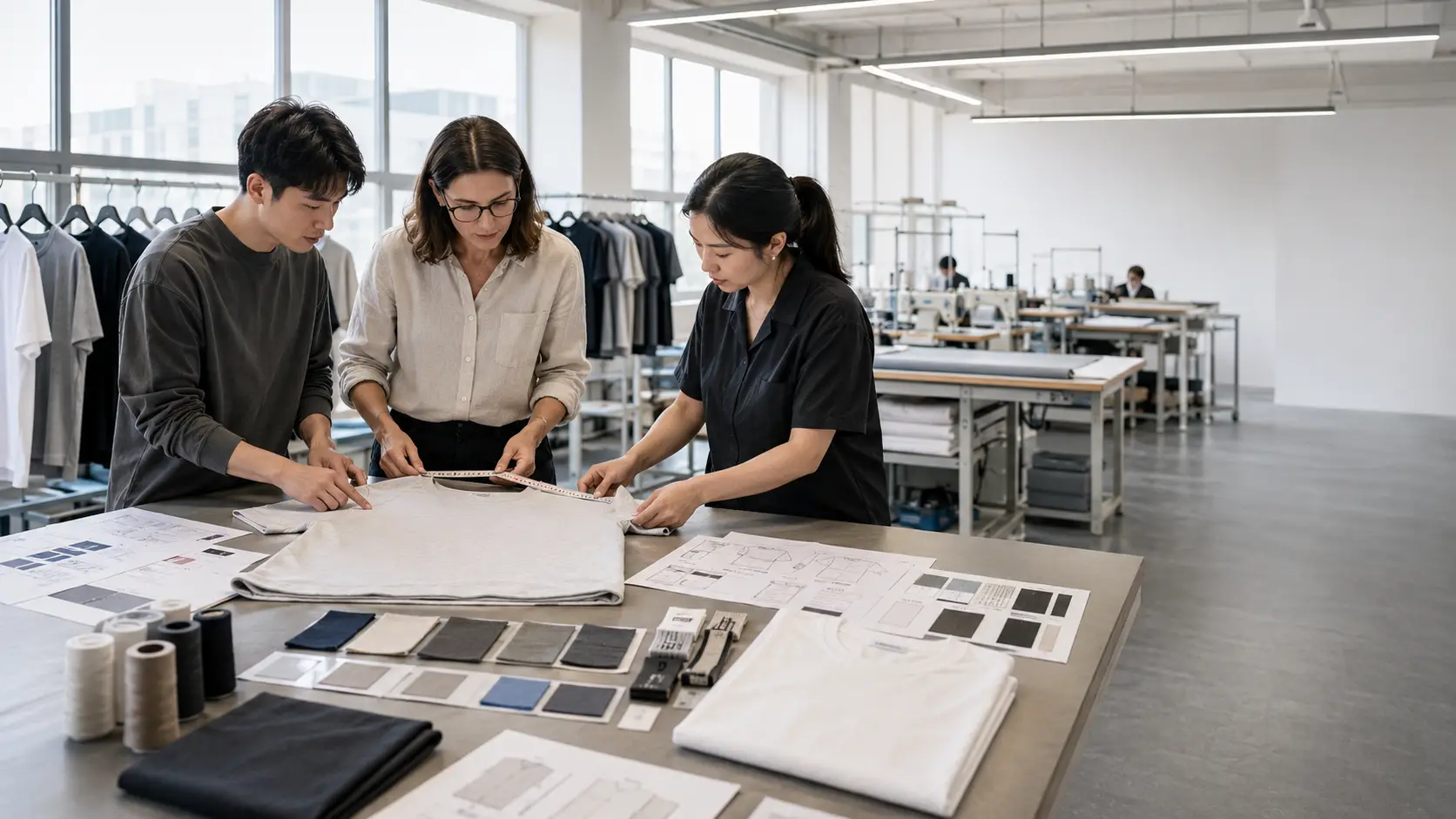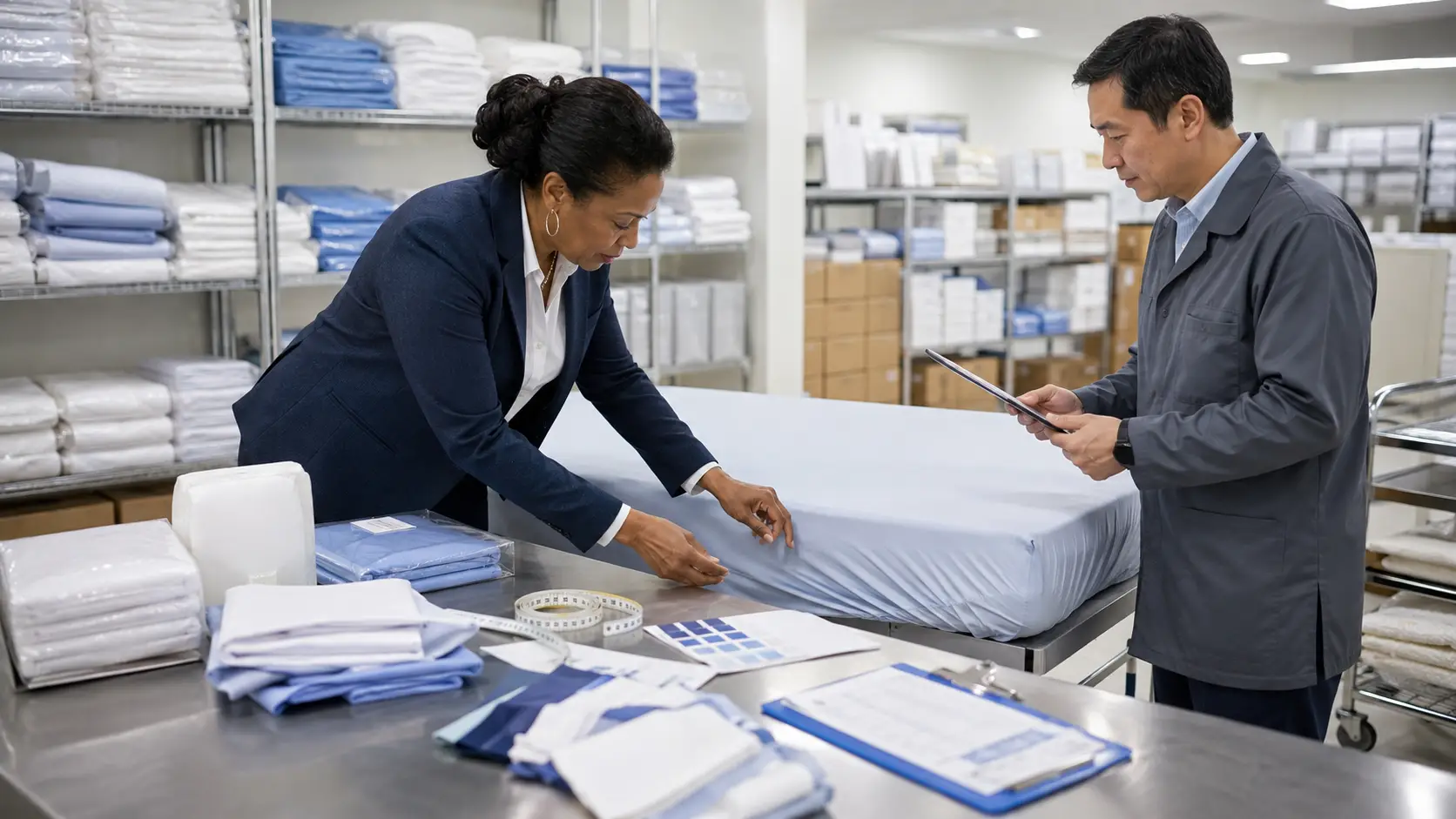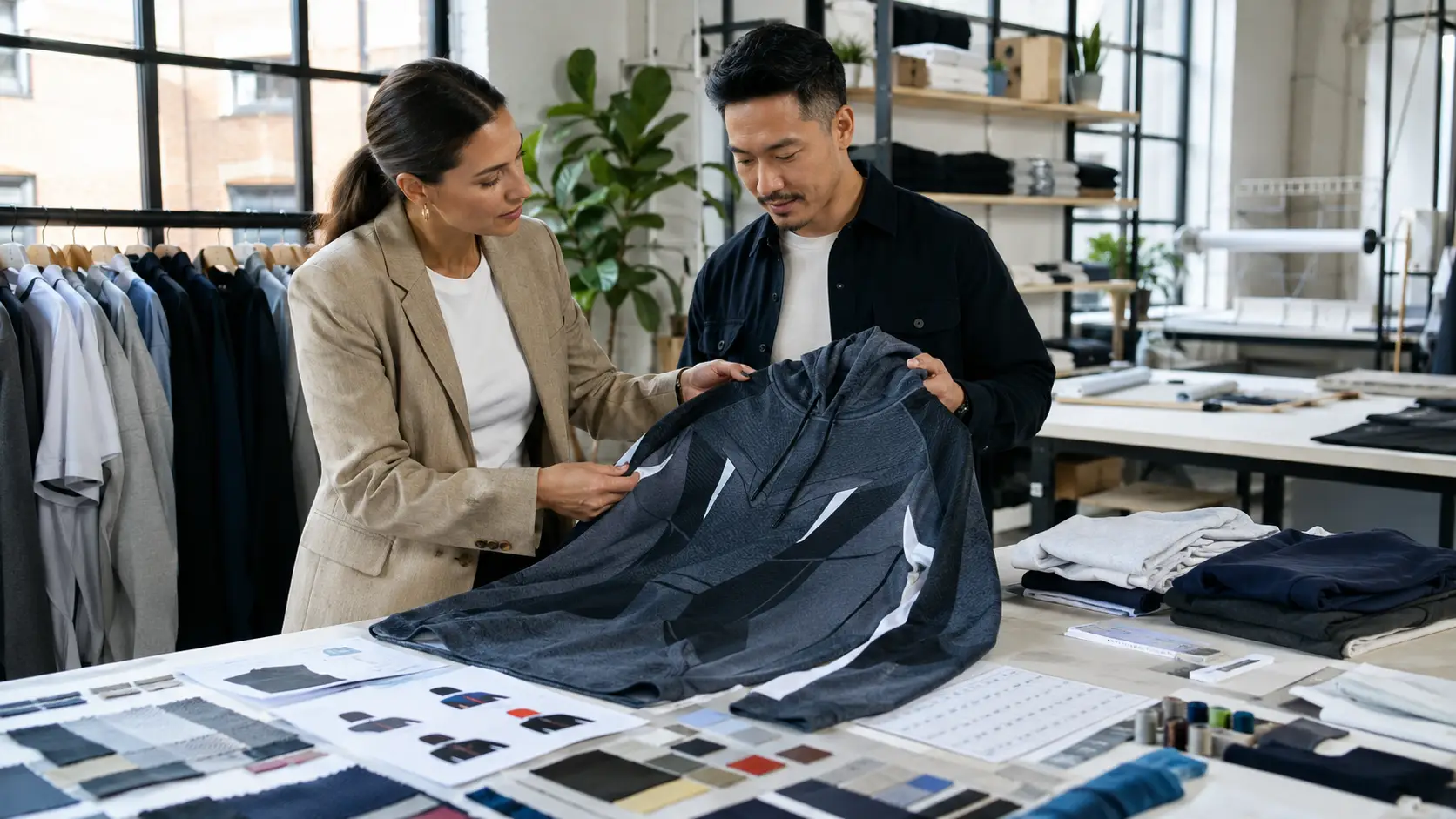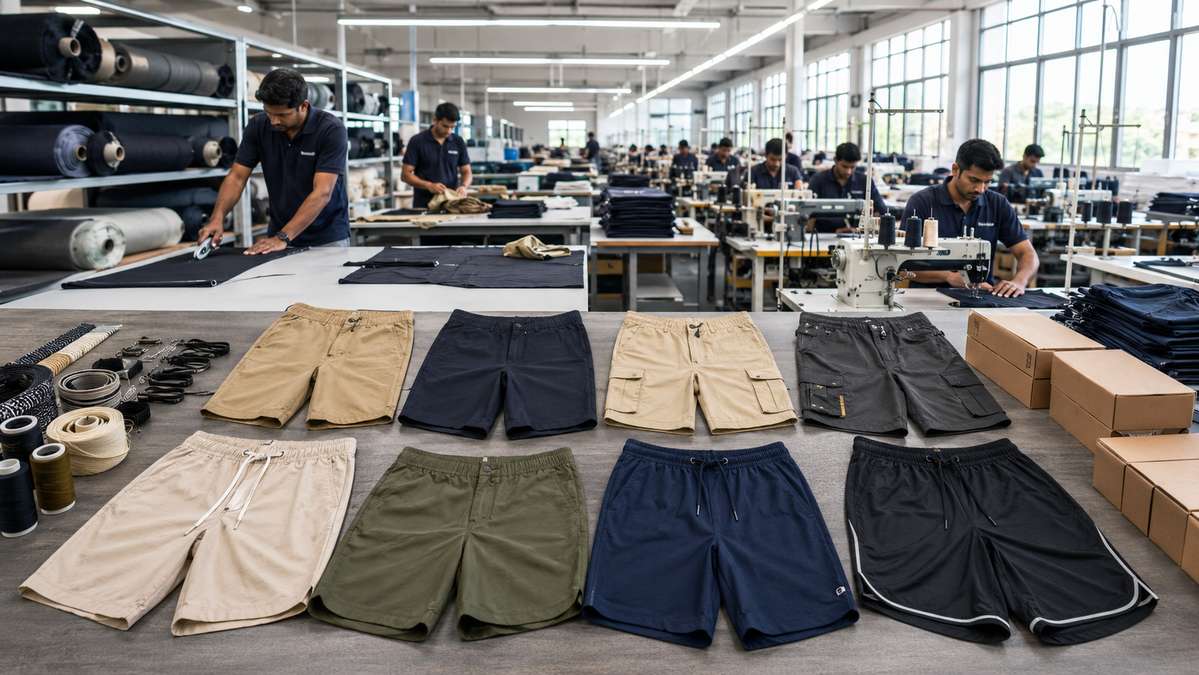
A short pants manufacturer produces men’s shorts in bulk for brands, retailers, and wholesalers, handling everything from fabric sourcing to cutting, sewing, printing, and packaging. Buyers typically work with either OEM manufacturers (who build your design from scratch) or ODM manufacturers (who customize existing patterns), choosing based on MOQ, fabric needs, and target market climate.
Why Sourcing the Right Shorts Manufacturer Actually Matters
If you’ve ever tried to source men’s shorts for your brand, you already know the frustration. You message ten “manufacturers,” get five vague replies, two ghost you after the first quote, and the ones who do respond can’t seem to agree on MOQ, lead time, or even basic fabric specs.
It’s a common problem, and honestly, it’s one of the reasons so many apparel brands stall out before they ever launch a proper shorts collection. Shorts seem simple on paper: two legs, an elastic or drawstring waist, maybe a pocket or two. But the reality of production, from fabric selection to stitching consistency to sizing across markets, is more layered than it looks.
This guide walks through what a short pants manufacturer actually does, how the production process works, what to look for in a reliable partner, and how sourcing decisions shift depending on where you’re selling, whether that’s a beachwear line for Australia, workwear shorts for Canadian trades, or breathable cotton shorts built for the Gulf heat.
What a Short Pants Manufacturer Does
A short pants manufacturer is a garment production facility that specializes in cutting, sewing, and finishing shorts at scale. Unlike a small tailoring shop that makes one-off pieces, a manufacturer is set up for repeatable, consistent production across hundreds or thousands of units.
Typical services include:
- Fabric sourcing and testing
- Pattern making and grading across size runs
- Cutting and sewing
- Printing, embroidery, or labeling
- Quality control and finishing
- Packing and export documentation
Some manufacturers only handle production (you supply the design and specs), while others offer full-package services that include design support, fabric development, and private label branding. Knowing which type you need before you start reaching out saves a lot of back-and-forth.
Types of Short Pants Manufacturers Produce
Not all shorts factories specialize in the same categories. Production techniques, machinery, and fabric handling differ quite a bit between, say, a technical running short and a heavy-duty cargo short. Here are the main categories buyers usually ask about:
- Men’s cotton shorts – casual, everyday wear, often woven cotton or cotton-blend fabric
- Men’s chino shorts – smart-casual styles with a tailored finish, popular for office-adjacent or resort wear
- Men’s cargo shorts – utility-style with multiple pockets, heavier fabric weight
- Men’s sports shorts – performance fabrics, often polyester or nylon blends with moisture-wicking finishes
- Men’s gym shorts – lightweight, stretchy, built for mobility
- Men’s running shorts – minimal weight, often with built-in liners and reflective detailing
- Men’s workwear shorts – reinforced stitching, durable fabric, sometimes with safety features like reflective tape
A manufacturer with genuine experience across these categories will usually be upfront about which ones they specialize in rather than claiming to do everything equally well. That’s a good sign to look for during initial conversations.
Fabric Options for Short Pants
Fabric choice affects comfort, durability, cost, and how the shorts perform in different climates. Some of the most commonly used fabrics include:
| Fabric Type | Best For | Notes |
|---|---|---|
| 100% Cotton | Casual, everyday shorts | Breathable, soft, but wrinkles more |
| Cotton-Polyester Blend | Chino and workwear shorts | More durable, holds shape better |
| Polyester Microfiber | Sports and running shorts | Lightweight, quick-drying |
| Nylon | Swim and athletic shorts | Water-resistant, durable |
| Ripstop Fabric | Cargo and outdoor shorts | Tear-resistant, heavy-duty |
| Bamboo or Recycled Blends | Sustainable lines | Soft handfeel, eco-positioning |
Climate plays a real role here. Buyers sourcing for hot, humid, or desert regions tend to prioritize breathable, lightweight fabrics, while buyers targeting cooler or more temperate climates often lean toward heavier cotton or blended fabrics that hold structure better.
Customization and Private Label Services
Most brands don’t want off-the-shelf shorts with someone else’s label sewn in. Private label and custom manufacturing let you build a product that actually reflects your brand.
Common customization options include:
- Custom fabric weight, weave, or blend
- Brand labels, woven tags, and hang tags
- Custom prints, embroidery, or patchwork
- Custom pocket styles, waistband types, and stitching details
- Custom packaging (polybags, boxes, branded inserts)
Private label manufacturing generally means you’re customizing an existing base pattern with your branding, which keeps costs and lead times more manageable for smaller or newer brands. Full custom development, where the pattern itself is built from scratch, takes more time and usually requires higher order volumes to be cost-effective.
OEM, ODM, and Wholesale Manufacturing Explained
These terms get thrown around a lot, and buyers new to sourcing often mix them up.
OEM (Original Equipment Manufacturer): You provide the design, tech pack, and specs. The manufacturer builds exactly what you’ve designed. This gives you full creative control but requires you to have detailed specifications ready.
ODM (Original Design Manufacturer): The manufacturer has existing designs or patterns that you customize with your branding, fabric choice, or minor style adjustments. This is often faster and more accessible for newer brands without an in-house design team.
Wholesale manufacturing: You purchase existing stock designs in bulk, typically with minimal or no customization, such as a label swap. This is the fastest and usually cheapest route, but offers the least brand differentiation.
Companies like Minmax Textile typically work across these models, adjusting the approach based on whether a buyer is a startup brand testing the market or an established retailer placing a large recurring order.
Step-by-Step Short Pants Production Process
Understanding the production flow helps you ask better questions and set realistic timelines.
- Design and tech pack development – finalizing measurements, construction details, and fabric specs
- Fabric sourcing and testing – confirming fabric weight, shrinkage, and colorfastness
- Sampling – producing a prototype for approval before bulk production
- Pattern grading – adjusting the sample pattern across the full size range
- Cutting – fabric is cut according to graded patterns, often using automated cutting for accuracy
- Sewing and assembly – stitching panels, waistbands, pockets, and closures
- Printing or embroidery – applying branding or design elements
- Quality control checks – inspecting stitching, measurements, and fabric consistency
- Finishing and pressing – trimming loose threads, pressing for a clean final look
- Packing and export prep – folding, tagging, and preparing shipment documentation
Each stage has its own potential bottleneck, which is why lead times can shift if fabric delivery is delayed or if sample approval takes longer than expected.
How to Choose a Reliable Manufacturer
There’s no single factor that guarantees a good manufacturing partner, but a few things consistently separate reliable factories from risky ones.
- Ask for real production photos or a factory tour, virtual or in-person
- Request a physical sample before committing to bulk production
- Check how clearly they communicate specs, timelines, and pricing
- Look at their experience with your specific product category
- Review their quality control process, not just their finished product photos
- Check for consistency between what’s promised and what’s documented in writing
A manufacturer that answers questions directly, without vague or overly generic responses, is usually a better sign than one that makes big promises up front. Genuine experience tends to show up in the specificity of their answers.
MOQ, Pricing, Samples, and Lead Times
These four factors are almost always the first questions buyers ask, and for good reason. They directly affect whether a manufacturer is a realistic fit for your order size.
MOQ (Minimum Order Quantity): This varies significantly by manufacturer and depends on fabric type, customization level, and factory setup. Smaller factories or those offering private label services may accommodate lower MOQs, while larger fabric-intensive orders often require higher minimums to make production cost-effective.
Pricing: Cost depends on fabric choice, order volume, customization complexity, and finishing details. Rather than asking for a flat price upfront, it’s more useful to request a quote based on your specific tech pack and fabric preference.
Samples: Almost all manufacturers require a sampling stage before bulk production. This protects both sides; it lets you confirm fit, fabric feel, and construction quality before committing to a full order.
Lead times: Production timelines depend on order size, fabric availability, and factory capacity at the time of your order. It’s reasonable to ask for a specific timeline estimate once your order details are finalized rather than relying on general industry averages.
Quality-Control Standards
Quality control isn’t a single checkpoint; it should happen at multiple stages of production.
- Fabric inspection before cutting begins
- In-line checks during sewing to catch stitching errors early
- Measurement verification against the approved tech pack
- Final inspection before packing, checking for defects, loose threads, or color inconsistency
- Random sampling across the full order, not just the first batch
Buyers should feel comfortable asking a manufacturer to walk through their QC process step by step. A factory with a genuine quality system in place will usually have documented checkpoints rather than a vague “we check everything” answer.
Sustainable and Responsible Production
Sustainability expectations have shifted significantly in recent years, particularly among buyers in Europe and parts of the Gulf region who are sourcing for brands with an environmental positioning.
Relevant considerations include:
- Use of organic, recycled, or lower-impact fabric blends
- Water and energy usage during dyeing and finishing
- Waste reduction in the cutting process
- Ethical labor practices and fair working conditions
- Packaging materials, including reduced plastic use
It’s worth noting that sustainability claims should always be backed by verifiable practices rather than marketing language alone. Buyers working with international retailers, especially in the UK, Germany, and the Netherlands, often need documentation to support these claims for their own compliance requirements.
Local Market Insights for Short Pants Sourcing
Sourcing decisions shift depending on where the product will actually be sold. Here’s a practical breakdown by region.
USA and Canada
The US market spans a huge range of styles, from athletic and gym shorts to casual chino shorts for warmer months. Workwear shorts also see steady demand, particularly for trade and outdoor labor markets. Canadian buyers often source similar categories but with slightly more attention to layering-friendly fits, since shorts season is more compressed than in year-round warm climates.
UK, Germany, and Netherlands
These markets tend to favor tailored, smart-casual styles like chino shorts, along with growing demand for sustainably produced fabrics. Sizing conventions differ slightly from US standards, so buyers should carefully review size charts. Quality expectations are generally high, and retailers in this region increasingly request documentation around fabric sourcing and labor practices.
Australia and South Africa
Both markets have strong demand for lightweight, breathable shorts, particularly athletic and casual cotton styles, given warmer year-round climates. Beachwear and outdoor-focused shorts also perform well. South African buyers often look for durable, cost-effective options that balance quality with competitive pricing for both local retail and export.
UAE, Saudi Arabia, and Qatar
Buyers in the Gulf region typically prioritize breathable, lightweight fabrics suited to hot climates, as well as modest, comfortable fits for everyday wear and sportswear. Private label opportunities are strong here, particularly for retailers building region-specific activewear or casualwear lines. Packaging quality and consistent sizing across production runs are commonly emphasized by buyers in this market.
Common Sourcing Mistakes to Avoid
- Skipping the sample stage to save time, which often leads to costly bulk production errors
- Not confirming fabric weight and composition in writing before production
- Choosing a manufacturer based on price alone without checking quality consistency
- Failing to clarify size charts and grading rules upfront, especially for cross-border orders
- Not asking about their QC process until problems already show up in a shipment
- Underestimating lead times, especially during peak seasonal production periods
Most of these mistakes stem from rushing the early stages of communication. A short delay upfront to confirm details properly almost always saves more time later.
Information Buyers Should Provide When Requesting a Quote
To get an accurate and fast quote, it helps to have the following ready before reaching out to a manufacturer:
- Tech pack or detailed design reference, including measurements
- Preferred fabric type and weight
- Size range and grading requirements
- Order quantity per style and color
- Customization details, including labels, prints, or embroidery
- Target price range, if applicable
- Preferred shipping destination and method
Providing this information up front, rather than piecing it together over several email threads, tends to result in faster, more accurate quotes.
Finding a Short Pants Manufacturing Partner That Fits Your Brand
Sourcing shorts production doesn’t have to be a guessing game. Once you understand the production process, know what questions to ask, and have a clear sense of your fabric and customization needs, the whole process becomes far more manageable.
Whether you’re a startup brand testing your first collection or an established retailer scaling up seasonal orders, working with a manufacturer like Minmax Textile that understands both the technical side of production and the market-specific preferences across regions like the US, UK, Australia, Germany, UAE, and beyond can make the difference between a smooth launch and a frustrating one.
If you’re ready to move forward, start by putting together your tech pack, fabric preferences, and order details, then reach out for a sample and a detailed quote before committing to bulk production.
Frequently Asked Questions
What is the difference between OEM and ODM shorts manufacturing? OEM manufacturing follows your design and specifications exactly, while ODM manufacturing customizes an existing design developed by the manufacturer.
What fabric is best for men’s shorts in hot climates? Lightweight, breathable fabrics like cotton blends or polyester microfiber tend to perform best in hot, humid conditions, offering better airflow and faster drying times.
How long does shorts production usually take? Production timelines depend on order size, fabric availability, and customization complexity, so it’s best to confirm a specific timeline with your manufacturer once your order details are finalized.
Can I get a sample before placing a bulk order? Yes, most reliable manufacturers offer sampling before bulk production so buyers can confirm fit, fabric quality, and construction details.
What information do I need before requesting a quote? A tech pack or design reference, fabric preference, size range, order quantity, and any customization details help manufacturers provide an accurate quote quickly.