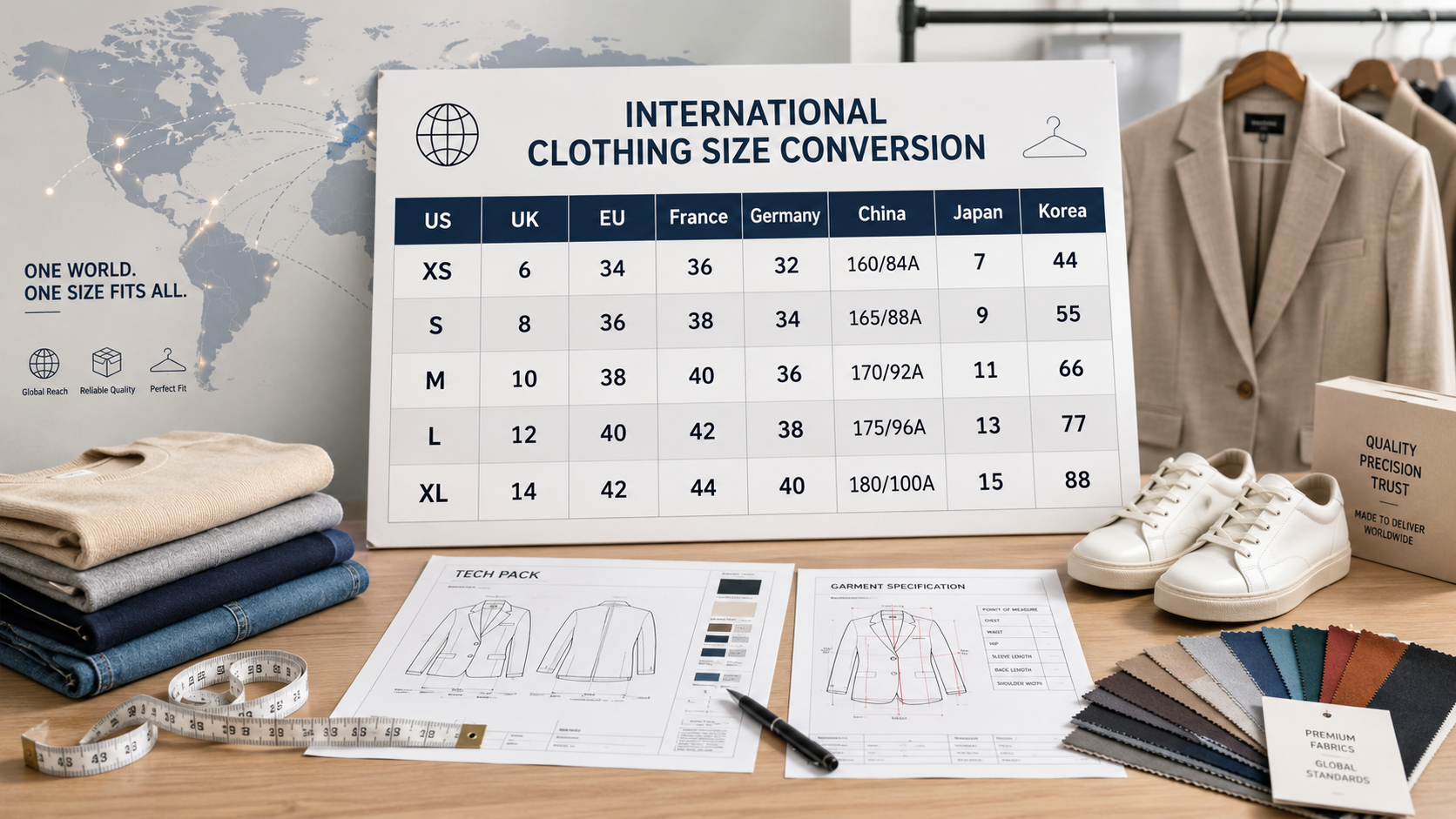
An international clothing size chart converts garment sizes across countries. A US size 8 women’s dress equals a UK size 12, an EU size 40, and roughly a Chinese size L. Sizing systems differ by country and brand, so always check measurements in inches or centimeters before ordering clothing from international retailers or wholesale manufacturers.
Why Getting Your Size Right Across Borders Actually Matters
Picture this: you order a blazer from a European supplier, and it arrives looking like it belongs on someone two sizes smaller. Or you ship a bulk clothing order from Bangladesh for your retail store in Texas, and half the pieces run small by American standards. Neither scenario is fun, and both are completely avoidable.
International clothing size charts exist precisely because the world never agreed on one universal sizing system. A medium in the United States is not the same medium you will find in France, Germany, Japan, or even the United Kingdom. The differences are not minor. They are significant enough to cause real problems for shoppers, importers, and retailers alike.
According to a 2023 report by returns management platform Returnly, sizing confusion is the number one reason for clothing returns in the United States, accounting for nearly 70% of all apparel return reasons. That statistic alone tells you how critical it is to get this right.
This guide breaks down every major international sizing system in plain language. Whether you are a US consumer buying clothes from an international brand, a retail buyer sourcing garments from global manufacturers like Minmax Textile in Bangladesh, or a fashion professional managing cross-border inventory, this resource will save you time, money, and a lot of headaches.
How International Clothing Sizes Work: The Basics
Before diving into the conversion charts, it helps to understand why sizes differ in the first place. Sizing systems developed independently in different countries over the past century, each based on the body measurements of local populations. As global trade expanded, these incompatible systems collided.
Most sizing systems are built around a combination of the following body measurements:
- Chest or bust measurement (in inches or centimeters)
- Waist measurement
- Hip measurement
- Height and inseam (especially for bottoms and jeans)
- Collar size (for dress shirts)
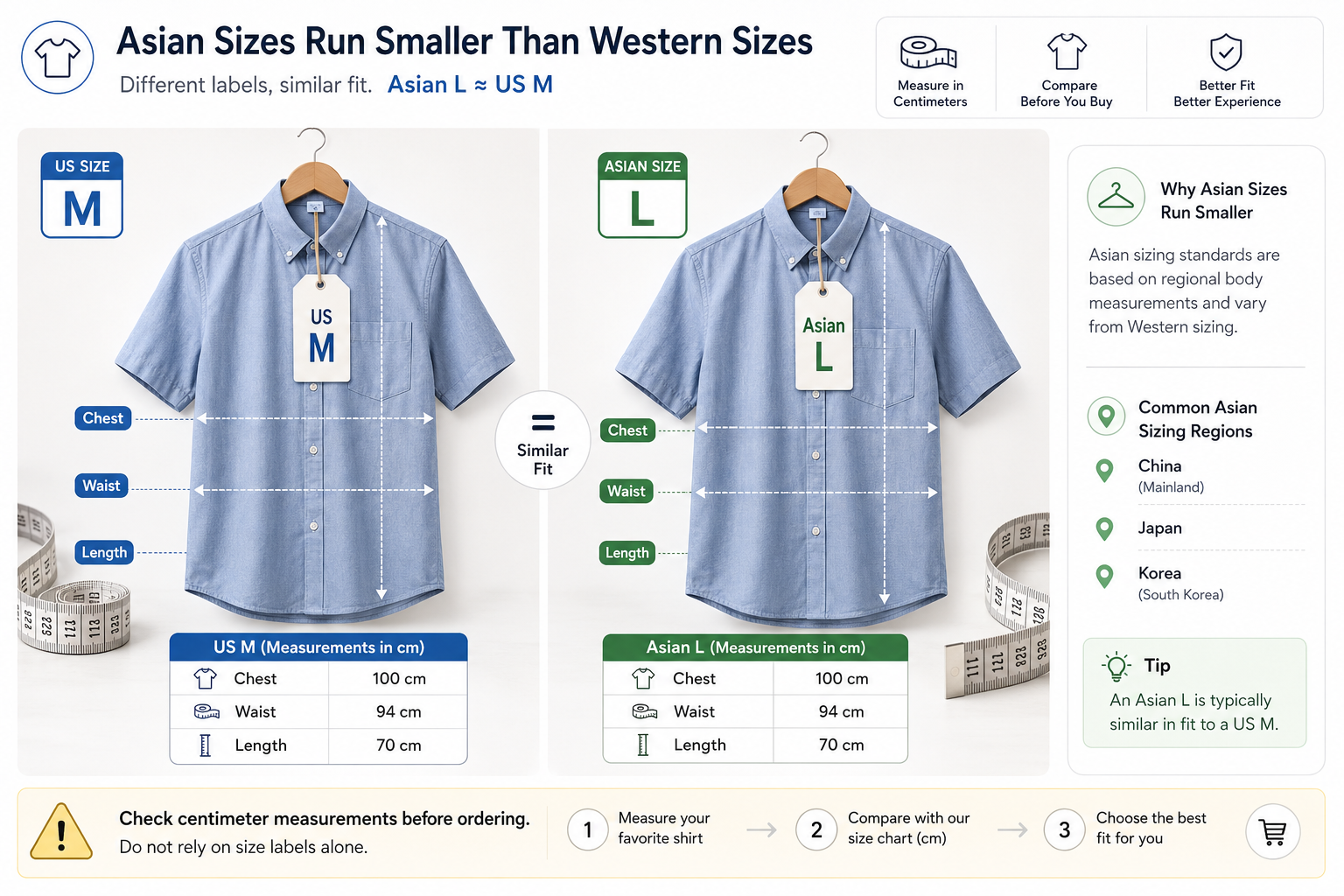
The difference between US, UK, EU, and Asian sizing is partly about measurement units (inches versus centimeters) and partly about which body type the sizing was originally designed around. Asian sizing standards, in particular, tend to run smaller than Western equivalents, which is why an Asian size L often feels like a US or EU medium.
Women’s International Clothing Size Conversion Chart
US, UK, EU, French, German, and Asian Women’s Sizes
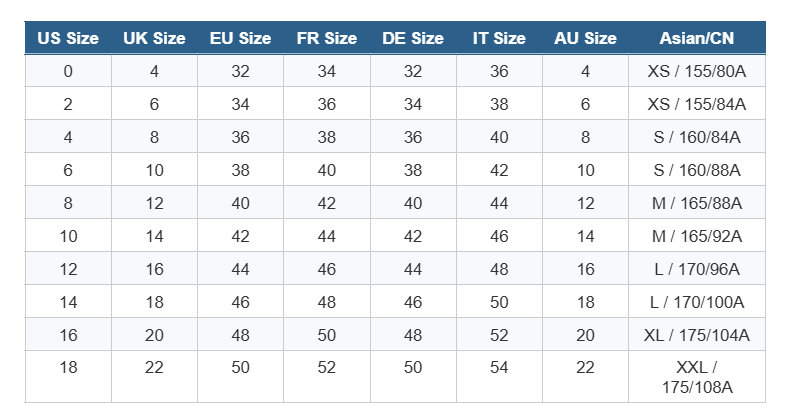
Women’s clothing is where the confusion hits hardest. Here is a complete conversion table for the most common international sizing standards.
How to Read This Chart
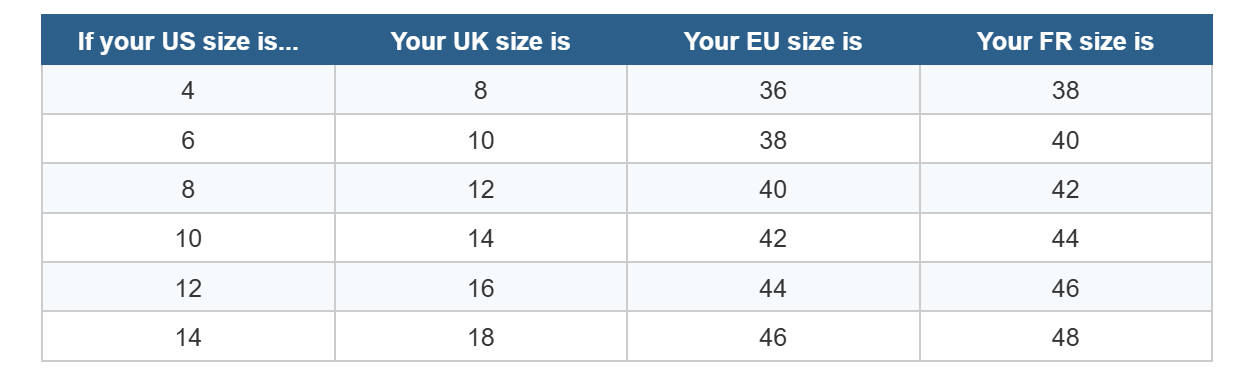
A US size 8 is equivalent to a UK size 12, an EU size 40, a French size 42, a German size 40, and roughly a Chinese size M. That is a wide spread of numbers for the same physical garment, which is exactly why so many online shoppers end up returning items.
French sizing (FR) adds exactly 32 to the EU size in most cases, which explains why a French size 42 corresponds to an EU size 40. German sizing largely mirrors EU sizing. Italian sizing tends to run 4 sizes larger than EU sizing. Australian sizes are the same as UK sizes.
Men’s International Clothing Size Conversion Chart
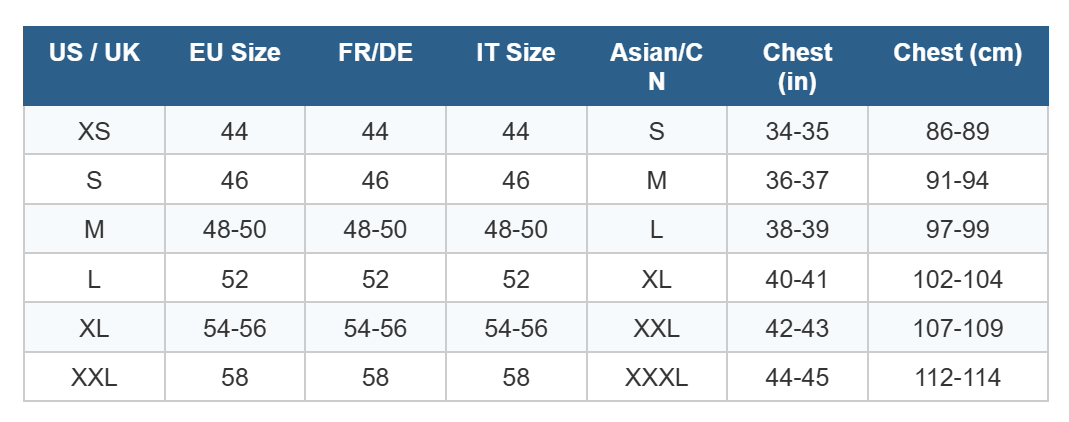
US, UK, EU, and Asian Men’s Shirt Sizes
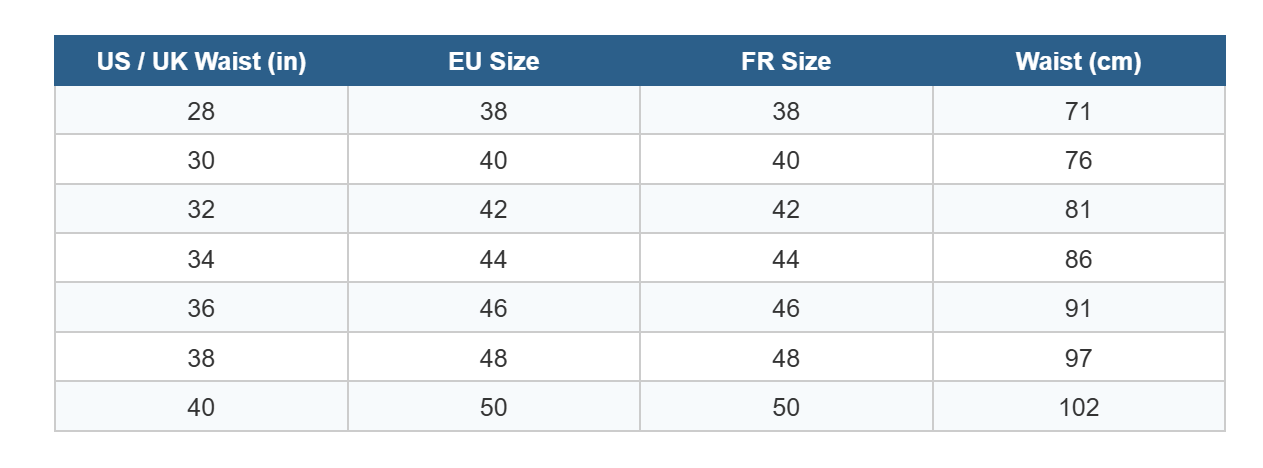
Men’s Trouser and Jeans Size Conversion
Men’s trousers and jeans are typically sized by waist and inseam in the US and UK (e.g., 32×30 means a 32-inch waist and 30-inch inseam). European sizing uses a single number based on waist measurement in centimeters, divided by two, then added to a base number.
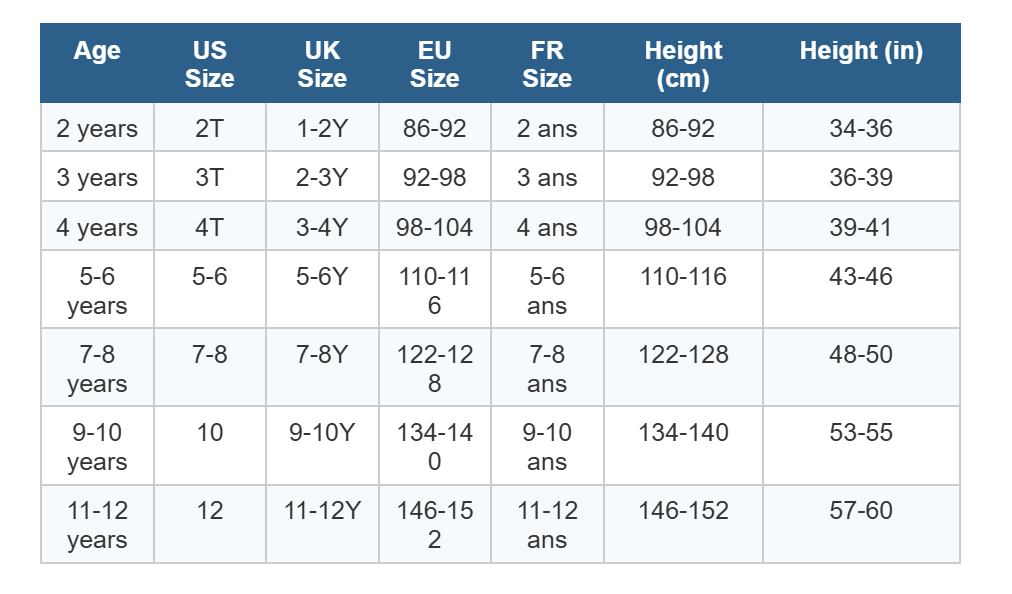
Children’s International Clothing Size Chart
Kids’ clothing is often sized by age or height, depending on the country, which adds another layer of confusion. US brands commonly use age ranges (2T, 4T, 5, 6, 7, 8) while European brands use height in centimeters.
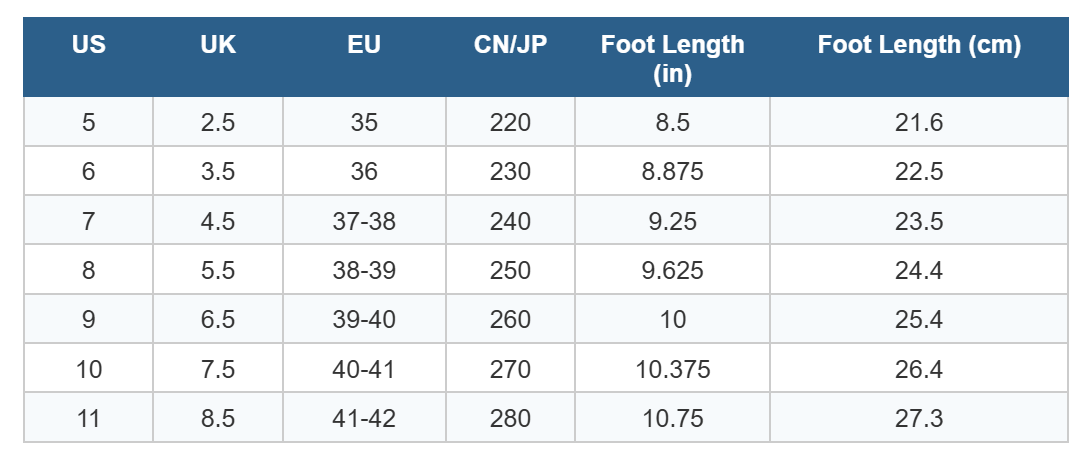
Shoe Size Conversion Chart: US, UK, EU, and Asian
Women’s Shoe Size Chart
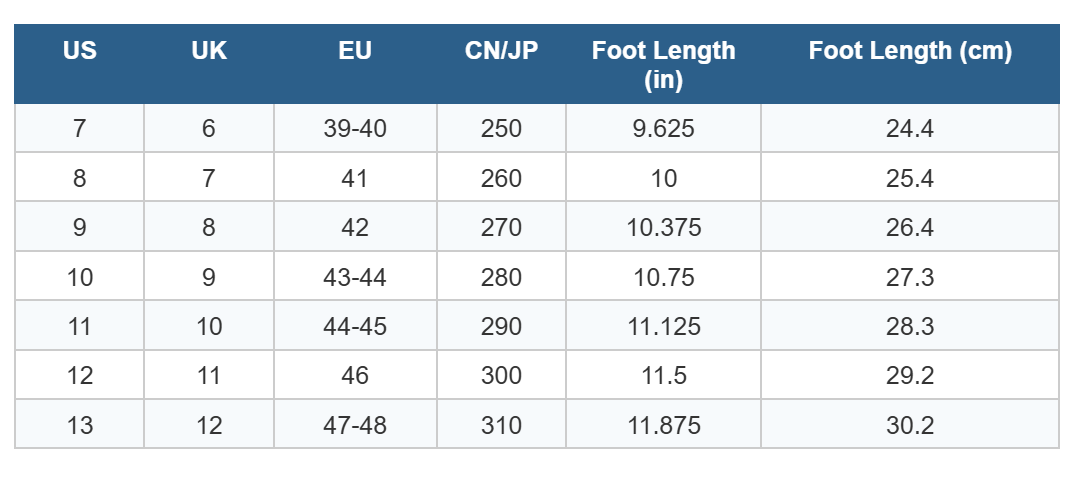
Men’s Shoe Size Chart
How to Measure Yourself for International Sizing
All of these charts are only as useful as the measurements behind them. Here is how to measure yourself correctly so you can use any conversion chart with confidence.
What You Need
- A soft measuring tape (cloth, not metal)
- A friend to help, or a mirror
- Comfortable, form-fitting clothing or no clothing
Key Measurements to Take
- Chest / Bust: Measure around the fullest part of your chest, keeping the tape parallel to the floor.
- Waist: Measure around your natural waistline, which is the narrowest part of your torso.
- Hips: Measure around the fullest part of your hips and buttocks, usually about 8 inches below your natural waist.
- Inseam: Measure from the top of your inner thigh down to the floor. This is critical for trousers and jeans.
- Shoulder Width: Measure from the tip of one shoulder to the tip of the other, across your back.
- Height: Stand flat against a wall without shoes. Mark the wall at the top of your head and measure down.
Once you have these measurements in hand, cross-reference them against the brand-specific size guide rather than relying on the generic conversion chart alone. Brand fit can vary widely, even within the same country.
Sizing Differences Between the US, UK, EU, France, and Germany: What to Know
US vs. UK Sizing
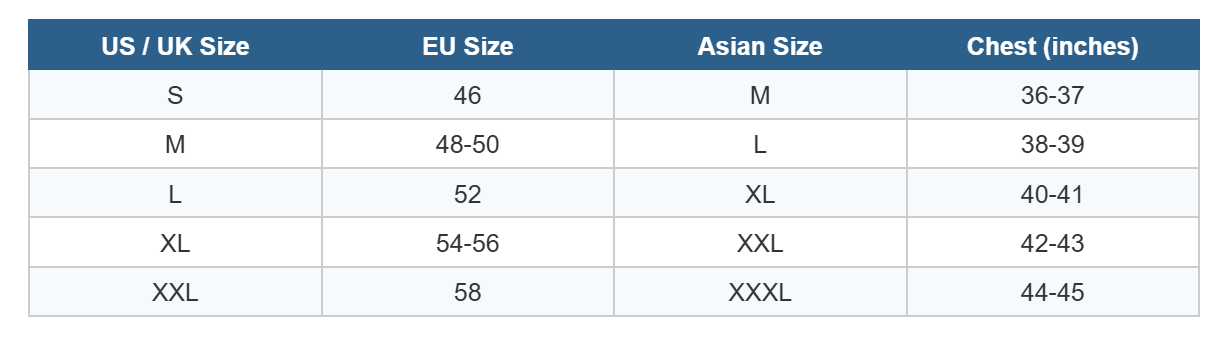
Women’s clothing is where US and UK sizing diverges most noticeably. A US size 6 is a UK size 10. US sizes run about 4 numbers lower than UK sizes for women. For men’s tops, US and UK sizing is largely the same, using the same letter-based system (S, M, L, XL) or identical collar sizes in inches. The main difference you will notice is in cut and fit, not necessarily the number on the label.
US vs. EU Sizing
EU sizing for women is based on the hip measurement in centimeters, whereas US sizing uses a numerical scale with no direct measurement reference. An EU size 40 corresponds to a US size 8 for women. For men’s trousers, EU sizing typically corresponds to waist measurements in centimeters, so a US 32-inch waist corresponds to roughly an EU 42.
French and German Sizing
France uses a system that adds 32 to the EU size for women, so a French size 40 is actually an EU size 38 or a US size 6. Germany largely follows EU sizing but sometimes uses its own labeling conventions for certain garment categories. If you are ordering from a French or German brand and the label lists a size like 42 or 44, always check whether it corresponds to the French or EU standard.
Asian Sizing (China, Japan, Korea)
Asian sizing runs smaller than Western sizing in almost every category. A Chinese size L typically corresponds to a US or EU medium. Japanese sizing uses centimeter-based labels for some garments (for example, ‘S 155/80A’ means the garment is designed for someone 155 cm tall with an 80 cm bust). Korean sizing for women’s jeans uses waist measurements in millimeters, so size 27 means a 27-inch waist.
When buying from Asian manufacturers or online marketplaces that source from Asia, always add at least one size to your usual order and verify the exact measurements in the product listing.
A Note for US Retail Buyers and B2B Importers
If you are a US retailer, boutique owner, or apparel buyer sourcing garments from international manufacturers, getting sizing right from the production stage is just as important as getting it right at the point of sale.
At Minmax Textile, we work with B2B buyers across the United States, the United Kingdom, Canada, France, and Germany to produce garments that meet the specific sizing standards of each target market. When placing a bulk order, always provide your size specifications in actual measurements (chest, waist, hip in inches or centimeters) rather than size labels. A US size 10 dress spec communicated to a factory without measurement references can result in garments that fit very differently depending on the factory’s default sizing block.
Key practices for B2B buyers ordering internationally:
- Submit a size specification sheet (also called a spec sheet or tech pack) with exact measurements for each size in your size run.
- Request a fit sample in your most common size before committing to a full production run.
- Specify which sizing standard applies (US, UK, EU) to avoid ambiguity.
- Consider grading rules carefully when ordering a full-size range (S through 3XL, for example)
- Account for shrinkage tolerances in woven and knit fabrics
Common Sizing Mistakes and How to Avoid Them
- Trusting the label number alone: Always check the measurement guide. A size 12 means something very different in the US, the UK, and Italy.
- Ignoring brand-specific fit: Zara, H&M, and ASOS all have different interpretations of the same EU size. One brand’s medium is another’s large.
- Not accounting for fabric type: A 100% cotton garment will fit and size differently than a stretch knit in the same labeled size, especially after washing.
- Skipping the measurement step: Especially when buying from Asian retailers or international sites, skipping self-measurement is the single biggest cause of sizing errors.
- Assuming vanity sizing is consistent, US vanity sizing means that the actual body measurements required for a labeled size have increased over the decades. An older US size 8 is not the same as a current US size 8 in terms of measurements.
Quick Reference Size Conversion at a Glance
Women’s Quick Reference
Men’s Quick Reference (Tops)
Frequently Asked Questions
Q: What is the difference between US and EU clothing sizes?
US women’s sizes use a numerical scale (0, 2, 4, 6, 8…) with no direct measurement reference, while EU sizes are based on body measurements in centimeters. A US size 8 corresponds to an EU size 40 for women. For men, a US medium is roughly an EU 48-50. Always check your measurements in centimeters against the brand’s size chart for the most accurate fit.
Q: Is a UK size 10 the same as a US size 10?
No. A UK size 10 in women’s clothing is equivalent to a US size 6. UK women’s sizes run approximately 4 numbers higher than US sizes. For men’s clothing, US and UK sizing is largely the same for tops (both use S, M, L, XL), but check waist measurements for trousers as cuts can differ.
Q: Why do Asian clothing sizes run smaller than Western sizes?
Asian sizing standards (Chinese, Japanese, Korean) were developed based on the average body measurements of Asian populations, which historically tend to be smaller in shoulder width, chest, and waist than Western populations. As a result, an Asian size L often corresponds to a US or EU size M. Always size up at least one size when ordering from Asian brands, and verify the exact centimeter measurements in the product listing.
Q: How do I convert my clothing size for a French brand?
French sizing for women adds 32 to the EU size. So if you normally wear an EU size 38, your French size would be 40. For men’s trousers, French sizing typically mirrors EU sizing. Always check the size guide on the specific brand’s website, as some French brands have adopted international EU sizing conventions.
Q: How do I know which size chart to use when ordering wholesale clothing internationally?
When ordering wholesale garments for resale in the US, always request that the manufacturer size garments to US standards and provide a full specification sheet with measurements in inches for each size. At Minmax Textile, we produce garments tailored to the sizing standards of your target market, whether that is the US, UK, EU, or another region. Submitting a tech pack with exact measurements eliminates sizing guesswork at the factory level.
Final Thoughts: Size Right, Every Time
International clothing sizes are not going to unify themselves anytime soon. The US, UK, EU, France, Germany, and Asian markets each have deeply embedded sizing traditions, and that is fine as long as you know how to navigate between them.
The most important habit to develop, whether you are a consumer shopping online or a retail buyer placing a bulk order, is to always work from actual body measurements rather than trusting size labels alone. A tape measure is your single most reliable conversion tool, more reliable than any chart.
For shoppers: bookmark this guide, take your measurements once, and use them every time you shop internationally. You will dramatically reduce returns and the frustration of ill-fitting clothes.
For B2B buyers and retail importers: Minmax Textile specializes in producing garments precisely calibrated to your target market’s sizing standards. Whether you need US-standard wholesale basics, EU-cut fashion pieces, or UK-fit workwear, our team works directly with your spec sheets to deliver garments that fit your customers right off the rack.
Reach out to Minmax Textile to discuss your next collection or wholesale order. Getting the size right the first time saves money, reduces returns, and builds customer trust, and that is the kind of precision that sets successful brands apart.
About Minmax Textile
Minmax Textile is a Bangladesh-based clothing manufacturer and wholesale supplier serving B2B buyers across the United States, the United Kingdom, Canada, France, Germany, and beyond. We specialize in producing garments to your exact sizing specifications, helping global brands and retailers deliver a consistent, reliable fit to their end customers. Source