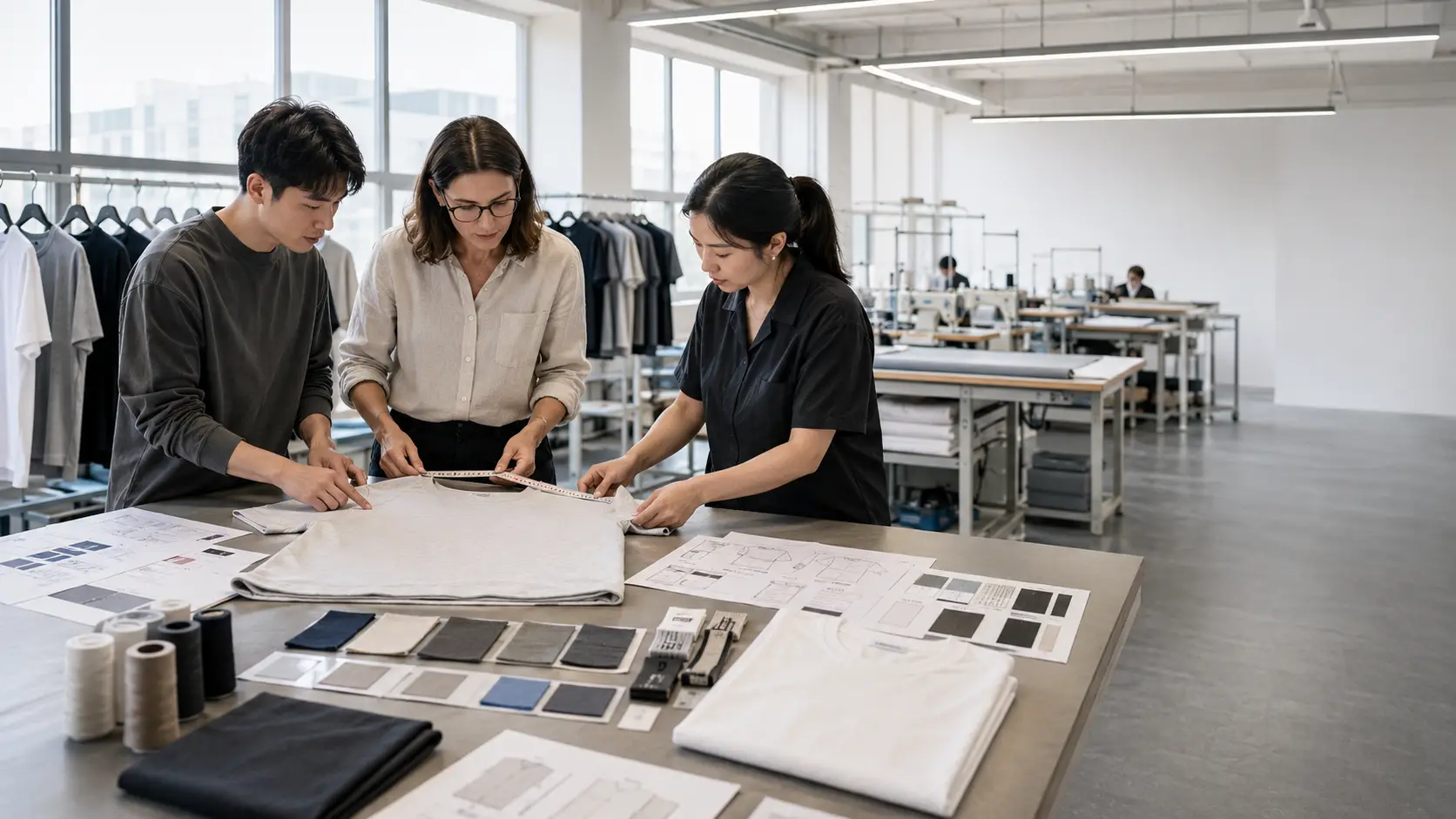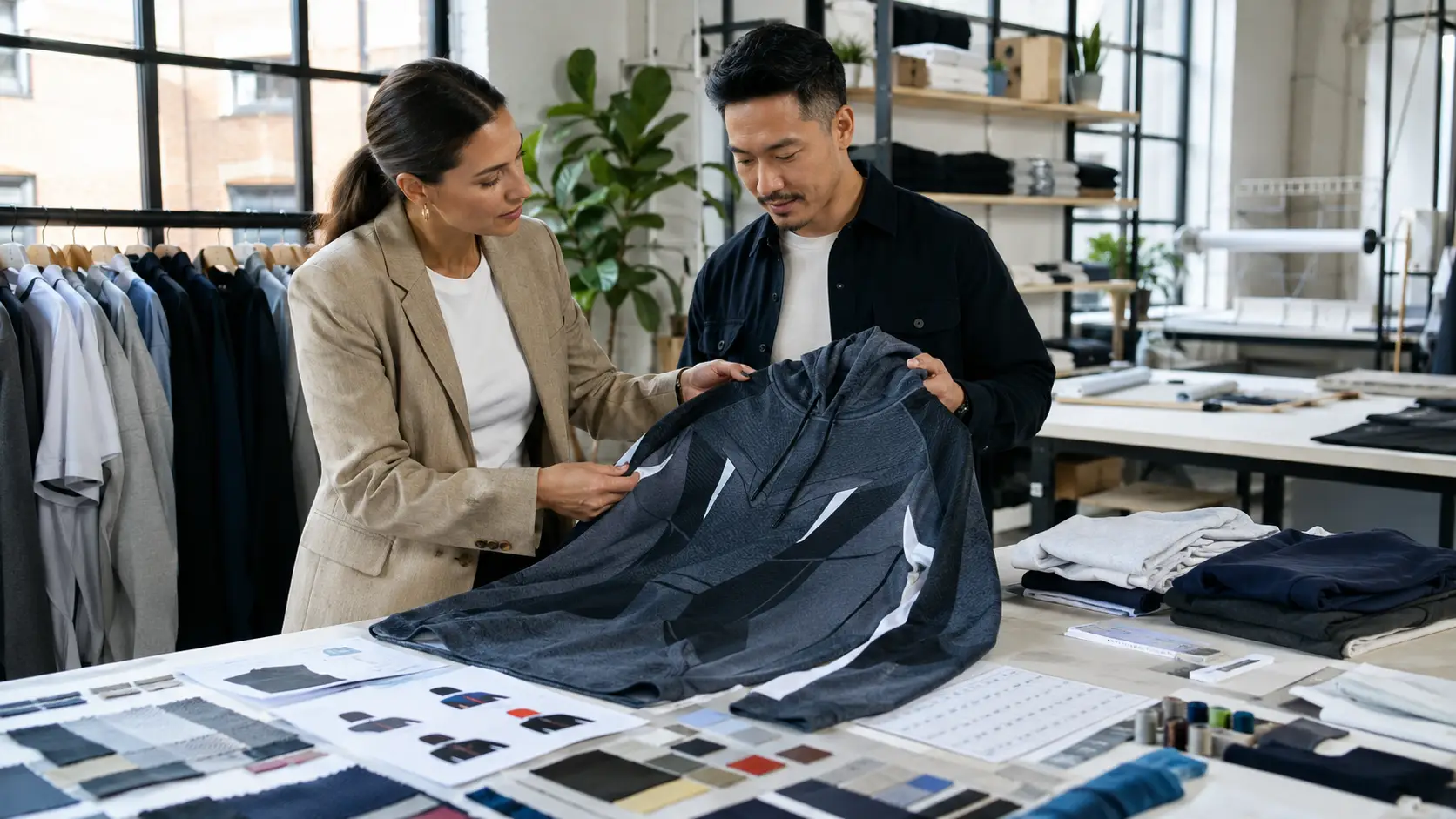
Boys’ shirt manufacturers produce school, formal, casual, party, custom, and private-label shirts for retailers, uniform suppliers, brands, and distributors. Buyers should compare fabric knowledge, pattern development, size grading, construction, testing, minimum orders, pricing, quality control, and delivery support before approving bulk production.
Buyers beginning their supplier research can review the product categories and manufacturing services presented by Minmax Textile before comparing them with the needs of a specific shirt program.
What Buyers Need From a Boys’ Shirt Manufacturer
Choosing a shirt manufacturer involves more than comparing unit prices. A reliable supplier must translate a design or specification into comfortable, well-fitted garments that remain consistent across sizes, colors, and production runs.
The right boys’ shirt manufacturers depend on the intended market. A school uniform supplier may prioritize easy-care fabrics, durable seams, secure buttons, and reliable reorders. A fashion retailer may need seasonal colors, distinctive details, and smaller product drops. A private-label brand may require original patterns, custom trims, branded packaging, and strict measurement control.
Buyers should define the product before contacting factories. A clear brief helps manufacturers quote the same shirt, recommend appropriate materials, plan sampling, and identify possible production risks early.
What Do Boys’ Shirt Manufacturers Produce?
Boys’ shirt manufacturers may develop short-sleeve and long-sleeve garments for school, formal, casual, party, uniform, and retail use. Their services can include fabric sourcing, pattern making, size grading, sample development, cutting, sewing, washing, finishing, inspection, labeling, packaging, and export preparation.
Reviewing a supplier’s boys’ shirts collection can help buyers identify available collars, fabrics, fits, sleeve options, colors, and styling details before preparing a custom request.
Common production models include:
- Ready-made wholesale: Buyers select existing styles, colors, and available sizes. Customization is usually limited.
- Private label: A factory modifies an established design and adds the buyer’s labels, decoration, packaging, or selected details.
- OEM production: The manufacturer develops an original shirt from the buyer’s technical pack, measurements, fabric requirements, trims, and construction standards.
Each model has different minimum quantities, development needs, pricing factors, and lead times. Buyers should confirm which elements are fixed and which can be customized.
Define the Shirt Before Requesting Quotations
A reference photo communicates the general appearance, but it does not provide enough information for accurate production. The request for quotation should identify the style, quantity, size range, colors, fabric, construction, labels, packaging, testing needs, and delivery destination.
Fabric Type and Weight
Poplin is a smooth, closely woven fabric often used for school and formal shirts. Oxford cloth has a more textured appearance and can suit casual or smart-casual styles. Twill has a visible diagonal structure and may offer a more substantial feel. Chambray can provide a lightweight, casual look, while cotton blends may support easier care and shape retention.
Buyers should specify:
- Fiber composition
- Fabric construction
- Fabric weight or an acceptable range
- Yarn-dyed, piece-dyed, printed, or solid color
- Required softness, opacity, and breathability
- Shrinkage and colorfastness expectations
- Easy-care or other finishing requirements
A clothing tech pack guide can help buyers organize these details so suppliers do not have to guess what the finished shirt should be.
Fit, Measurements, and Size Grading
Age labels alone do not define fit. Children of the same age can have different heights and body proportions, and size conventions can vary between markets.
The specification should state the intended fit and list measurements for every size. Important points may include chest width, body length, shoulder width, neck opening, sleeve length, bicep width, cuff opening, armhole depth, collar dimensions, and bottom sweep.
The factory should follow approved grading rules instead of increasing every measurement by the same amount. A complete size set can reveal problems in the smallest and largest sizes before bulk cutting begins.
Collar, Placket, Cuffs, and Construction
The collar strongly affects the appearance of a woven shirt. Buyers should define the collar shape, point length, stand height, interfacing, topstitching, and finished firmness. Formal styles may require a structured collar, while casual shirts may use a softer construction.
Other details include the front placket, back yoke, pleats, pocket shape, hem, side seams, sleeve plackets, cuffs, button spacing, and seam finish. Reviewing examples of boys’ formal shirts can help buyers identify useful style details, but every production requirement should still be documented.
Patterns, Colors, and Decoration
Stripes, checks, and printed patterns require careful placement and matching. The specification should state where patterns must align, such as the front placket, pocket, yoke, collar, or side seams. This can affect fabric consumption, cutting time, and cost.
Embroidery, patches, monograms, screen printing, and heat transfers may be used for school crests, brand marks, or decorative designs. Buyers should approve artwork size, position, colors, backing, hand feel, and wash performance on the actual shirt fabric.
Comparing Common Boys’ Shirt Fabrics
The best fabric depends on the shirt’s purpose, climate, care needs, design, and target price. Samples should be evaluated before a bulk order because the same fabric name can cover different weights, yarns, finishes, and quality levels.
| Fabric option | Typical qualities | Often suitable for | What to confirm |
| Cotton poplin | Smooth, crisp, lightweight to medium weight | School, formal, and uniform shirts | Opacity, shrinkage, wrinkling |
| Cotton-polyester poplin | Practical, stable, often easier to care for | Schoolwear and frequent-wash programs | Blend ratio, comfort, pilling |
| Oxford cloth | Textured, durable-looking, smart-casual appearance | Casual, retail, and dress shirts | Weight, softness, collar structure |
| Cotton twill | Diagonal weave, structured feel | Overshirts and durable casual styles | Bulk, drape, seam puckering |
| Chambray | Lightweight appearance with a casual character | Warm-weather and casual shirts | Colorfastness, weight, shrinkage |
Fabric approval should include more than color. Buyers should check the hand feel, surface, weight, opacity, drape, wash result, and compatibility with the selected collar and seam construction.
Quality Checks for Boys’ Shirts
Quality control should begin with approved materials and a complete specification. Final inspection cannot correct an unsuitable fabric, inaccurate pattern, or unclear measurement chart.
Useful checks include:
- Fabric composition, construction, and weight
- Shade consistency within and between lots
- Shrinkage and appearance after laundering
- Colorfastness to washing and rubbing
- Garment measurements and tolerances
- Collar point, stand, and placket symmetry
- Buttonhole size, placement, and stitching
- Button attachment and spare-button requirements
- Seam puckering, skipped stitches, and loose threads
- Pattern matching at specified locations
- Pocket, label, and logo placement
- Pressing, folding, and packaging accuracy
An approved preproduction sample should act as the physical standard for bulk production. A pre-shipment quality inspection can then compare finished garments with the approved sample, size chart, artistry requirements, labels, and packing instructions.
Testing needs vary by fabric, trims, decoration, intended age group, product claims, and destination market. Buyers should agree on the required test methods, pass criteria, testing stage, laboratory, and cost responsibility before production.
School, Formal, Casual, and Party Shirt Requirements
Different uses place different demands on boys’ shirts. A supplier with the right equipment may still need separate patterns, materials, and quality standards for each program.
School and Uniform Shirts
School shirts often need consistent colors, easy-care performance, secure buttons, reinforced stress points, and dependable repeat production. The fit should allow movement while remaining appropriate for uniform use.
Formal and Occasion Shirts
Formal shirts may require finer fabrics, sharper collars, clean plackets, precise cuffs, neat buttonholes, and careful pressing. The shirt may need to sit comfortably beneath a blazer, vest, or jacket without excessive bulk. These specifications should remain separate from those used for a boys’ school shirt, even when both styles share colors or basic fabrics.
Casual Shirts
Casual designs may use Oxford cloth, chambray, checks, prints, contrast details, soft collars, chest pockets, or garment washing. Buyers should state the intended washed appearance and measurement expectations because finishing can change color, texture, and size.
Children’s Apparel Compliance and Labeling
Buyers should identify the requirements that apply in every destination market. A broad statement that a garment is compliant does not confirm that the exact fabric, buttons, labels, decoration, and age range meet the necessary rules.
For products sold in the United States, covered textiles generally require accurate fiber-content, responsible-business, and country-of-origin information. Covered apparel also needs appropriate care instructions. Children’s products may be subject to additional safety, testing, certification, and tracking-information requirements.
Other countries and regions have different labeling and safety rules. Test reports should identify the tested product, material, color, standard, result, date, and laboratory. Buyers should confirm that the documents apply to the components used in the actual order.
Pricing, Minimum Orders, and Lead Times
Manufacturers normally calculate prices from fabric consumption, trims, labor, construction complexity, pattern matching, decoration, labels, packing, testing, order volume, and delivery terms. Long sleeves, structured collars, multiple pockets, contrast details, and matched checks can require more material or labor.
Minimum order quantity, or MOQ, may apply by style, fabric, color, or size breakdown. A manufacturer’s company profile may provide general information about minimums, sampling, lead times, and payment terms, but buyers should confirm current conditions for the exact shirt program.
A complete quotation should state:
- Shirt specification and fabric
- Quantity and size-color breakdown
- Sample and development charges
- Unit price and currency
- Included trims, labels, and packaging
- Testing and inspection responsibility
- Production lead time and its starting point
- Shipping term and delivery location
- Payment schedule
- Quote validity and change conditions
Compare landed cost rather than unit price alone. Freight, duties, testing, inspection, payment fees, warehousing, and defect handling can change the true cost of an order.
A Practical Process for Choosing a Manufacturer
- Define the shirt. Prepare a specification with sketches, measurements, fabrics, trims, construction, colors, labels, packaging, testing needs, quantities, and target delivery date.
- Create a focused shortlist. Look for experience with children’s woven shirts, suitable machinery, relevant quality systems, and an order range that fits the project.
- Send the same request to each supplier. Require manufacturers to identify exclusions, alternatives, and assumptions so quotations can be compared fairly.
- Review samples and documentation. Examine fabric swatches, development samples, size sets, test evidence, certificates, and business information.
- Approve a production standard. Confirm the final tech pack, bill of materials, color references, measurements, packaging, testing plan, and preproduction sample. Understanding the full clothing manufacturing process can help buyers manage these approvals in the right sequence.
- Monitor production. Agree on progress updates, material approvals, early production checks, and inspection timing.
- Inspect before shipment. Compare finished shirts with the approved sample and written requirements. Record defects and agree on corrective action before dispatch.
- Keep reorder records. Retain patterns, measurements, fabric references, trim details, color approvals, inspection reports, and packing instructions.
Questions to Ask Boys’ Shirt Suppliers
Use this checklist before selecting a manufacturer:
- Do you produce boys’ woven shirts in your own facility?
- Which processes are outsourced?
- What are the MOQs by style, fabric, and color?
- Can you follow a buyer-provided tech pack and measurement tolerances?
- Which fabrics are stocked, and which require custom production?
- How do you control shrinkage, shade, seam puckering, and pattern matching?
- Which sample stages are available?
- Which tests apply to the product and destination market?
- What does the quoted price exclude?
- When does the production lead time begin?
- How are substitutions, delays, and defects handled?
Clear, specific answers are a useful trust signal. Buyers should also verify the legal business identity, production location, relevant certificates, references, and communication details. A guide on how to find a clothing manufacturer can support this evaluation without replacing samples, documents, and inspections.
Common Sourcing Mistakes and How to Avoid Them
Selecting a Factory From Price Alone
A low quote may use a lighter fabric, simpler collar, fewer construction steps, basic packaging, or limited quality checks. Compare every quote with the same specification and calculate total landed cost.
Approving Fabric From a Photo
A photograph cannot confirm weight, opacity, texture, comfort, or wash performance. Approve a physical swatch or sample in the correct fabric before bulk cutting.
Ignoring Pattern Matching
Checks and stripes can look uneven when matching requirements are not defined. State the locations where alignment is required and include the extra fabric and labor in the quotation.
Using Age Labels Without Measurements
Age-based sizes can vary between brands and markets: supply finished-garment measurements, grading rules, and tolerances for every size.
Starting Production With Open Details
Unapproved collars, buttons, labels, colors, or packaging can cause delays and inconsistent results. Close every requirement and record each approved change in writing.
Frequently Asked Questions About Boys’ Shirt Manufacturing
What Do Boys’ Shirt Manufacturers Need to Provide a Quote?
Manufacturers usually need the shirt style, quantity, size and color breakdown, fabric, measurements, construction details, trims, labels, packaging, testing requirements, destination, and requested timeline. A complete tech pack supports a more accurate quotation.
How Should Buyers Evaluate Occasion Shirts?
Buyers should review fabric, fit, collar structure, cuffs, buttonholes, pressing, and comfort. Examples of boys’ party shirts can help define a visual direction, but the approved specification must control bulk production.
Which Fabrics Are Commonly Used for Boys’ Shirts?
Cotton poplin, cotton-polyester poplin, Oxford cloth, twill, and chambray are common options. The best choice depends on the required appearance, climate, durability, care needs, comfort, and target price.
Can Boys’ Shirt Manufacturers Produce Private-Label Designs?
Yes, many manufacturers can produce buyer-specific patterns, fabrics, colors, labels, trims, embroidery, and packaging. Customization options and minimum quantities vary by factory and material.
How Long Does Custom Shirt Production Take?
The timeline depends on fabric availability, development rounds, approvals, testing, order volume, factory capacity, and shipping. Buyers should request separate sampling and bulk-production schedules.
How Can Buyers Check Shirt Quality Before Shipment?
Buyers can approve a preproduction sample, define measurements and tolerances, require relevant testing, review early production pieces, and arrange a final inspection. The acceptance standard and remedy for defects should be agreed before production.
Select Boys’ Shirt Manufacturers With Clear Evidence
The right boys’ shirt manufacturers should match the required styles, fabrics, construction, order volume, destination-market requirements, quality expectations, and schedule. Strong decisions rely on complete specifications, representative samples, relevant documentation, transparent quotations, and reliable communication.
Before placing a bulk order, compare qualified suppliers, test the proposed materials, approve a complete size set, and resolve every open detail. Buyers who have prepared these requirements can contact the team to discuss a custom or wholesale boys’ shirt program.